
In the vast, sprawling ecosystem of Solo Leveling, where gods clash with hunters and reality fractures under the weight of mana, there exists a rigid hierarchy of power. We have the chaotic, screeching destruction of the Ant King, Beru, whose very presence signals an apocalypse. We have the primal, earthen defense of Iron, a wall of shouting metal. We have the calculated magical bombardment of Tusk, raining hellfire from the backlines. But standing apart from them all—silent, dignified, and terrifyingly lethal—is the fan-favorite shadow who started it all.
Igris the most loyal knight.
To the uninitiated casual viewer, he appears to be merely another high-level summon, a cool design in a series full of them. But to the dedicated fandom, he is affectionately and unironically known as “Best Girl.” This title, while born of internet humor and meme culture, underscores a profound truth about the series: Igris is the emotional anchor of Jin-woo’s shadow army. He is the first true challenge that pushed Jin-woo to his limits, the first loyal commander to kneel before the new Monarch, and the eternal standard-bearer for the “Nobility” of the Shadow Monarch’s power.
While Beru screams his loyalty to the heavens, desperate for acknowledgment, Igris proves his in the quiet moments between battles. While other shadows revel in the visceral slaughter of their enemies, Igris fights with the discipline of a Grandmaster swordsman. He is the bridge between the savage, mindless monsters of the dungeons and the human heart of Sung Jin-woo, proving that even in death, honor can survive.
In this comprehensive analysis, we will dissect the Red Knight. We will walk through the empty, echoing halls of the Job Change Quest, analyze the specific mechanics of his extraction, explore the deep, ancient lore connecting him to the original Shadow Monarch, Ashborn, and understand why, in a world teeming with monsters, Igris stands alone as the ultimate symbol of Chivalry.
1. Introduction: The Fan Favorite
The “Best Girl” Phenomenon
Why does a silent, faceless knight in demonic armor capture the hearts of millions of readers and viewers more effectively than actual human characters? The phenomenon of labeling Igris as “Best Girl” is a testament to the character’s subtle but powerful characterization. In anime and manhwa culture, the “waifu” or “best girl” label is usually reserved for the female character who is the most supportive, loyal, and reliable—the one who aids the protagonist unconditionally through their darkest hours.
Igris fits this archetype perfectly, despite being a male (presumably) undead knight encased in cold steel. He is the one Jin-woo trusts implicitly to guard his sister, Jin-ah, during the most critical moments. He is the one who dutifully brings the severed heads of enemies to Jin-woo, kneeling in expectation of praise like a proud guardian presenting a trophy. He is the one who silently worries about Jin-woo’s academic scores, showing a concern for his liege’s mundane life that no other shadow possesses.
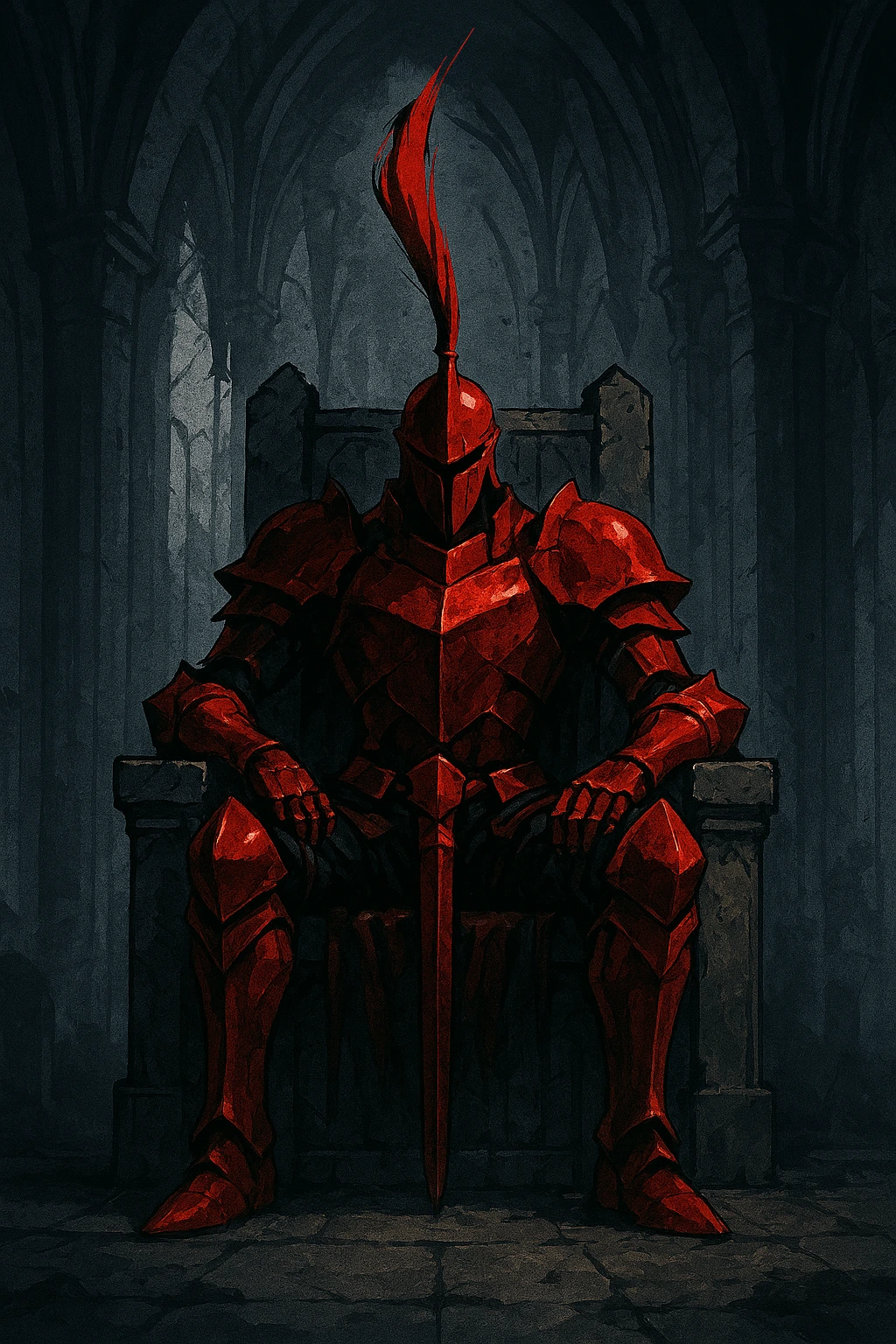
This ironic attachment stems from the “gap moe” (the charm of a contradiction) inherent in his design. Visually, he looks like a nightmare incarnate—a towering suit of blood-red armor with a glowing purple plume that screams “final boss.” Yet, his personality is that of a refined, overly polite butler. He is the silent guardian, the watchful protector who speaks through service rather than words. He doesn’t need to screech or boast to prove his worth; his presence alone is enough to shift the tide of battle, providing a comforting sense of security to both Jin-woo and the audience.
The Silent Guardian
Character design is not just about how a character looks; it is about how they occupy space and influence the scene. Beru occupies space through noise and expansion; he is everywhere, consuming everything, demanding attention. Igris, conversely, occupies space through gravity. When Igris enters a scene, the atmosphere shifts. It becomes solemn, heavy with the weight of his history.
Unlike the other shadows who retain much of their monstrous instincts—Iron is a brute who taunts enemies, Greed is arrogant and selfish—Igris retains his martial discipline. He represents the “Order” within the chaos of the Shadow Army. Even before he regained his ability to speak (a feature locked until he reached higher grades), his body language conveyed volumes. A courtly bow, a respectful tilt of the head, the precise way he cleans and sheathes his sword—Igris communicates deep respect and hyper-competence without ever uttering a syllable. This silence makes him feel more intelligent and observant than his screaming counterparts.
Visual Evolution: The Red to The Shadow
Igris’s visual journey is one of the most striking and symbolic in the series, reflecting his internal restoration.
- The Red Knight: When we first meet him in the Job Change Quest, he is vibrant, clad in crimson armor that signifies blood, vitality, and aggression. He is a living (or constructed) obstacle, vivid and undeniable against the gray backdrop of the dungeon. The red plume on his helmet is a beacon of danger.
- The Shadow Knight: Upon extraction, the vibrant red is subsumed by the Shadow Monarch’s black and blue (later purple) aesthetic. However, unlike other shadows who become pure, featureless silhouettes or smoky apparitions, Igris retains the distinct, solid shape of his armor. This suggests a strength of self that resists total assimilation.
- The Marshal: As he evolves, the armor becomes more ornate, featuring intricate engravings and darker plating. The cape grows longer and more ethereal, moving like liquid shadow. The plume on his helmet transforms into a flowing mane of shadow energy, resembling a trail of purple fire that follows his movements. This visual progression mirrors his restoration from a weakened summon back to his original glory as a Commander of Ashborn’s legion, regaining the majesty he held eons ago.
2. The Job Change Quest: The First Real Challenge
To understand the depth of Igris, we must return to where it all began: The Job Change Quest. This arc is the pivotal turning point of Solo Leveling, marking the transition of Sung Jin-woo from an assassin-type brawler relying on daggers to the absolute ruler of the dead, the Necromancer.
The Setting: The Empty Throne Room
The atmosphere of the Job Change dungeon was distinct from any instant dungeon Jin-woo had entered before. There were no wild beasts, no mindless ghouls scavenging for flesh. There were organized patrols of knights. Invisible assassins lying in ambush. Mages casting coordinated spells. It was not a monster den; it was a military stronghold.
The climax of this gauntlet takes place in a massive, desolate throne room. At the end of the hall sits an empty throne, a symbol of a kingdom without a king, and guarding it is a single entity: Igris the Bloodred.
The naming here is crucial. The system didn’t call him “Dungeon Boss” or “Armored Knight.” It gave him a proper name and a title. This was the first hint to Jin-woo and the reader that this creature was unique—an individual with a history. The emptiness of the throne room foreshadowed the vacancy of the Shadow Monarch’s seat—a seat Jin-woo was unknowingly auditioning to fill, with Igris acting as the final examiner.
The Duel: A Move-by-Move Breakdown
The fight against Igris remains one of the best-choreographed duels in the series because it was a battle of martial skill, not just a comparison of stat blocks.
- The Speed Blitz: Jin-woo, confident in his speed stats (having dumped almost all his points into Agility), attempts to blitz Igris, assuming the large knight will be slow. He is shocked to find Igris matching him step for step. This was the first time Jin-woo fought an enemy with Agility comparable to his own, forcing him to realize that speed alone was not a win condition.
- The Strength Gap: When their weapons finally clashed, Jin-woo was physically overpowered. Igris wasn’t just fast; he was heavy. His attacks carried the momentum and weight of a massive greatsword, yet he moved it with the finesse of a dagger. Every clash sent shockwaves through Jin-woo’s arms, chipping away at his stamina.
- The Cape: One of the most dynamic and intelligent elements of the fight was Igris’s use of his long cape. He didn’t just wear it for style; he used it as a tactical tool to obscure Jin-woo’s vision, hide his footwork, and create visual distractions. It showed that Igris possessed high combat intelligence and experience, using every asset available to him to control the flow of the duel.
The Handicap: The Birth of Chivalry
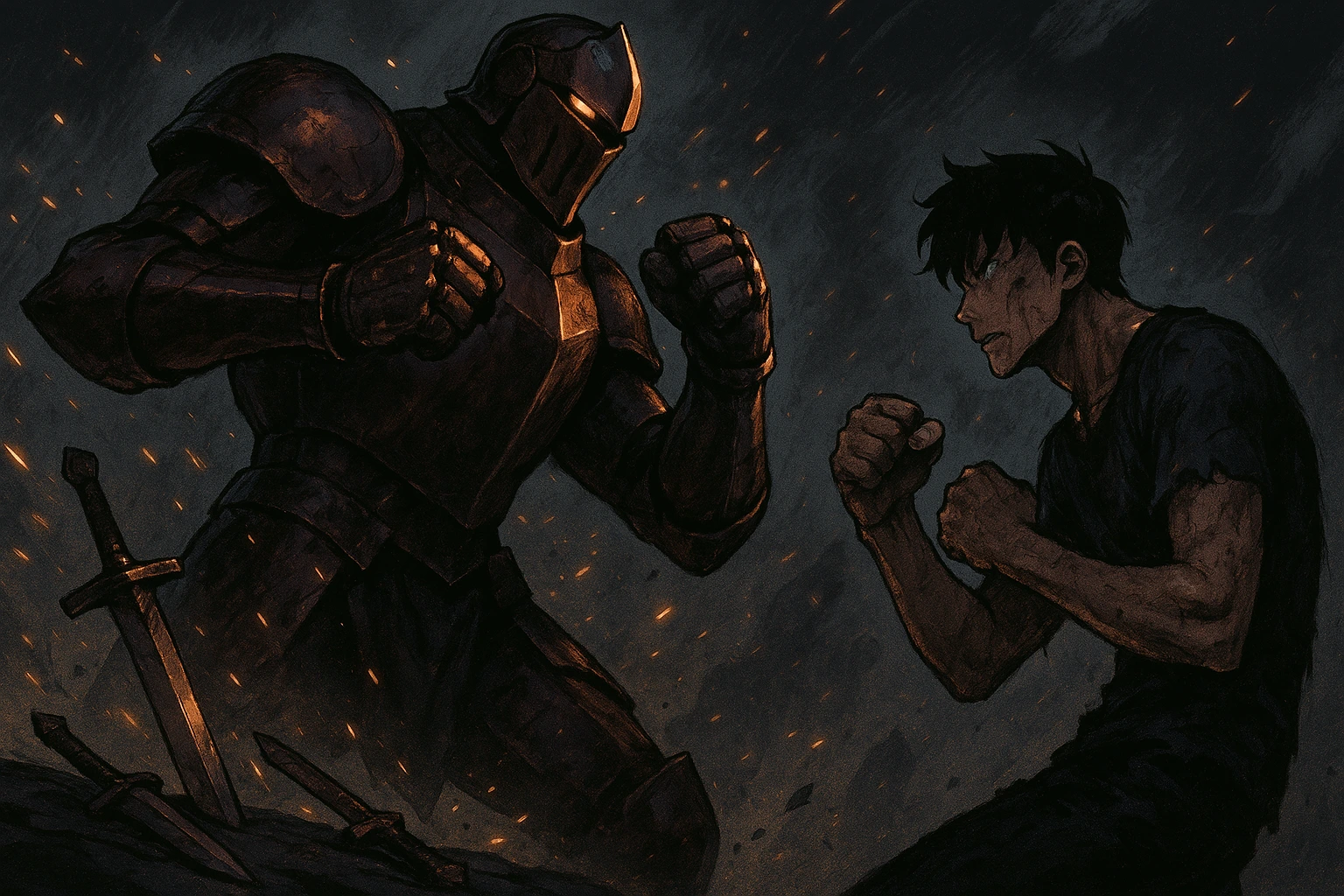
The defining moment of Igris’s character—the moment he won the fandom—happens mid-fight. Jin-woo, realizing his daggers (Kasaka’s Venom Fang) are failing to penetrate Igris’s thick plate armor, is forced to discard them. He decides to gamble everything on fighting with his bare hands and raw strength, hoping his armor-piercing passive skills will trigger.
A typical monster would take this opportunity to slaughter the unarmed human without hesitation. Igris did the opposite.
Seeing his opponent unarmed, Igris stopped his advance. He deliberately sheathed his greatsword, unbuckled his side daggers, and tossed his weapons aside. He raised his fists, adopting a brawling stance to challenge Jin-woo to a fair fight. This act of Chivalry stunned Jin-woo and the audience. It established that Igris was not a mindless program or a savage beast; he was a warrior with a strict code of honor. He didn’t just want to kill the intruder; he wanted to defeat him in honorable combat, proving his superiority on equal terms.
The Defeat: A Fluke and a King’s Authority
Ironically, Jin-woo didn’t win through honor. He won through desperation, grit, and a “dirty trick.” Overwhelmed by Igris’s superior hand-to-hand combat skills—which far outstripped Jin-woo’s self-taught brawling—Jin-woo was on the brink of death. In a last-ditch effort, he used the Ruler’s Hand (then called Dominator’s Touch) to telekinetically grab one of Igris’s discarded daggers and stab him through the eye slit of his helmet.
It wasn’t a clean win. It was a scrape. Jin-woo survived by the skin of his teeth, exploiting the very chivalry Igris had shown him. The victory was bittersweet, acknowledged by the system but tainted by the reality that purely in terms of skill and honor, the Knight was superior. This established a dynamic of respect: Jin-woo knew he had to grow to be worthy of the knight he had just defeated.
3. The Extraction: “Protect the Empty Throne”
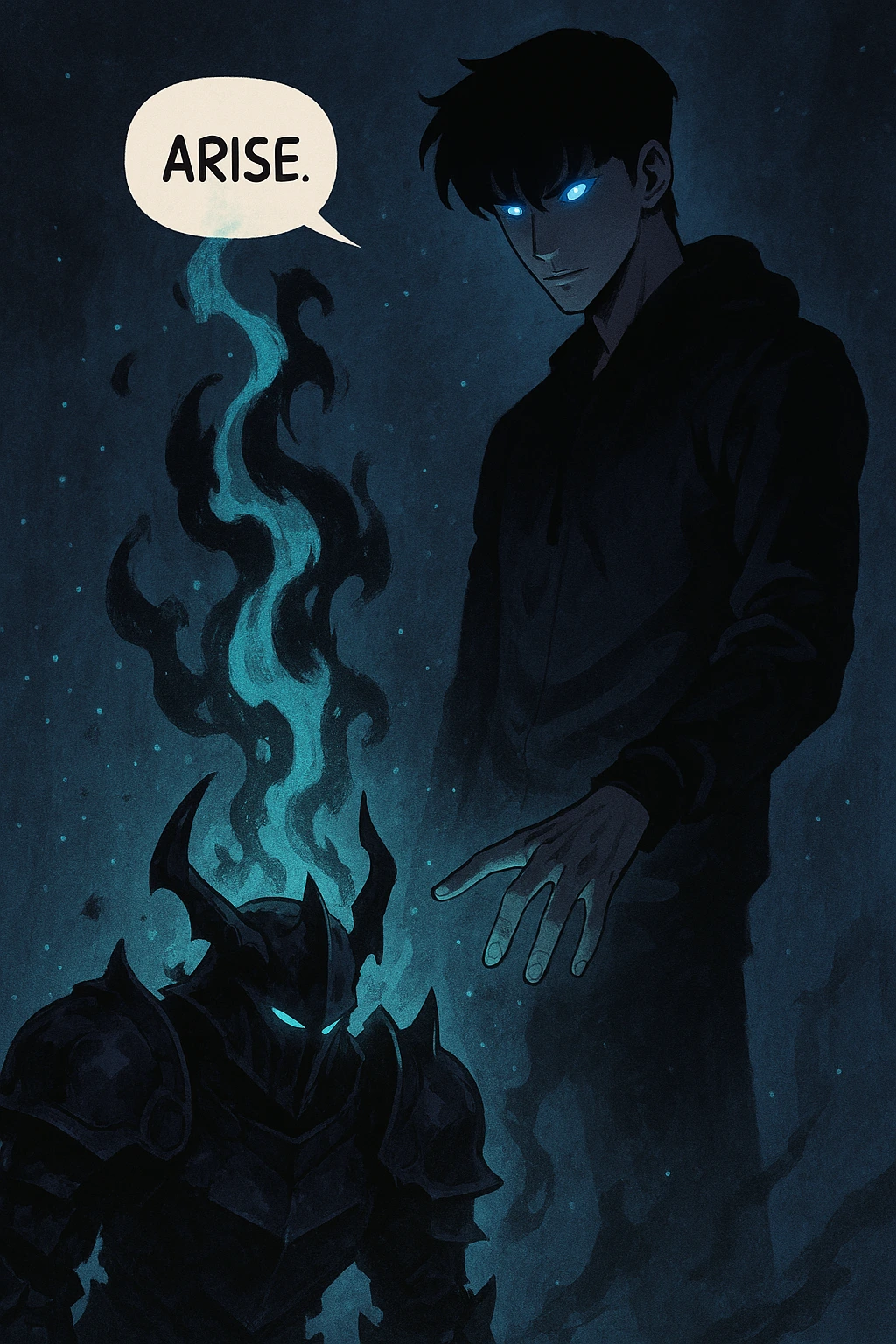
The death of the boss is usually the end of the encounter in standard dungeon breaks. For the Shadow Monarch, however, death is only the job interview.
The Struggle: The Will to Resist
When Jin-woo attempted to extract the shadow, he was met with unprecedented resistance, a mechanic he hadn’t encountered with the lower-level beasts.
- Attempt 1: “Arise.” ->
- Attempt 2: “Arise.” ->
The system messages indicated that the target’s “will to protect the throne” was overriding Jin-woo’s command. This is a fascinating narrative beat. Most monsters resist extraction out of rage, pride, or a desire to continue killing. Igris resisted out of duty. Even in death, his loyalty to his assigned mission—protecting the empty seat until the new Monarch arrived—was stronger than the metaphysical compulsion of death itself.
The Connection: The Warrior’s Plea
Jin-woo realized he couldn’t force this extraction with mana alone. He needed to appeal to the Knight’s nature. He spoke to the cooling corpse, not as a master commanding a slave, but as a warrior speaking to an equal.
Jin-woo reasoned with Igris: You fought to protect this throne. I have defeated you. Now, stop guarding an empty chair and protect me, the one who stands before you.
This logic—that the “King” had finally arrived and the wait was over—broke the stalemate. Igris didn’t submit because he was overpowered; he submitted because his watch had ended. The Master he was waiting for had finally proven himself capable. It was a consensual transition of loyalty from the symbol of the throne to the person sitting on it.
The Nerf: The Price of Resurrection
Upon extraction, Igris’s rank dropped significantly. He went from a Boss-tier entity to a Knight Grade (initially). This “nerf” is a mechanic of the Shadow Monarch class; shadows lose a portion of their power when brought back, as they no longer have the dungeon boost or their original physical bodies.
However, this set up one of the most satisfying progression loops in the story. We got to watch Igris grind his way back up. Every level he gained, every rank he ascended, felt earned because we knew what his “peak” looked like. He wasn’t just getting stronger; he was remembering who he used to be. It created a parallel journey between Jin-woo and his first Commander—both growing into their true power together.
4. Powers and Combat Style
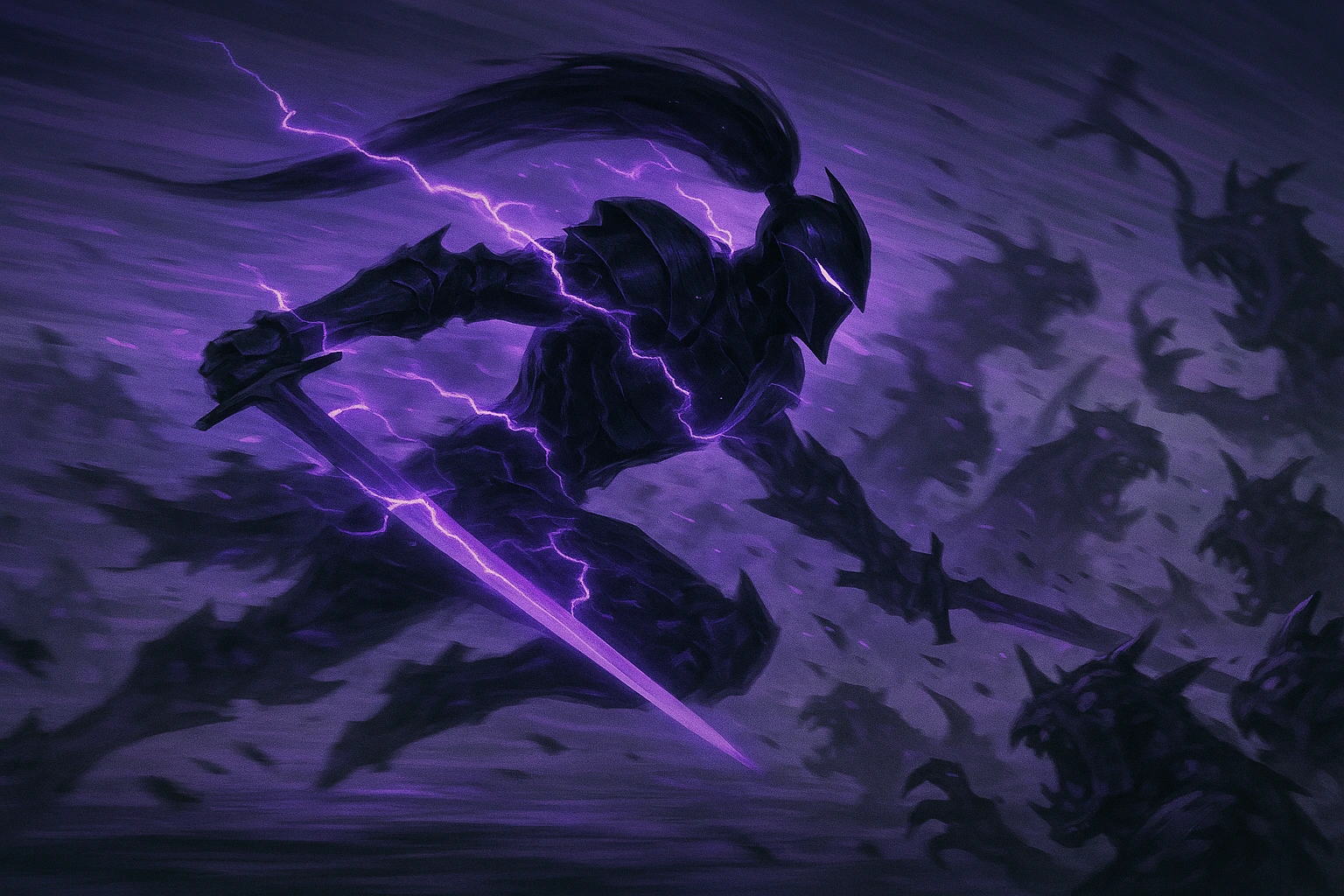
Igris represents the pinnacle of physical combat mastery within the Shadow Army. While others rely on gimmicks, explosive magic, or sheer size, Igris relies on flawless technique.
Swordsmanship: The Grandmaster
Igris is a master of all bladed weapons, capable of adapting to any battlefield range.
- The Greatsword: His primary weapon. He wields massive blades that would require two hands for a normal human with a single hand, using the momentum to cleave through multiple enemies at once. He understands spacing perfectly, keeping enemies at the very tip of his reach.
- Dual Wielding: He is equally proficient with dual longswords, turning into a whirlwind of slashes. In this mode, he sacrifices the heavy impact for overwhelming frequency of attacks, parrying enemy strikes while simultaneously countering.
- Precision: Unlike Beru, who rips and tears with animalistic fury, Igris dissects. His cuts are clean and surgical. He targets vital points—necks, joints, hearts. His fighting style is efficient, minimizing wasted movement to maximize lethality. He doesn’t play with his food; he ends the fight.
Dominator’s Touch (Ruler’s Hand)
A subtle but earth-shattering detail revealed later in the series is that Igris can use Telekinesis. During fights, he can recall his sword to his hand or manipulate objects to trip opponents.
Why is this significant? Because “Dominator’s Touch” is the signature ability of the Rulers (the angelic enemies of the Monarchs). Jin-woo can use it because he carries the seed of a Monarch who was once a Ruler. The fact that Igris can use a lesser version of this power hints at his ancient origins. He was not just a foot soldier; he was an elite who fought in the primordial wars where such powers were the norm. He shares a fundamental energy signature with Jin-woo himself, making their connection deeper than mere mana.
Lightning and Speed
While Iron is Earth/Defense and Tusk is Fire/Magic, Igris is often associated with Lightning and Storms (symbolically and visually). His attribute is pure, unadulterated speed. In the light novel, his movements are often described as “a streak of red lightning.” He possesses the ability to accelerate instantly, ignoring inertia. This makes him the perfect assassin-counter and the ideal bodyguard for interception—he can move from a standstill to killing speed faster than an enemy can blink.
The Cape: A Weapon and a Badge
We must return to the cape. In character design, a cape often signifies heroism or royalty. For Igris, it signifies rank and utility. As he evolves, the cape becomes part of his shadow biology. It is no longer just cloth; it is a prehensile limb of darkness. It can elongate to entangle enemies, harden to act as a shield against projectiles, or flutter to obscure his blade’s angle of attack. It adds a layer of unpredictability to his fencing, making him a nightmare to duel.
5. The Rivalry: The Ant vs. The Knight
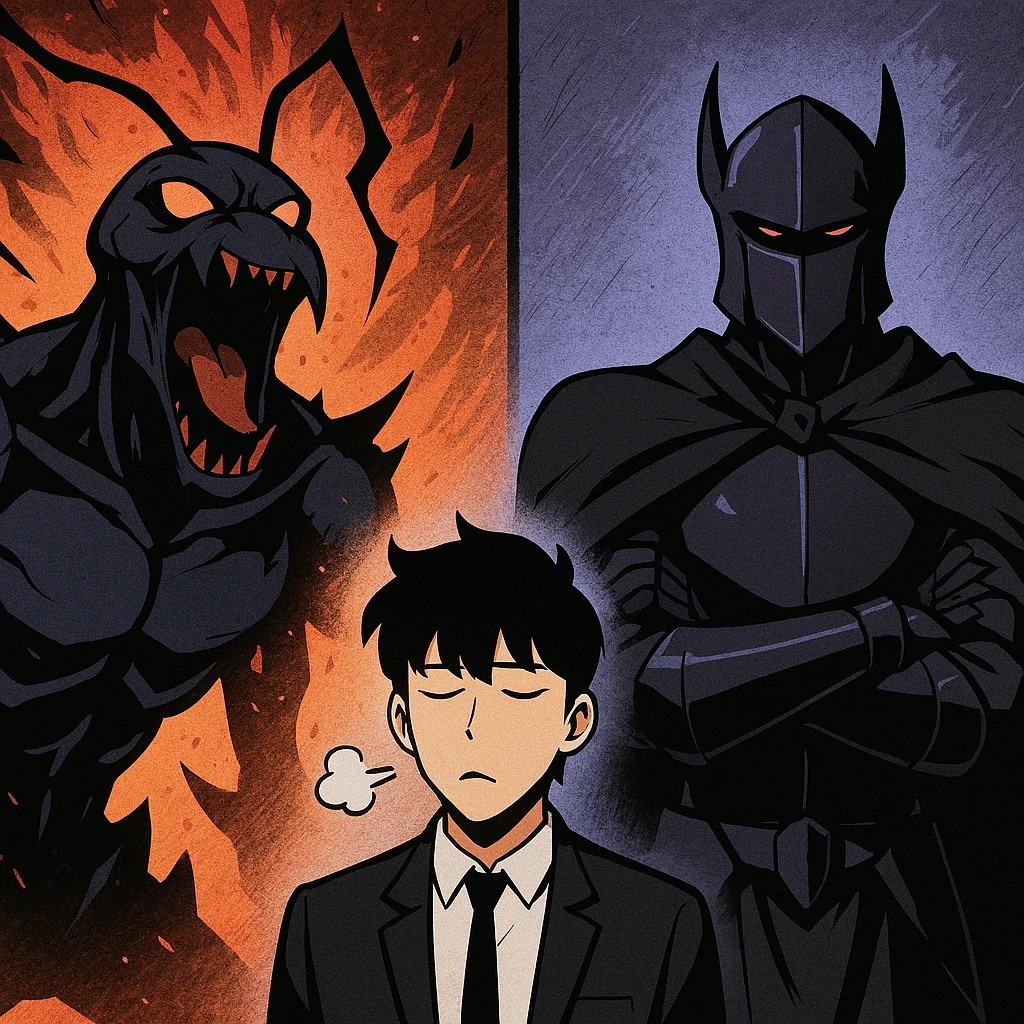
The dynamic between Igris and Beru is the comedic and thematic heart of the Shadow Army, providing levity amidst the darkness.
Beru’s Arrival: The Usurper
When Beru was extracted from the Jeju Island Raid boss, the power dynamic of the army shifted violently. Beru was objectively stronger. He was a General Grade immediately upon extraction (later Marshal). He had the power of the S-Rank Hunters he had eaten, along with flight, healing, and venom.
Suddenly, Igris was no longer the undisputed “strongest.” For the first time, we saw a glimpse of Igris’s competitiveness. He didn’t throw a tantrum; he just started working harder. We see him volunteering for more fights, pushing himself to clear waves faster, silently refusing to be outdone by the new insectoid arrival.
The Personality Clash
- Beru: Loud, theatrical, obsessive. He refers to Jin-woo as “My Liege” or “My King” with religious fervor. He loves historical dramas, mimics their archaic speech, and constructs elaborate castles of sand for his King.
- Igris: Silent, stoic, professional. He shows loyalty through service, not speeches. He is the butler to Beru’s fanatic.
This contrast leads to hilarious background moments. When Jin-woo praises Beru, Igris can often be seen in the background with his head down or radiating a gloomy, depressive aura. Conversely, when Jin-woo praises Igris, Beru screeches in jealousy, demanding attention. It humanizes these monsters, giving them a sibling-like rivalry that endears them to the reader.
The Grading System: Slaughter vs. Protection
Jin-woo eventually creates an internal mental separation for their roles, recognizing their unique strengths.
- Beru is the Sword of Destruction. If Jin-woo wants an army wiped out, a dungeon cleared in seconds, or pure chaos, he sends Beru. Beru is terror incarnate.
- Igris is the Shield of Royalty. When Jin-woo needs someone to protect his sister during the Orc crisis at the school, he sends Igris. Why? Because Beru might accidentally traumatize the students or eat the enemies in front of them, causing a panic. Igris is discreet. Igris is safe.
Leaving Igris with Jin-ah was the ultimate sign of trust. Jin-woo was effectively saying, “I trust you with the life of the person I love most in this world.” Igris repaid this trust by fighting until his body was nearly destroyed to keep her safe.
The Academic Struggle
One of the most charming side stories involves Igris’s desire to be useful outside of combat. Seeing Beru helping Jin-woo with mana crystals and dungeon management, Igris decides he needs to contribute more to his liege’s daily life. He attempts to study.
There are scenes (particularly in the side stories and epilogues) where Igris is seen reading books, trying to learn human language and general knowledge to serve as a better advisor. The image of a terrifying shadow marshal wearing reading glasses (metaphorically) and struggling with high school calculus or history books is a peak example of Solo Leveling’s humor, showcasing his earnest desire to be more than just a weapon.
6. The Lore Reveal: Servant of the Original Monarch
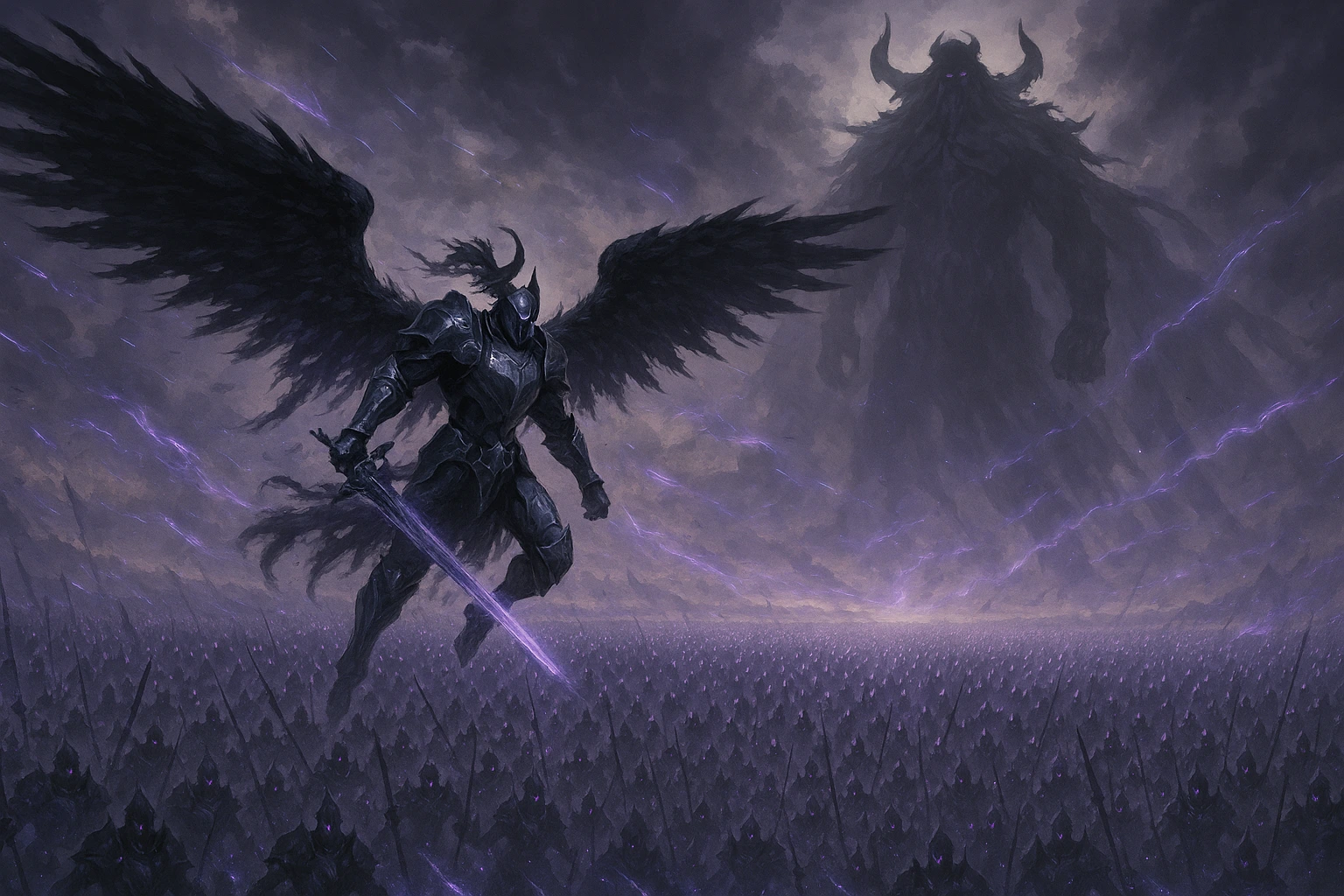
As the story transitions from a hunter fantasy to a cosmic war, the truth about Igris is finally revealed. He wasn’t generated by the System. He wasn’t a random monster spawned from a gate.
The Ancient Past
Igris is one of the original Shadow Soldiers who served Ashborn, the previous Shadow Monarch.
Millions of years ago, Ashborn was one of the Rulers, a brilliant being of light. When he fell and became the Shadow Monarch, he built an army from the dead. Igris was the commander of his “Wings”—his elite aerial and shock troops. The Igris we see is a veteran of a war that spanned dimensions, a being who has fought against dragons and gods long before humanity existed.
The Test
This recontextualizes the Job Change Quest entirely. The Architect (the creator of the System) needed to test if Sung Jin-woo was a suitable vessel for Ashborn’s immense power. Who better to administer the final exam than Ashborn’s most trusted lieutenant?
Igris was placed in that throne room on purpose. He was the gatekeeper. When he knelt to Jin-woo, it wasn’t just a monster submitting to a player who beat him. It was the Old Guard recognizing the New King. It was Igris acknowledging that Ashborn’s choice was correct, and that this human possessed the heart necessary to wield the power of death.
Restoration and the Black Heart
When Jin-woo fully merges with Ashborn and obtains the “Black Heart” (the full power of the Shadow Monarch), the limitations on the shadows are lifted. Igris regains his full memories and his voice.
The first time Igris speaks, it is a moment of immense gravitas. He confirms his history and pledges his sword once again, not to the System, but to Jin-woo personally. This completes his arc from a silent tool to a fully realized character with agency. He serves Jin-woo not because he is forced to, but because he chooses to, recognizing the same nobility in Jin-woo that he saw in Ashborn.
7. Evolution: From Knight to Marshal
Rank Progression
Watching Igris level up is one of the most satisfying “numbers go up” aspects of the series, as his appearance becomes increasingly majestic.
- Knight Grade: The base form after extraction. Stronger than an A-rank hunter, but weaker than an S-rank. He is formidable but limited.
- Elite Knight Grade: A significant jump. The armor becomes darker, the cape longer. He begins to solo A-rank dungeons, showing independence.
- Commander Grade: This is where he starts rivaling S-rank hunters and low-tier National Level threats. He gains the ability to command lower shadows effectively, organizing them into squads.
- Marshal Grade: The pinnacle. A Marshal can lead an entire army independent of the Monarch. Only a handful of shadows ever reach this state (Beru, Igris, Bellion). At this stage, Igris is a calamity capable of destroying cities.
Bellion’s Return: The Grand-Marshal
Towards the end of the series, the original Grand-Marshal of Ashborn’s army, Bellion, returns from the gap between dimensions with the original shadow legion.
This poses a dilemma for the hierarchy. Beru, ever the competitor, immediately challenges Bellion to a duel for the position of “Grand-Marshal” (Right Hand Man), refusing to accept a superior. Igris, however, does not.
Igris recognizes Bellion immediately. He knows Bellion’s strength and his seniority from the ancient wars. Igris steps back, content to serve as the Left Hand. This lack of ego is what makes Igris so dangerous and dignified. He doesn’t care about titles or glory; he cares about the mission. While Beru gets beaten up trying to prove he’s the best, Igris accepts reality and focuses on how best to serve Jin-woo alongside Bellion.
However, make no mistake—by the end of the series, Igris is a calamity in his own right. He is powerful enough to fight against the Monarchs of Destruction’s dragons. He could lay waste to nations single-handedly, yet he chooses to stand quietly behind his King.
8. Conclusion: The Sword of the Monarch
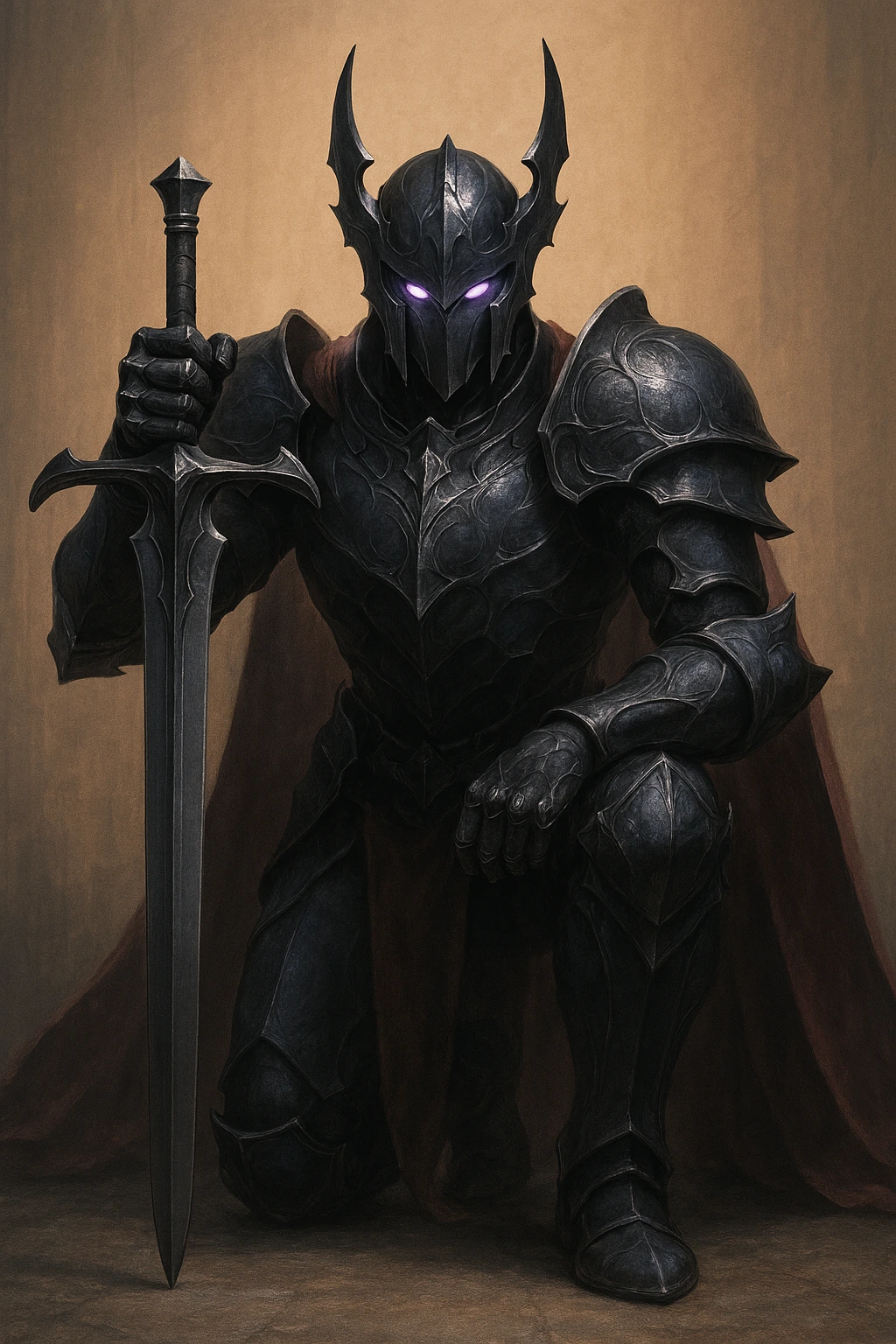
In a series dominated by power scaling, stats, and flashy skills, Igris the Bloodred stands out because of his Soul.
He is the archetype of the Chivalrous Knight perfected. He embodies the concept of Noblesse Oblige—strength comes with the obligation to act honorably. Even when he was a mindless puppet of the System in the Job Change quest, that spark of honor shone through when he dropped his sword, refusing to butcher an unarmed man.
Jin-woo trusts Igris more than any human hunter. He trusts him more than the Guild Masters, more than the Association Chairman. The bond they share is forged in the silence of the dungeons and the noise of the battlefield. It is a bond of mutual respect between two warriors who started with nothing and ascended to godhood.
Igris proves that the power of the Shadow Monarch is not inherently evil. While necromancy is often depicted as vile and desecrating, Igris gives it a regal aesthetic. He shows that the dead can possess more honor, dignity, and loyalty than the living.
From the empty throne room where he first tested a weak E-rank hunter, to the final cosmic battle at the edge of the universe, Igris remained constant. He is the first Shadow. The best Shadow. The Bloodred Commander who guards the empty throne no longer, for he has found his King.
And that is why, in the hearts of the fans and the lore of the world, Igris will always be the true “Best Girl” of Solo Leveling.
Key Takeaways for the Aniviewer
- Archetype: Igris deconstructs the “Death Knight” trope by adding layers of chivalry, humor, and genuine loyalty, moving beyond a simple minion role.
- Symbolism: He represents the transition of Jin-woo’s power from “Assassin” (dirty fighting) to “Monarch” (regal authority).
- Fan Appeal: The contrast between his terrifying appearance and his “golden retriever” loyalty creates a magnetic character dynamic that resonates with fans.
- Legacy: As one of Ashborn’s original wings, he serves as the connective tissue between the ancient history of the Monarchs and the present story of Sung Jin-woo, validating Jin-woo’s succession.
Igris is not just a summon; he is the standard by which all other loyalties are measured.