
In our last exploration of foundational anime archetypes, we delved into the Sensei Trope—the guiding light, the mentor who imparts wisdom and lays the groundwork for the hero’s potential.
A sensei provides the tools, teaches the techniques, and points the way. But while a teacher can show a student the path, they cannot walk it for them.
True growth, the kind that forges legends, requires more than just instruction; it requires pressure, challenge, and a relentless standard of excellence.
If the sensei is the architect who draws the blueprint for the hero’s strength, the rival trope is the relentless force of nature—the earthquake and storm—that tests the foundation to its absolute limits, forcing it to adapt or crumble.
This dynamic forges more than just an obstacle; it creates a mirror image of the hero, a constant force that pushes them beyond perceived limits and into the realm of legends.
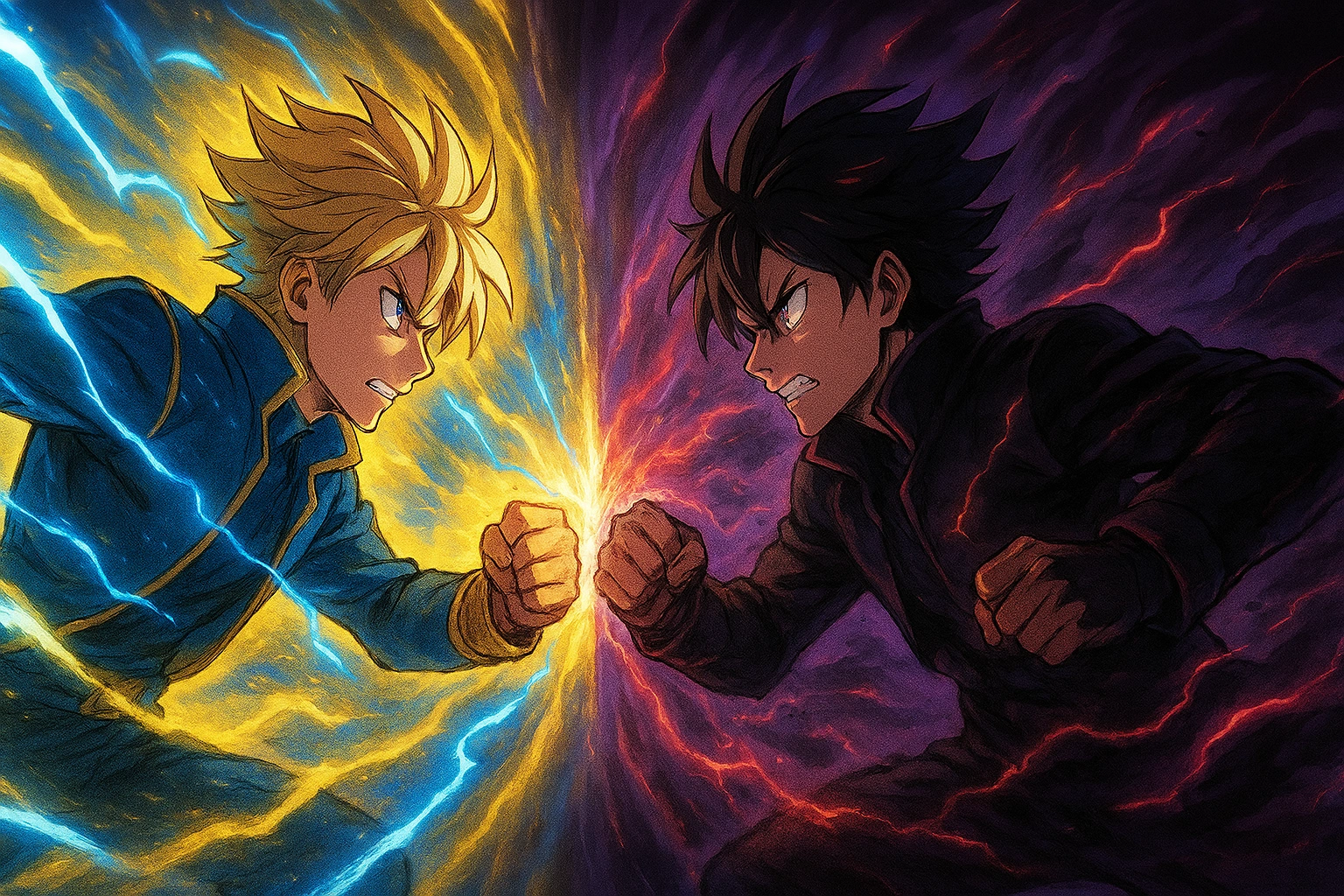
This article will deconstruct the intricate blueprint of the rival trope.
We will explore its fundamental definition, dissect the deep psychological mechanisms that make it so compelling, and examine its masterful execution in iconic anime narratives.
We will map the transformative journey a rivalry undertakes, identify its various archetypes, explore its world-altering impact, and ultimately prove why a worthy rival is not just a narrative convenience, but an absolute necessity for any hero’s journey.
Defining the Dynamic: What is the Rival Trope?
At its heart, the rival trope is a fundamental storytelling device centered on a character who actively competes with the protagonist.
This competition isn’t born from pure malice but from a shared goal—a title, a position of power, recognition, or the desire to be the absolute best.
The word “antagonist” itself derives from the Greek antagonistes, which translates to “opponent” or “rival,” hinting at a history where opposition was rooted in competition rather than pure evil.
This is the nuanced space where the rival thrives, existing in a gray area that is far more complex and engaging than simple black-and-white morality.
More Than a Villain: The Core Concept
A rival is not necessarily morally corrupt.
They can be a friend, a former ally, a teammate, or even a love interest.
What defines them is their relentless pursuit of something the protagonist also desires, creating a powerful current of competition that propels both characters forward.
Their actions might create obstacles for the hero, sometimes purposefully and sometimes unknowingly, but their existence is fundamentally about challenging the protagonist to improve.
The rivalry is built on a foundation of mutual recognition; each sees the potential and strength in the other, which is precisely what makes the competition meaningful.
This shared respect, even if begrudging, separates them from the one-dimensional villain who seeks only to destroy.
A villain sees the hero as an impediment to be removed; a rival sees the hero as the benchmark they must surpass.
The rival’s existence validates the hero’s struggle, providing a tangible measure of their progress and worth.
Without a rival, the hero’s journey can often feel solitary and unmeasured, lacking the external pressure that truly galvanizes their internal resolve.
The Rival vs. The Antagonist vs. The Villain: A Crucial Distinction
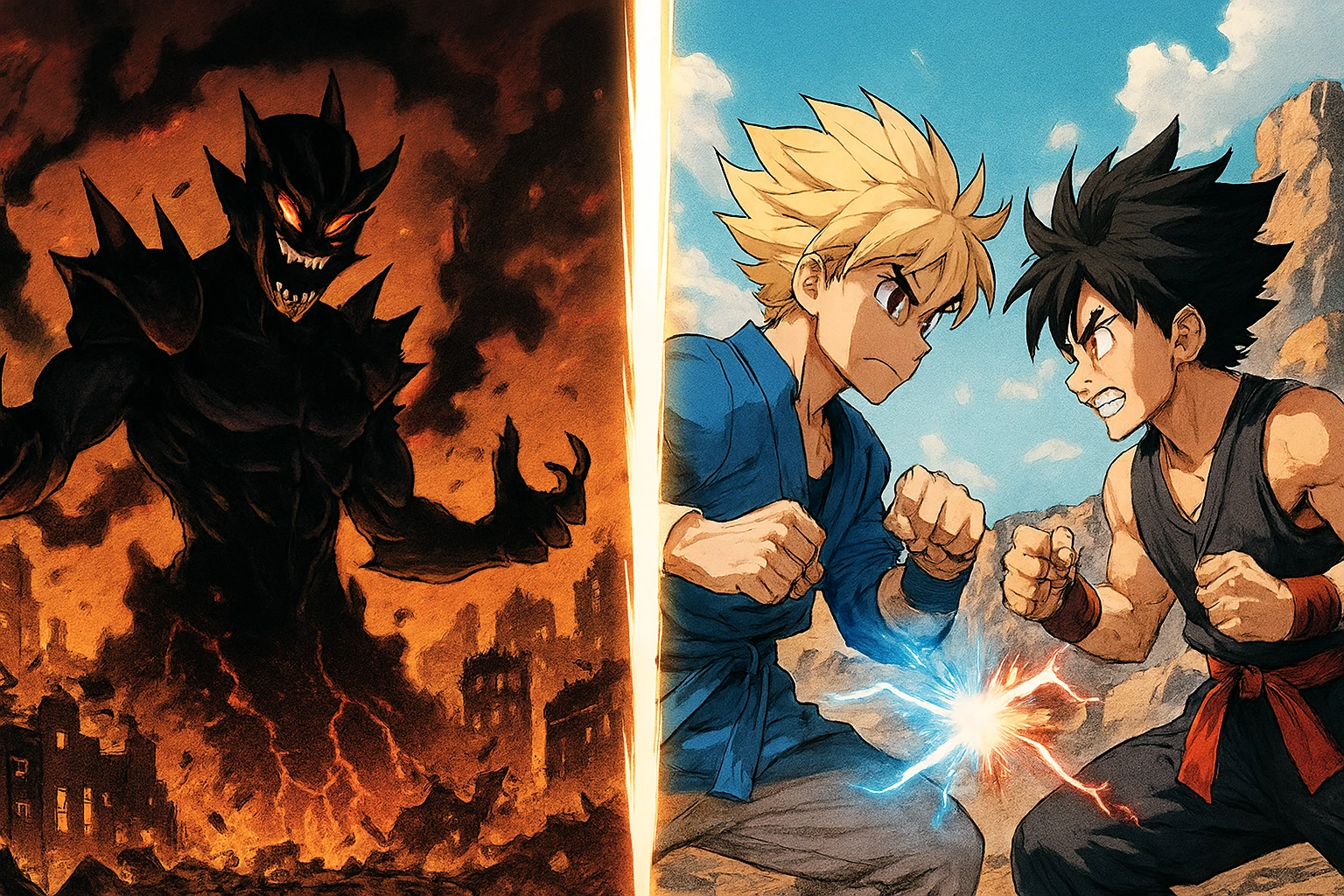
To fully appreciate the rival trope, it’s essential to distinguish it from its narrative cousins.
The villain is a character defined by their immorality or evil intent.
Think of Mahito from Jujutsu Kaisen, a cursed spirit who finds joy in human suffering and whose goals are antithetical to the very concept of humanity.
His opposition to Yuji Itadori is a clear clash of good versus evil. Mahito seeks to destroy Yuji’s spirit and the very notion of human compassion.
The antagonist is a broader term for any force that actively works against the protagonist’s goals.
This could be the Sibyl System in Psycho-Pass, a faceless, institutional force that serves as the primary obstacle, or even the harsh, unforgiving world in Attack on Titan.
These antagonists are roadblocks, but they are not necessarily evil in the traditional sense; they simply stand in the way of the hero’s objectives.
The rival, however, occupies a unique and more personal space.
Katsuki Bakugo from My Hero Academia is a perfect example.
He is an antagonist to Izuku Midoriya’s goals, but he is not a villain.
His desire is not to destroy Deku but to prove his own superiority and be the number one hero—the very same goal Deku has.
Their conflict is personal, competitive, and rooted in a shared dream, not a moral divide.
A rival wants to win, while a villain wants to destroy. A rival’s victory is meaningless without the hero to witness it, whereas a villain’s victory is defined by the hero’s absence.
This distinction underscores the nuanced respect inherent in a rivalry, even if it’s buried under layers of animosity.
The Psychology of Opposition: Why We’re Drawn to Rivalries
The magnetic pull of the rival trope isn’t just a matter of good writing; it’s deeply rooted in human psychology.
These relationships tap into fundamental cognitive and emotional processes that make their evolution from animosity to understanding incredibly compelling.
The Mind’s Battlefield

Several psychological mechanisms explain this fascination.
One is cognitive dissonance, the mental discomfort experienced when holding two conflicting beliefs.
This is a powerful engine for character development.
When Vegeta, who has built his entire identity on the ruthless pride of the Saiyan elite, is repeatedly saved by the low-class warrior Goku, it creates an intense internal conflict.
He believes Goku is his inferior, yet Goku’s actions prove his superiority in both power and character.
This dissonance forces Vegeta to violently re-evaluate his entire worldview, leading to his monumental character arc.
For the audience, this makes the rival feel less like a caricature and more like a complex, struggling individual whose internal battles are as compelling as their external ones.
Another key principle is the mere exposure effect, which suggests that the more time we spend with someone, the more we tend to like them, even if the initial interactions are negative.
Rivals are, by nature, in constant proximity. Think of Zoro and Sanji from One Piece.
Stuck on the same ship for years, their constant bickering and competitive squabbles are their primary mode of interaction.
Yet, this perpetual exposure forges an unbreakable, albeit unspoken, trust.
They understand each other’s strengths and weaknesses implicitly, a bond born not from friendly conversation but from the sheer volume of shared experience in life-or-death situations.
Their rivalry becomes a unique language of respect, a testament to the idea that familiarity can indeed breed fondness, even amidst insults and challenges.
Furthermore, the arousal-attraction theory posits that heightened physiological arousal from any source—including the anger, fear, and adrenaline of a fight—can be misattributed as attraction or a deep connection under the right circumstances.
The intense, heart-pounding moments of a battle between rivals create a powerful physiological response.
When the context shifts from combat to a moment of quiet vulnerability or shared relief, that lingering arousal can be subconsciously reinterpreted, forging a powerful, almost intimate bond that transcends simple friendship or animosity.
This explains the electric tension in many rival pairings, where the line between wanting to defeat and wanting to understand becomes beautifully blurred, leading to some of the most emotionally charged moments in storytelling.
Finally, the most profound psychological shift occurs through empathy and perspective-taking.
As a story progresses, the rival’s motivations and backstory are revealed, allowing the hero and the audience to understand why they are the way they are.
This is the cornerstone of the entire Naruto saga.
It is only when Naruto learns to understand the pain of others, like Nagato and Obito, that he can fully comprehend the depths of Sasuke’s suffering.
This ability to see his own loneliness and pain mirrored in his rival transforms their conflict from a simple competition into a deeply empathetic journey to save a soul.
This emotional resonance is what makes a rivalry truly unforgettable, connecting characters on a level that few other narrative devices can achieve.
The Shonen Proving Ground: Iconic Anime Rivalries
Nowhere is the rival trope more masterfully executed than in the world of shonen anime.
These stories, built on themes of self-improvement, perseverance, and the bonds of friendship, provide the perfect ecosystem for rivalries to flourish, acting as crucibles for character development.
Goku and Vegeta: The Gold Standard
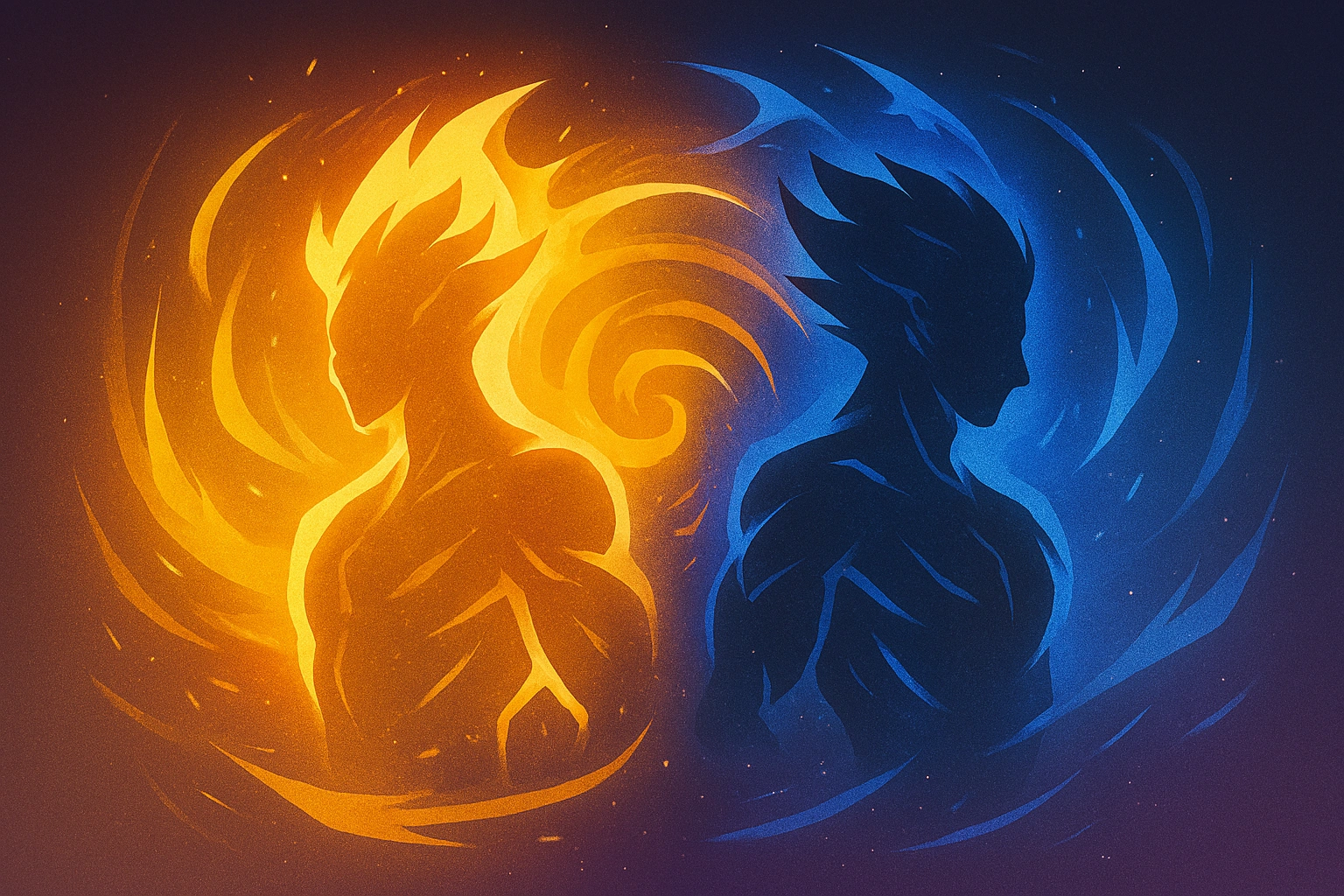
Considered by many to be the most iconic rivalry in anime history, the relationship between Goku and Vegeta from Dragon Ball Z is the blueprint upon which countless others have been built.
Their dynamic is a perfect study in contrasts. Goku is carefree, pure-hearted, and driven by the simple joy of testing his limits, often oblivious to the political power struggles that consume others.
Vegeta, on the other hand, is the proud Saiyan prince, consumed by a lust for power and vengeance, his every action dictated by an aristocratic arrogance and the crushing weight of his destroyed heritage.
Their long history of battles is directly tied to Vegeta’s monumental character arc. His transformation from a genocidal villain to a reluctant ally, and eventually a fierce protector of Earth and his family, is fueled entirely by his obsession with surpassing Goku.
The defining moment of his journey is not a victory, but a concession during the Buu Saga, where he finally admits to himself, “You are number one, Kakarot.”
This isn’t a statement of defeat, but of liberation—a release from the toxic pride that had defined him, allowing him to fight for others instead of just for himself.
This profound shift makes Vegeta one of the most beloved rivals in all of fiction.
Naruto and Sasuke: A Brotherhood Forged in Conflict
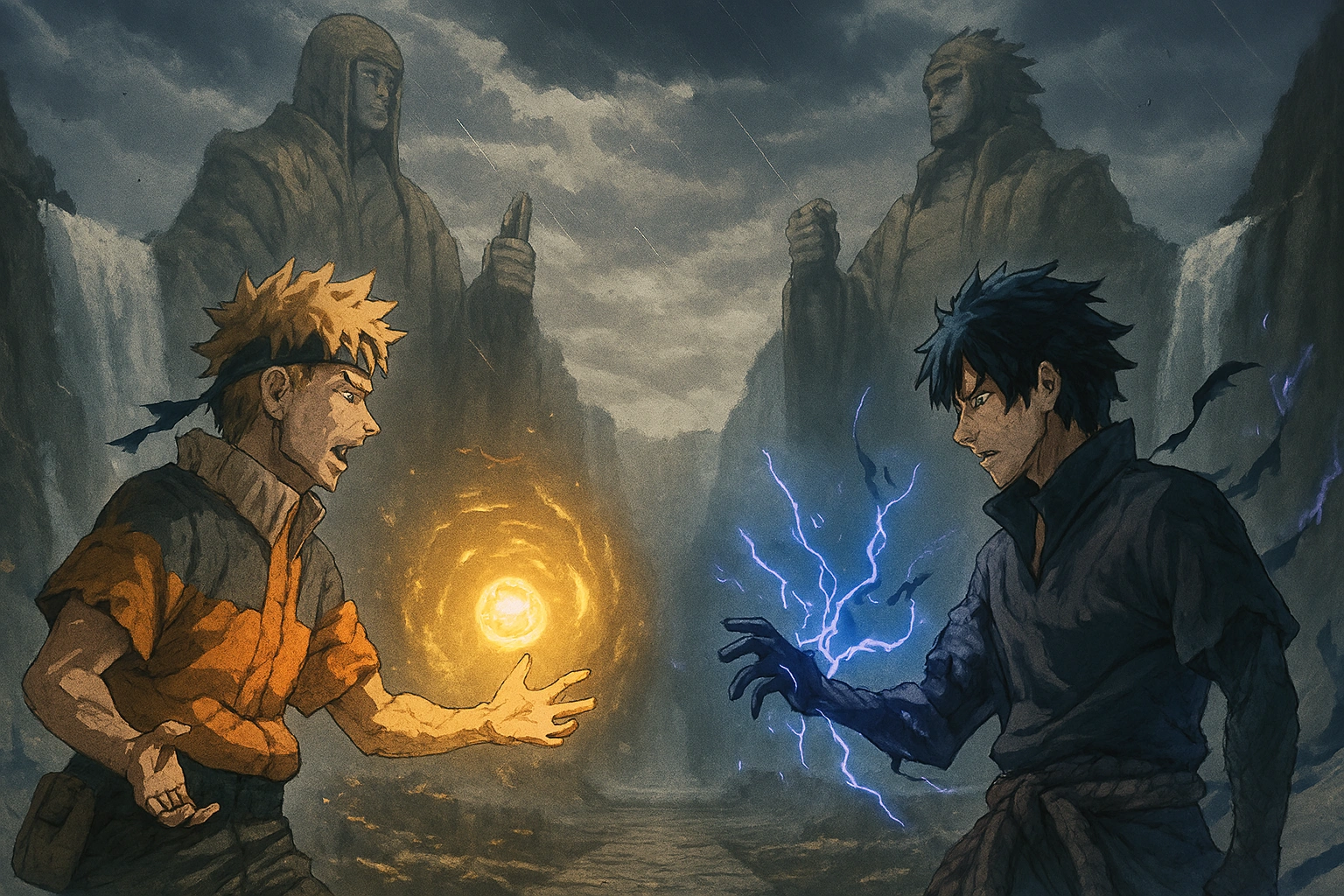
If Goku and Vegeta represent the gold standard, Naruto Uzumaki and Sasuke Uchiha from Naruto represent the emotional peak of the rival trope.
Theirs is a rivalry steeped in childhood trauma, shared loneliness, and a profound, almost brotherly bond.
They see themselves in each other’s pain in a way no one else can, which makes Sasuke’s descent into darkness all the more tragic.
Their rivalry drives the entire narrative, a philosophical war between two opposing ideals: Naruto’s belief that bonds with others create strength, and Sasuke’s conviction that they must be severed to achieve true power.
Their battles at the Valley of the End are symbolic clashes of these ideologies.
The statues of Madara and Hashirama, the founding rivals of their world, loom over them, framing their personal conflict as a cyclical, almost fated struggle that has defined their history.
Naruto’s unwavering pursuit of Sasuke, even as Sasuke spirals deeper into vengeance, exemplifies the theme that unwavering effort and connection can triumph over the destiny of hatred.
Izuku Midoriya and Katsuki Bakugo: A Modern Deconstruction
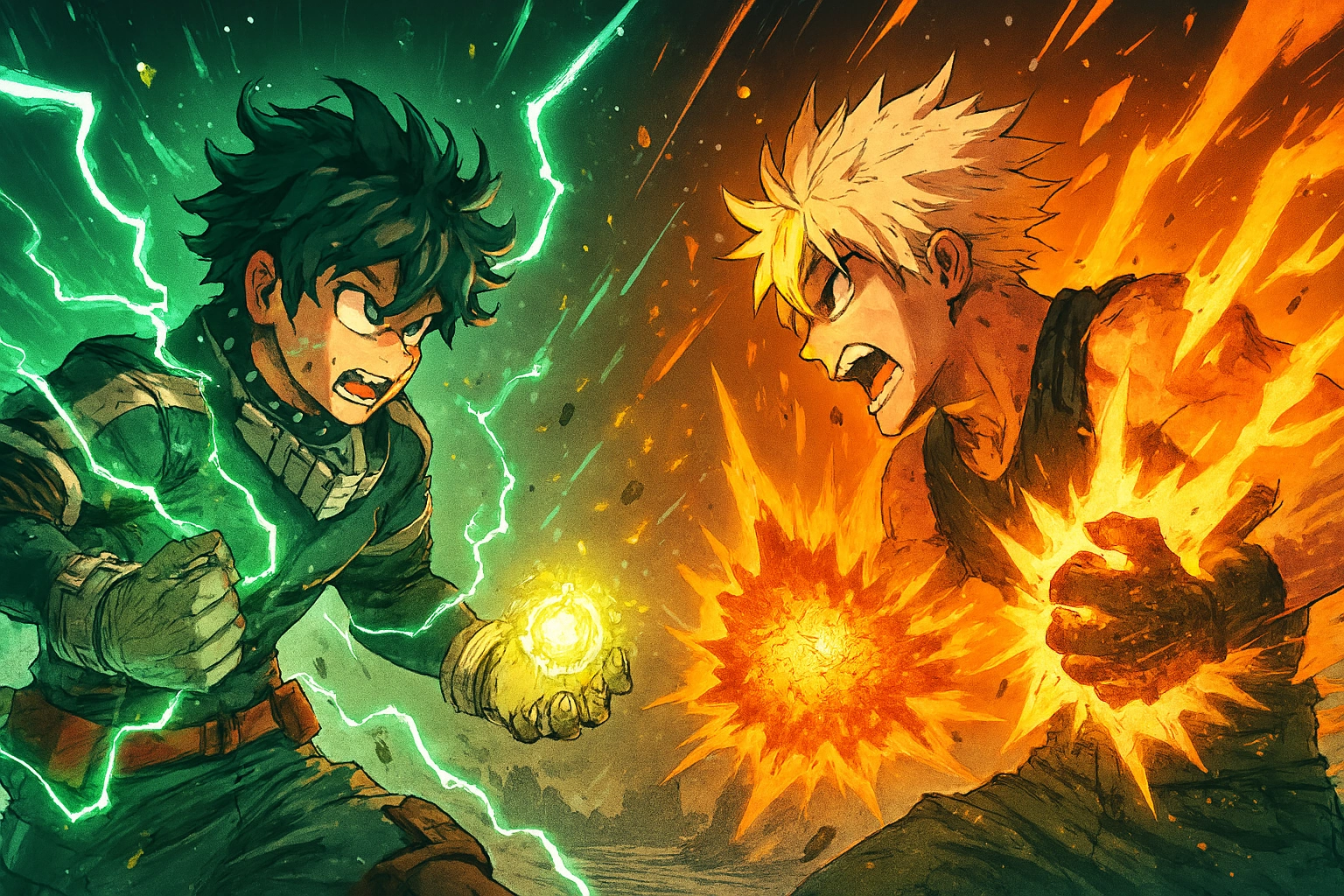
A more recent and complex iteration of the rival trope can be found in My Hero Academia with Izuku “Deku” Midoriya and Katsuki Bakugo.
Their rivalry deconstructs the classic formula by beginning not with mutual respect, but with a history of bullying.
Initially, Bakugo holds all the power with his flashy Quirk, while the Quirkless Deku is an object of scorn.
Their dynamic is completely upended when Deku inherits One For All. Suddenly, the boy Bakugo saw as a worthless pebble on his path begins to exhibit unimaginable power.
This role reversal is the engine of their rivalry.
Bakugo’s aggression is revealed to be a mask for deep-seated insecurity and a terrifying fear of being surpassed.
He doesn’t just want to be better than Deku; he needs to be, to validate his own sense of self-worth within a society that constantly ranks its heroes by their Quirks.
Their rivalry is a painful, explosive, yet ultimately constructive journey about confronting toxic pride and redefining what true strength means, pushing both characters toward a more genuine understanding of heroism.
Beyond Personal Growth: The Rivalry as a World-Shaping Force
The significance of the rival trope often transcends the personal development of the hero and their counterpart; it can be a force that shapes the very fabric of their world.
A legendary rivalry becomes a historical event, a foundational myth whose echoes dictate the politics, culture, and conflicts of future generations.
The most potent example of this is the story of Hashirama Senju and Madara Uchiha in Naruto.
Their rivalry was not just a personal struggle between two shinobi of immense power; it was an ideological war over the future of their entire civilization.
Hashirama, the idealist, envisioned a village where clans could coexist in peace, a dream born from the pain of losing his brothers to endless war.
Madara, the cynic twisted by loss, believed that true peace could only be achieved through absolute control and power.
Their personal conflict led directly to the creation of Konohagakure, the Hidden Leaf Village, the first of its kind, born from their shared aspiration but fractured by their differing methods.
Yet, their inability to fully reconcile their philosophies planted the seeds of future discord. Madara’s defection and eventual manipulation by Black Zetsu set in motion a chain of events that would lead to the Fourth Great Ninja War.
The rivalry between Naruto and Sasuke is a direct inheritance of this foundational conflict, a generational echo of the same struggle between hope and cynicism, cooperation and domination.
In this way, the rival trope becomes a tool for epic world-building, showing how the personal choices and unresolved conflicts of two powerful individuals can carve the destiny of millions, shaping not just characters, but entire eras.
Their story serves as a cautionary tale and an enduring legend that defines the very essence of their world.
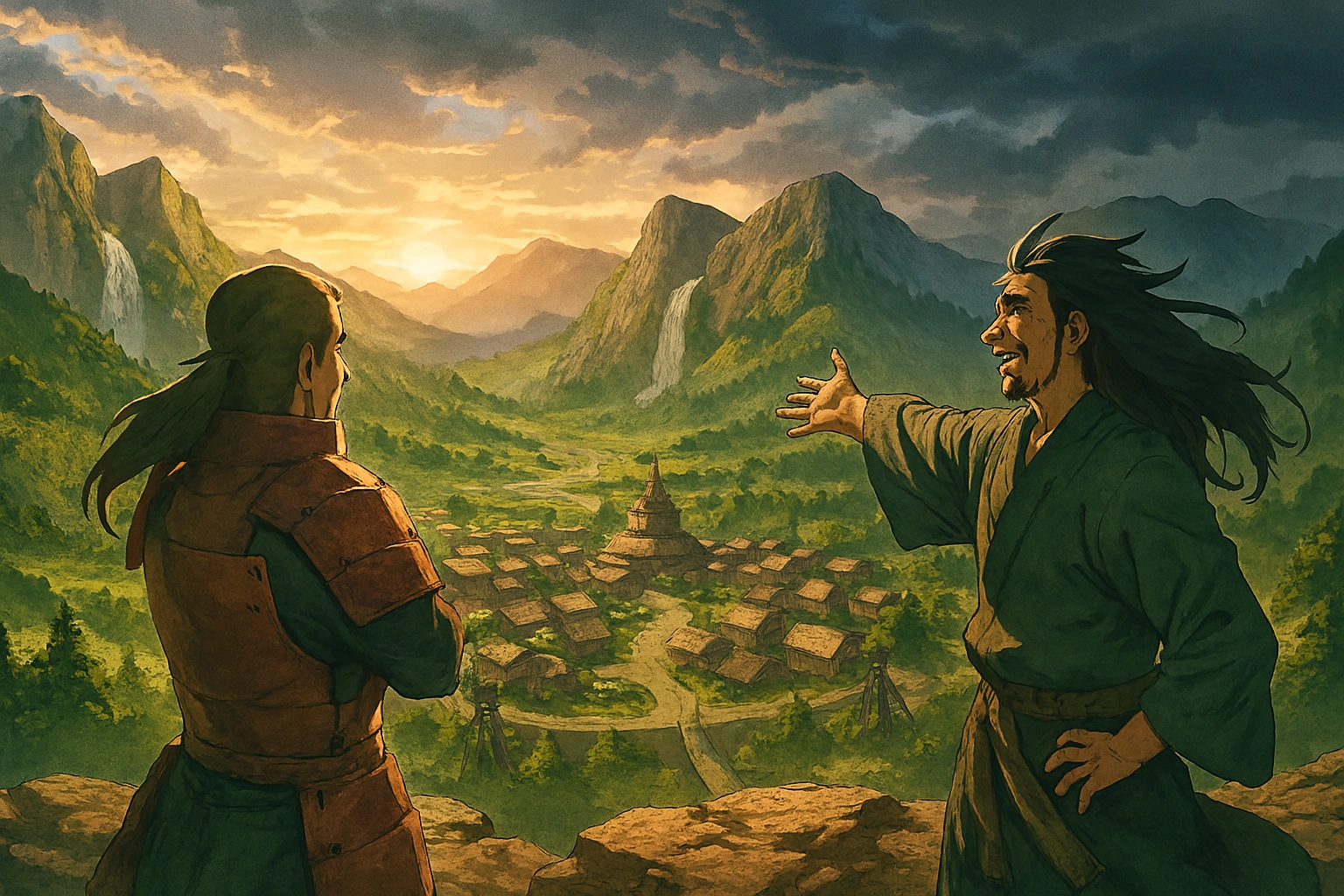
The Narrative Architect: The Storytelling Benefits of a Rival
A well-crafted rival is a vital structural component of the story.
They are not merely a character but a narrative device that serves multiple functions to enhance plot, deepen themes, and ensure audience investment.
The Engine of Growth: Character Development
First and foremost, rivals are catalysts for growth.
They present a clear benchmark that the protagonist must strive to overcome, preventing stagnation.
This ensures that the protagonist is never static; they must constantly evolve or be left behind.
Each confrontation with a rival acts as a trial, pushing the hero to innovate, to break through their limits, and to discover strengths they never knew they possessed.
This dynamic ensures the hero’s growth feels earned and impactful.
Weaving the Narrative Thread: Plot and Tension
Rivalries are a natural source of conflict, the very lifeblood of an engaging plot.
The drawn-out struggle for supremacy provides a clear narrative throughline, creating subplots and personal arcs that can sustain a series for hundreds of episodes.
The inherent tension of a rivalry keeps audiences invested, always wondering who will win the next clash, and what new challenges their competition will bring.
This sustained conflict provides narrative direction and focus, preventing the story from becoming aimless.
A Mirror to the Soul: The Rival as a Foil

In literary terms, a rival often functions as a foil.
By presenting an alternative path, the rival helps to more sharply define who the hero is and what they stand for.
The rival is a living embodiment of what the hero could have become if they had made different choices or succumbed to their darker impulses.
Overcoming the rival, therefore, is not just a physical victory but a psychological one, representing the hero’s integration and mastery of their own inner darkness.
This internal struggle, projected onto the external conflict, adds incredible depth to the hero’s journey.
The Anatomy of a Rivalry: A Five-Stage Transformation
The evolution from enemy to ally, or at least to mutual respect, is a gradual process that can be broken down into several distinct stages, forming the structural anatomy of the rival trope.
The journey begins with the initial conflict stage, where battle lines are drawn and animosity is established. First impressions are often harsh, fueled by misunderstanding or direct competition for a shared prize.
This is followed by a stage of forced proximity or cooperation, where external circumstances compel the rivals to interact despite their animosity, such as being assigned to the same team or facing a common, greater enemy.
This leads to the re-evaluation stage, where spending time together causes the characters to question their first impressions.
They might witness an unexpected act of vulnerability, honor, or skill from their rival, challenging their preconceived notions and slowly chipping away at their prejudice.
After this comes the tension stage, an unresolved period where the characters are caught between old hostility and new, burgeoning feelings of respect or camaraderie.
This is often the most dynamic and emotionally rich phase, filled with internal conflict and charged interactions.
Finally, the process concludes with the resolution stage, where the rivalry reaches a new equilibrium.
This might manifest as a formal partnership, a solid friendship, or a deep, unspoken mutual respect, often involving acts of forgiveness, redemption, and a shared understanding that transcends their initial competition.
The Many Faces of Competition: Rival Archetypes
The rival trope is not monolithic, manifesting in various archetypes, each bringing a different flavor of conflict to the story.
There is the nemesis, the most direct opposition who actively wants the hero to fail and constantly looks for opportunities to sabotage them.
Their rivalry is often fueled by deep-seated hatred or a desire for revenge.
A different kind is the competitive rival, the classic figure who wants the same thing as the protagonist and is driven by a fierce spirit to prove they are better.
They aren’t necessarily evil, but their ambition often clashes with the hero’s, creating high-stakes contests.
We also see the joker, a clever and witty rival whose pranks and antics get both themselves and the hero into trouble.
They challenge the hero to think on their feet, to lighten up, or to see the absurdity in their serious pursuits.
Lastly, there is the psychic, the arrogant know-it-all who believes they can predict every outcome and challenges the hero’s judgment, forcing them to trust their own instincts and sometimes prove the “psychic” wrong through sheer willpower.
These diverse archetypes ensure that the rival trope remains fresh and engaging across countless narratives.
Building the Perfect Rival: The Essential Ingredients
For the rival trope to be effective, it must be built on a solid foundation with several essential ingredients.
A key requirement is age and talent proximity; rivals should be relatively close in these areas so the competition feels earned rather than a battle against unfair experience.
This ensures the hero’s victory is a testament to their growth, not merely overcoming an insurmountable gap.
There must also be active competition, meaning the rival consistently pushes the hero and matches their intensity, ensuring both must improve.
This continuous challenge keeps the hero on their toes and prevents stagnation.
Another vital component is a shared history, which provides narrative depth and makes their interactions more meaningful for the audience.
This history can be a source of past wounds, shared dreams, or formative experiences that bind them.
The rivalry must also maintain a sense of equal footing; the dynamic breaks down if one character becomes too strong or too weak, removing the tension and making the conflict feel trivial or unfair.
Finally, there must be a balance of similarity and difference.
The rivals should share enough common ground to be relatable to each other but have enough differences in personality, ideology, or methods to create the friction that keeps their relationship dynamic and compelling.
This ensures they can both understand and challenge one another in profound ways.
Conclusion: The Indispensable Other Half
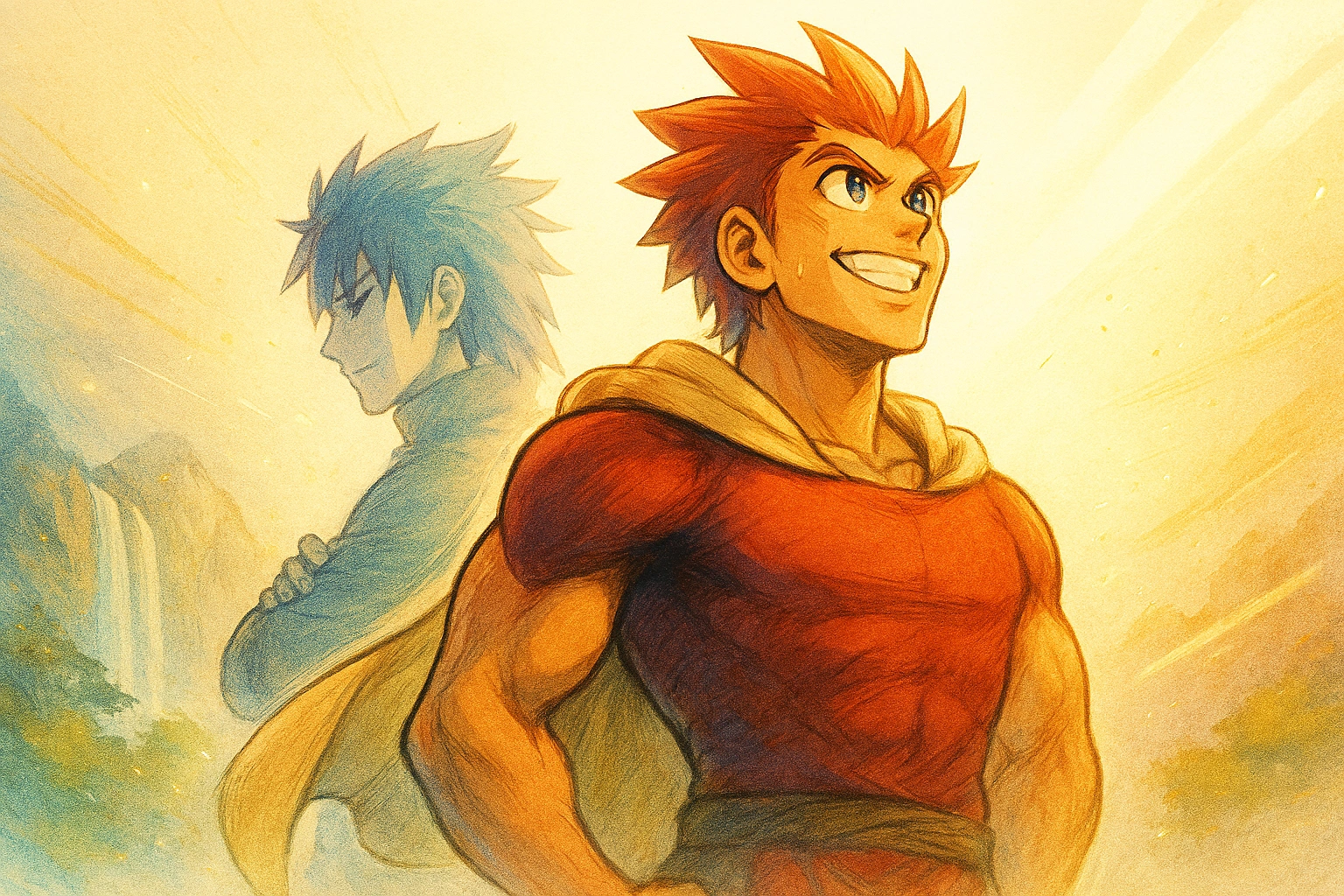
The rival trope is far more than a simple storytelling cliché. It is a sophisticated blueprint for exploring the very nature of human ambition, growth, and connection.
A rival provides the hero with something a friend or a mentor cannot: a relentless, inescapable standard against which they must measure themselves.
They are the whetstone that sharpens the hero’s blade, the storm that tests the strength of their roots, and the shadow that defines their light. They are not merely an opponent; they are a partner in the hero’s creation.
They force the hero to confront their weaknesses, to fight for their ideals, and to earn their victory through unwavering effort.
In the end, the rival is not just an enemy to be defeated, but an indispensable other half of the hero’s own journey.
Without them, the hero’s triumphs would feel hollow, their growth would be stunted, and their story would be incomplete.
Every hero, to truly become a legend, needs that one person who forces them to become the very best version of themselves. They need a rival.
Your Turn: Who is Your Ultimate Rival?
The world of anime is filled with legendary rivalries, each with its own unique flavor and impact.
Now, I want to hear from you. Who do you believe is the most iconic rival in anime history?
Is there a lesser-known rivalry that you feel deserves more recognition for its complexity and impact on character development?
Drop your thoughts in the comments below, and if this analysis resonated with you, don’t hesitate to share it with a fellow fan who appreciates the intricate art of character creation.
The beauty of these stories lies in the intricate relationships that shape our heroes. Until the next analysis, keep watching and keep wondering.