
Introduction: The World Between Worlds
the paths attack on titan.
The Architecture of Eternity
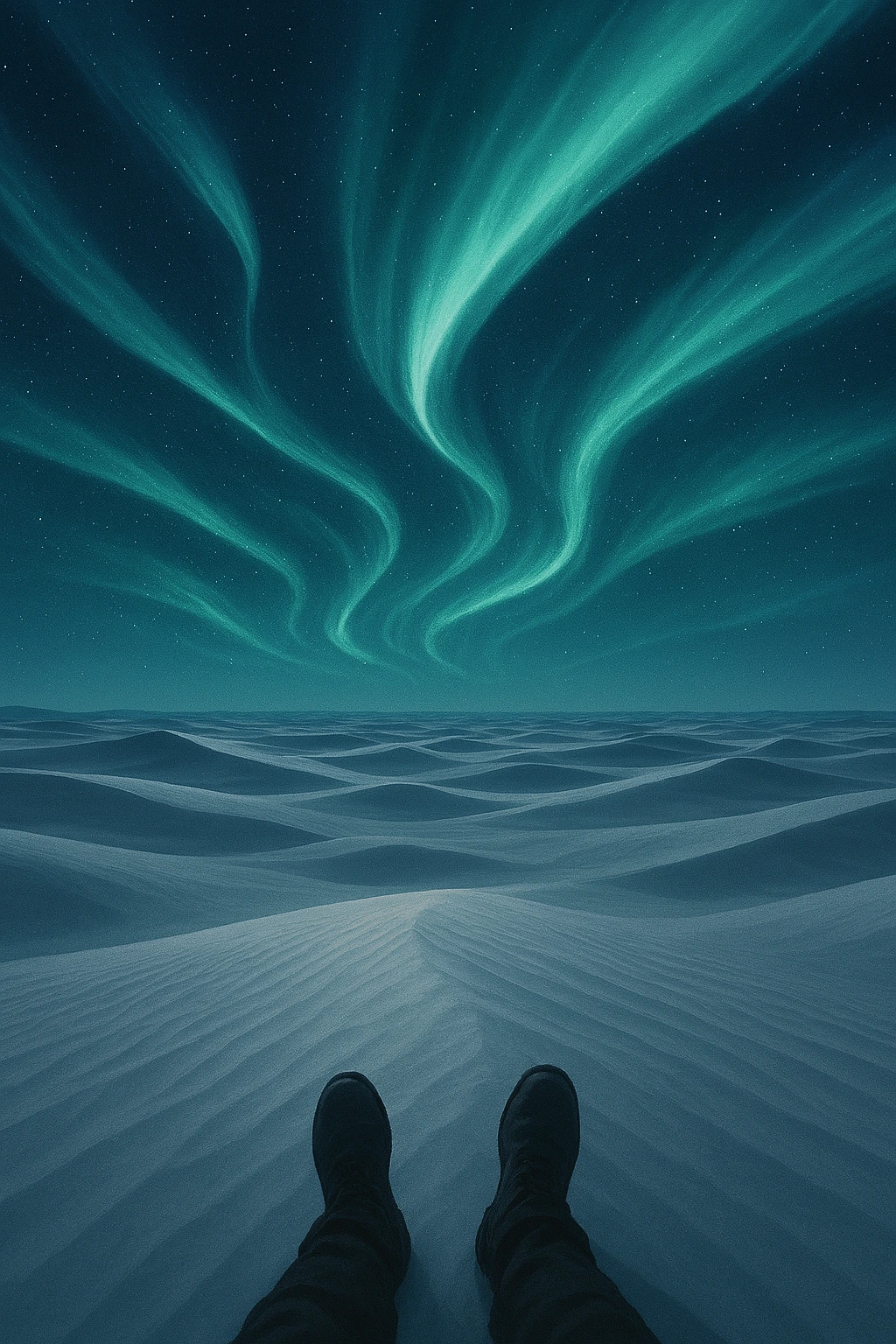
Imagine a place where the sky is draped in an eternal, silent aurora—a tapestry of shifting light that illuminates a desert of endless, pale sand. There is no sun, yet there is light. There is no wind, yet the sand shifts.
This is a realm stripped of the chaotic noise of the living world, a vacuum where biology meets divinity. In the center of this infinite expanse stands a pillar of light, branching out into the heavens like a massive, glowing neural network.
This is “The Paths.”
For the vast majority of Attack on Titan‘s runtime, the Paths were a myth, a vague concept mentioned in hushed tones by those who inherited the power of the Titans. It was an abstract idea—an invisible connection.
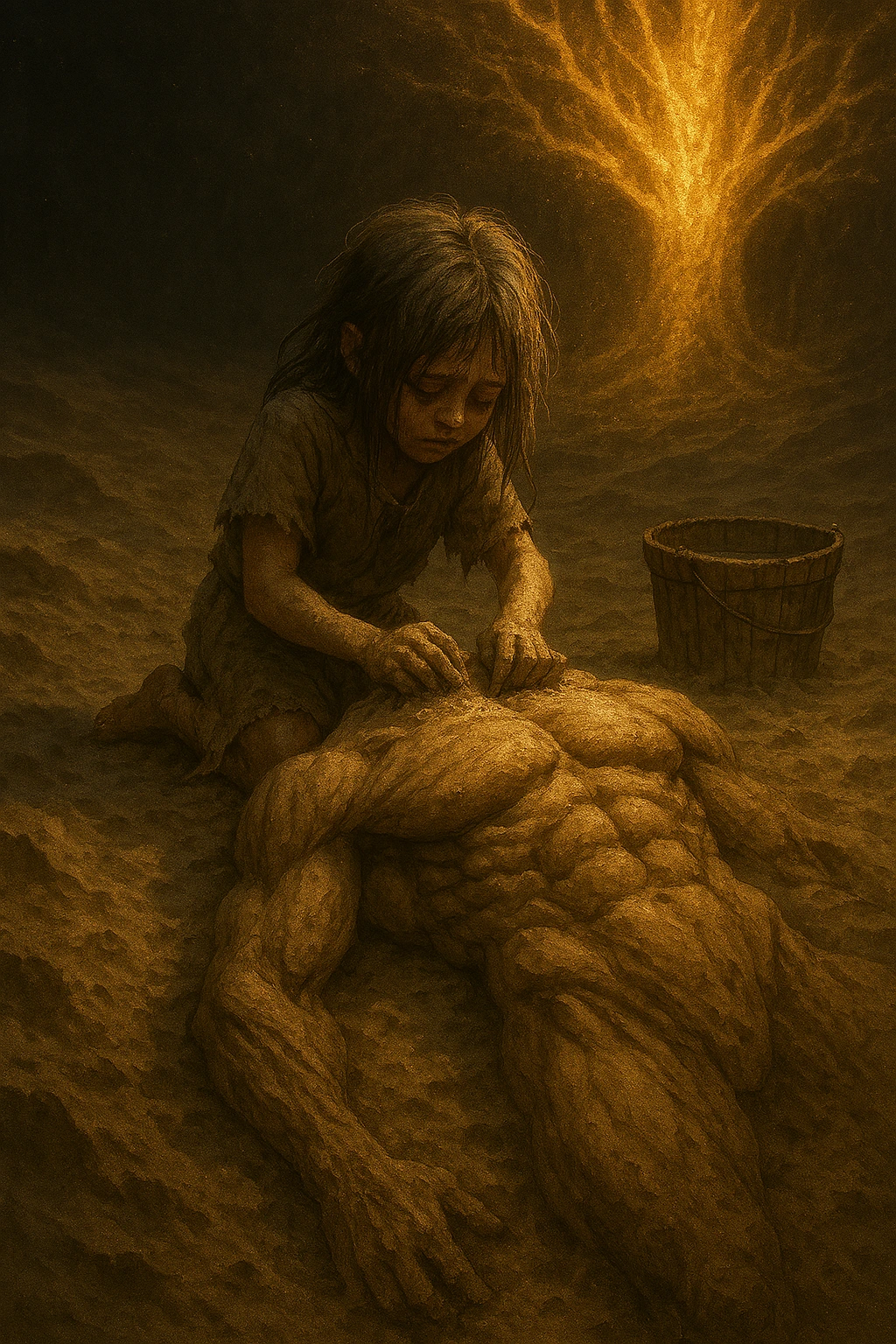
But when the narrative finally pulled back the curtain, we didn’t find a heaven or a hell. We found a workshop. We found a lonely girl with a bucket and a pile of dirt.
The revelation of the Paths transformed the series from a high-stakes war drama into a metaphysical tragedy. It recontextualized the entire history of the Eldian race, suggesting that their collective existence was not just a biological curiosity, but a singular, shared consciousness trapped in a ghost dimension.
The Nervous System of History
The thesis of this analysis is that the Paths are not merely a “magical dimension” convenient for plot progression. Rather, they represent the physical manifestation of the collective consciousness of the Eldian race—a literal nervous system of history itself.
In many fantasy stories, magic is atmospheric. It is a soft force that exists in the ether. In Attack on Titan, magic is structural. The Paths act as a server room for the Eldian people. Every memory, every scream, every transformation, and every death is data processed through this central hub. It is a place where “an instant is eternity,” allowing for the processing of infinite information in the blink of an eye in the material world.
The Roadmap
To understand the ending of Attack on Titan, one must understand the mechanics of this realm. It is the stage for the story’s most crucial conflicts—not battles of swords and Thunder Spears, but battles of will and philosophy.
In this comprehensive blueprint, we will dissect the anatomy of the Coordinate. We will analyze the impossible physics of the dimension, the terrifying implications of the “Tree of Life,” and the paradox of the Attack Titan’s foresight.
We will explore how Eren Yeager utilized this dimension not just to command an army, but to script his own life, turning the timeline itself into a weapon. We will journey into the desert to understand why, in a world fighting for freedom, the most powerful place in existence is a cage.
The Mechanics of the Dimension
The Tree of Life: Yggdrasil Reimagined
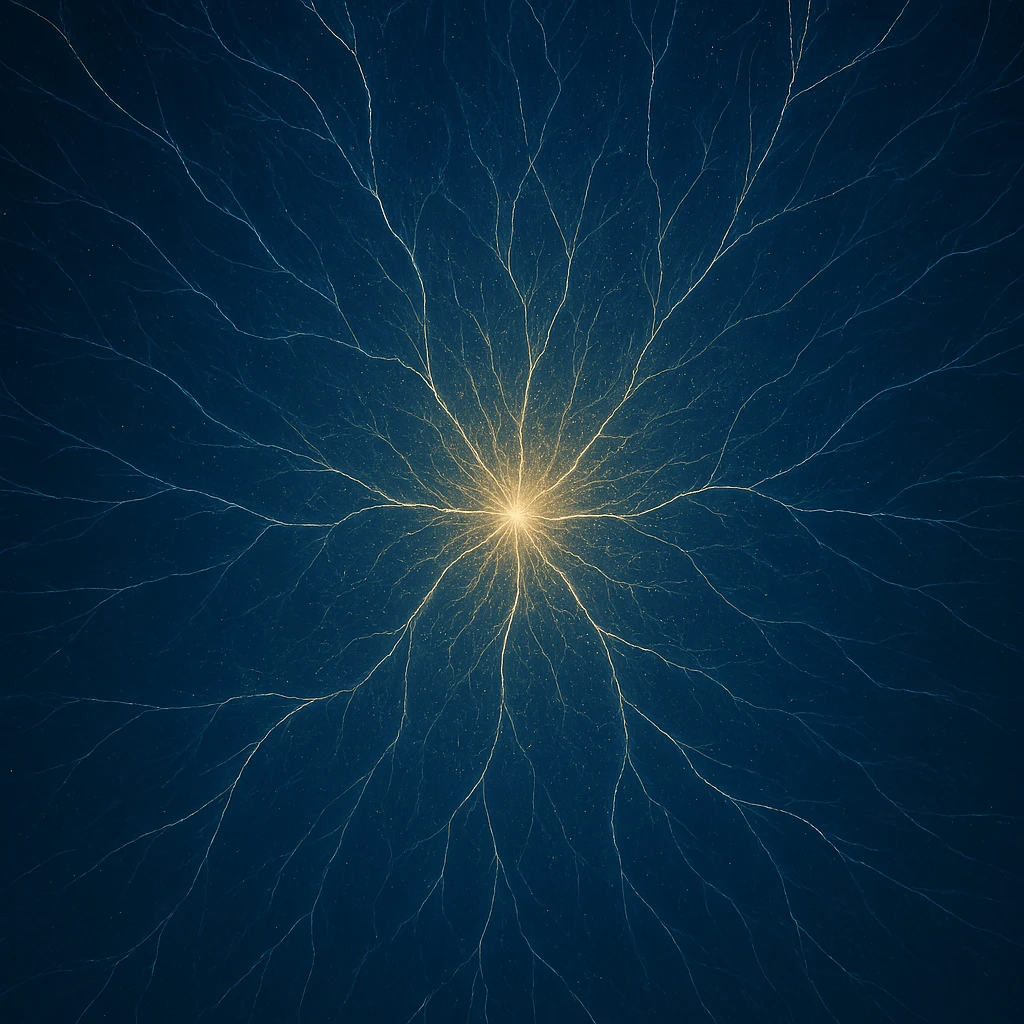
Dominating the horizon of the Paths is the Coordinate, visually represented as a massive tree of light. This imagery is a direct invocation of Yggdrasil, the World Tree of Norse mythology, which connects the nine realms of existence. However, Isayama’s interpretation is far more biological and sinister.
The trunk of the tree represents the Founding Titan—the original source. From this trunk, nine major branches diverge, representing the Nine Titans. From those branches, millions of smaller tendrils splinter off, each one connecting to a living Subject of Ymir. This visual confirms a horrifying truth: no Eldian is truly an individual. They are all leaves on the same tree, fed by the same root system.
This “Tree” is not static. It grows. As the Eldian population expands, the branches multiply. When a Subject of Ymir dies, does their branch wither? Or does the data remain? The presence of “ghosts” or memories of the deceased suggests that the tree is an archive. Nothing is ever truly deleted; it is simply archived in the lower branches, accessible only to those with the clearance to look.
The Sand: The Labor of Creation
Perhaps the most disturbing revelation about the Paths is the sand. When we first see Ymir Fritz, the Founder, she is a ragged child sculpting a Titan out of the earth. She carries water in a bucket, mixes the clay, and meticulously builds the body.
This redefines Titan transformation. In the real world, a transformation is explosive, instantaneous, and visceral. Lightning strikes, and flesh manifests from thin air. But the Paths reveal the “backend” of this process. Every time a shifter bites their hand, or a pure Titan regenerates a limb, Ymir is in the Paths, building it by hand.
Because time in the Paths is infinite, she might spend days, years, or centuries sculpting a single Colossal Titan body, detailing every muscle fiber and bone. Once she is finished, that body is sent to the physical world instantly. To the observer in Shiganshina, it takes a second. To Ymir, it is an eternity of slave labor.
The sand represents potential matter. It is the “clay” of creation. It implies that Titans are not magical constructs but earthy ones, built from the soil of a dimension that sits outside of standard physics. This adds a layer of cosmic horror to every Titan fight in the series. Every regeneration is the result of a child’s enslaved toil in a timeless purgatory.
No Death, No Time: The Physics of the Void
The rules of our reality do not apply here. The most prominent deviation is the flow of time. We see this most clearly when Zeke Yeager is blown apart by a Thunder Spear. He is on the verge of death, his body destroyed. Yet, he wakes up in the Paths. Ymir rebuilds him, molding sand into organs and flesh, reconstructing his body from the inside out.
Zeke later remarks that it felt like he was there for years, yet in the real world, mere moments had passed. This time dilation is crucial. It is what allows Eren and Zeke to travel through Grisha’s entire life without missing the battle in Shiganshina.
This mechanics serves a vital narrative function: it allows for “The Talk.” In many action series, characters must shout their philosophies over the clash of swords because they don’t have time to sit down. In Attack on Titan, the Paths provide a “Time Out” button on reality.
The world pauses, allowing the protagonist and antagonist to have a complete, uninterrupted dissection of their worldviews before the final blow is struck. It elevates the conflict from physical to ideological.
Furthermore, death is a foreign concept here. Bodies can be maimed, as seen when Ymir is “killed” in the real world but awakens here, but the consciousness persists. It suggests that the Paths are a form of digital immortality—a cloud server where the user’s profile remains active even after the hardware is destroyed.
The Coordinate: The Intersection of All Memories
The Connection: A Hive Mind Architecture
The Coordinate is often described as the point where “all paths cross.” If the Paths are the internet, the Coordinate is the root server with administrator access. This intersection explains the phenomenon of “memory inheritance.”
In the Attack on Titan universe, consuming a spinal fluid is not just a biological act; it is a data download. Because every Subject of Ymir is connected to the tree, the consumption of a Titan shifter allows the new user to access the “folder” of the previous user. The Coordinate facilitates this transfer. It is the pipeline through which personality, will, and trauma flow.
This creates a terrifying lack of privacy within the Eldian soul. Armin Arlert, after eating Bertholdt, begins to feel Bertholdt’s sorrow and affection. Porco Galliard sees his brother’s final moments through Ymir’s (the Jaw Titan) memories.
The Coordinate ensures that history is never lost, but it also means that the dead never truly leave the living. They are hitchhikers in the minds of their successors, influencing their emotions and decisions.
The Screams: Biological Absolutism
The power of the Founding Titan, executed through the Coordinate, is absolute biological sovereignty. We see this when Zeke screams, turning those with his spinal fluid into Titans. We hear about it in history, when an ancient King Fritz allegedly altered the biology of all Eldians to make them immune to a devastating plague.
This power is terrifying in its scope. The Founder can rewrite the genetic code of an entire race instantly. They can alter memories, change bone density, remove reproductive ability (Zeke’s Euthanasia Plan), or unleash massive amounts of heat.
This elevates the Founder above a typical “King.” A King controls laws and taxes. The Founder controls the very cells of their subjects. This total dominion is the thematic core of the conflict: How can there be freedom when one person holds the remote control to your biology? The Coordinate represents the ultimate tyranny—the tyranny of the flesh.
The Ghost in the Machine
Throughout the final arcs, we see visual manifestations of deceased characters. Hange sees the fallen Survey Corps members after her sacrifice. Connie feels Sasha’s hand on his shoulder. Levi sees his comrades in the steam.
Are these real ghosts? Or are they data projections?
Given the nature of the Paths as a repository of consciousness, it is highly probable that these are not “souls” in the religious sense, but preserved consciousnesses within the Coordinate. If the Paths connect all Subjects of Ymir, past and future, then the “data” of Erwin Smith or Sasha Braus exists eternally within the tree.
When characters see their fallen comrades, they are likely accessing that archived data through their connection to the Paths. It suggests a form of secular afterlife—they aren’t in heaven looking down; they are in the network, watching through the eyes of the living. This makes the “dedicate your hearts” motto literal. Their hearts (wills) are literally dedicated to the collective stream of the Paths, driving the survivors forward.
The Attack Titan & The Time Paradox
The Unique Power: Transcending the Flow
Among the Nine Titans, the Attack Titan (Shingeki no Kyojin) has always been described as the one that “moves forward for freedom.” But for centuries, its true ability was hidden. While the Founder controls space and matter (the Paths and Titans), the Attack Titan controls Time.
Specifically, the Attack Titan can see the memories of its future inheritors.
This is a complete inversion of the standard Titan power (seeing the past). This mechanic changes the genre of the story. It reveals that every Attack Titan user in history—Eren Kruger, Grisha Yeager—was not acting on their own free will. They were acting on memories sent back to them by the final holder: Eren Yeager. They were moving forward because Eren was pulling them forward from the future.
The Grisha Manipulation: A Masterclass in Horror
The scene where Eren and Zeke travel through Grisha’s memories is the turning point of the series. It deconstructs the character of Grisha Yeager. We originally thought Grisha was a ruthless patriot who murdered the Reiss family for the mission.
The Paths reveal the truth: Grisha was a broken man. He couldn’t do it. He dropped the knife. He was a doctor who saved lives; he couldn’t slaughter children.
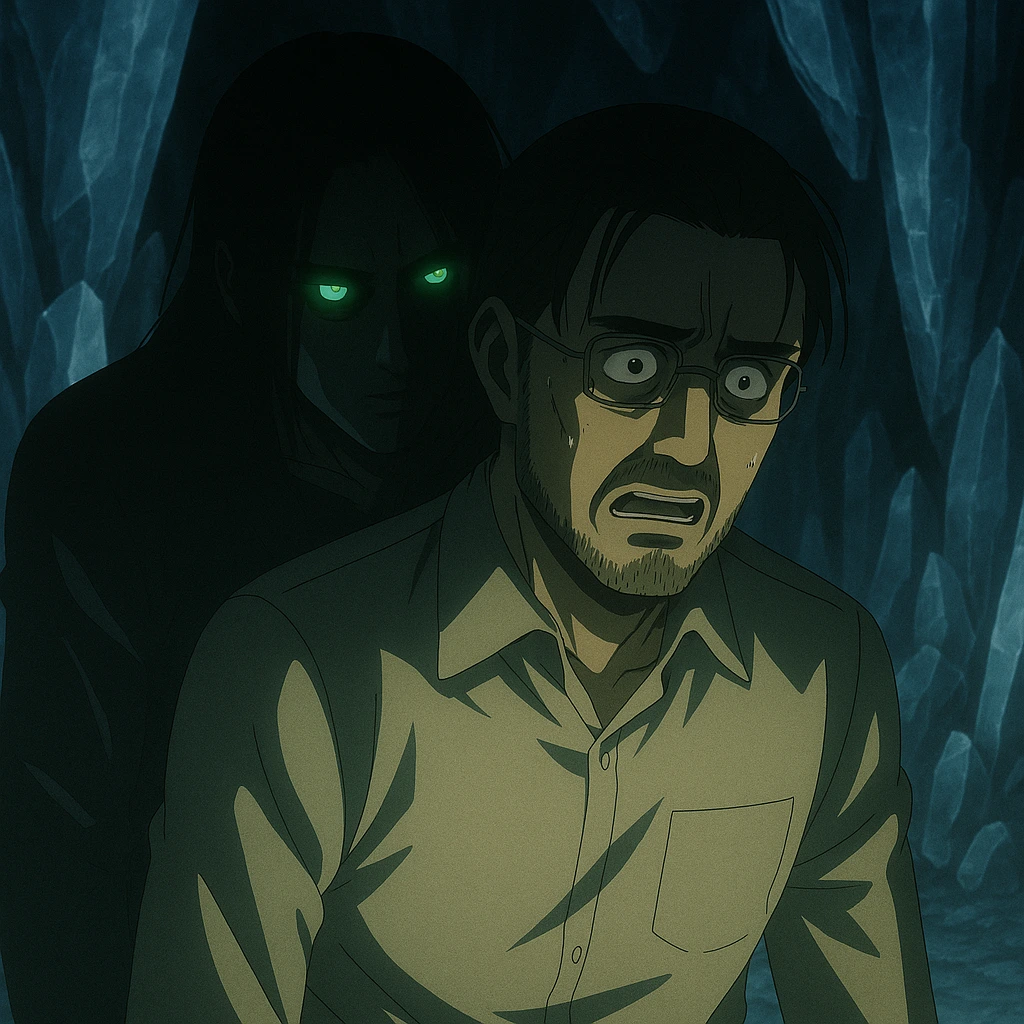
Then, the horror sets in. Grisha looks into the empty air—looking at future Eren—and falters. Eren, standing in the Paths, steps forward and whispers into his father’s ear. He reminds him of his sister fed to dogs. He reminds him of his wife. He commands him to stand up.
Mechanically, this works because Grisha (in the past) is seeing his own future memories (from Eren’s perspective). He sees Eren standing next to him, speaking. The “ghost” of the future haunts the past. This scene confirms that Eren Yeager is the author of his own tragedy. He killed the Reiss family. He radicalized his own father.
The Bootstrap Paradox: The Ink is Dry
This creates a classic “Bootstrap Paradox” (or Causal Loop).
- Eren needs the Founder to manipulate Grisha.
- He only gets the Founder because Grisha stole it.
- Grisha only stole it because Eren manipulated him.
Where does the cycle begin? It doesn’t. The timeline is a circle. The future caused the past, which created the future.
This realization is vital for understanding “The Paths” as a narrative device. It establishes a “Fixed Timeline” universe. In Back to the Future or Avengers: Endgame, changing the past creates a new branch. In Attack on Titan, like in the show Dark, the past cannot be changed because the future has already happened.
Eren didn’t change the past; he fulfilled it. He was always there. The Paths allow us to see the mechanism of this trap. It transforms Eren from a generic shonen hero fighting destiny into a tragic figure who realizes he is destiny. He is both the prisoner and the jailer.
The Battle of Wills: Royal Blood vs. The Founder
The Key and the Lock
For seasons, we were told a hard rule: Only someone with Royal Blood can use the Founder. However, due to the King’s Vow Renouncing War, a Royal is brainwashed the moment they inherit it.
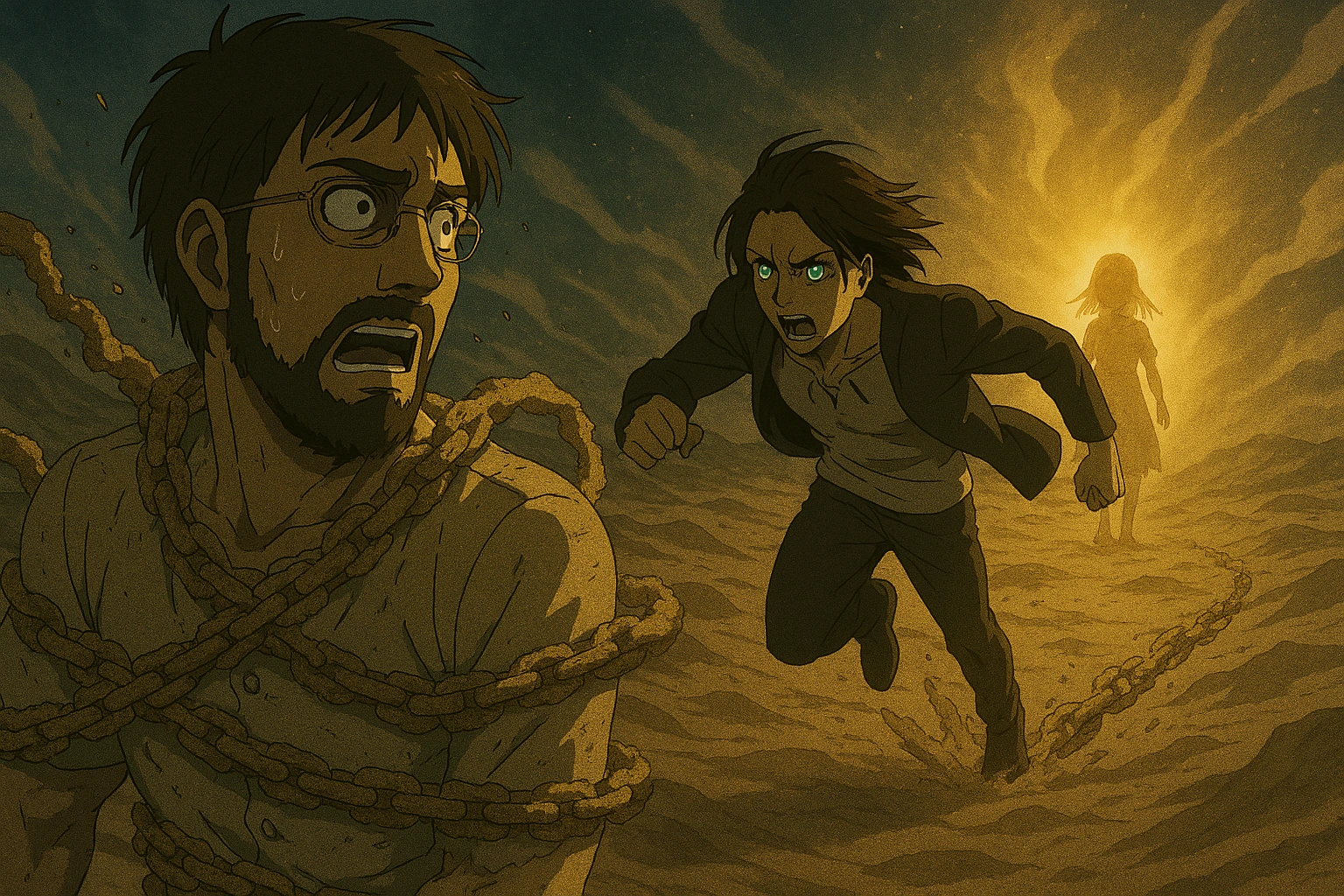
The loophole was the “Touch.” A non-royal Founder (Eren) touching a royal Titan (Zeke). Zeke believed this made him the master.
He possessed the blood (The Key), and Eren was just the vessel (The Lock). When they arrive in the Paths, Zeke initially seems to have the upper hand. He has nullified the Vow of War. He commands Ymir to sterilize the Eldians.
Zeke’s Hubris: The Failure of Aristocracy
Zeke’s fatal flaw in the Paths was his arrogance. He looked at Ymir and saw a slave. He saw a tool to be used. He commanded her with the authority of a Prince. “I am of royal blood! Obey me!”
Zeke represents the old world—the world of bloodlines, hierarchy, and systems. He believed the rules of the world (Royal Blood) were absolute laws of the universe. He failed to realize that the Paths are a psychological realm, not just a biological one.
Ymir obeyed royals not because of a hard-coded software lock, but because of a psychological trauma. She believed she had to obey. She was stuck in the mindset of a slave girl serving King Fritz.
Eren’s Empathy: Breaking the Code
Eren turned the tables not by overpowering Zeke, but by showing empathy. He ran to Ymir and hugged her. He didn’t give a command. He gave her a choice.
“You are not a slave. You are not a god. You are just a human being.”
This moment breaks the magic system. Eren bypassed the “Royal Blood” requirement by appealing directly to the soul of the Founder. He recognized that the “God” of this world was just a lonely, traumatized child who had been waiting 2,000 years for someone to acknowledge her pain.
By treating the Paths as a human space rather than a mechanical one, Eren unlocked the full power of the Coordinate. He replaced the cold command of a King with the furious rage of a liberator. It was an emotional hack of the system.
The Paths as a Narrative Device for “Determinism”
Is Freedom Possible?
The central irony of Attack on Titan is that Eren seeks ultimate freedom, yet his power reveals that freedom is an illusion. If the Paths exist outside of time, and the Attack Titan can see the future, then the future is already written.
If you can see the future, you cannot change it. If you saw it, it is because it happens.
The Paths serve as the visual representation of this Determinism. The tree is rigid. The timeline is fixed. Eren admits to Armin, “My head has become all messed up… the Founder’s power makes it so that there is no past or future… it all exists at once.”
Eren becomes a slave to the flow of time. He commits the Rumbling not entirely because he wants to, but because he saw that he would. He plays his part in a play that was written before he was born—a play he wrote himself from the future. The Paths are not a field of dreams; they are a cage of destiny.
Eren’s Cage
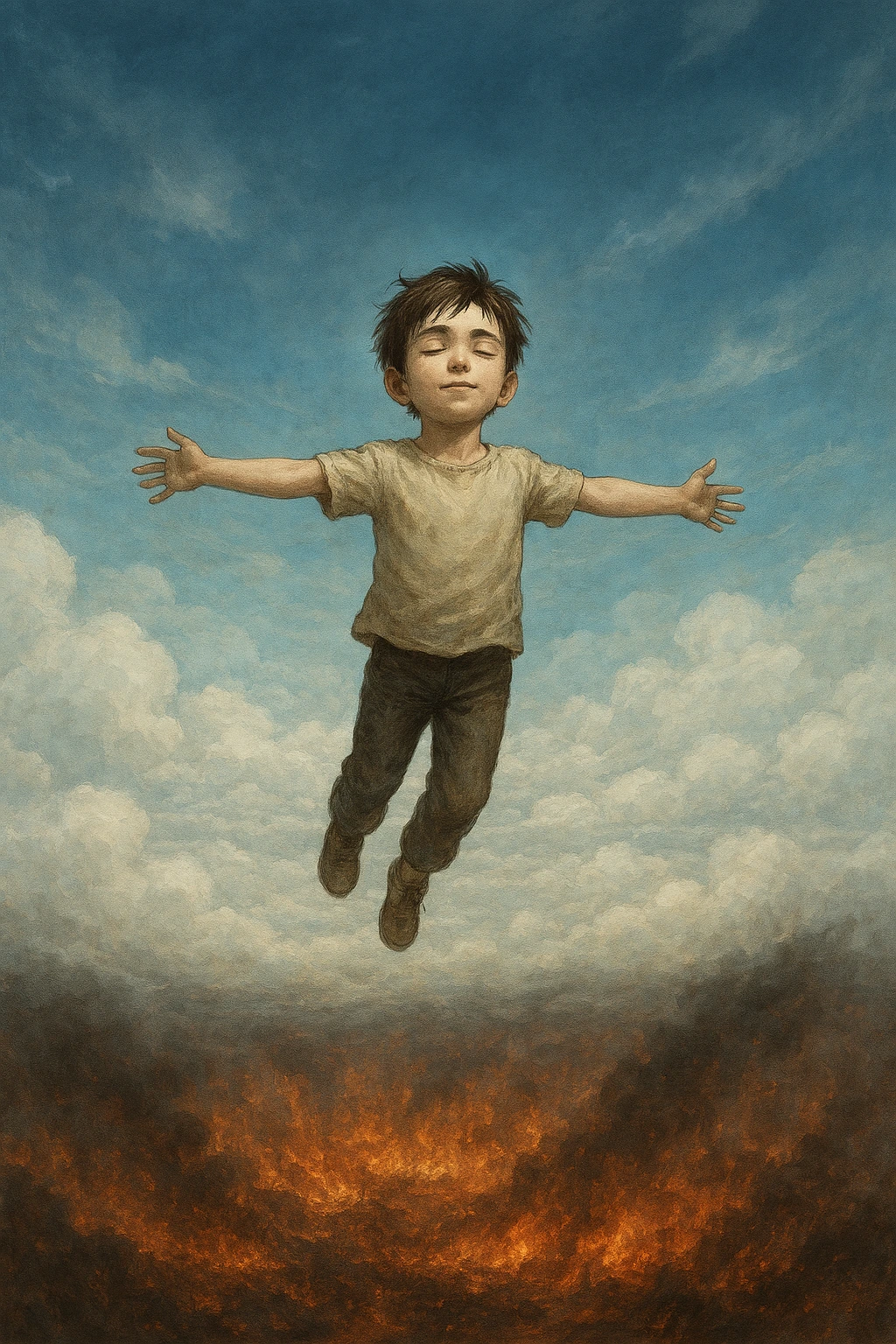
In the Paths, we see the duality of Eren. He appears as a child during the Rumbling. Why? Because the reality of what he is doing is too horrific for his mind to process. The Paths allow him to dissociate.
While his physical body crushes millions of people, his mind retreats to the clouds within the Paths. He looks down at the destruction and calls it “Freedom.” This is the ultimate tragedy of the dimension. It allows for a disconnect between action and consequence. It is a safe space for a monster to hide from his own sins.
Armin’s Conversation: The Possibilities
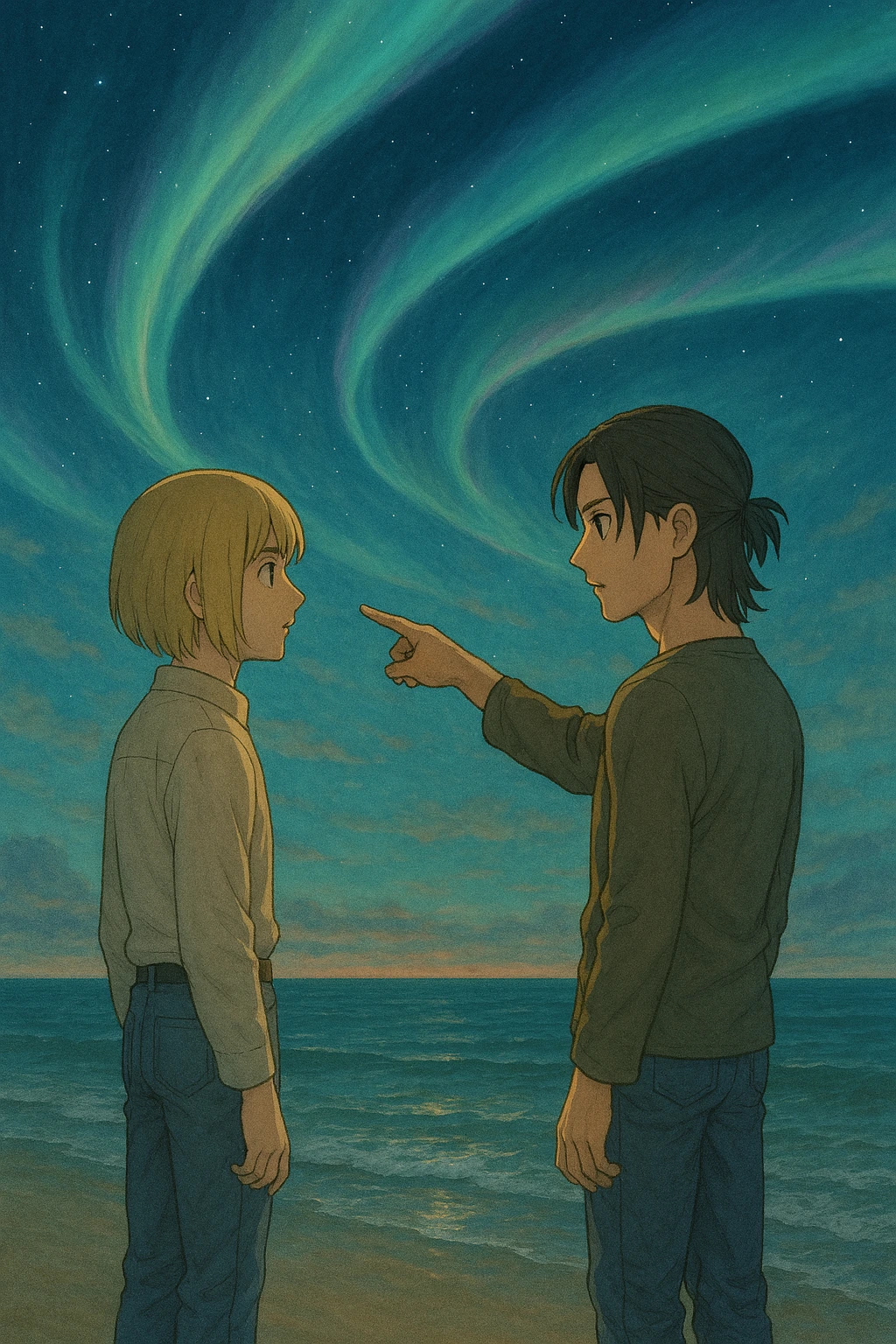
The final conversation between Armin and Eren takes place in the Paths. As they walk, the scenery shifts—from Shiganshina to a river of fire, to a land of ice, to the ocean.
These shifts represent the “possibilities” they dreamed of as children. The Paths allow them to live out the life they never got to have. They grow up, they travel, they talk. They spend what feels like years together in this dimension while the outside world burns.
This highlights the tragedy of their friendship. The only place they can truly be together, without war or politics, is in a dead dimension at the end of the world. The Paths preserve their bond, frozen in time, right before it is severed forever.
The Destruction of the Paths
The End of Magic
The climax of the story is the destruction of the glowing centipede—the “Source of All Living Matter”—and the death of Eren Yeager. When Mikasa severs Eren’s head and Ymir finds peace, the Paths disintegrate.
The Great Tree vanishes. The sand blows away. The connection is severed.
This is the most significant event in Eldian history. For 2,000 years, they were a hive mind. They were connected by invisible wires. If one felt pain, the memory was stored. They were never truly alone.
The Severing
When the Paths are destroyed, the Titan curse ends. The pure Titans revert to humans. The shifters lose their powers. But on a metaphysical level, something deeper happens. The Eldians become individuals.
They are no longer “Subjects of Ymir.” They are just people. The nervous system that connected them is gone. The burden of their ancestors’ sins, physically manifested in the Titan genes, is washed away.
The Aftermath: Fragmented Humanity
There is a melancholy to this victory. Yes, the Titans are gone. But the profound, spiritual connection that bound them together is also gone. They are no longer a “special” race. They are mundane humans, forced to live in a mundane world without the protection or the curse of the Founder.
The destruction of the Paths symbolizes the end of the “Mythic Age.” The world moves from an age of gods and monsters into an age of man and machines. The magic has left the world, leaving only the scars it carved into the earth.
Conclusion: The Burden of Knowing
The Paths in Attack on Titan are a masterstroke of world-building. They are not merely a magic system; they are a thematic argument. They physicalize the abstract concepts of history, memory, and fate.
Through the Paths, Isayama asks us: If you could see the sorrow of your ancestors, would you be able to move forward? If you knew the future, would you have the will to live it?
The dimension serves as a lens that focuses the story’s massive scale down to intimate, heartbreaking moments. It turns a war story into a character study. It shows us that Eren Yeager was not a demon, nor a god, but a human crushed by the weight of infinite time.
Ultimately, the Paths represent the burden of connection. We are all connected to our past, to our parents, and to the history of our nations. We are built from the “sand” of those who came before us. We cannot escape the Paths of history, but perhaps, as the ending suggests, we can choose to step out of the desert and walk into the uncertainty of a free future.
The Paths showed us the horror of a fixed destiny, so that we might appreciate the terrifying beauty of free will. The tree is gone, but the roots remain in the memories of those who survived the long dream.