
1. Introduction: The False Saviors
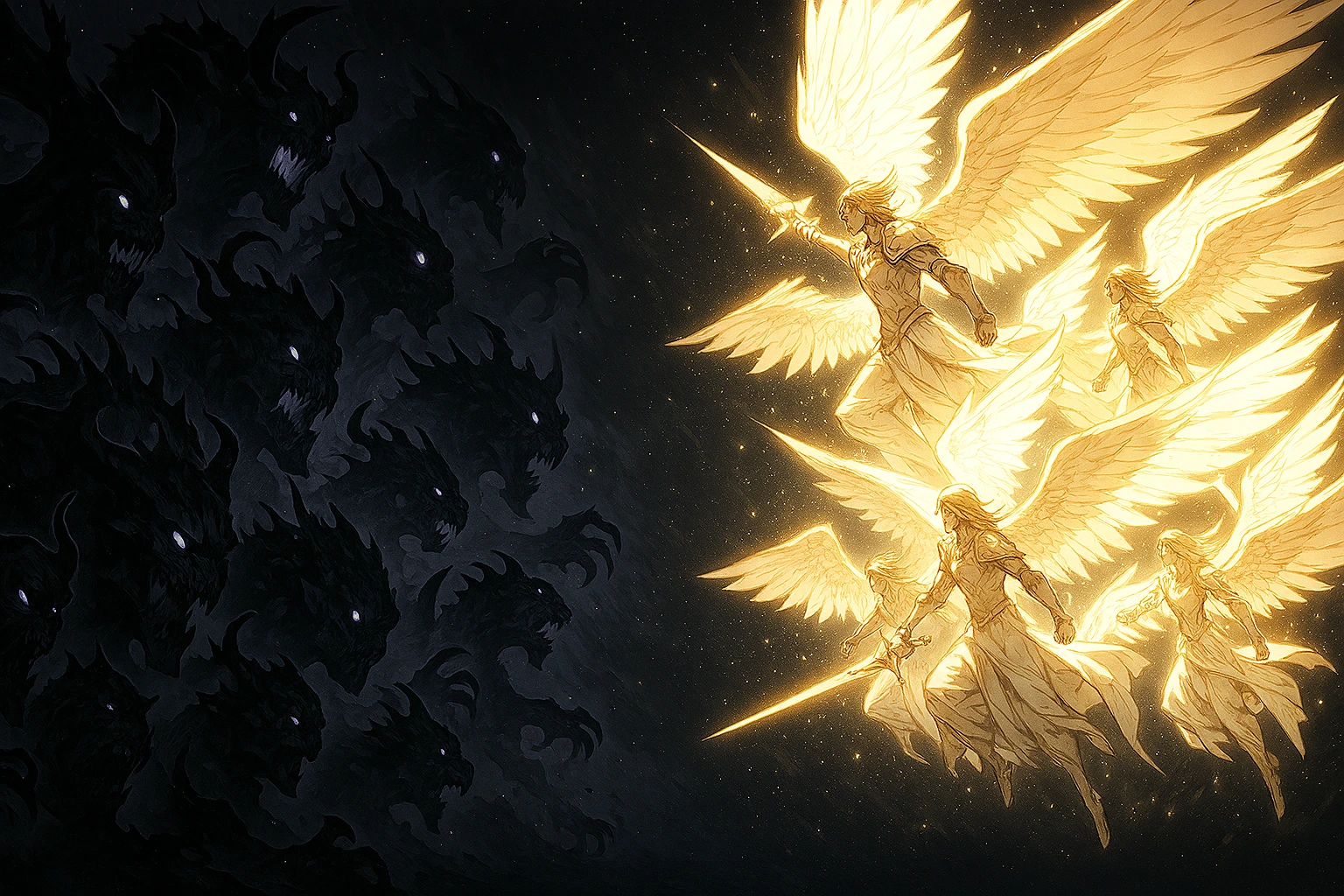
In the vast, sprawling pantheon of fantasy anime, the visual language of “Good” and “Evil” is usually distinct, codified by decades of storytelling tropes. Darkness, shadows, and jagged edges represent the villains. Light, halos, and brilliant wings represent the saviors. Solo Leveling masterfully exploits this inherent cognitive bias, presenting us with the Monarchs—grotesque, beastly entities governing death, plague, and frost—and pitting them against the Rulers—majestic, six-winged beings of radiant light who wear the armor of heaven. We are conditioned to trust the light, to believe that beauty equates to morality.
To the average Hunter, and indeed to the average reader in the early chapters, the dichotomy seems simple. The Rulers are the “Angels” fighting to save humanity from extinction. The Monarchs are the “Demons” trying to devour it. But as we peel back the layers of ancient history hidden within the System, a horrifying truth emerges. The beings we identify as angels, the entities responsible for “protecting” the fabric of reality, are guilty of the ultimate cosmic crime—a sin so profound it shatters the foundation of their moral authority.
They are the ones who murdered God.
This is not a metaphor. This is not a theological misunderstanding. The Rulers, in their shining, celestial armor, drove their spears into the chest of the Absolute Being, their own Creator. They watched the primordial light fade from the eyes of the entity that breathed life into them, and they did it with cold, calculated precision. They did not do this in self-defense against a direct attack; they did it as a preemptive strike to seize control of their own destiny.
This revelation completely recontextualizes the entire narrative of Solo Leveling. It begs a terrifying question: If the “Guardians of Light” are capable of deicide—killing their own father—then what exactly are they protecting us from? And more importantly, are they truly the heroes of this story, or are they simply the winning side in a war that they escalated?
The Rulers are not benevolent guardians. They are mutineers. They are tired soldiers who snapped under the weight of eternity. They are the “Angels” who looked at God and decided that his death was a necessary price for their peace. This article will dissect the dark history of the Rulers, the justification for their treason, and the blood-soaked legacy they left behind in their quest to maintain order in a universe built on chaos. We will explore why the “Good Guys” might actually be the most terrifying entities in existence.
2. The Creation Myth: Born for War
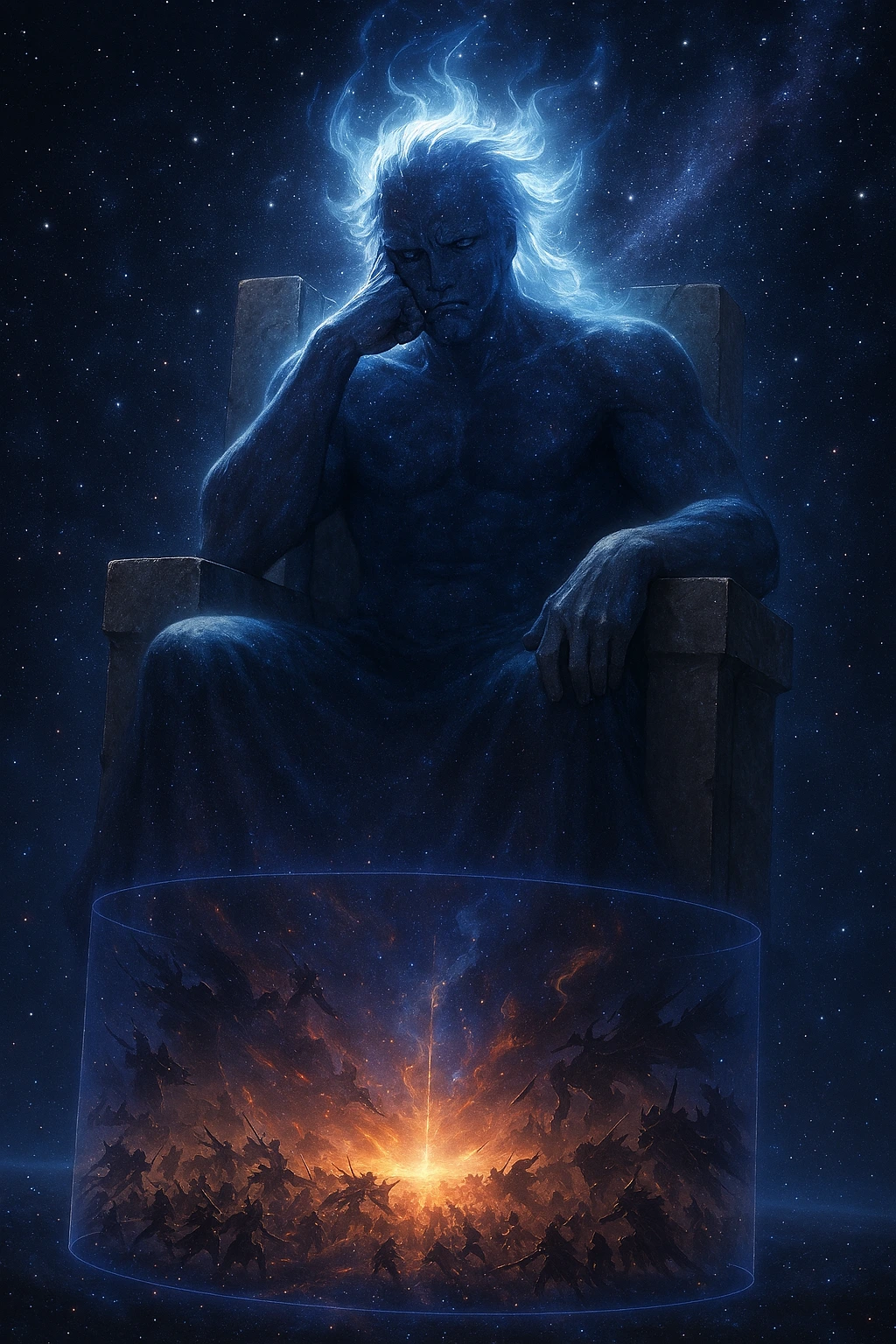
To understand the murder, we must first understand the motive. And to understand the motive, we must look into the mind of the victim: The Absolute Being.
In most monotheistic religions, the Creator is a figure of love, order, or at least inscrutable justice. In the lore of Solo Leveling, the Absolute Being was none of these things. He was, for lack of a better term, a bored child with an ant farm. He was a cosmic playwright who crafted a tragedy solely for his own entertainment, viewing his creations not as children, but as disposable actors on a stage of infinite violence.
The Cruel Binary
The Absolute Being split the primordial light and darkness into eight distinct pieces each, establishing a binary system designed to generate friction.
- From the Darkness, he created the Eight Monarchs, beings whose very purpose was destruction, chaos, and the annihilation of the universe. They were programmed to consume, to break, and to end.
- From the Light, he created the Eight Rulers (Fragments of Brilliant Light), beings programmed with the instinct to protect, preserve, and maintain the world. They were programmed to build, to save, and to endure.
On paper, this looks like a standard “Balance of Power,” a yin and yang of cosmic forces. But the intention was never balance. The intention was eternal conflict. The Absolute Being designed the Rulers and the Monarchs like two opposing magnets, destined to crash into each other forever. He rigged the game so that neither side could ever truly win, ensuring the spectacle of war would never cease.
The Stalemate of Suffering
For eons—timeframes so vast they render human history insignificant—the Rulers fought the Monarchs. They clashed across dimensions, shattering planets and burning galaxies as collateral damage. The Rulers, being creatures of preservation, naturally sought an end to the war. They wanted to protect the world the Absolute Being had created, believing that if they fought hard enough, they could achieve peace.
However, every time the Rulers gained an advantage, pushing the Monarchs back and nearing victory, the Absolute Being would intervene, subtly tipping the scales back in favor of the Monarchs. Conversely, if the Monarchs were winning and threatening to end the game too soon, he would empower the Rulers.
The Rulers slowly began to realize the horrifying truth: The war was the point.
They were not soldiers fighting for a cause; they were gladiators in a pit, bleeding for the amusement of a cruel master. The Absolute Being sat on his throne, watching his children tear each other apart, likely laughing at their struggles. The Monarchs, being creatures of destruction, didn’t mind this. War was their nature; they reveled in the chaos. For them, the eternal battlefield was paradise. But the Rulers? The Rulers were built to protect. For them, this eternal war was an endless cycle of trauma. They were forced to watch the worlds they loved burn, over and over again, simply because their “God” found peace boring.
The Psychology of Mutiny
Imagine being created with a desperate, genetic desire to save lives, but being placed in a system where saving everyone is forbidden by the rules of the game. The Rulers’ “programming” to protect the world eventually conflicted with their loyalty to the Creator. It was a glitch in the divine design: the Absolute Being gave them too much empathy and too much agency.
They reached a logical singularity, a point of no return:
- Our purpose is to protect the world.
- The Absolute Being ensures the war never ends, destroying the world.
- Therefore, to fulfill our purpose (protect the world), the Absolute Being must be removed.
This wasn’t a decision born of malice or a lust for power; it was a decision born of exhaustion and twisted empathy. The Rulers weren’t seeking to rule the universe. They were seeking rest. They were soldiers who had been on the front lines for a billion years, realizing that their General was the one extending the war.
We often sympathize with rebels in fiction who overthrow a tyrant. But the gravity of this act is different. This wasn’t a king; this was their God. The entity that defined their existence. To raise a blade against him required them to shatter their own identities. It required them to become the very monsters they were fighting against, forcing them to adopt the violence of the Monarchs to achieve the peace of the Rulers.
3. The Mutiny: The Day the Sky Bled

The assassination of the Absolute Being is the single most pivotal moment in the history of the Solo Leveling universe. It is the original sin from which all other conflicts stem. It was the moment the “Angels” fell, not into darkness, but into a gray, bloody pragmatism.
The Conspiracy of Seven
Of the eight Rulers, seven agreed to the plan. They gathered in secret, away from the prying eyes of the Monarchs and the omniscient gaze of the Absolute Being (who, in his arrogance, likely never believed his tools would turn on him). The betrayal was not impulsive; it was a premeditated coup.
They forged spears capable of piercing divinity, weapons imbued with the collective despair of their endless war. They hardened their hearts against the instinct to worship. They prepared to commit the unthinkable. But there was one obstacle standing in their way: Ashborn.
Ashborn, the Greatest Fragment of Brilliant Light, was the only Ruler who refused to join the rebellion. His loyalty was absolute. He believed that a creation has no right to judge its creator, no matter how cruel that creator might be. He stood as the last line of defense between the mutineers and the throne, the only one who held onto the old faith.
The Battle for the Throne
The civil war began not against the Monarchs, but among the Rulers themselves. The seven traitorous Rulers descended upon the Absolute Being’s palace. Ashborn fought them with the ferocity of a supernova. He was the strongest among them, a warrior of unparalleled power, but even he could not withstand the combined might of seven of his brethren.
They beat him down. They tore his wings and shattered his armor. They left him broken and dying, believing they had eliminated the only hurdle to their “freedom.” It was a fratricide committed in the name of liberation.
The Regicide
The scene of the murder is one of the most chilling concepts in the lore. The seven Rulers, battered from their fight with Ashborn, approached the throne of the Absolute Being.
One might expect the Absolute Being to fight back, to unleash cosmic power to erase them. But he didn’t. He simply watched. Perhaps he was amused until the very end, viewing their rebellion as the final, most interesting act of his play. Perhaps he didn’t believe they would actually go through with it. Or perhaps, in a twisted way, this was the finale he had been waiting for—the moment his toys finally became “real” by defying him.
The Rulers drove their spears into him. The descriptions imply a moment of cosmic horror—the source of all light and power in the universe bleeding out. As the Absolute Being died, the spell of the “eternal stalemate” broke. The Rulers were now free. They had seized the reins of destiny.
But the victory was hollow. As they stood over the corpse of God, they realized the terrifying weight of their actions. They had killed the only being who understood the universe’s machinery. They were now the pilots of a crashing plane. They had stopped the “game,” but they had also removed the referee, plunging the universe into an era of unchecked chaos.
The Irony of “Peace”
The Rulers claimed they killed the Absolute Being to end the war. But ironically, their act of treason only intensified it. With the Absolute Being gone, the Monarchs no longer had a check on their power. The Monarchs saw the death of the Creator not as a tragedy, but as an opportunity to conquer the universe once and for all. Without the Absolute Being to tip the scales back to the Light, the Darkness could finally win.
Furthermore, Ashborn did not die. He returned as the Shadow Monarch, fueled by the power of death and a burning hatred for the betrayers. The Rulers, in trying to end the war, had created their greatest enemy. They had turned the “Greatest Fragment of Light” into the “King of the Dead.”
The day the sky bled was not the end of the conflict; it was the beginning of a desperate, panicked struggle for survival that would eventually lead them to a small, insignificant planet called Earth.
4. The Hunt for Ashborn: The Civil War
If killing the Absolute Being was the Rulers’ Original Sin, then their treatment of Ashborn was their ongoing penance—and their ongoing crime.
The Survivor’s Guilt
Ashborn represents the Rulers’ conscience. He is the living embodiment of the loyalty they threw away. When Ashborn returned, wielding the power of the Shadow Monarch, he became a terrifying mirror for the Rulers. Every time they looked at his army of shadows, they were reminded of their betrayal. His very existence was an accusation.
For eons, the Rulers hunted Ashborn with a fervor that bordered on obsession. They allied with the Monarchs—their sworn enemies—in temporary truces just to try and eliminate him. This highlights the hypocrisy of the Rulers. They claimed to fight for “Light” and “Life,” yet they were willing to shake hands with the forces of destruction to cover up their own mistakes.
The Hypocrisy of “Justice”
The Rulers painted Ashborn as a monster. To the rest of the cosmos, the Shadow Monarch was a calamity, a traitor to the Light. But in reality, Ashborn was the only one who had kept his oath. The Rulers were the oath-breakers. They projected their guilt onto him, needing him to die so that they could finally justify their actions. “If we kill the loyal one, then our treason becomes the only truth.”
This historical revisionism is a key aspect of their rule. They styled themselves as the champions of justice while actively hunting the one being who had actually stood for justice in the beginning.
The Apology: A Millennia Too Late
The turning point in the relationship between the Rulers and Ashborn is one of the most emotional beats in the lore. After millions of years of war, after the Rulers realized they could not defeat the Monarchs alone, and after Ashborn had grown weary of the endless cycle of death, the Rulers finally did something unexpected.
They surrendered.
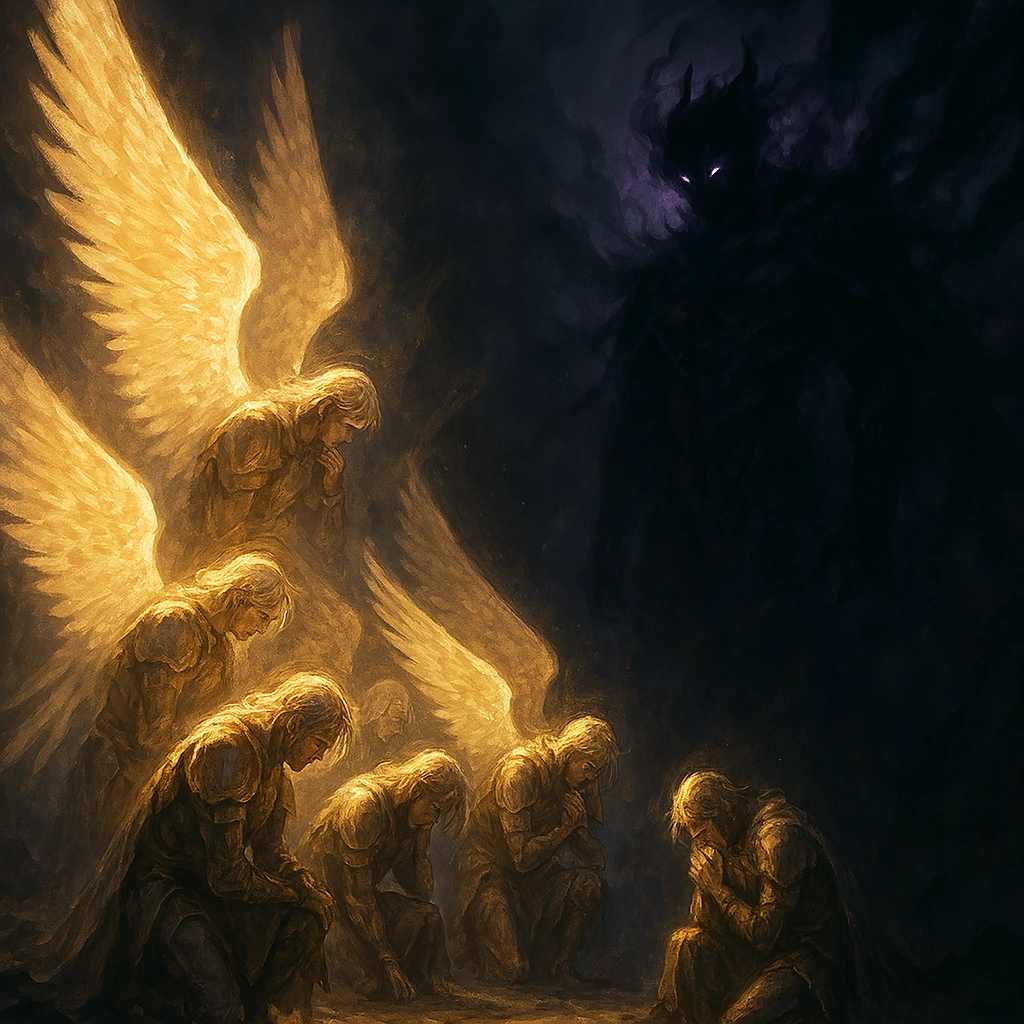
They didn’t surrender the war; they surrendered their pride. In a moment of profound humility, the Rulers knelt before Ashborn. They apologized. They admitted that their betrayal of the Absolute Being was a sin, and they begged for his forgiveness.
This moment is critical because it humanizes the Rulers. It shows that they are not unfeeling machines. They are burdened by regret. They killed God because they thought they had to, but they carried the weight of that murder for eternity.
Ashborn, seeing their genuine remorse, chose not to exact revenge. He chose to fade away, passing his power to a human successor—Sung Jin-Woo. The paradox here is striking: The Rulers begged for peace from the very entity they tried to exterminate. They were the ones who started the fire, and in the end, they had to beg the fire not to burn them.
5. The Vessel System: Parasites or Partners?
To fight the Monarchs on Earth, the Rulers needed physical forms. Unlike the Monarchs, who forcefully possess and often consume the bodies of their hosts, the Rulers operate on a system of “consent.” They are the “Vessels.”
But we must look closer at this dynamic. Is it true partnership, or is it a parasitic relationship disguised as benevolence?
The Illusion of Choice
The Rulers approach humans—like Go Gun-hee, Thomas Andre, and Liu Zhigang—and ask for permission to use their bodies. They offer power in exchange for service. “Lend us your body, and we will give you the strength to save your world.”
On the surface, this sounds noble. But consider the context. The Rulers only ask for consent when the alternative is the total annihilation of the human race. It is a coercive offer. “Let me in, or everyone you love dies.” Is that true consent? Or is it manipulation born of desperation? It is the equivalent of a firefighter asking for the deed to your house before agreeing to put out the blaze.
The Fragility of the Human Form
The power of a Ruler is immense. It is the power of a biblical angel, a fragment of primordial light. A human body, no matter how strong, is merely a biological container evolved for Earth’s gravity, not cosmic warfare.
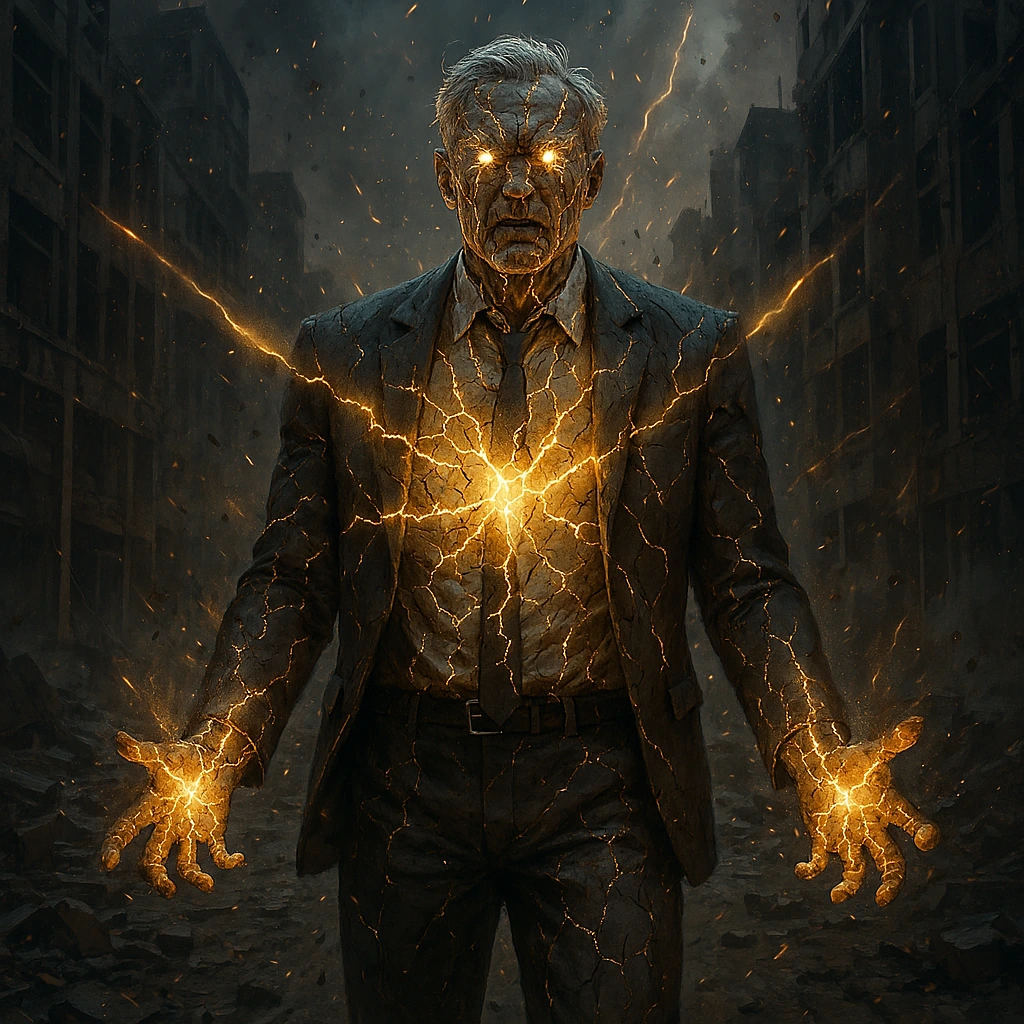
We see the cost of this “partnership” most clearly in Go Gun-hee. The Chairman of the Korean Hunter Association was the vessel of the Brightest Fragment of Brilliant Light. He was a hero, a man of immense will. But his body was crumbling. He was constantly fighting heart failure. The power of the Ruler was too great; it was burning him out from the inside.
The Rulers are trying to pour an ocean into a teacup. Even with consent, the act of inhabiting a human destroys that human over time. The “brilliance” of the light slowly incinerates the wick.
Thomas Andre: The Goliath’s Burden
Thomas Andre, the vessel of a different Ruler, fared better due to his immense physical durability as a Tanker. Yet, even he is merely a tool. When the Rulers take full control (as seen when they possessed their vessels to kill Ashborn/Jin-Woo in previous timelines), the human consciousness is suppressed.
The Rulers treat humans like “Mana Batteries” or biological exo-suits. They are valuable, yes, but they are disposable. If a vessel breaks, they find another. The Rulers love humanity in the abstract—as a species to be saved—but they view individual humans as necessary sacrifices. This utilitarian view (“The needs of the many outweigh the needs of the few”) is the defining characteristic of their morality. It is cold, efficient, and utterly terrifying to the individual who has to die for the “greater good.”
6. The Cup of Reincarnation: The Reset Button
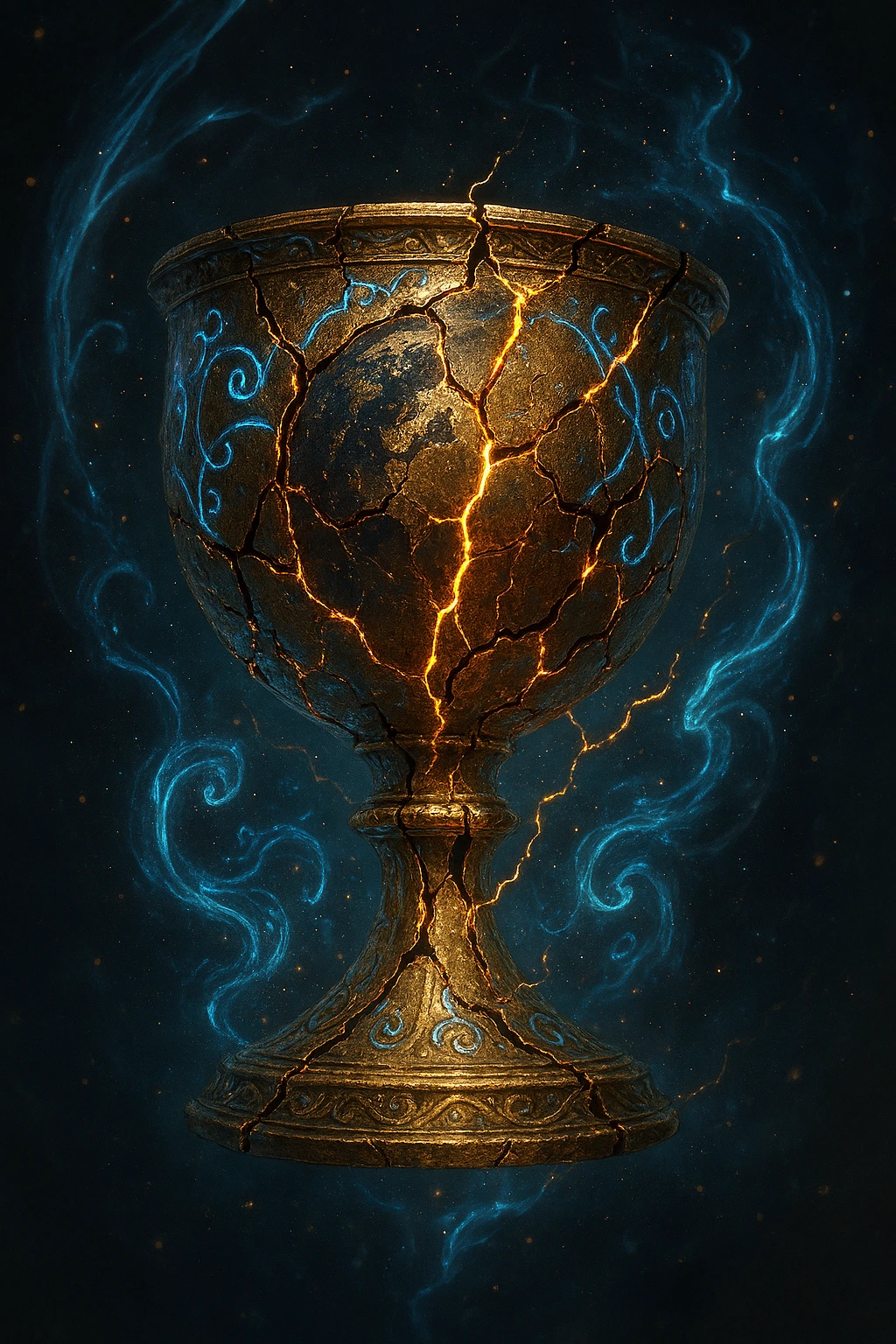
Perhaps the most horrifying revelation about the Rulers is not that they killed God, but that they have watched Earth die—over and over and over again.
The Tool of Chronomancy
The Cup of Reincarnation is a divine artifact capable of rewinding time by approximately 10 years. The Rulers possessed this tool, and they used it as their ultimate strategic weapon. It was their “save scumming” mechanic, allowing them to undo their failures.
The Cycle of Failure
The story of Solo Leveling that we read—the timeline where Sung Jin-Woo saves the world—is not the first timeline. It is the last one.
The Rulers used the Cup countless times. The exact number is never explicitly stated, but the implication is that they fought the Monarchs on Earth, lost, watched humanity get slaughtered, and then activated the Cup to try again.
Imagine the psychological horror of this. The Rulers are trapped in a Groundhog Day of genocide. They watch civilizations rise, they bond with human vessels, they fight the armies of chaos, and they fail. They watch the cities burn and the people scream. Then, they wipe the slate clean and do it all again, carrying the memories of every dead child and every destroyed city with them.
The Exhaustion of the Divine
This explains why the Rulers seem so desperate, so tired, and so willing to take extreme measures (like trying to kill Jin-Woo early on). They are traumatized veterans of a war that has already happened a hundred times in their memories. They are suffering from a cosmic form of PTSD.
To the Rulers, human lives are fleeting sparks. They have seen the same humans die in a thousand different ways. This desensitization makes them dangerous. They became willing to sacrifice anything to break the loop. When you have seen the world end a dozen times, the death of a few “anomalies” seems like a small price to pay for a victory.
The Shattered Cup
The tragedy culminates in the fact that the Cup eventually broke. The Cup of Reincarnation had a limit. Its power waned with every use. By the time the main story of Solo Leveling takes place, the Rulers inform us that this is the final run. There are no more resets. If they lose now, it is Game Over.
This context adds a layer of frantic urgency to their actions. When they saw Sung Jin-Woo becoming the Shadow Monarch, they panicked because they couldn’t afford a wildcard in the “Final Run.” Their antagonism wasn’t just prejudice; it was fear. They were terrified that this anomaly would ruin the one chance they had left to save the future.
7. Conclusion: Necessary Evil
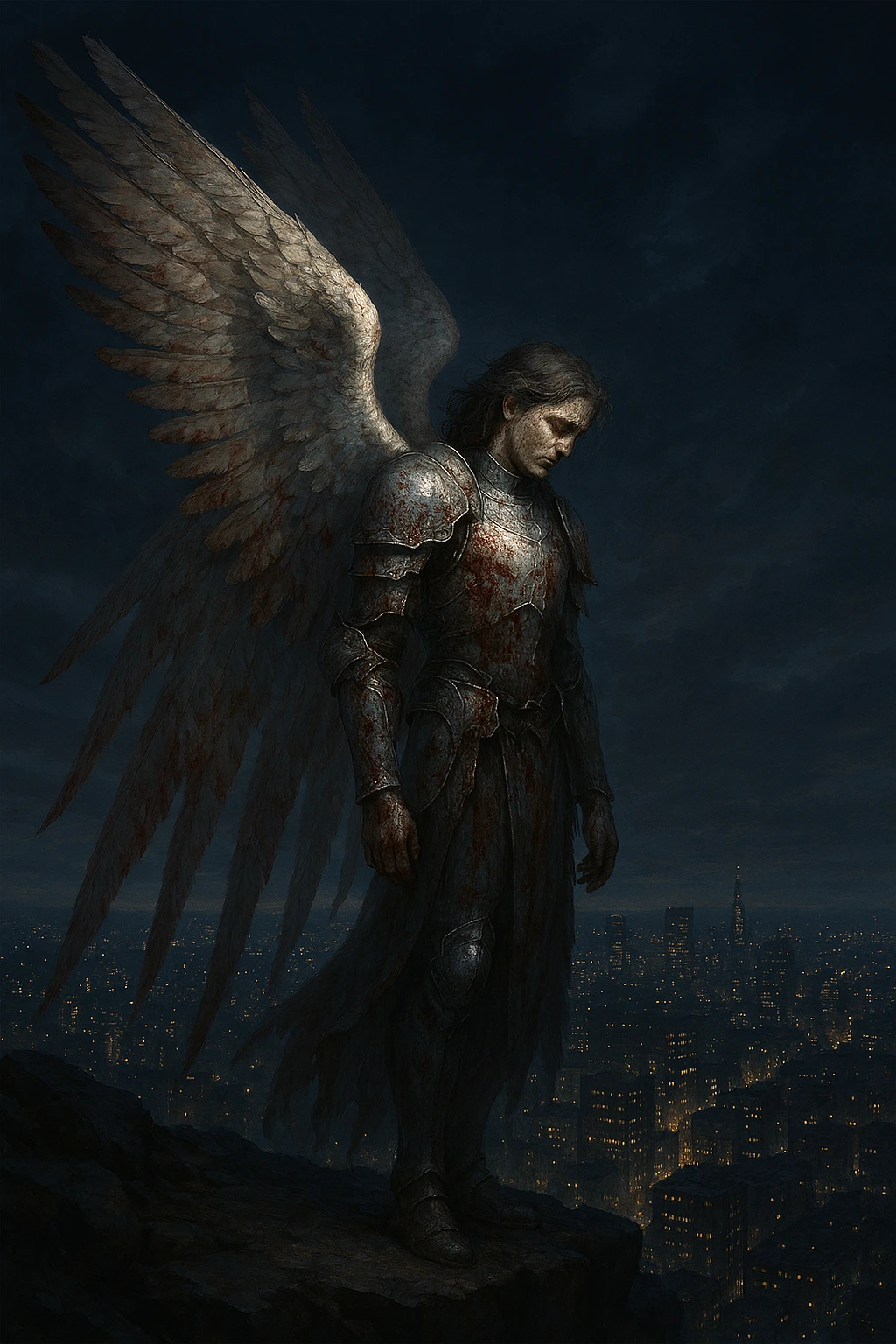
So, are the Rulers “Good”?
If “Good” means kind, honest, and purely benevolent, then the answer is a resounding No. The Rulers are murderers. They are mutineers. They are manipulators who use human bodies as disposable suits and treat time itself as a tactical reload. They killed their father, hunted their brother, and repeatedly gambled with the lives of billions.
However, if “Good” is defined by results? If “Good” means “Not letting the universe be consumed by eternal void”? Then the answer becomes complicated.
The Rulers are Pragmatists. They are the embodiment of the “Necessary Evil.”
Without the Rulers, the Absolute Being would have continued his cruel game forever. The Monarchs would have eventually wiped out all life for sport. The Rulers stepped up. They dirtied their hands with divine blood so that others could live. They bore the sin of deicide so that the universe could have a chance at self-determination.
They are not heroes in the traditional sense. They are the janitors of the cosmos, cleaning up a mess left by a negligent God. They made the hard choices that no one else could make.
In the end, the Rulers prove a dark truth about the Solo Leveling universe: In a world created for war, there are no good guys. There are only those who destroy, and those who survive. The Rulers survived, and because they did, humanity lived. We may not like their methods, we may be horrified by their history, but we are alive because of their sins.
They are the Angels who murdered God to save us. And perhaps, that is the only kind of Angel that could exist in such a cruel world.
Author’s Note: The Legacy of Ashborn
While the Rulers represent the cold logic of the “Greater Good,” Ashborn and subsequently Sung Jin-Woo represent a third path—the path of personal responsibility and overwhelming power used to protect the specific, not just the general. The Rulers saved the system; Sung Jin-Woo saved the people. The friction between these two ideologies is the spark that makes Solo Leveling a masterpiece of modern fantasy.