
1. The Blood Catalyst: The Science of Cellular Mutation
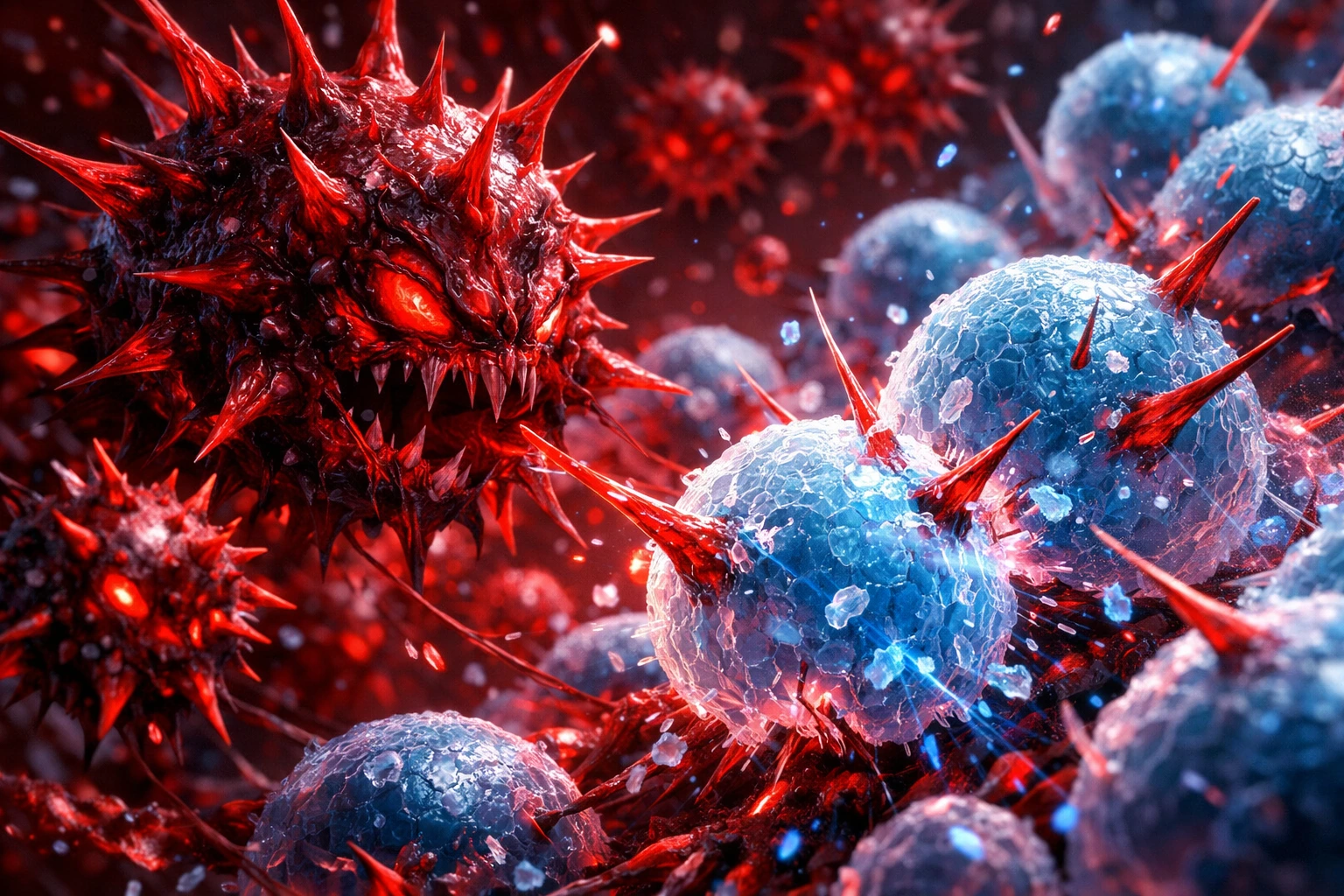
The pristine, snow-covered mountains of the Kamado family home were stained not just with tragedy, but with the genesis of a profound biological anomaly. To understand the true nature of the events that transpired on that fateful night, one must strip away the mythos of “demons” and “curses” and observe the phenomenon through the lens of aggressive, weaponized biology.
The massacre of the Kamado family was not merely an act of predatory violence; it was a failed clinical trial conducted by the progenitor, Muzan Kibutsuji. When Muzan injected his blood into Nezuko Kamado, he was not casting a magical spell. He was transmitting a highly volatile, blood-borne retrovirus designed to forcibly rewrite human DNA at a catastrophic cellular level.
This demonification virus is an apex pathogen. Upon entering the human bloodstream, it operates with a terrifying, sentient-like aggression. It immediately targets the host’s genetic code, violently dismantling the human sequence and replacing it with Muzan’s own hyper-mutated, immortal cellular structure. This is a violent molecular war where human DNA is besieged, broken down, and fundamentally reconstructed.
For over a millennium, Muzan believed this biological assimilation to be absolute and unbreakable. Yet, in the long, bloody history of the demon race, Nezuko Kamado and Lady Tamayo stand as the only two successful, independent biological rebellions against this parasitic virus.
To comprehend the sheer magnitude of Nezuko’s survival, we must first analyze the initial infection phase and the volatile nature of Muzan’s blood. The transformation from human to demon is not guaranteed; it is a precarious tightrope walk over an abyss of cellular necrosis.
Muzan’s blood acts simultaneously as an unfathomable evolutionary steroid and a lethal, flesh-melting toxin. When a human is injected with this pathogen, their body experiences an immediate and extreme metabolic shock. The demonic cells attempt to force hyper-regeneration, enhanced muscle density, and altered neural pathways within seconds.
However, every human possesses a strict “threshold of cellular acceptance.” If a human’s baseline cellular fortitude is too weak, or if the dosage of Muzan’s blood exceeds what their genetic structure can process, the mutation catastrophically fails. The demonic cells reproduce too rapidly for the host body to sustain, leading to spontaneous cellular destabilization.
The host’s DNA literally tears itself apart under the strain, resulting in rapid necrosis—the body dissolves into a grotesque puddle of organic matter. Those who survive this crucible are those whose cells miraculously adapt to the invader, bending without breaking, and eventually synthesizing with the pathogen to create a stable, albeit monstrous, demonic biology.
Nezuko’s infection was entirely unique. Muzan injected her with a massive, concentrated dose of his blood, hoping to forcibly engineer a demon capable of conquering the sun. Her survival was not merely a matter of luck; it was the first indication of her unprecedented genetic resilience. While her family perished, Nezuko’s cells engaged in a desperate, microscopic war.
Her human DNA did not surrender to the retrovirus; instead, it fought to a bitter stalemate. She absorbed the staggering power of the mutagen—gaining the physical strength, the hyper-regeneration, and the immortality—but her biological core refused to completely yield to the psychological and predatory mandates encoded within Muzan’s cells. The blood catalyst triggered the mutation, but it failed to complete the spiritual and mental overwrite, setting the stage for the greatest biological anomaly in the history of the Demon Slayer Corps.
2. The Nezuko Exception: Blood Stasis and Energy Conservation

The immediate aftermath of Nezuko’s transformation resulted in an unprecedented physiological response: a comatose adaptation that lasted for two entire years. To the untrained eye, she was simply asleep, but on a molecular and metabolic level, her body was performing a miraculous feat of biological engineering.
Every demon created by Muzan is bound by a singular, inescapable hunger: the biological imperative to consume human flesh. This is not merely a psychological craving, but a strict metabolic requirement. The demonic cellular structure burns energy at an astronomical rate to fuel their immense strength and hyper-regeneration. Human blood and flesh provide the specific, complex proteins and life force necessary to sustain this mutated biology.
Nezuko’s body, however, outright rejected this mandate. During her two-year slumber under the care of Sakonji Urokodaki, Nezuko’s biology underwent a radical rewriting of its own energy synthesis pathways. Denying the demonic virus its required fuel source of human flesh, her body was forced into a state of extreme metabolic stasis.
She essentially reprogrammed her cellular engines to substitute sleep for caloric intake. In this state of profound suspended animation, her cells engaged in a highly efficient form of internal energy conservation and localized autophagy, recycling existing cellular energy while simultaneously fighting off the starvation protocols triggered by Muzan’s blood.
This was a brutal internal war. The demonic virus screamed for human sustenance, but Nezuko’s latent human willpower and adapting physiology forced the virus into submission, establishing a new equilibrium where continuous, deep sleep synthesized the energy required to maintain her demonic form without crossing the line into predatory consumption.
This mastery over her own cellular structure extended far beyond simple energy conservation. It manifested outwardly in her Blood Demon Art: Exploding Blood (Bakketsu), and her astonishing ability to manipulate her somatic cells. Unlike other demons whose Blood Arts manifest as external weapons, poisons, or environmental manipulation, Nezuko’s power is deeply internal and biologically focused.
She possesses the ability to consciously and subconsciously alter her cellular mass, density, and volume. When she shrinks into the form of a toddler to fit inside Tanjiro’s wooden box, she is not casting an illusion. She is rapidly compressing her molecular structure, shedding mass and reducing the space between her cells to minimize her energy footprint and hide from the sun.
Conversely, when she enters her awakened, adult demonic form during combat, she commands her cells to rapidly multiply and expand, generating massive increases in muscle density, bone strength, and physical leverage. Her body is highly malleable, a testament to how fluidly she controls the demonic mutagen within her.
Furthermore, her Blood Demon Art, Exploding Blood, is a masterclass in cellular weaponization. She is able to render her own blood volatile, igniting it through sheer force of will. Crucially, this fire burns only demonic cells and Muzan’s toxins, leaving humans completely unharmed.
This implies that Nezuko has subconsciously engineered her own blood to act as a targeted biological weapon—a localized immune response that recognizes and incinerates the specific genetic markers of Muzan’s lineage while passing harmlessly over human DNA.
Yet, this biological rebellion required an anchor, a psychological firewall to prevent the primal demonic instincts from overtaking her mind during moments of extreme stress or hunger. This is where Urokodaki’s hypnotic suggestion played a critical, life-saving role. Over the course of two years, Urokodaki consistently planted a powerful hypnotic directive into her subconscious: “All humans are your family.
Protect your family. Slay the demons.” Medically and psychologically, this conditioning acted as a neural blockade. The demonic virus naturally attempts to hijack the amygdala and the brain’s reward centers, hardwiring the host to view humans purely as prey. Urokodaki’s hypnosis built a psychological dam against this tide of predatory instinct. Whenever Nezuko’s demonic hunger threatened to spike—whenever she saw a bleeding human and her pupils narrowed to slits—the hypnotic suggestion triggered a powerful emotional override.
Her brain forcibly categorized the potential prey as “family,” immediately suppressing the predatory response with a wave of engineered maternal and familial protective instincts. This combination of metabolic stasis, somatic cellular control, and psychological programming created an impregnable fortress that Muzan’s control could not penetrate.
3. Sun Resistance: The Genetics of the Kamado Lineage
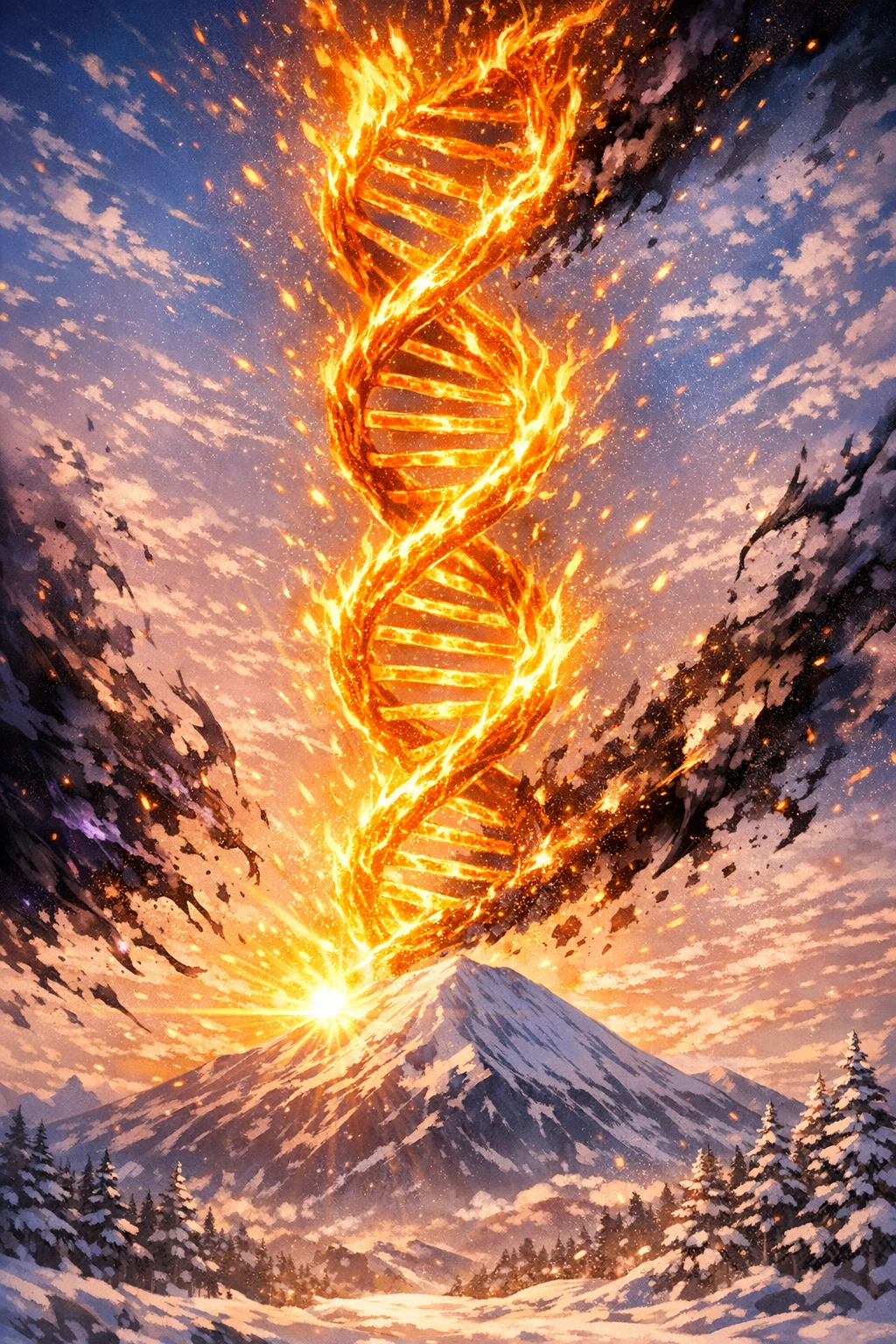
The climax of the Swordsmith Village Arc represents one of the most pivotal moments in the entire mythos of Demon Slayer: the exact moment Nezuko Kamado stands bathed in the morning sunlight, her demonic flesh refusing to burn.
To the characters witnessing it, it appeared as an outright miracle, a divine intervention. However, observing this through the lens of evolutionary biology and genetics within the series’ lore, this event was not a sudden miracle at all. It was the explosive culmination of centuries of generational genetic evolution, heavily influenced by epigenetic inheritance.
To understand why Nezuko conquered the sun, we must trace the lineage of the Kamado family back to the Sengoku era, to the time of Yoriichi Tsugikuni. The vulnerability to sunlight is the fundamental, inescapable flaw woven into Muzan Kibutsuji’s DNA.
UV radiation acts as an absolute, terminal destabilizer to the demonic cellular structure, causing spontaneous and irreversible molecular combustion. No demon, regardless of their power, rank, or concentration of Muzan’s blood, had ever developed an immunity to this—until Nezuko.
The secret lies in the Hinokami Kagura, the Dance of the Fire God. For hundreds of years, the Kamado family, a line of humble charcoal burners, passed down this rigorous, unbroken dance from father to son. This dance was not merely a cultural tradition; it was a perfectly preserved derivative of Sun Breathing, the original and most powerful breathing technique.
Total Concentration Breathing is essentially a method of consciously hyper-oxygenating the bloodstream to vastly increase physical strength, cellular regeneration, and stamina. The Hinokami Kagura takes this a step further. It forces the practitioner’s body into a sustained, sun-based physiological state.
Generations of Kamado men, from dawn until dusk in the freezing mountains, pushed their cardiovascular and respiratory systems to their absolute limits, flooding their cells with highly oxygenated blood while visualizing and embodying the heat and essence of the sun.
In the realm of biology, continuous environmental and behavioral stressors can lead to epigenetic changes—modifications to DNA that regulate how genes are expressed without altering the underlying sequence. Over four hundred years, the relentless, multi-generational practice of this “Sun Breathing” fundamentally altered the genetic baseline of the Kamado lineage.
The Kamado DNA became incredibly resilient, their mitochondria adapted to process extreme oxygen loads, and their cellular structure became inherently attuned to the frequency and nature of the sun. They were unknowingly cultivating a biological immunity. When Nezuko was injected with Muzan’s blood, the demonic retrovirus encountered a genetic sequence unlike any other in history. Her human DNA was already saturated with the evolutionary remnants of Sun Breathing.
As Nezuko’s body fought the demonification process over the years, her unique Kamado genetics began to analyze and counteract the lethal flaws in Muzan’s blood. Because her cellular memory was already attuned to a “sun-like” state, her body began to synthesize specific proteins and natural antibodies designed to protect her mutated cells from UV destruction.
This was a long, slow process of cellular immunity building. By the time the sun rose at the Swordsmith Village, her body had completed the synthesis. The UV radiation, which normally shattered demonic DNA, was instead absorbed, neutralized, and assimilated by the evolutionary antibodies her body had developed. Nezuko did not just survive the sun; her historically conditioned, sun-breathing-infused genetics fundamentally rewrote the rules of demonic biology, achieving the very perfection Muzan had sought for a millennium through sheer, inherited human perseverance.
4. Tamayo’s Rebellion: Pharmacological Warfare
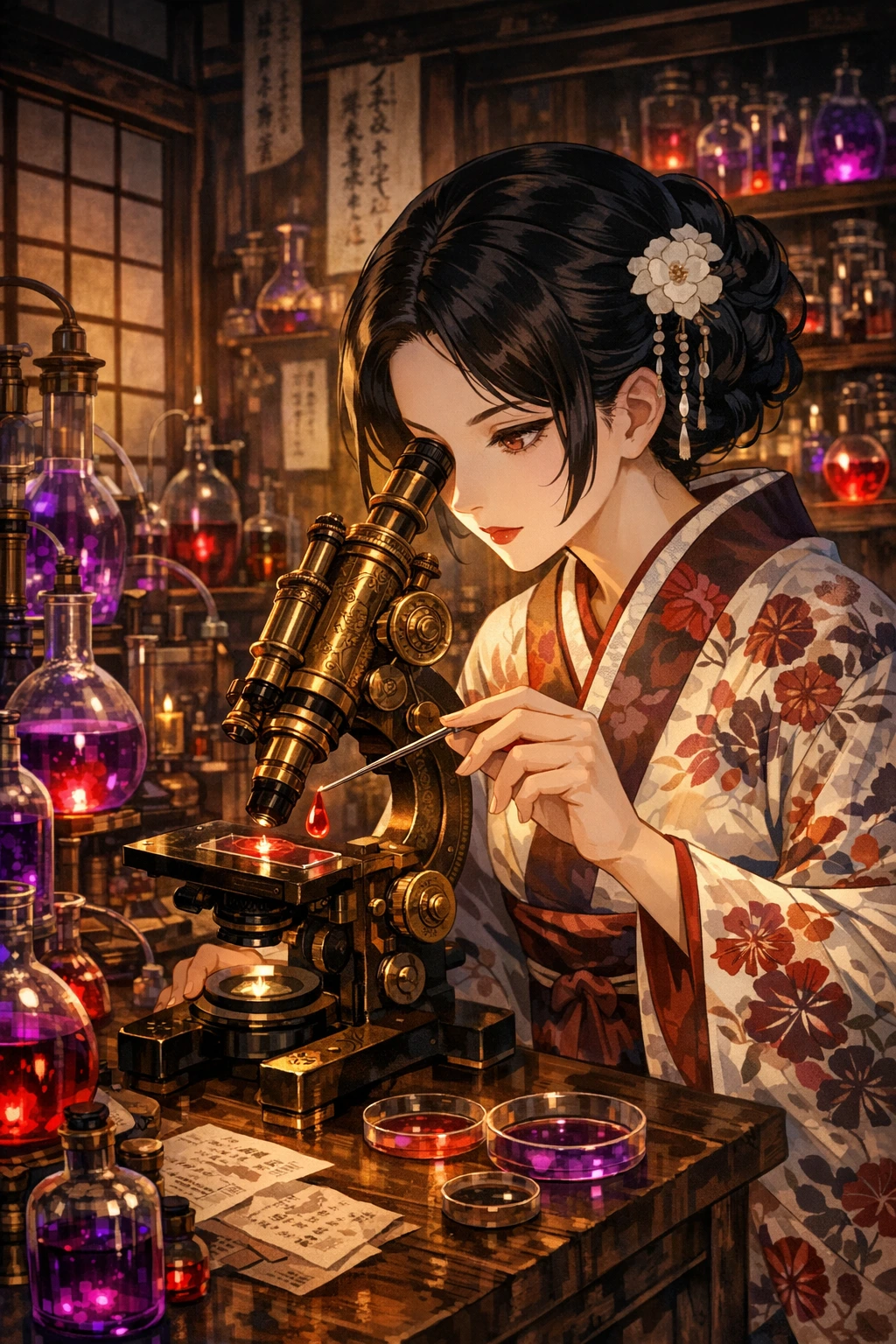
If Nezuko Kamado represents the triumph of inherited genetics and innate willpower over Muzan’s blood, then Lady Tamayo represents the ultimate triumph of medical science and pharmacological warfare. Tamayo’s existence is a profound anomaly, a quiet, surgical rebellion that dealt the most significant damage to Muzan’s empire long before the final battle began. She was the first to prove that the “curse” of the demons was not a supernatural absolute, but a complex biological lock that could be picked with the right scientific key.
Muzan Kibutsuji rules his demons not just through fear, but through a terrifying biological hive mind. His cells, residing within every demon, act as microscopic transmitters and receivers. He can read their thoughts, track their exact geographical locations, feel their emotions, and most terrifyingly, trigger a self-destruct mechanism that causes their cells to violently tear them apart from the inside out if they ever speak his name or act against his will. This is total, inescapable cellular tyranny.
Breaking this hive mind was Tamayo’s first, most desperate masterpiece. Using her extensive, centuries-honed medical knowledge, she effectively performed a microscopic, pharmacological surgery on her own cellular structure. Through relentless experimentation on herself, she identified the specific biological markers and transmitter cells within Muzan’s blood that linked her to his consciousness.
By synthesizing complex chemical compounds and targeted toxins, she managed to systematically sever those connections, blinding Muzan to her presence. She chemically burned out the tracking mechanism and silenced the self-destruct triggers, effectively severing the invisible umbilical cord that tethered her to the progenitor. This was not a magical cleansing; it was the biological equivalent of disabling a bomb from the inside.
Her rebellion escalated with the creation of Yushiro, an act that stands as the ultimate middle finger to Muzan’s biological monopoly. Before Tamayo, it was an absolute law of nature that only Muzan Kibutsuji could create a demon. He was the sole source of the mutagen. Tamayo shattered this monopoly through pure scientific procedure. Facing a terminally ill human patient, Tamayo did not use a parasitic, violent injection of Muzan’s blood. Instead, she utilized an incredibly refined, pharmacologically altered version of demonic cells, carefully engineered and calibrated to stabilize within Yushiro’s dying body.
The creation of Yushiro took over two hundred years of research to perfect, and it represents a clean, scientific evolution of demonification. Yushiro was created without the violent cellular necrosis, without the psychic link to Muzan, and, most importantly, without the overwhelming, predatory hunger for human flesh. He is a demon born of a laboratory, not a massacre.
This leads to Tamayo’s most fundamental daily rebellion: dietary synthesis. While Nezuko survived through comatose energy conservation, Tamayo utilized a scientific workaround to maintain her and Yushiro’s cognitive functions and physical strength without ever hunting a human being. She survived on minimal amounts of human blood, purchased ethically from individuals needing money.
However, she did not simply consume it raw. Tamayo scientifically processed the blood, breaking it down in her hidden laboratories to isolate the specific nutrients and complex proteins required to sustain a demonic metabolism, while simultaneously chemically neutralizing the enzymes and pheromones that trigger the berserker predatory drive in demons.
By refining her sustenance into what is essentially a highly concentrated, medical-grade nutritional supplement, she starved the demonic virus within her of the savagery it craved. She reduced the monstrous requirement of devouring human flesh into a sterile, manageable medical requirement. Lady Tamayo turned Muzan’s terrifying biological curse into a chronic, treatable illness, waging a quiet war of test tubes, centrifuges, and pharmacological brilliance in the shadows for centuries.
5. The Cure: Reversing Demonic DNA
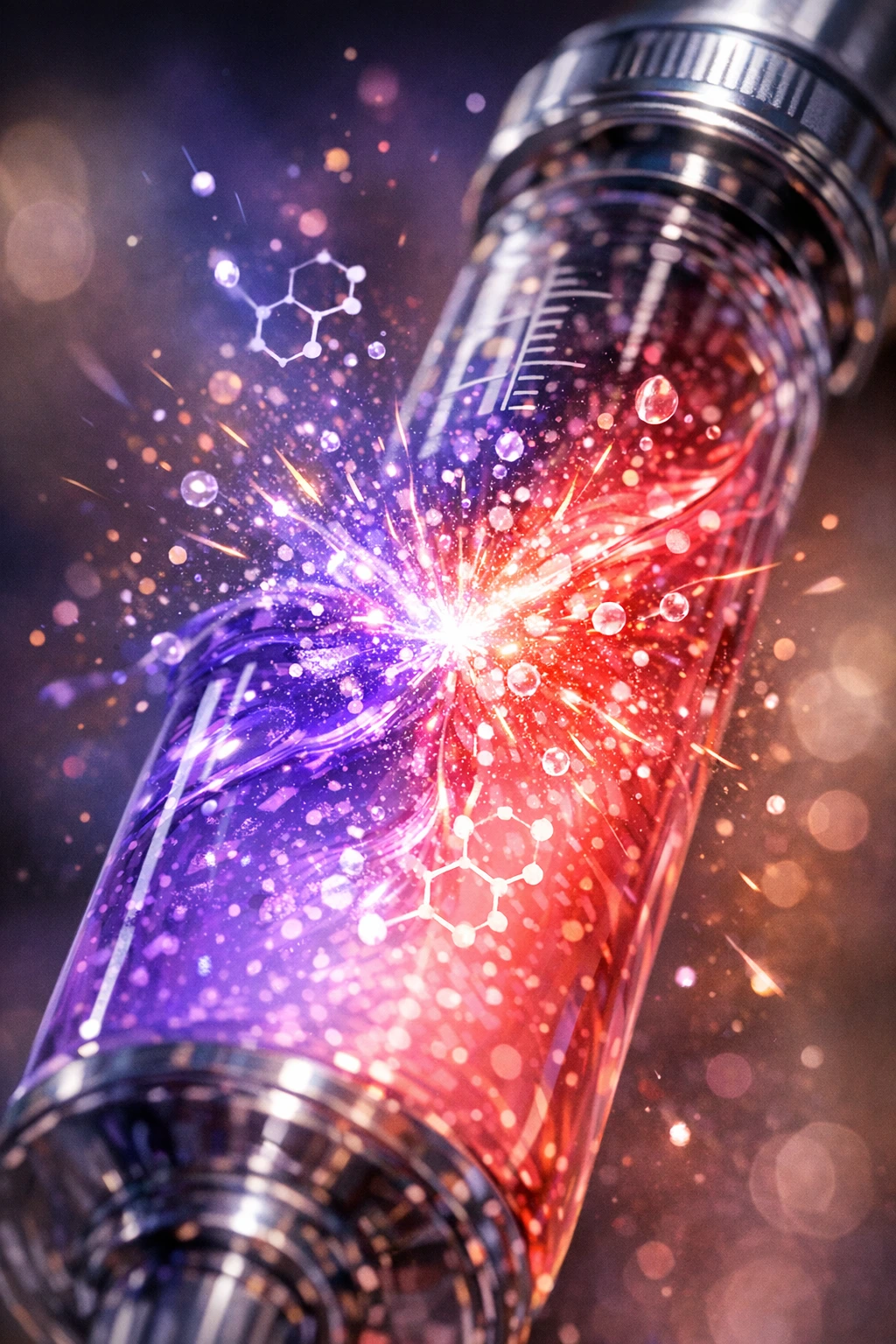
The climax of the war against Muzan Kibutsuji was not initiated by the swing of a Nichirin sword, but by the injection of a meticulously engineered chemical compound. The creation of the demon cure represents the zenith of medical science within the Demon Slayer universe, brought to fruition by the collaborative genius of the era’s two greatest medical minds: Lady Tamayo and Shinobu Kocho.
Their alliance bridged the gap between human pharmacology (Shinobu’s mastery of Wisteria-based poisons) and demon biology (Tamayo’s centuries of cellular research). Together, they achieved the impossible: reversing the flow of demonic DNA and forcing it back to its human baseline.
The foundation of this miraculous cure rested entirely on Nezuko Kamado. When Nezuko conquered the sun, her body became the holy grail of immunological research. Tamayo and Shinobu analyzed Nezuko’s blood samples, identifying the unique, sun-resistant antibodies and the specific genetic sequences where her human DNA had successfully dominated Muzan’s retrovirus.
They did not simply copy these antibodies; they weaponized them. They extracted the core mechanism of Nezuko’s biological victory and synthesized it into a highly aggressive, multi-stage retroviral serum designed to actively hunt down, dismantle, and overwrite demonic cells.
This was not a simple antidote; it was a complex, intelligent bio-weapon composed of four distinct, cascading stages, designed to specifically exploit and annihilate the architecture of Muzan Kibutsuji’s immortal biology.
Stage One: Humanization (The Reversal) The first phase of the drug utilized the synthesized antibodies derived from Nezuko. Once injected into Muzan, this component aggressively targeted his corrupted genetic code. It acted as a molecular reset button, attempting to forcibly peel away the layers of demonic mutation and revert his cells to a frail, mortal human state.
While Muzan’s immense healing factor fought this process, the humanization drug forced his body to expend massive amounts of energy just to maintain his demonic form, essentially creating a massive internal bleeding of his stamina.
Stage Two: Rapid Aging (The Chronological Attack) Anticipating that Muzan would focus all his cellular energy on fighting the humanization process, Tamayo and Shinobu engineered a brutal secondary attack. The drug introduced a highly volatile chemical compound that violently accelerated cellular apoptosis and senescence. Every minute that passed under the influence of this poison aged Muzan by fifty years. Over the course of the final battle, Muzan aged an astonishing nine thousand years.
This forced his hyper-regeneration to work against a dying, rapidly decaying cellular structure, drastically slowing his movements, dulling his reflexes, and degrading his physical power. His body was literally expiring of old age faster than he could heal.
Stage Three: Prevention of Splitting (The Containment) Muzan’s ultimate survival mechanism, famously used to escape Yoriichi centuries prior, was his ability to violently split his body into eighteen hundred microscopic pieces of flesh and scatter them to regenerate later. Shinobu and Tamayo anticipated this cowardly retreat.
The third stage of the drug was a localized cellular coagulant and nerve blocker. It specifically targeted the neural pathways that commanded cellular division, temporarily fusing his molecular structure together. When Muzan attempted to detonate his body to escape the dawn, the drug held his cells in a rigid, unbreakable lock, trapping him in his own decaying form.
Stage Four: Cellular Destruction (The Eradication) The final, fatal blow of the pharmacological war. As Muzan’s body was weakened by humanization, decaying from rapid aging, and trapped by the anti-splitting agent, the fourth stage activated. This was a highly concentrated, lethal toxin designed to actively destroy the demonic cells that were currently failing to regenerate.
It caused massive internal hemorrhaging and cellular collapse. It was a poison that fed on the weakness created by the previous three stages, ensuring that even if Muzan managed to evade the blades of the Demon Slayers, his own biology would tear him apart from the inside. The four-stage drug was a masterpiece of lethal medical engineering, turning Muzan’s own biological arrogance into the exact mechanism of his demise.
6. Conclusion: The Triumph of Human Will

The overarching narrative of Demon Slayer is frequently viewed through the spectacular lens of elemental breathing styles, clashing swords, and supernatural abilities. However, a deeper analysis reveals that the true, foundational war was fought on a microscopic battlefield. Muzan Kibutsuji operated under the absolute belief that his blood was an inescapable biological mandate. He believed that cellular superiority equated to spiritual dominance—that by rewriting a human’s DNA, he fundamentally owned their soul, their mind, and their destiny.
Nezuko Kamado and Lady Tamayo shattered this hubris. They proved, through agonizing endurance and unparalleled genius, that sheer human willpower, familial love, and scientific ingenuity could override even the most aggressive genetic mutations.
Nezuko’s silent, two-year internal war to rewrite her metabolic needs, and her eventual conquest of the sun through the epigenetic legacy of her family, demonstrated that the human spirit can physically alter the course of molecular biology. Tamayo’s centuries of isolation, dissecting the very curse that bound her to forge the weapons of Muzan’s destruction, proved that intelligence and science could conquer absolute, immortal power.
The legacy of the Kamado family, and specifically Nezuko’s survival, paved the way for the total eradication of the demon race. Without her unique genetic resistance providing the blueprint for the cure, and without Tamayo’s pharmacological brilliance weaponizing it, the swords of the Hashira would have ultimately been useless against Muzan’s endless regeneration. Nezuko’s eventual, successful return to humanity was not just a happy ending for a single family; it was the final, definitive victory in a thousand-year biological war.
In the end, the progenitor of demons was not merely cut down by a blade. He was outlasted by a sister’s love, outsmarted by a physician’s intellect, and ultimately unmade by the very human biology he had spent a millennium trying to transcend. The true battle against the demons was never just fought in the forests and the Infinity Castle; it was fought in microscopes, in test tubes, in adapting bloodstreams, and within the unbreakable, luminous architecture of the human psyche.
recent article.
Blue Spider Lily: The 1000-Year Prank With Muzan Kibutsuji.