
In the savage hierarchy of the jungle, the title “King of Beasts” is not merely a label; it is a law. It is reserved for the entity that fears nothing, the apex predator who stands their ground when the forest burns, the one who roars back at the thunder. It belongs to the creature that does not just survive the storm but becomes it.
In the lore of Solo Leveling, the Beast Monarch, Rakan, held this title. He was the Monarch of Fangs, the King of Beasts, a being of such unfathomable power that his physical manifestation alone could induce cardiac arrest in S-Rank hunters. He possessed muscles capable of crushing tank armor like aluminum foil and speed that rendered him invisible to the naked eye.
Yet, history—and the Shadow Monarch—remembers him not for his fangs, but for his feet. Specifically, the speed at which he used them to run away.
Rakan is perhaps the most fascinating character study in the Solo Leveling universe, not because of his strength, but because he represents a fundamental contradiction: absolute physical dominance paired with crippling spiritual cowardice. He is the physical embodiment of terror, a werewolf-lion hybrid designed by the cosmos to be the ultimate killing machine. But beneath the fur, the mana, and the arrogance lies a fragile ego that shatters the moment he is no longer the biggest bully in the room.
To understand Rakan is to understand the difference between a predator and a scavenger. A predator hunts prey that can fight back; a scavenger picks at the weak and flees from the strong. The Beast Monarch, despite his title, was the multiverse’s most powerful scavenger. He survived the ancient wars not through valor, but through betrayal.
He lived by the rule of the wild—survival of the fittest—but he misinterpreted it. He believed survival meant avoiding death at any cost, even the cost of his dignity. In the end, he served as the perfect narrative foil to Sung Jin-Woo: one was a weak human who gained the heart of a King; the other was a God who possessed the heart of a coward.
The Physiology of Terror: Anatomy of a Bully
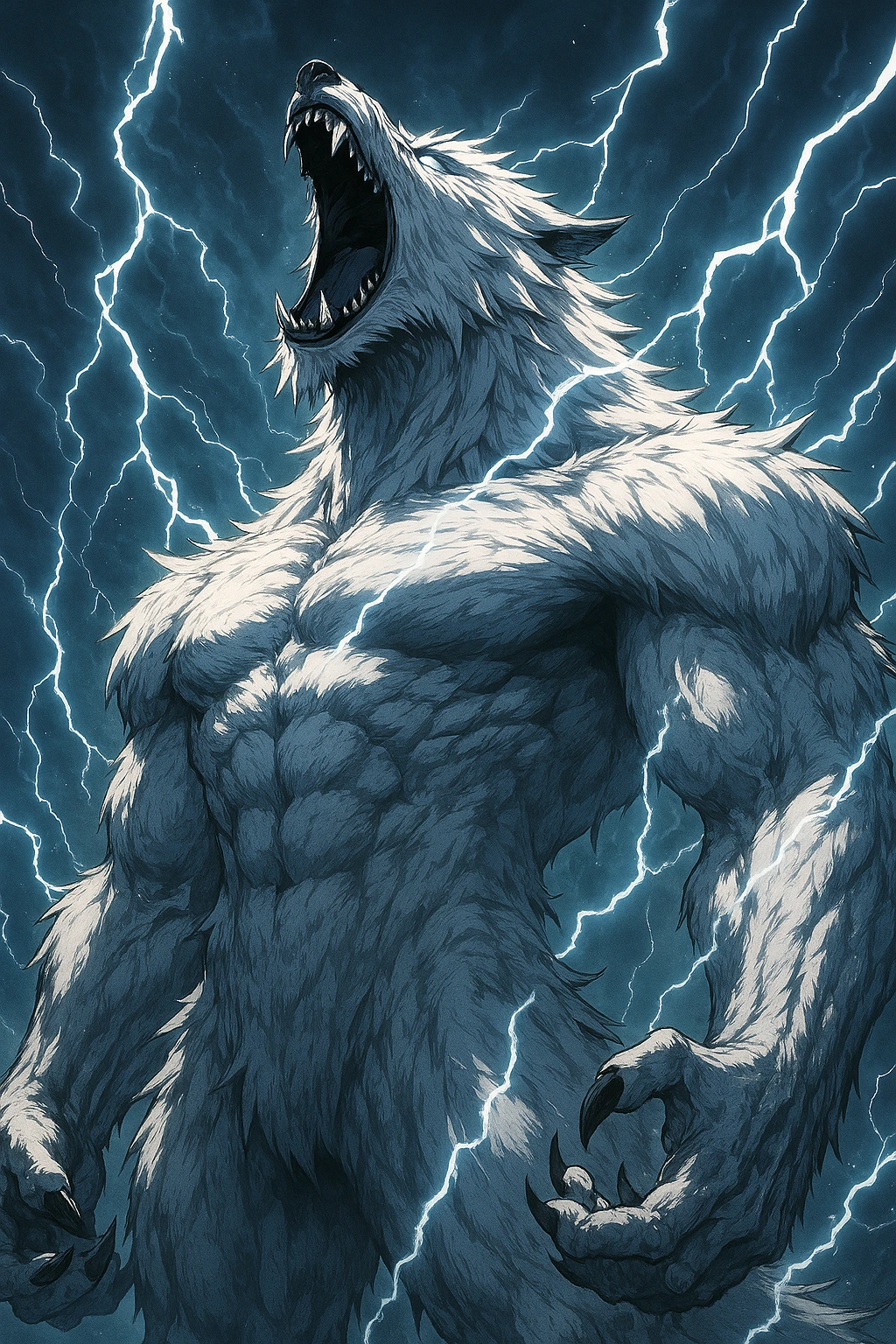
Before dissecting his moral failures, we must acknowledge the sheer scale of Rakan’s physical existence. To call him a “monster” is an understatement. Rakan is the conceptual origin of every werewolf, every predatory beast, and every nightmare that haunts the dark forests of humanity’s collective consciousness.
When he manifests his Spiritual Body, he becomes a white-furred lycanthrope of titanic proportions. His mana is not just energy; it is a physical weight that crushes the lungs of anyone within a multi-kilometer radius. In the Solo Leveling power scaling, physical strength is often measured by what one can destroy. Rakan could destroy cities simply by running through them. His claws were capable of shredding spatial dimensions, creating tears in reality itself. His regeneration was second only to the destruction he dealt.
This physiology is important because it highlights the tragedy of his character. He was built for war. He was built to challenge Gods. The Architect and the absolute being designed him to be a force of nature. When you look at the Iron Body Monarch, you see a defense specialist. When you look at the Plague Monarch (Querehsha), you see a specialist in biological warfare. But Rakan was a generalist of violence—fast, strong, durable, and lethal.
This makes his cowardice even more egregious. If a goblin runs from a dragon, it is wisdom. If a dragon runs from another dragon, it is prudence. But if the King of Beasts runs, it is a betrayal of his very nature. He squandered the greatest physical stats in the series on a spirit that was incapable of enduring hardship. He is the bodybuilder who avoids a fight, the heavyweight champion who only fights flyweights. His anatomy was that of a God, but his psychology was that of a cornered rat.
The Ancient Betrayal: Leaving Baran to Die
To truly understand the depths of the Beast Monarch’s cowardice, we must look back to the Era of Genesis, long before the events of the current timeline. The war between the Monarchs (who sought to destroy the world) and the Rulers (who sought to protect it) was a conflict of cosmic proportions. Within this war, alliances were forged in blood and mana.
The Beast Monarch, Rakan, was allied with the Demon Monarch, Baran (the King of White Flames). Together, they orchestrated a plan that would stain their legacy forever: the ambush of the Shadow Monarch, Ashborn.
Ashborn was arguably the strongest entity in existence, wielding the power of death itself. However, Rakan and Baran saw an opening. They believed that by combining their forces in a 2-versus-1 assault, they could dethrone the King of the Dead. On paper, it was a sound tactical move. Two Monarchs should theoretically overwhelm one. They initiated the betrayal with the intent to kill.
But the moment the battle began, the dynamic shifted. Ashborn didn’t just fight back; he unleashed the full weight of his authority. He summoned the shadow soldiers, the immortal army that rises again and again. The sheer pressure of Ashborn’s “Death” aura began to permeate the battlefield.
This was the defining moment of Rakan’s existence.
A true warrior, or even a respectable villain, would have doubled down. If you strike at the King, you must kill him, or you die trying. The Demon Monarch, Baran, understood this. Though outmatched, Baran stood his ground. He fought amidst the white flames and the shadows, locking horns with Ashborn until his final breath. Baran died a warrior’s death, destroyed by the overwhelming power of the Shadow Monarch. Even in defeat, Baran earned a grim sort of respect; he backed his ambition with his life.
Rakan did not.
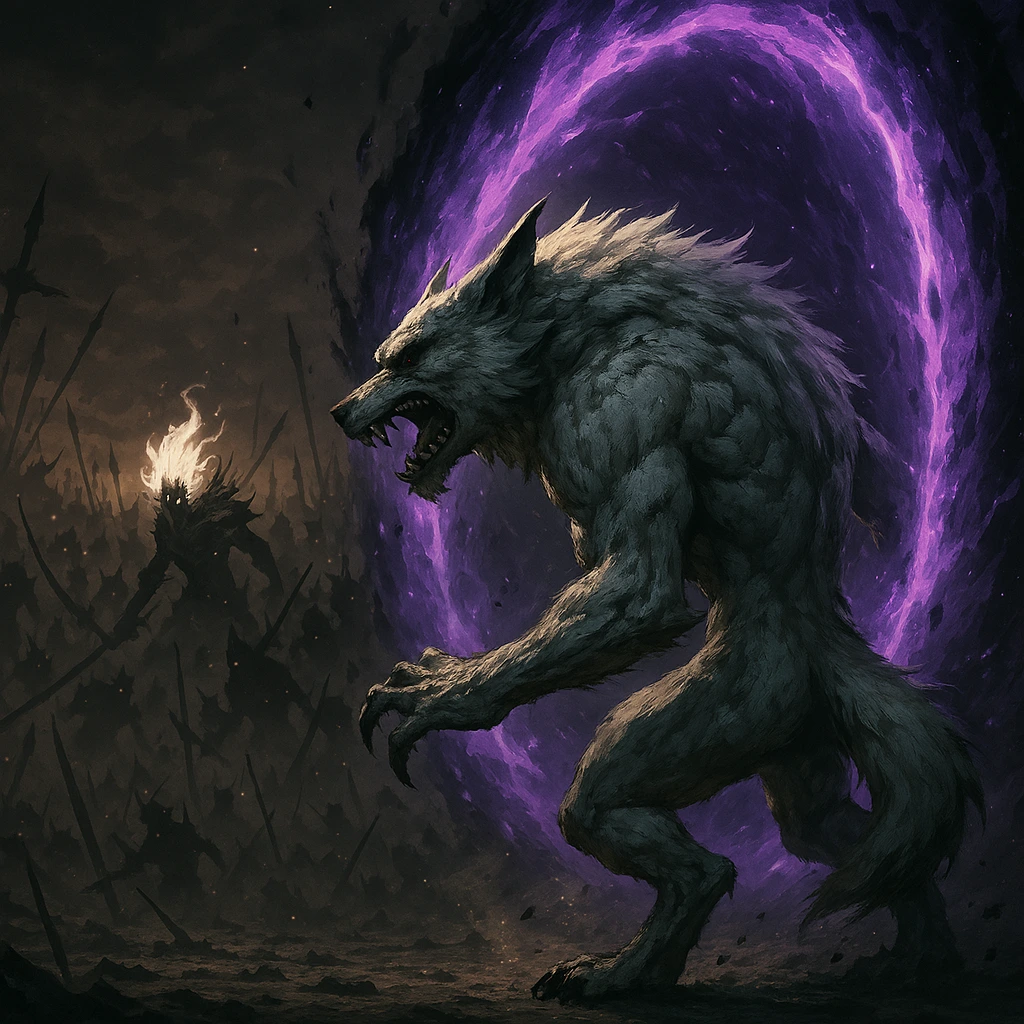
The moment the Beast Monarch realized the tide was turning—the moment he felt the cold grip of true death around his neck—he abandoned the plan. He didn’t signal a retreat; he didn’t try to cover his ally. He turned his tail and fled into a dimensional rift. He left Baran, his partner in treason, to be slaughtered.
This act of desertion is what separates Rakan from other antagonists like Antares (the Dragon Monarch). Antares is evil, yes, but he possesses a majestic pride. He would incinerate the world, but he would never run from a fight he started. Rakan’s flight branded him as a tool in the eyes of the other Monarchs. They worked with him because they needed his claws, but they never respected him. They knew that when the sky fell, Rakan would be the first to look for a hole to hide in. He was the “King of Beasts,” yet he lacked the loyalty of a common dog.
Bullying the Goliath: Beast vs. Tank
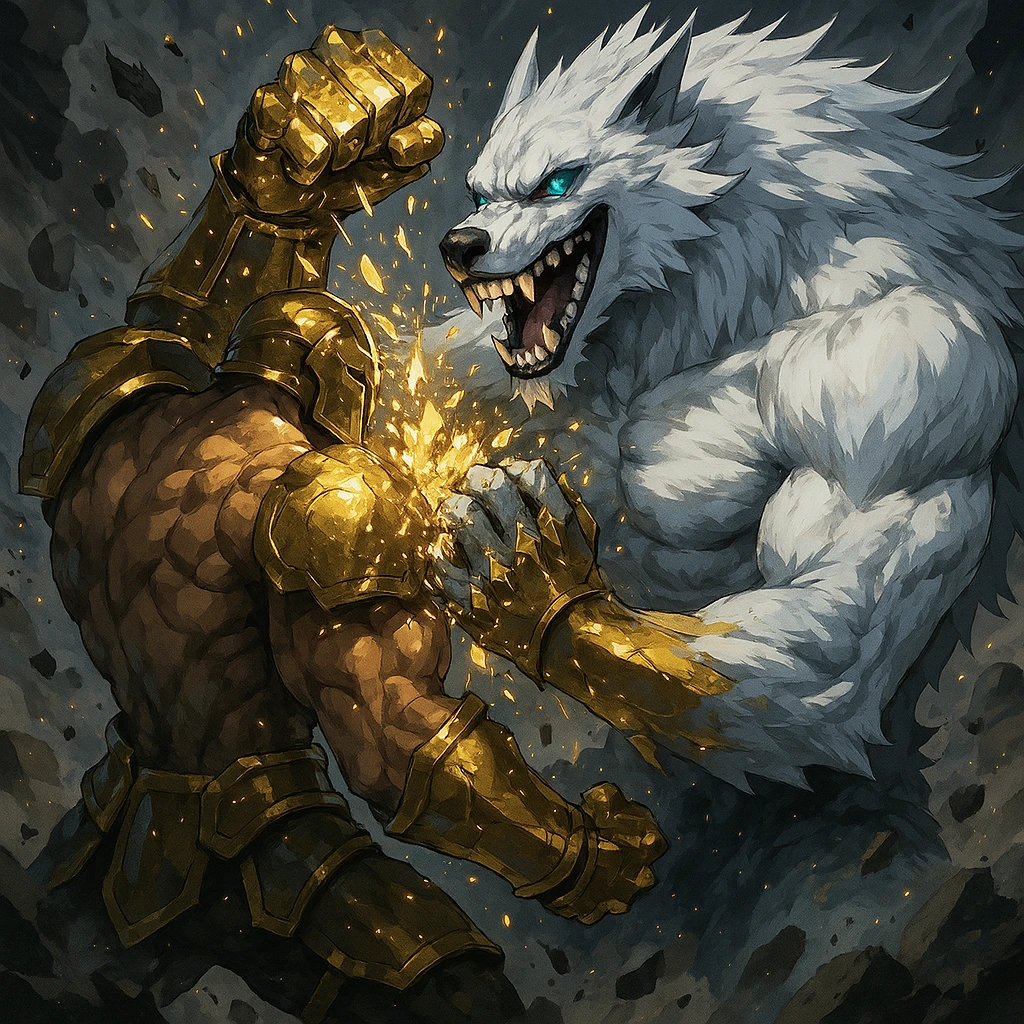
Centuries later, the Beast Monarch reappears on Earth, inhabiting a human vessel. His target is Thomas Andre, the National Level Hunter, the Goliath, and arguably the physically strongest human on the planet.
This confrontation serves a specific narrative purpose: it establishes the insurmountable gap between “Human S-Rank” and “Monarch Rank,” but it also highlights Rakan’s sadistic nature.
The fight is brutal. It is not a duel; it is a dismantling. Thomas Andre is a man who has tanked hits from Kamish, the worst calamity humanity had ever faced. He is encased in golden armor, a manifestation of the Ruler’s authority (since he is a vessel for a Ruler). To the human world, Thomas is an immovable object. He is the shield of humanity, a man whose pride is as thick as his skin.
Rakan treats him like a chew toy.
When the Beast Monarch engages Thomas, he doesn’t use technique or strategy. He uses overwhelming, brute force. He catches Thomas’s punches—strikes that could level city blocks—with his bare hands. He looks at the Goliath with a mixture of boredom and contempt. The most chilling aspect of this beatdown is not the violence, but the ease of it.
Rakan shatters Thomas’s golden armor as if it were glass. He breaks the Goliath’s bones, one by one. But he doesn’t kill him immediately. A professional assassin kills quickly; a soldier kills efficiently. A bully, however, takes their time. Rakan enjoys the despair. He tears at Thomas, humiliating the strongest tank in the world in front of his guild members and the watching world.
He laughs while doing it. He mocks Thomas’s “Reinforcement,” calling it fragile. He revels in the sound of breaking bones and the smell of human fear. This scene proves that Rakan is strongest when his opponent is helpless. He feeds on dominance. He feels like a God when he is stepping on an ant.
This cruelty is a mask. It is overcompensation. Deep down, Rakan knows he is not the strongest. He knows he ran from Ashborn. He knows Antares looks down on him. So, to silence his own insecurity, he must excessively dominate those weaker than him. He destroys Thomas Andre not just to remove an obstacle, but to prove to himself that he is still the King. It is the classic psychology of the weak man who acts strong: he kicks the dog because he cannot fight the master.
The psychological impact on the Scavenger Guild is profound. Watching their invincible leader be dismantled like a doll by a man who is barely trying shatters their worldview. Rakan enjoys this audience. He isn’t just fighting Thomas; he is performing for the crowd, desperate to validate his own superiority.
The Alliance of Convenience: Exploiting the Frost Monarch
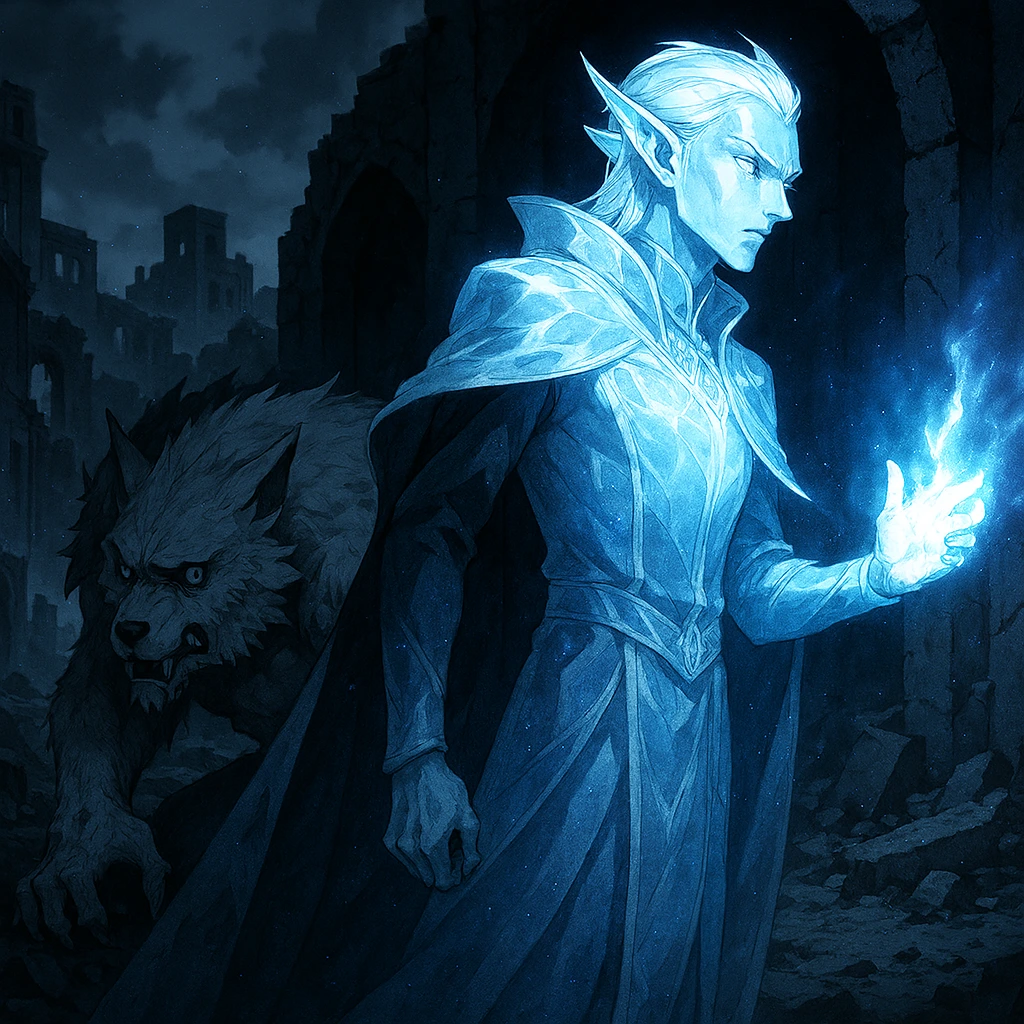
Rakan’s cowardice is not limited to his enemies; it extends to his allies. In the final arc, he teams up with the Frost Monarch and the Plague Monarch. While the Frost Monarch (an ancient elf of ice) is strategic and cautious, Rakan acts as the muscle.
However, a close analysis of their interactions reveals that Rakan is constantly using the Frost Monarch as a buffer. He lets the Frost Monarch set up the fields of ice. He lets the Plague Monarch unleash her insects. Rakan hangs back, waiting for the perfect moment to strike without risk.
The Frost Monarch, intelligent as he is, seems to suspect this. There is a palpable tension between them. The Frost Monarch fights because he believes in the mission of the Monarchs. Rakan fights because he wants to eliminate the threat of the Shadow Monarch so he can go back to being the apex predator.
This dynamic becomes crucial when things go wrong. When the Plague Monarch falls, Rakan does not mourn. He calculates. When the Frost Monarch is pressed, Rakan does not intervene to save him; he intervenes only to secure his own escape. The “Alliance” was never a brotherhood to Rakan; it was a meat shield. He viewed the other Monarchs not as comrades, but as ablative armor designed to absorb the damage while he prepared his exit strategy.
The Mistake: Waking the Sleeping Dragon
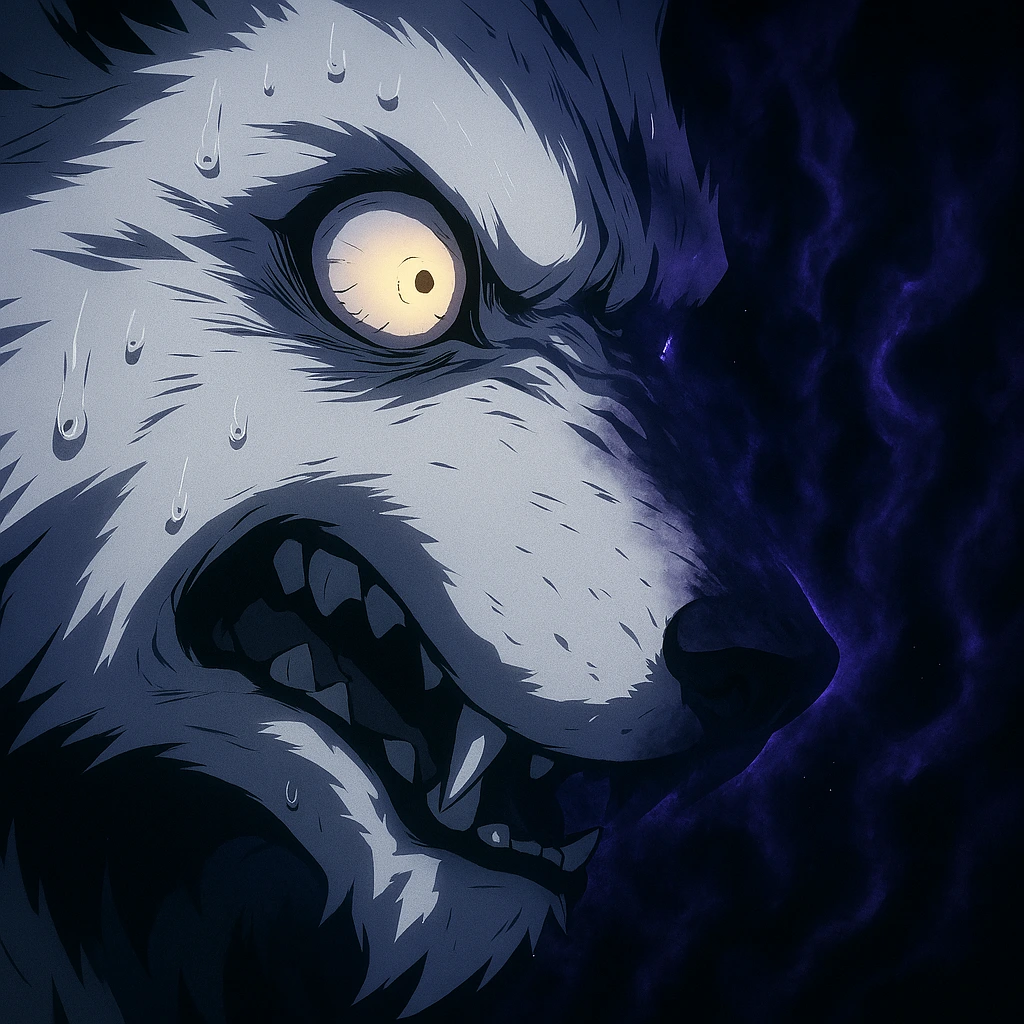
The Beast Monarch’s arrogance leads him to his fatal error: targeting Sung Jin-Woo.
Rakan, along with the Frost Monarch and the Monarch of Plagues, decides to ambush Jin-Woo. The logic is similar to his betrayal of Ashborn: strike when the enemy is distracted. Jin-Woo is undergoing the process of becoming the full Shadow Monarch, effectively deleting the “System” that restricted his powers. In this state, he appears to be “offline,” a sitting duck in a chaotic battlefield.
Rakan believes this will be an easy meal. He enters the fray with his usual swagger, expecting to tear apart a sleeping human. He smells the prey. His senses, the sharpest among all Monarchs, tell him that a delicious meal is waiting. He salivates at the thought of extinguishing the Shadow Monarch’s light before it truly begins to burn.
Then, the glitch happens. The system deletion completes. The “Human” Sung Jin-Woo ceases to exist, and the Shadow Monarch fully awakens.
The shift in the atmosphere is instantaneous. The writing in this scene is masterful because it focuses on Rakan’s sensory perception. As the Beast Monarch, his nose is his greatest asset, but it becomes his greatest curse.
He smells it first. The scent of “prey” vanishes. It is replaced by the scent of the grave. It is the smell of dry earth, cold darkness, and eternal silence. It is the specific mana signature of Ashborn—the very being Rakan ran from eons ago.
The psychological collapse of the Beast Monarch is immediate. One second, he is a confident killer, ready to feast. The next, he is a whimpering dog. The memories of the ancient war flood back. The realization that he is not facing a fledgling successor, but the true heir to the power of Death, paralyzes him.
He stops his attack. His posture changes. The fur on his back doesn’t stand up in aggression, but in terror. He looks at the Frost Monarch, not with a plan for a counter-attack, but with a look that screams, “We made a mistake.”
This is the “King of Beasts” in his truest form. When the prey has fangs, Rakan loses his appetite. The transition from “I will eat you” to “Let’s negotiate” happens in the blink of an eye, exposing the utter lack of conviction in his soul.
The Execution: A Beast Should Know Its Place
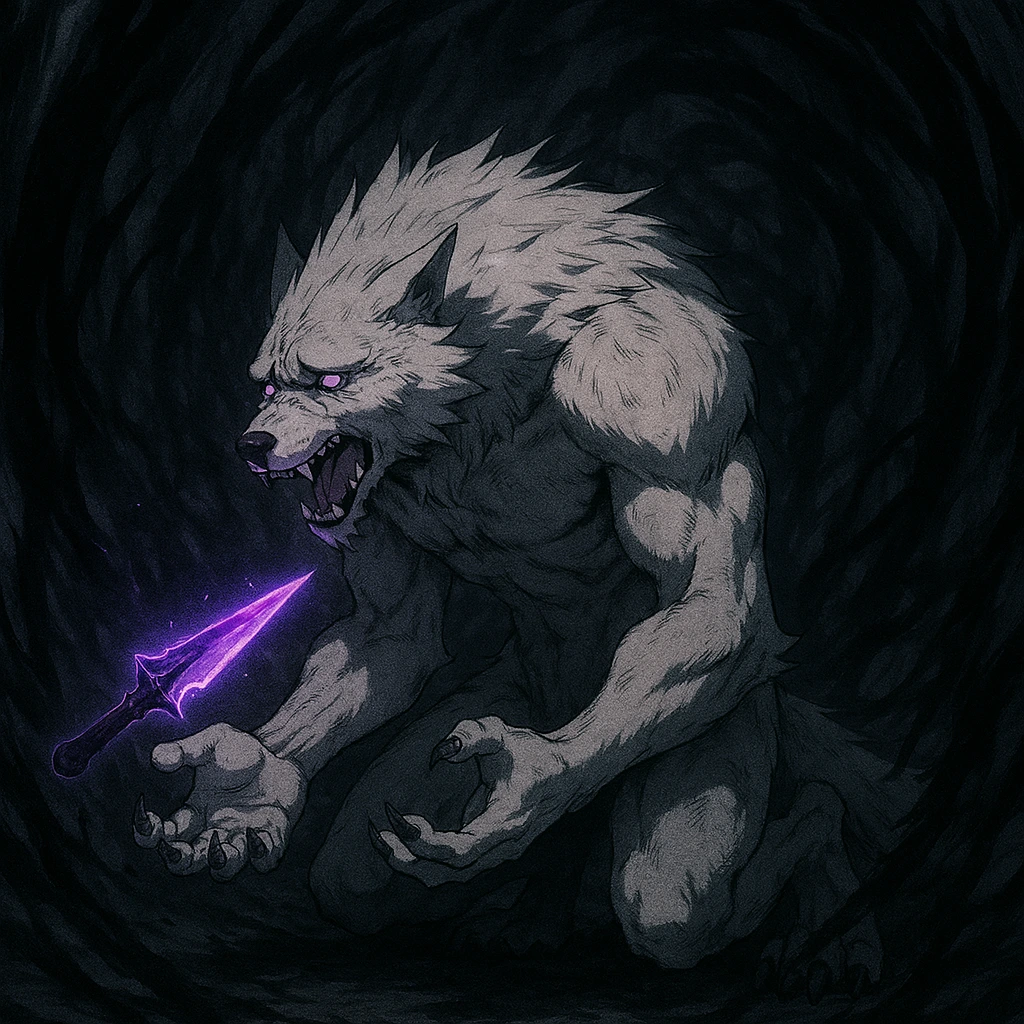
The finale of Rakan’s life is pathetic, satisfying, and deeply instructive. It serves as the ultimate catharsis for the reader, contrasting the honorable battles of the series with a purely punitive execution.
Realizing he cannot win, Rakan attempts to do what he does best: run. He tries to flee the battlefield, abandoning the Frost Monarch just as he abandoned Baran. He opens a portal, desperate to escape into the dimensional gap where he can hide and wait for another few centuries. He doesn’t care about the war. He doesn’t care about the destruction of Earth. He only cares that his heart continues to beat.
But Sung Jin-Woo is not Ashborn. Ashborn was a ruler of the dead, somewhat detached and regal. Jin-Woo is a hunter. And a hunter does not let the wounded beast escape.
Jin-Woo utilizes Shadow Exchange. In a blur of black smoke, he cuts off Rakan’s escape route. The Beast Monarch slams into an invisible wall of mana, trapped in a barrier of shadows. The exit is closed. The hunter has locked the cage.
What follows is the most humiliating moment for any Monarch in the series. Rakan, the King of Beasts, begs.
“Wait! We are technically on the same side! I can help you fight the Rulers!”
He pleads for his life. He offers alliances. He debases himself completely. He tries to appeal to logic, to politics, to anything that might stay the dagger at his throat. He forgets that he just spent the last hour trying to murder Jin-Woo and mutilate his friends. He forgets that he just destroyed Seoul.
Jin-Woo’s response is cold, precise, and devoid of mercy. He looks at the whimpering werewolf and delivers the verdict that defines the scene (paraphrased): “A predator doesn’t negotiate with its food.”
The fight that ensues is short. It is an execution. Jin-Woo unleashes a 4-hit combo that dismantles the Beast Monarch.
- Dagger Rush: Jin-Woo’s speed now exceeds Rakan’s. The Beast Monarch, who prided himself on agility, cannot track the movements of the Shadow Monarch. He is slashed dozens of times in a second. Every cut is a reminder that he is no longer the fastest thing alive.
- Mutilate: Jin-Woo targets the tendons and the muscles. He systematically takes apart Rakan’s ability to fight back. This mirrors exactly what Rakan did to Thomas Andre. Jin-Woo gives the bully a taste of his own medicine.
- Dragon’s Fear: Jin-Woo unleashes a roar of mana that stuns Rakan. This is poetic justice. The Beast Monarch used fear to paralyze humans; now he is paralyzed by the fear of a higher dragon. The skill ‘Dragon’s Fear’ works based on the difference in strength and will. The fact that it worked so effectively on Rakan proves that his will was weak.
- Decapitation: The final strike is clean.
Why couldn’t Rakan regenerate? He is a Monarch; he has vast vitality. The answer lies in his fear. In the Solo Leveling universe, will and mana are connected. Rakan was so consumed by the terror of Ashborn’s power, so thoroughly dominated by the intent of the Shadow Monarch, that his spirit broke before his body did. He died not just because he was physically outmatched, but because he accepted his death the moment he smelled Ashborn. He died as prey.
Comparison: Beru vs. The Beast Monarch
To fully appreciate the pathetic nature of the Beast Monarch, one must compare him to Beru, the Ant King. This comparison is vital because Beru is ostensibly a “lower” life form, yet possesses a “higher” spirit.
Beru began his existence as a monster, an ant born to serve the Queen. Technically, Beru is far lower on the cosmic totem pole than a Monarch. He is a creation, a “bug.” He was designed to be disposable.
Yet, look at their spirits.
When Beru fought Jin-Woo on Jeju Island, he fought until his exoskeleton was cracked and his body was broken. He never begged. He never offered a deal. He fought with the ferocity of a king protecting his colony. When Beru was resurrected as a shadow soldier, his loyalty became absolute.
Later in the series, Beru throws himself at Monarchs (like the Plague Monarch and later the Dragon Monarch) to protect Jin-Woo. Beru, knowing he is outclassed, knowing he might be erased from existence, stands his ground. He screams defiance at Gods to protect his liege. He loses arms, he gets crushed, but he never runs.
Compare this to Rakan. Rakan is a King. He has lived for eons. He has armies of beast soldiers. Yet, he sacrifices his allies to save his own skin. He abandons Baran. He tries to abandon the Frost Monarch. He begs Jin-Woo for mercy.
The irony is staggering. The “Bug” possessed the heart of a Lion, while the “Lion” possessed the heart of a cockroach.
Beru became a fan-favorite character because audiences respect loyalty and courage, regardless of the species. Rakan became a stepping stone, a hated villain, because audiences despise hypocrisy. Rakan demanded the respect due to a King but acted with the cowardice of a traitor. This juxtaposition reinforces the core theme of Solo Leveling: Title and Rank mean nothing; it is the strength of the “Heart” (or the Player) that defines the being.
The Symbolism of the Wolf: A Perversion of Archetypes
In mythology and folklore, the wolf is often a symbol of guardianship, loyalty, and fierce protection of the pack. The “Lone Wolf” is a romanticized figure of independence. Rakan twists these archetypes into something grotesque.
He is a wolf with no pack, not because he is independent, but because he sacrifices them. He is a predator with no honor. By designing Rakan this way, the author deconstructs the cool factor of the “Werewolf” trope. Usually, werewolves are uncontrollable berserkers who fight to the death. Rakan is a calculating politician in a werewolf’s body.
This perversion makes him more hatable than a mindless monster. A mindless monster kills because it is hungry. Rakan kills because it makes him feel safe. He destroys to prevent anyone from rising high enough to threaten him. He is the ultimate gatekeeper of power, pulling up the ladder so no one else can climb, only to cower when someone flies over the wall.
Conclusion: The Survival of the Fittest
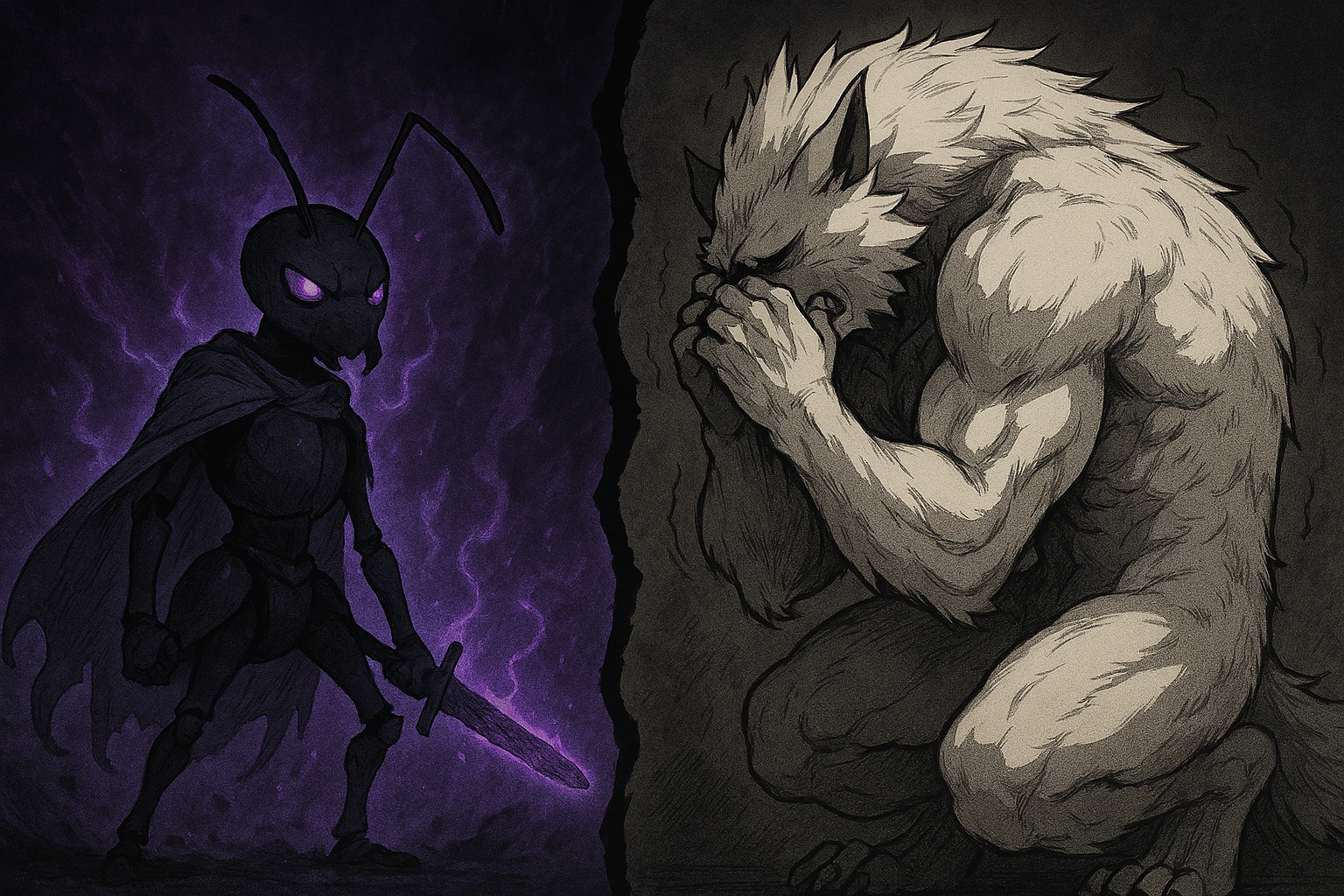
The Beast Monarch lived his entire existence preaching the law of the jungle. The strong eat the weak. The fast eat the slow. It is a simple, brutal philosophy.
In the end, he became the victim of his own worldview. He encountered a predator stronger, faster, and more ruthless than himself. By his own logic, he deserved to be eaten.
Rakan’s death was necessary. It wasn’t just a plot point to level up Jin-Woo; it was a thematic cleansing. He represented strength without courage, power without responsibility, and authority without honor. A King who cannot stand and fight for his people, or even his allies, is no King at all.
He was the perfect villain to mark Jin-Woo’s final transition. When Jin-Woo killed the architect, he overcame the system. When he killed the Beast Monarch, he overcame the fear of the Monarchs. He looked at the “King of Beasts,” saw the fear in his eyes, and realized that these ancient gods could bleed, scream, and die just like the goblins in the E-Rank dungeons.
The Beast Monarch was the shame of all predators. He had the claws to rule the world, but he lacked the spine to hold it. In the end, he didn’t die like a King in battle; he died like a cornered rat, proving that you can cover a coward in muscles and mana, but you cannot change what he is. His legacy is not one of conquest, but of flight—a warning to all who seek power that without the will to wield it, you are nothing more than prey waiting for a hunter.