
Introduction
The My Hero Academia universe presents a society built upon the bedrock of superhuman abilities known as Quirks. With over eighty percent of the global population possessing some form of genetic mutation, meta-ability, or supernatural power, the societal structure has fundamentally shifted to accommodate, regulate, and police these phenomena.
However, beneath the gleaming veneer of Pro Heroes, prestigious academies like U.A. High School, and the rigid framework of the Hero Public Safety Commission, lies a dark, festering underbelly. It is within this shadowy socio-economic chasm that “Trigger” finds its domain.
The Chemical Catalyst To truly understand the threat of Trigger, one must first define it not merely as a localized, illegal street drug, but as a highly dangerous biological accelerant that forcefully and violently mutates the human Quirk Factor.
In a world where a person’s worth is often intrinsically tied to the utility and strength of their Quirk, the desire for more power is a universal temptation. Trigger is the chemical manifestation of that temptation. It is a catalyst that bypasses years of arduous physical training, mental discipline, and natural biological growth, offering instantaneous, unparalleled amplification.
This substance does not just temporarily buff a user; it fundamentally alters their genetic expression in real-time, forcing the body’s Plus Alpha factors—the genetic components responsible for Quirks—into overdrive. The result is a chaotic, explosive, and often tragic display of superhuman might that defies the natural laws established by human biology.
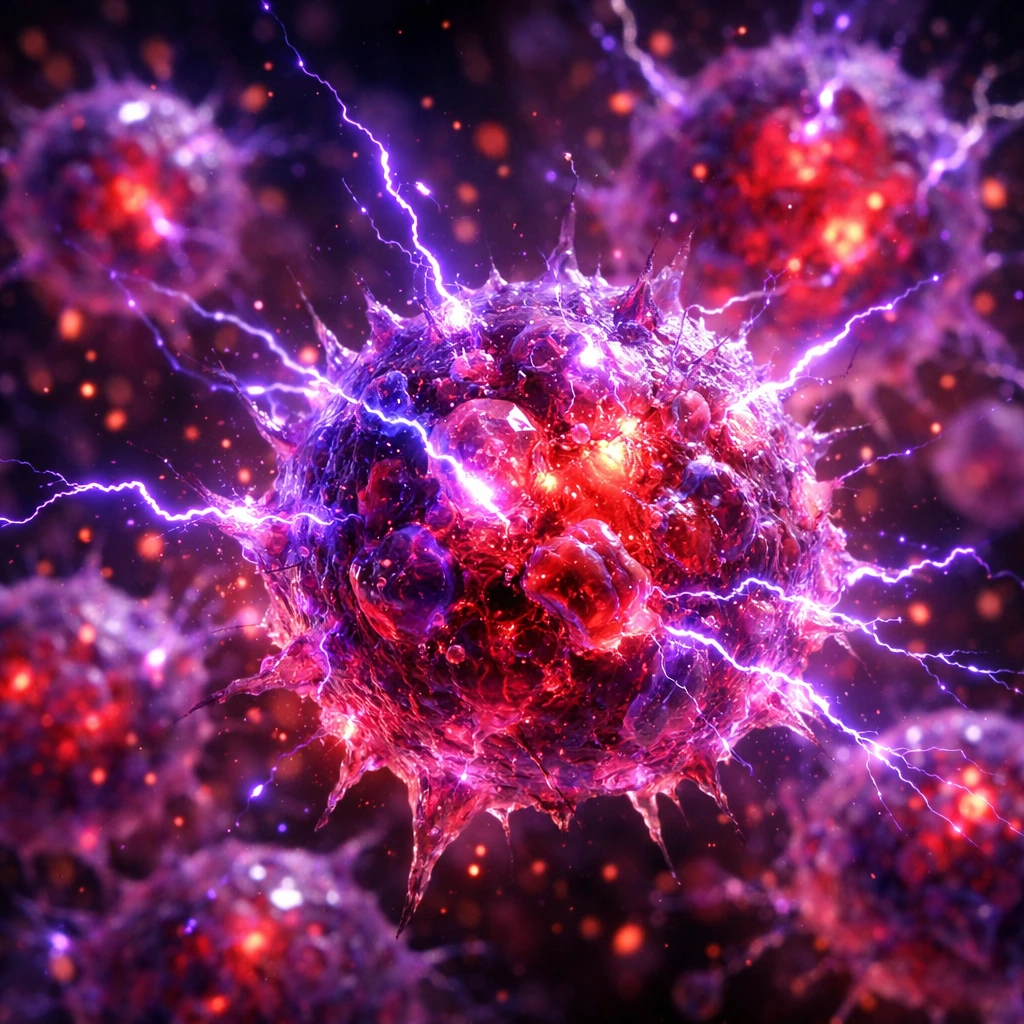
The Shortcut to Power The genius of Trigger’s narrative and societal role within the My Hero Academia lore is how it preys on the weak, the marginalized, and the desperate in hero society. Not all Quirks are created equal. For every explosive powerhouse like Katsuki Bakugo or elemental god like Shoto Todoroki, there are thousands of individuals with mundane, weak, or physically taxing Quirks.
Furthermore, individuals with heteromorphic (mutant-type) Quirks often face severe discrimination, societal alienation, and reduced economic opportunities. Trigger targets these disenfranchised demographics. It offers them a temporary, god-like power—a fleeting moment where they can stand toe-to-toe with the elite, authorized Pro Heroes who look down upon them.
It is the ultimate shortcut to power, a synthetic equalizer that allows a common street thug to shatter buildings and overwhelm seasoned veterans. However, this power comes at a devastating cost to their humanity, their sanity, and their physiological integrity.
Article Scope This article serves as the definitive, expert-level breakdown of Trigger. We will venture far beyond the surface-level understanding of this substance, peeling back the layers of its complex chemical mechanics, tracing its terrifying origins in the criminal underworld, and analyzing the severe psychological toll it extracts from its victims.
Furthermore, we will explore the terrifying evolutionary variations of Trigger across the MHA universe—from its crude, raw beginnings on the streets of Naruhata to the refined, weaponized forms engineered by Yakuza syndicates and apocalyptic cults. This is the ultimate analysis of the chemical poison that threatens to unravel the fabric of superhuman society.
The Origin: The Villain Factory (Deep Lore)
To comprehend the sheer scale of the threat posed by Trigger, one must look beyond the mainline My Hero Academia narrative and delve deep into the lore established in the prequel series, My Hero Academia: Vigilantes.
It is here, in the neglected, lawless streets of the Naruhata district, that the true, horrifying purpose of Trigger is revealed. It was not created by a random street-level cartel looking to make a quick profit; it was the product of unparalleled, malevolent genius.
The Shadow Syndicate The revelation regarding Trigger’s origins is one of the darkest secrets in the MHA universe: the drug was originally manufactured and distributed by a clandestine organization known only as the “Villain Factory.”
Unbeknownst to the street-level thugs who peddled and consumed the drug, the Villain Factory was a covert operation secretly backed, funded, and overseen by the overarching antagonist of the series, All For One, and his loyal, mad scientist, Dr. Kyudai Garaki.
The Villain Factory operated from the shadows, using intermediary agents like the mysterious Number 6 to distribute Trigger into the lower echelons of society. Their goal was never financial gain. The streets were merely a petri dish, and the marginalized citizens of Naruhata were unwitting, disposable lab rats in a much grander, far more sinister scientific endeavor.
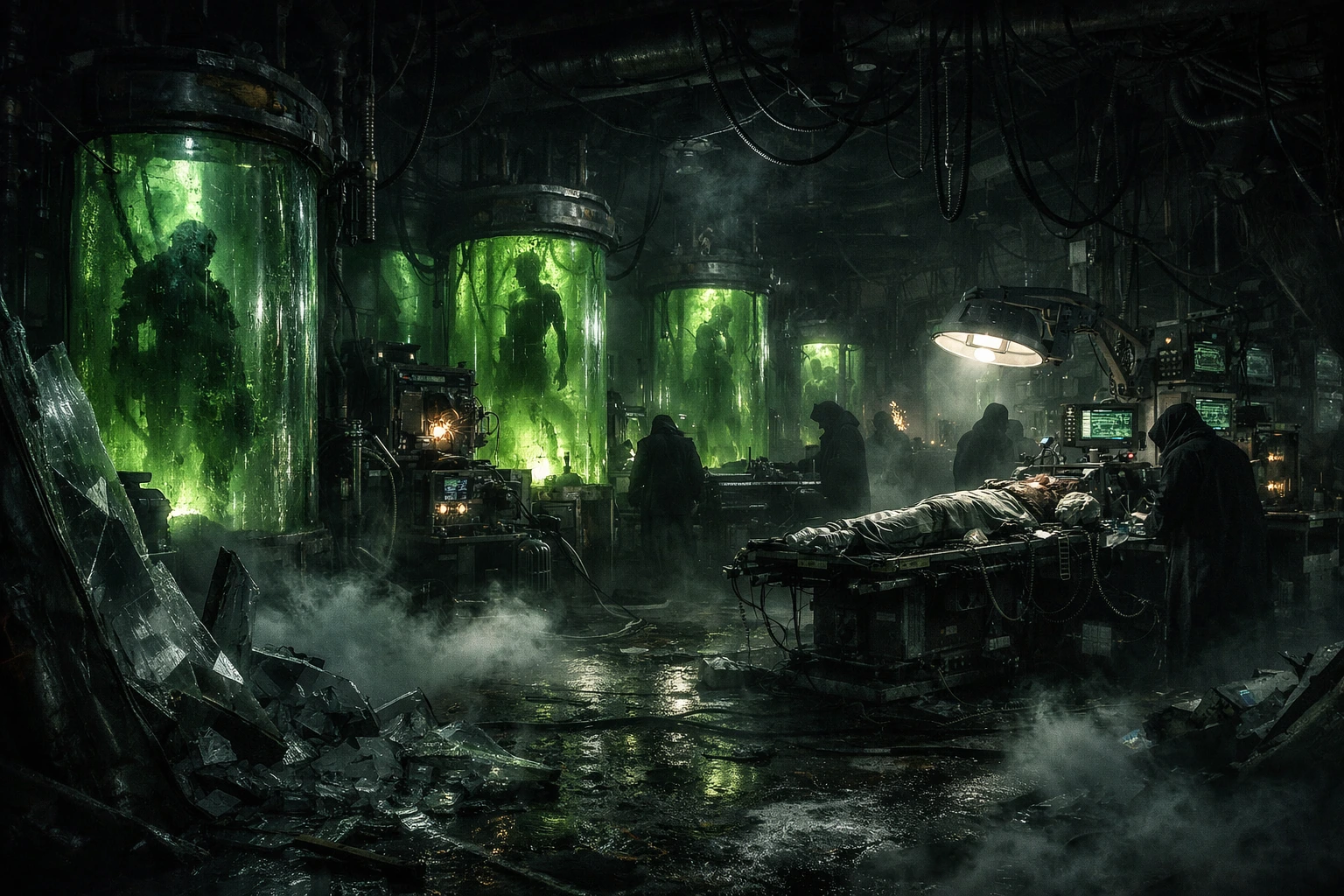
The Proto-Nomu Experiment Dr. Garaki’s ultimate ambition has always been the perfection of the Nomu—artificially bio-engineered corpses capable of holding multiple Quirks without suffering catastrophic brain death. To achieve this, Garaki needed vast amounts of empirical data on how the human body reacts to forced Quirk amplification and genetic stress.
Early Trigger was distributed not as a recreational drug, but as a mass biological experiment. The Villain Factory observed how different body types, Quirk categories, and psychological profiles reacted to the sudden, explosive expansion of their Quirk Factors. When a user overdosed on Trigger, transforming into a mindless, rampaging beast, the Villain Factory did not see a tragedy; they saw data.
The physiological breakdowns, the mental deterioration, and the cellular collapse caused by Trigger were all meticulously recorded. In essence, every thug who injected Trigger in the alleyways of Naruhata was unknowingly contributing to the blueprint of the High-End Nomus that would later devastate Japan. Trigger was the proto-Nomu experiment, a necessary stepping stone in All For One’s quest for absolute power.
The Queen Bee Parasite The early administration of Trigger was chaotic, unpredictable, and highly volatile. To exert some level of control over the infected subjects, the Villain Factory integrated the drug with horrifying parasitic Quirks.
The most prominent example of this is the “Queen Bee” parasite, wielded by Kuin Hachisuka. The Queen Bee Quirk allowed the user to control a swarm of explosive bees that could inject specialized, localized doses of Trigger directly into a target’s bloodstream.
This meant that Trigger administration became involuntary. Innocent bystanders, minor criminals, or even amateur heroes could be stung by a bee and instantly mutated into rampaging, Trigger-fueled monsters. The Queen Bee parasite allowed the Villain Factory to direct the chaos, forcing individuals to undergo forced Quirk amplification against their will, turning civilians into living, breathing weapons to test the response times and capabilities of local Pro Heroes and unauthorized Vigilantes like the Crawler and Knuckleduster.
The Biological Mechanics of Amplification
To appreciate the terror of Trigger, we must analyze its mechanism of action through the lens of My Hero Academia’s fictional biology. Quirks are not magic; they are physiological functions governed by genetics, cellular energy, and neurological control. Trigger is a masterclass in chemical sabotage, systematically dismantling the body’s natural safeguards to produce its devastating effects.
Bypassing the Limiters The core science of Trigger revolves around the concept of neurological and biological limiters. In a healthy superhuman, the human brain naturally places subconscious limiters on a Quirk’s output.
Much like how a normal human brain prevents a person from contracting their muscles so hard that they snap their own bones (unless under extreme, life-threatening adrenaline), the brains of Quirk users regulate their powers to prevent the body from tearing itself apart. If a person with a fire Quirk produced flames hotter than their skin could withstand, they would incinerate themselves.
Trigger is designed to completely and violently dissolve these subconscious limiters. It floods the nervous system with synthetic compounds that block the brain’s safety protocols. Once the limiters are bypassed, the user has access to 100% of their Quirk’s raw, unmitigated potential, regardless of whether their physical body is capable of surviving that output.
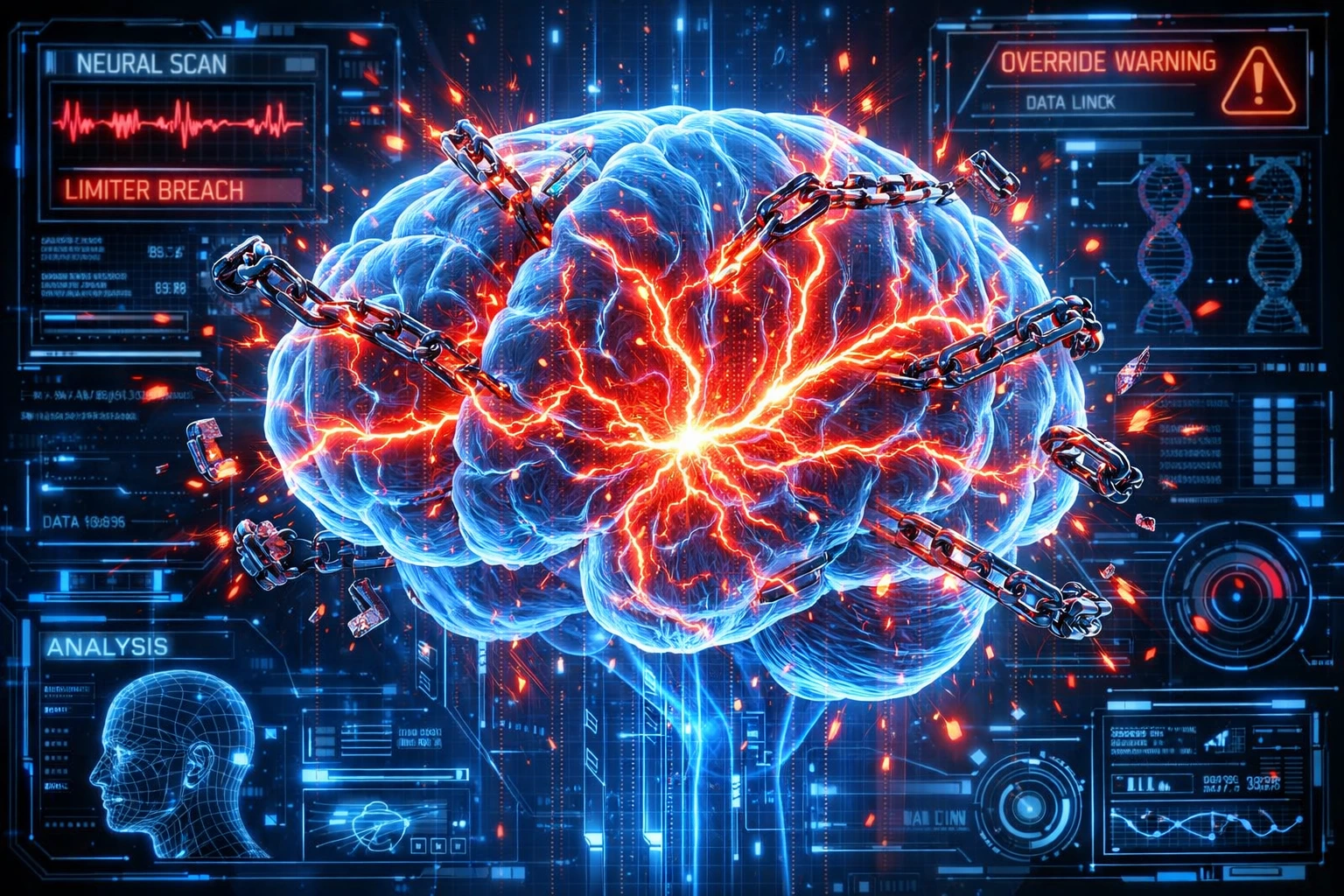
The Quirk Factor Swell On a cellular level, the administration of Trigger causes an immediate, traumatic event known as the Quirk Factor Swell. The “Quirk Factor” refers to the collective physical and genetic traits that allow a Quirk to function—the specialized organs, the altered DNA, the unique Plus Alpha genes. When Trigger enters the bloodstream, it acts as an aggressive, forced mutagen.
It attacks the cells responsible for the Quirk Factor, forcefully expanding them and supercharging their cellular metabolism. This sudden, violent expansion forces the Quirk to output at 150% to 200% of its natural capacity. Emitter Quirks become massive and uncontrollable; Transformation Quirks mutate the body to grotesque, oversized proportions; Mutant Quirks become sharply exaggerated and hyper-lethal.
The Quirk Factor swells so rapidly that it demands immense amounts of energy, cannibalizing the body’s natural reserves in a matter of seconds.
The Hardware Burnout The fundamental flaw of Trigger—and the reason it is so lethal to its users—lies in the biological reality of the “Hardware” versus the “Software.” The “Software” is the Quirk itself—the genetic programming that dictates what the power does.
Trigger successfully and forcefully boosts the Software. However, the “Hardware”—the physical flesh, bones, blood vessels, and organs of the human body—is not upgraded. When a Quirk is suddenly operating at 200% capacity, the un-upgraded physical body simply cannot withstand the strain. This leads to immediate, catastrophic internal damage.
Muscles tear under the strain of sudden mass accumulation. Blood vessels rupture as elemental powers overheat the core temperature. Bones fracture under the kinetic recoil of enhanced strength. The biological reality of Trigger is that it burns the user from the inside out. The body is essentially used as disposable kindling to fuel a temporary, explosive bonfire of Quirk energy.
The Physical and Psychological Recoil
The true horror of Trigger is not just the destruction it causes to the surrounding environment, but the profound degradation it inflicts upon the user. The drug exacts a toll that is both instantly visible and long-lasting, ravaging the mind and the body in equal measure.
The Feral State The immediate psychological degradation caused by crude, unrefined Trigger is arguably its most terrifying side effect. Upon injection, the drug heavily suppresses the prefrontal cortex—the area of the brain responsible for logical reasoning, decision-making, moral judgment, and impulse control.
Simultaneously, it hyper-stimulates the amygdala, the brain’s center for primal emotions, aggression, and the fight-or-flight response. The result is the complete loss of the user’s ego and humanity, reducing them to a state of feral, aggressive instinct.
A user under the influence of standard Trigger cannot be reasoned with, cannot formulate complex strategies, and cannot distinguish between friend and foe. They become pure, unleashed ids, driven solely by the urge to destroy and exercise their newfound power. This psychological stripping turns users into predictable, albeit highly dangerous, berserkers.
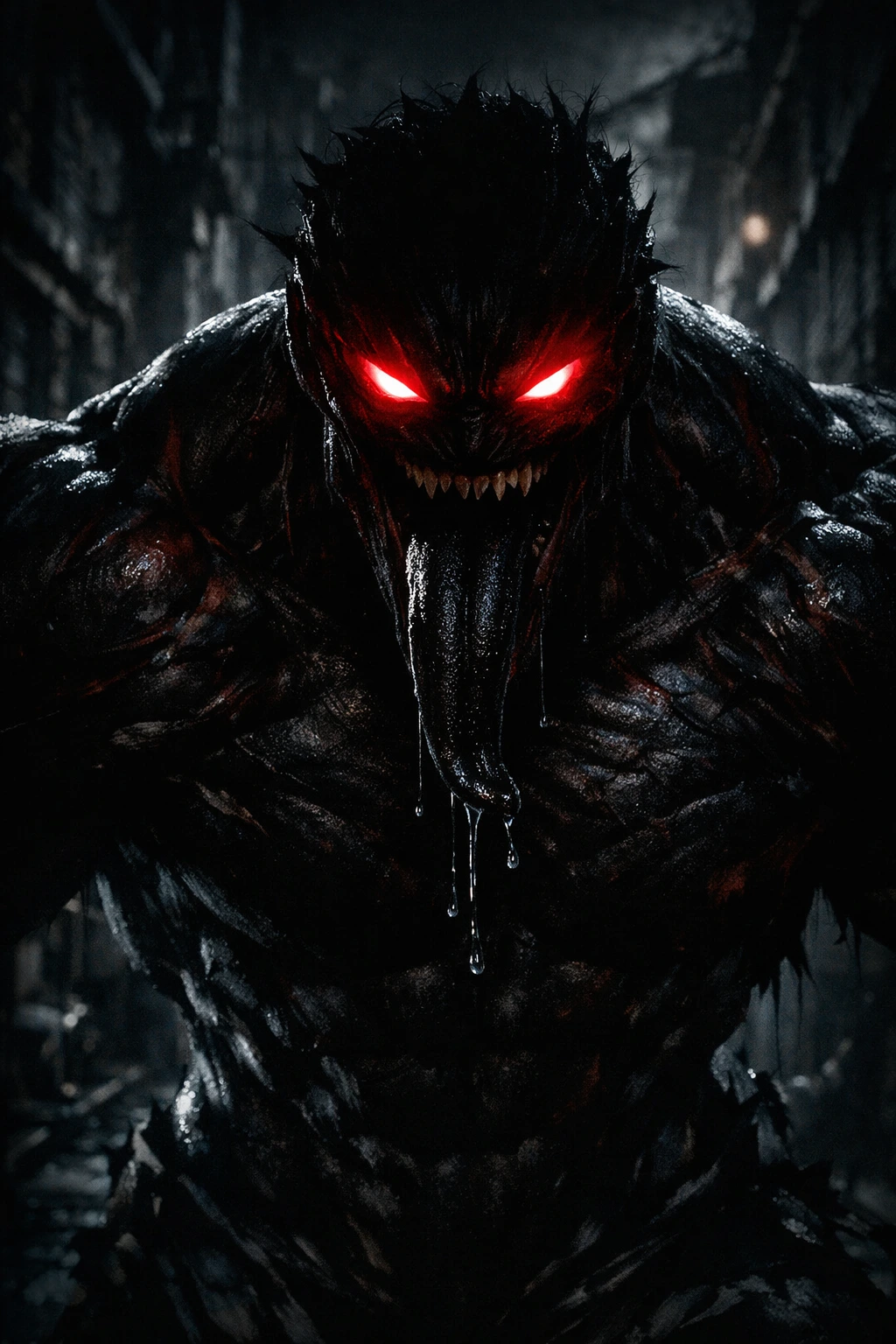
The Black Tongue Physically, a crude Trigger overdose is immediately identifiable by a signature, grotesque symptom: the Black Tongue. As the drug forcefully alters the body’s chemistry and forces the Quirk Factor into hyper-drive, the chemical toxicity manifests in the mouth.
The tongue turns a necrotic, pitch-black color, often accompanied by the darkening of the sclera (the whites of the eyes) and the uncontrolled salivation of dark fluids. This blackening is a sign of internal chemical burns and cellular necrosis as the body struggles to contain the volatile chemical energy coursing through its veins. Furthermore, the physical features of the user often mutate grotesquely.
Jaws unhinge, musculature expands disproportionately, and the skin tears as the body contorts to accommodate the swollen Quirk Factor. It is a visual representation of the corruption happening on a genetic level.
The Aftermath The nightmare does not end when the drug wears off. The aftermath of Trigger usage leaves the user in a state of severe, often critical, physical ruin. Once the forced Quirk Factor Swell subsides, the body crashes hard.
The extreme hyper-metabolism leaves the user in a state of severe physical exhaustion, often leading to comas or localized paralysis. The muscle tearing and ruptured blood vessels require immediate, extensive medical intervention. More horrifyingly, the violent forced expansion of the Plus Alpha genes can lead to permanent, irreversible damage to the Quirk Factor itself.
A user who survives a Trigger overdose may find their Quirk permanently weakened, altered, or even completely erased due to the genetic burnout. The neurological pathways required to activate the Quirk may be fried, leaving the user a shell of their former selves, suffering from severe withdrawal and permanent physical disabilities.
The Shie Hassaikai Refinement
While the Villain Factory introduced Trigger to the world as a crude, chaotic experiment, it was the Yakuza who recognized its potential as a highly lucrative, tactical weapon. Under the cold, calculating leadership of Kai Chisaki, known as Overhaul, the Shie Hassaikai syndicate took control of the Trigger market, elevating the drug from a street-level menace to a terrifyingly precise military asset.
The Yakuza’s Monopoly The Shie Hassaikai, once a proud and powerful Yakuza family, had been driven to the brink of irrelevance by the rise of Pro Heroes and the dominance of All For One’s empire. Overhaul sought to restore the Yakuza to their former glory by manipulating the very foundation of society: Quirks. His ultimate goal was the mass production and distribution of Quirk-Destroying Bullets, created from the genetic material of the young girl, Eri.
However, such groundbreaking, illicit research required astronomical funding. To finance his master plan, Overhaul engineered a hostile takeover of the Trigger distribution network. By monopolizing the black market for Trigger, the Shie Hassaikai generated the vast sums of capital necessary to fund their underground laboratories. It was a dark, hypocritical genius: selling a drug that amplified Quirks to fund a weapon that destroyed them, playing both sides of the superhuman underworld to ensure Yakuza supremacy.
Stabilizing the Formula Overhaul, a brilliant if twisted scientist in his own right, quickly realized that the feral state induced by crude Trigger made it an inefficient tool for organized crime. A mindless berserker is useless for guarding a facility or executing a coordinated hit. Therefore, the dark science of the Hassaikai focused on refining and stabilizing the formula.
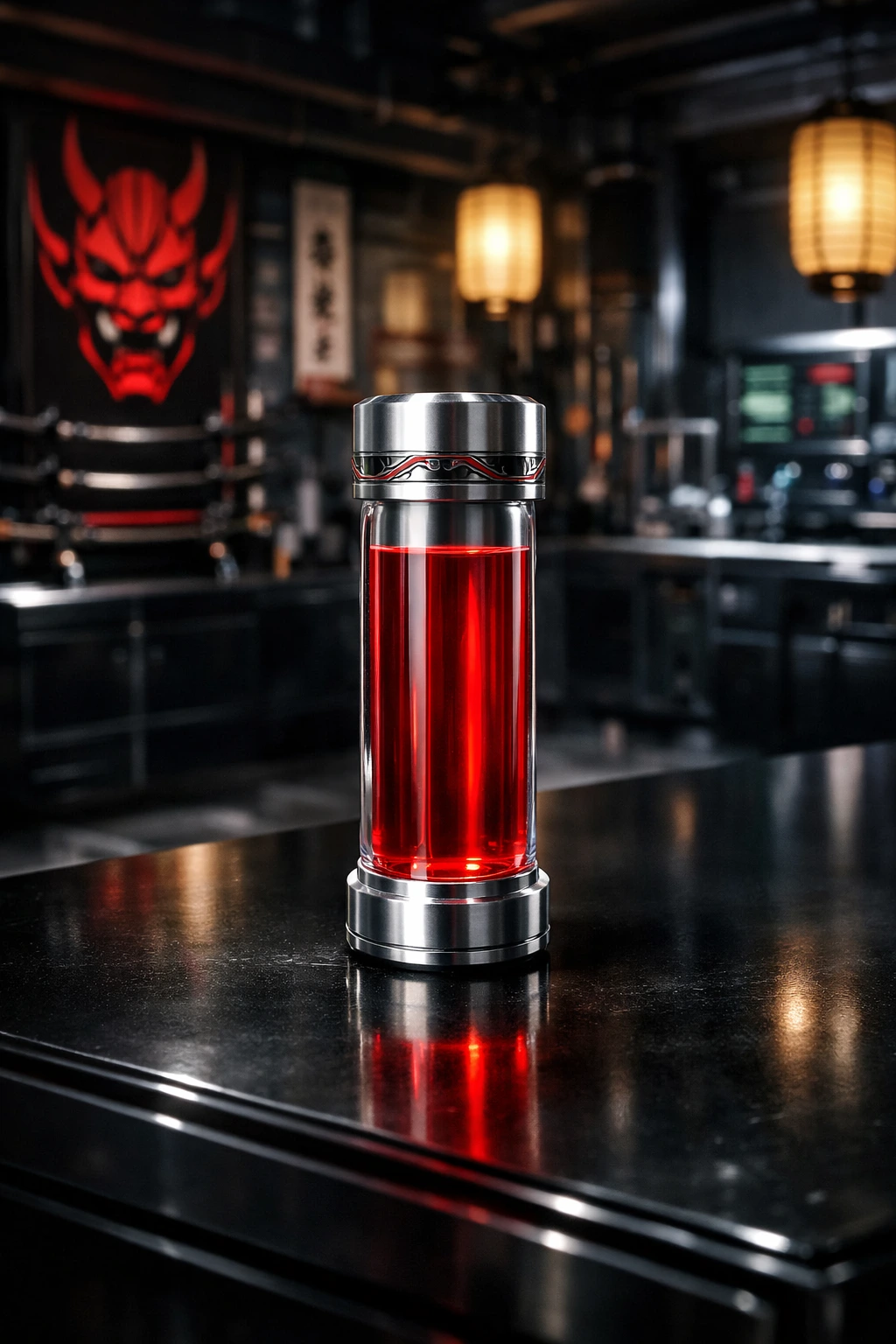
Through rigorous, unethical testing, Overhaul’s chemists managed to synthesize a purer, highly concentrated version of Trigger. This refined iteration maximized the biological amplification of the Quirk Factor while actively suppressing the neurological degradation.
The Hassaikai Trigger minimized the loss of rational thought, allowing the user to retain their cognitive functions, spatial awareness, and combat intelligence while wielding 200% of their power. This stabilized formula removed the “Black Tongue” symptom and the feral madness, making it infinitely more dangerous in the hands of trained killers.
The Eight Bullets The terrifying potential of this refined Trigger was flawlessly demonstrated during the Shie Hassaikai Raid arc, specifically through the deployment of Overhaul’s elite guard, the Eight Bullets. A tactical breakdown of the battle involving Kendo Rappa and Hekiji Tengai perfectly illustrates the drug’s new application.
Rappa, a brawler whose Quirk (Strongarm) allows him to throw punches at bullet-like speeds, was already a formidable threat. When cornered by top-tier Pro Heroes like Fat Gum and the rising star Red Riot (Eijiro Kirishima), Rappa and Tengai utilized the refined Trigger.
Unlike the mindless thugs of Naruhata, Rappa maintained his lust for battle, his strategic mind, and his martial arts prowess. The Trigger amplified the speed and kinetic force of his punches to a degree that they began to instantly shred through Fat Gum’s ultimate defense—Fat Absorption—a feat previously thought impossible. Tengai, simultaneously, used the drug to generate barriers of absolute, impenetrable density.
They pushed the Pro Heroes to the absolute precipice of death. The refined Trigger allowed villains to fight with the tactical coordination of a SWAT team while wielding the raw destructive output of a natural disaster. It proved that in the hands of an organized syndicate, Trigger was no longer just a drug; it was a highly specialized, tactical munition capable of overwhelming the best heroes society had to offer.
Weaponization: The Humarise Threat
The evolution of Trigger did not stop with the Yakuza. The horrifying pinnacle of the drug’s weaponization was realized on a global scale by the apocalyptic, anti-Quirk cult known as Humarise, as depicted in the “My Hero Academia: World Heroes’ Mission” film. This faction took the core science of Trigger and warped it to serve an ideology of global eradication, elevating the threat from organized crime to apocalyptic terrorism.
The Ideology of Eradication Humarise, led by the enigmatic and fanatical Flect Turn, operated under a twisted doctrine. They believed that Quirks were a disease, a genetic plague that would eventually lead to the extinction of humanity.
They sought “salvation” through eradication, aiming to cleanse the globe of all Quirk users and leave behind a pure, Quirkless human race. To achieve this, they needed a weapon capable of targeting specific genetics on a mass scale. They found their answer in the underlying biochemistry of Trigger. By reverse-engineering the drug, Humarise weaponized the very substance designed to amplify Quirks, turning it into a tool of targeted genocide.
The Ideo Trigger Bombs The engineering behind Humarise’s ultimate weapon, the Ideo Trigger Bombs, represents a leap in chemical warfare within the MHA universe. These were not mere explosives; they were massive, highly sophisticated dispersal systems designed to release a lethal, aerosolized, hyper-concentrated variant of Trigger gas into the atmosphere.
Placed strategically in major population centers across the globe, the bombs were designed to achieve total atmospheric saturation. The aerosolization meant that the drug no longer needed to be injected; it only needed to be inhaled. A single breath of the crimson gas was enough to trigger an immediate, systemic reaction in anyone possessing a Plus Alpha gene. The sheer scale of this deployment transformed Trigger from a localized street problem into a global extinction-level event.
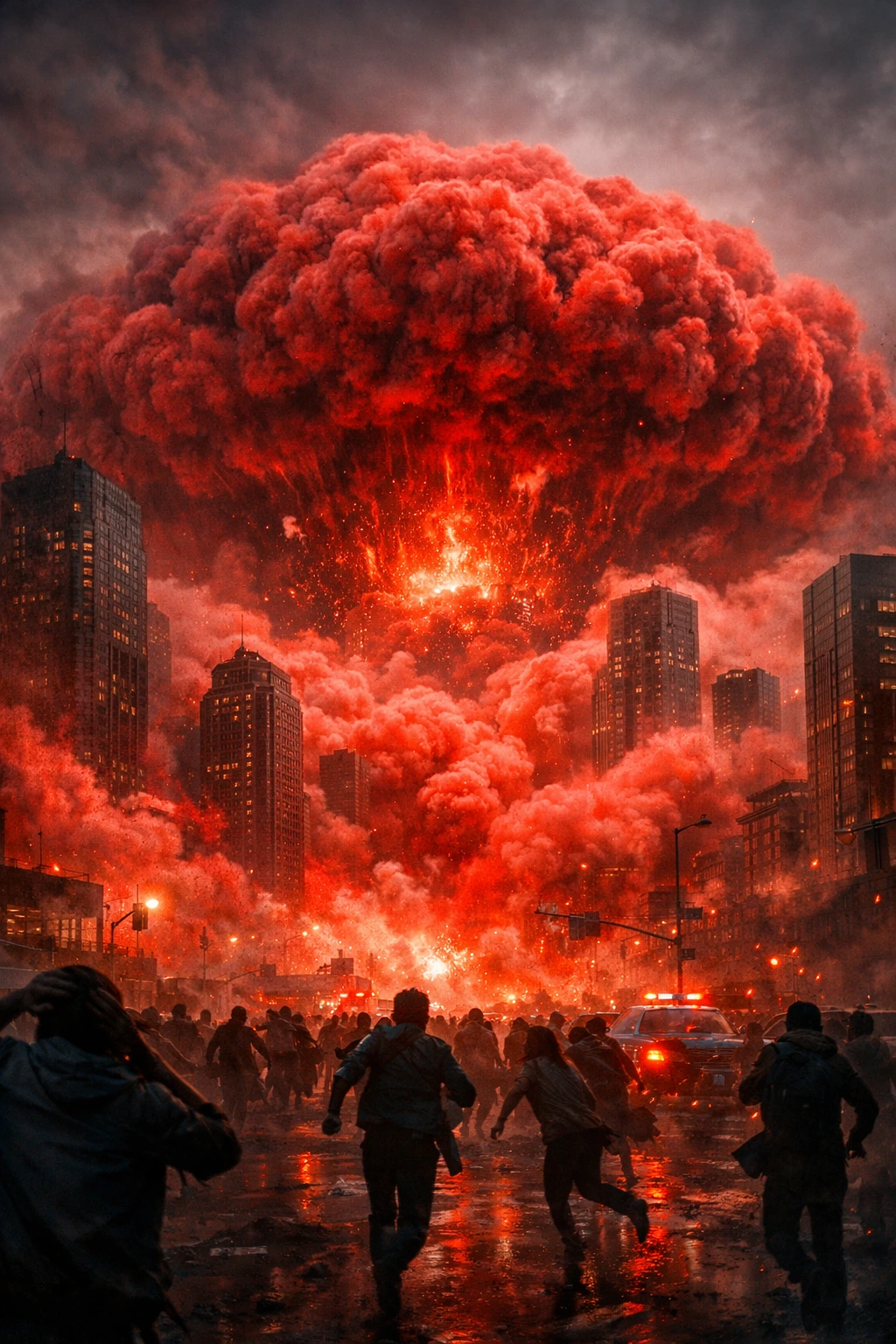
Death by Singularity The mechanism of death caused by the Ideo Trigger Bombs is arguably the most gruesome application of the drug in the series. When a Quirk user inhales the gas, they do not just experience a Quirk Factor Swell; they undergo a violent, uncontrollable, and infinite Quirk Awakening.
The gas forcefully triggers an immediate overload of the user’s abilities. The limiters are not just bypassed; they are completely obliterated. The victim’s Quirk begins to rapidly draw on all available cellular energy, expanding exponentially within seconds.
The human body is completely incapable of containing this infinite expansion. The sheer kinetic pressure, elemental heat, or mass accumulation generated by their own out-of-control powers causes the victim’s body to literally detonate.
They explode from the inside out, consumed and destroyed by the sheer magnitude of their own genetic potential. It is death by singularity—a horrifying irony where the very powers society idolizes become the immediate, explosive instruments of their demise. This weaponization highlights the extreme volatility of Quirks and proves that biological manipulation can rival nuclear weaponry in destructive capability.
VII. Trigger and the Artificial Singularity
The existence and continuous evolution of Trigger are not just plot devices for villains to pose a greater threat; they are deeply tied to the overarching thematic and scientific mysteries of the My Hero Academia narrative. Trigger serves as a terrifying, tangible validation of the darkest theories regarding the future of superhuman society.
A Fake Awakening Within the lore of MHA, a true “Quirk Awakening” is a rare, monumental event. As seen with characters like Tomura Shigaraki or Himiko Toga during the My Villain Academia arc, a natural awakening occurs when a user is pushed to the absolute brink of psychological trauma and near-death physical exhaustion.
In that crucible of survival, the Quirk evolves, breaking its previous limitations naturally, adapting to save the user’s life or manifest their deepest desires. It is a biological evolution born from sheer willpower and extreme circumstance.
Trigger, conversely, induces a Fake Awakening. It is a hollow, chemical shortcut that mimics the output of an evolution without the necessary biological adaptation to sustain it.
A natural awakening alters the “Hardware” alongside the “Software,” allowing Shigaraki to survive the decay of a city. A Trigger awakening only forces the “Software,” leaving the body to burn. It represents the inherent greed of villainy—the desire for the ultimate reward without enduring the crucible of struggle.
Validating the Doctor More importantly, the mechanics of Trigger serve as undeniable, empirical proof of Dr. Kyudai Garaki’s infamous “Quirk Singularity Doomsday Theory.” Garaki posited that as Quirks mix and pass down through generations, they become exponentially more complex and powerful. Eventually, he theorized, Quirks would become so overwhelmingly powerful that the human body—which evolves at a much slower, natural pace—would no longer be able to contain or control them, leading to the collapse of society and human biology.
The medical community ostracized Garaki for this theory. However, Trigger proves him right on a micro-scale. The drug artificially simulates the effects of generational Quirk evolution within a matter of seconds. When a user takes Trigger, their Quirk becomes too powerful for their body, resulting in physical breakdown, feral madness, and potential death.
Trigger is a bottled, chemical version of the Singularity. Every time a thug overdoses and tears their own muscles apart trying to wield their amplified power, they are validating Garaki’s apocalyptic vision of the future.
The Generational Danger This brings us to the most horrifying prospect regarding Trigger: its intersection with the modern generation of youth. We have seen in the series that the current children—the 5th and 6th generations of Quirk users, such as the kids Katsuki Bakugo and Shoto Todoroki had to wrangle during their remedial license exams—already possess Quirks that are borderline uncontrollable. Their raw power levels dwarf those of previous generations.
The generational danger lies in the hypothetical scenario where modern, highly-powered children are ever exposed to Trigger. If a street thug with a minor fire Quirk can destroy a city block on Trigger, what happens if a 5th-generation child, whose base Quirk is already capable of leveling a stadium, inhales the drug?
The resulting Quirk Factor Swell wouldn’t just tear the child’s body apart; it would trigger a localized, uncontrollable natural disaster. The intersection of naturally evolving, high-tier Quirks and the forced amplification of Trigger represents a ticking time bomb that hero society is woefully unprepared to dismantle.
Conclusion
The Chemical Poison of Society In the grand tapestry of My Hero Academia, Trigger transcends the trope of a standard fictional narcotic. It is the ultimate chemical poison of hero society. It acts as the great, terrifying equalizer for villains, effectively rendering years of rigorous, disciplined Pro Hero training obsolete in the face of drug-fueled, biological fanaticism.
It exposes the inherent fragility of a society whose hierarchy, law enforcement, and economy are entirely dependent on the genetic lottery of Quirks. When that genetic lottery can be hacked, bypassed, and violently amplified for the price of a vial in a dark alleyway, the entire structure of justice is compromised.
Closing Thoughts Kohei Horikoshi’s introduction and continuous evolution of Trigger is a masterstroke of world-building. He utilizes this dangerous accelerant not just to provide immediate, high-stakes physical threats for his heroes to overcome, but to constantly explore the dark, uncomfortable underbelly of a society overly obsessed with genetic superpowers.
Trigger is a mirror reflecting the desperation of the marginalized, the ruthlessness of the criminal syndicates, and the terrifying, unavoidable biological destiny of the Quirk Singularity. As long as society measures a person’s worth by the power running through their veins, the allure of the shortcut, the temptation of the chemical catalyst, will remain a lingering, explosive threat in the shadows of the My Hero Academia world.