
Introduction
The Abyss of Hero Society In the luminous, highly publicized world of My Hero Academia, where costumed saviors patrol sunlit streets and children attend prestigious academies to learn the virtues of justice, there exists a necessary, suffocating darkness. This darkness is Tartarus. To classify Tartarus merely as a maximum-security prison is a gross understatement; it is, in every functional and philosophical sense, a state-sanctioned black site.
It is the ultimate, inescapable graveyard where the government legally and quietly buries individuals deemed too catastrophically dangerous to possess basic human rights. In a society built upon the idolization of Quirks, Tartarus is where Quirks—and the humans attached to them—go to be extinguished.
It operates far outside the conventional bounds of the Japanese penal system, existing in a terrifying legal gray area where standard judicial processes are bypassed in favor of absolute, uncompromising containment. Here, the concepts of rehabilitation, parole, and humane treatment are entirely abandoned.
The villains confined within these abyssal walls are not viewed as inmates serving a sentence; they are categorized as apocalyptic hazards, biological weapons of mass destruction that must be kept in a perpetual state of suspended animation until they eventually die.
The Illusion of Infallibility For years, Tartarus served as the foundational bedrock of Hero Society's fragile peace, not just through physical containment, but through its mythical reputation. The public, and indeed the Pro Heroes themselves, found immense psychological comfort in the absolute certainty of Tartarus.
It was the impenetrable fortress, the ultimate answer to the world's worst nightmares. The societal contract of the superhero world relied heavily on the belief that no matter how terrifying a villain emerged—no matter how many cities they leveled or lives they destroyed—if the heroes could just manage to capture them, Tartarus would ensure they never saw the sun again.
This illusion of infallibility was essential. It allowed civilians to sleep soundly, trusting that the absolute worst of humanity was locked away in a literal and metaphorical underworld from which no soul had ever returned.
The myth of Tartarus was as much a tool of public pacification as the smiling face of the Symbol of Peace himself. It was the silent promise whispered by the government: We have a box strong enough to hold the devil.
Article Scope This article will serve as the definitive, expert-level breakdown of Tartarus. We will move far beyond a simple surface-level overview, diving deep into the terrifying architecture of its containment protocols.
We will dissect the insidious psychological warfare utilized against its inmates, analyze the bespoke bio-mechanical containment systems engineered for god-tier villains, and provide a catastrophic, tactical masterclass breakdown of the ultimate jailbreak that shattered the world.
By examining Tartarus, we examine the very hypocrisies, fears, and inevitable failures of Hero Society itself.
The Architecture of Absolute Containment
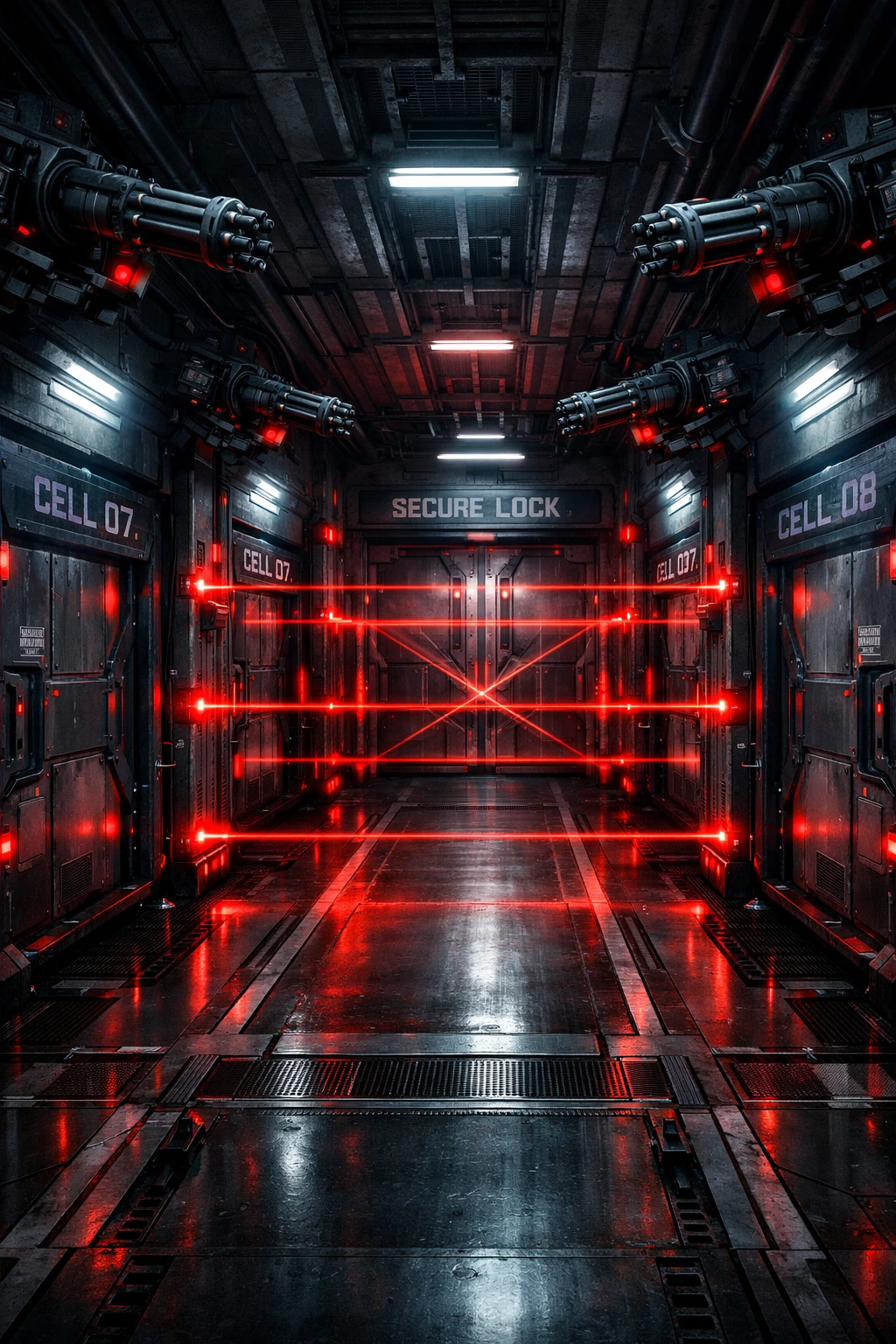
The Iron Island To understand the terror of Tartarus, one must first examine its chilling physical geography. Tartarus is not merely a building; it is an "Iron Island," a multi-level, subterranean fortress located miles offshore in the middle of a treacherous, unforgiving ocean. This isolation is the first and most crucial layer of its absolute containment strategy.
By removing the facility entirely from the mainland, the government effectively eliminated any possibility of civilian collateral damage in the event of a localized breach. Approaching the prison requires navigating heavily restricted, highly regulated airspace and naval waters. There are no casual visitors to Tartarus. Every transport, whether by heavily armored helicopter or fortified naval vessel, is tracked by radar, sonar, and satellite.
The surface structure of the prison is merely the tip of the iceberg—a massive, brutalist concrete staging area meant to withstand aerial bombardments, tsunamis, and naval assaults. The true horror of Tartarus lies beneath the crashing waves, delving deep into the earth's crust.
It is a vertical descent into hell, with the security measures becoming increasingly draconian with every floor one descends. The very environment is weaponized against the inmates; the crushing pressure of the ocean outside serves as a constant reminder that they have been banished from the surface world entirely.
The Sensor Grid Once inside, the facility operates on a level of technological overkill that borders on the paranoid. Standard prisons rely on cameras, concrete, and iron bars. Tartarus relies on a microscopic, omnipresent bio-metric sensor grid that strips away every ounce of an inmate's privacy and physical autonomy. The facility doesn't just watch its prisoners; it intrudes upon their very biology.
The sensors embedded in every cell and hallway continuously track heart rates, blood pressure, brainwave activity, body temperature, and even microscopic muscle twitches. Because Quirks—superpowers—are inherently tied to human biology and the "Quirk Factor," standard restraints are useless against high-tier villains.
Therefore, Tartarus employs a panopticon of technological surveillance designed to detect the intent to use a Quirk before the physical manifestation even occurs. A sudden spike in adrenaline, a specific pattern of neural firing in the frontal lobe, or the slightest tensing of a somatic muscle group triggers instantaneous countermeasures.
The prison essentially monitors the inmates' thoughts and biological impulses, punishing their bodies before their minds can fully execute a command.
The Lethal Force Protocol Perhaps the most chilling aspect of Tartarus's architecture is the Lethal Force Protocol, enacted by the automated systems and overseen by the heavily armored guards. The personnel stationed at Tartarus are not correctional officers in any traditional sense; they are executioners. Their role is not to maintain order, but to prevent an apocalyptic event at all costs.
To achieve this, the government has authorized them to operate with zero-tolerance, instantaneous lethal force. The cells of high-level inmates are rigged with automated, multi-barrel gatling guns and high-caliber ballistics that are directly linked to the aforementioned bio-metric sensor grid.
If an inmate's brainwaves indicate they are attempting to activate their Quirk Factor, or if they attempt a sudden physical movement that deviates from their strictly enforced parameters, the automated systems will not issue a warning. They will immediately open fire.
The psychological toll this takes on the inmates—and presumably the guards—is immense. Prisoners are forced to live every single second of their existence in a state of hyper-vigilance against their own bodies, knowing that a stray thought, a nightmare, or an involuntary muscle spasm could result in their immediate and violent termination.
The Prisoners of the Deep (Tailored Confinement)
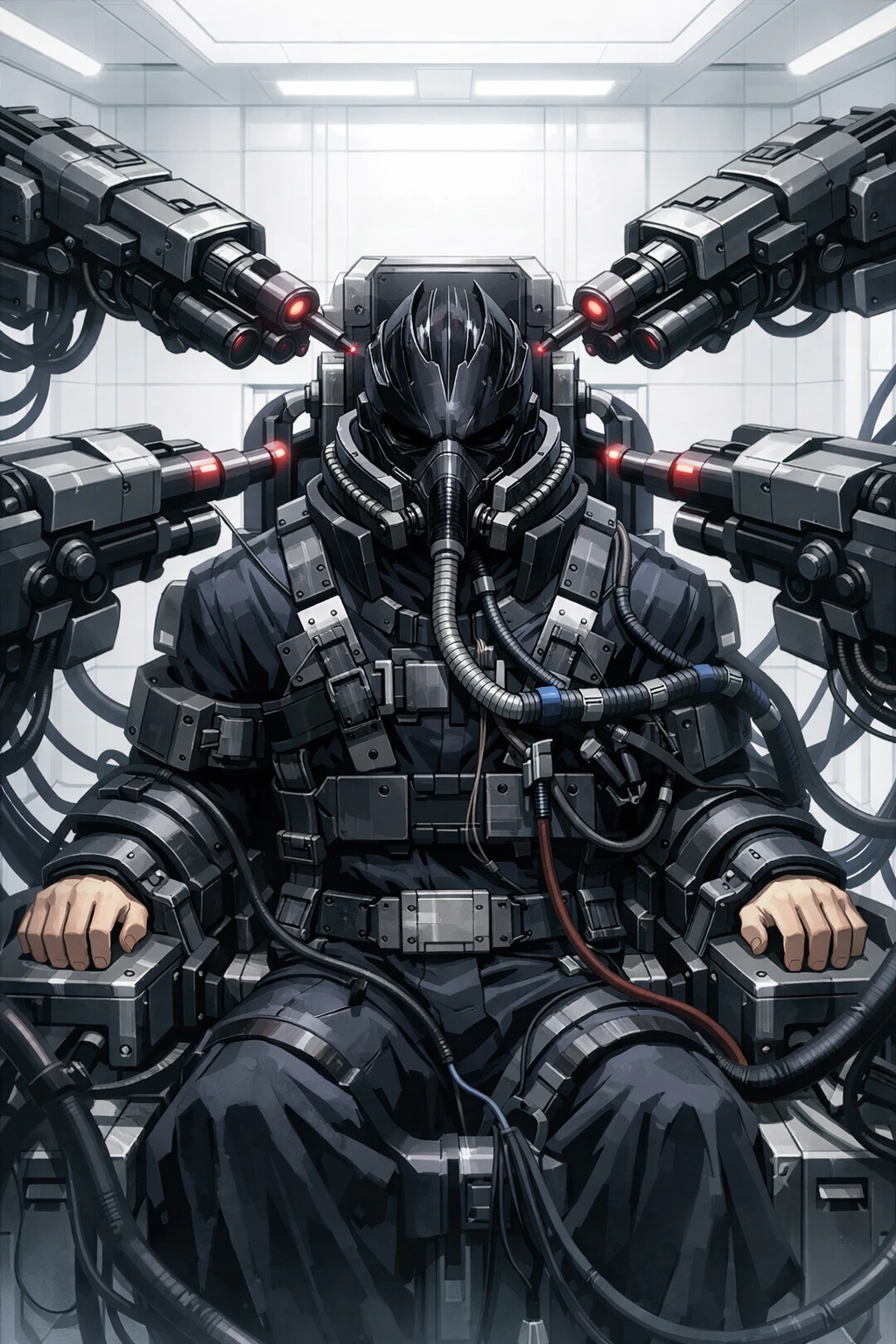
Tartarus does not employ a "one size fits all" approach to incarceration. Recognizing that the threats housed within are fundamentally unique in their biological makeup and psychological pathology, the facility custom-builds cells specifically designed to neutralize the exact nature of an individual's power.
The Iron Maiden (All For One) At the very bottom of Tartarus, in the lowest circle of this man-made hell, sits Shigaraki. Not the young protégé, but the original Demon King, All For One. His containment is a masterpiece of technological suppression, aptly earning the comparison to an "Iron Maiden."
Because All For One possesses a near-infinite arsenal of stolen Quirks ranging from kinetic shockwaves to spatial warping, standard physical restraints are laughable. Instead, Tartarus contained him by strapping him entirely into a specialized chair, completely immobilizing his limbs and torso. But physical immobilization was only the beginning.
His life support systems—the very apparatus keeping his extensively damaged body alive—were inextricably linked to heavy artillery aimed directly at his vital organs. His brain waves, specifically the neural pathways associated with Quirk activation, were monitored so tightly that even thinking about using a Quirk triggered a lethal response sequence. He was trapped in a perpetual state of checkmate.
If he breathed too heavily, the guns tracked him. If his heart rate spiked, alarms sounded. He was kept alive solely because he possessed information vital to the government, forced to exist as a brain trapped in a mechanized jar, surrounded by weapons designed to obliterate him the millisecond he twitched.
Yet, the true terror of All For One was that despite this absolute confinement, he continued to smile, his sheer force of will turning his Iron Maiden into a throne.
The Muzzled Surgeon (Overhaul) If All For One's imprisonment was a triumph of bio-mechanical suppression, Kai Chisaki's (Overhaul) confinement was a masterclass in psychological torture.
Before his capture, Overhaul viewed himself as a surgeon meant to "cure" the disease of Hero Society, utilizing his devastating Quirk to disassemble and reassemble matter at the atomic level with a touch of his hands.
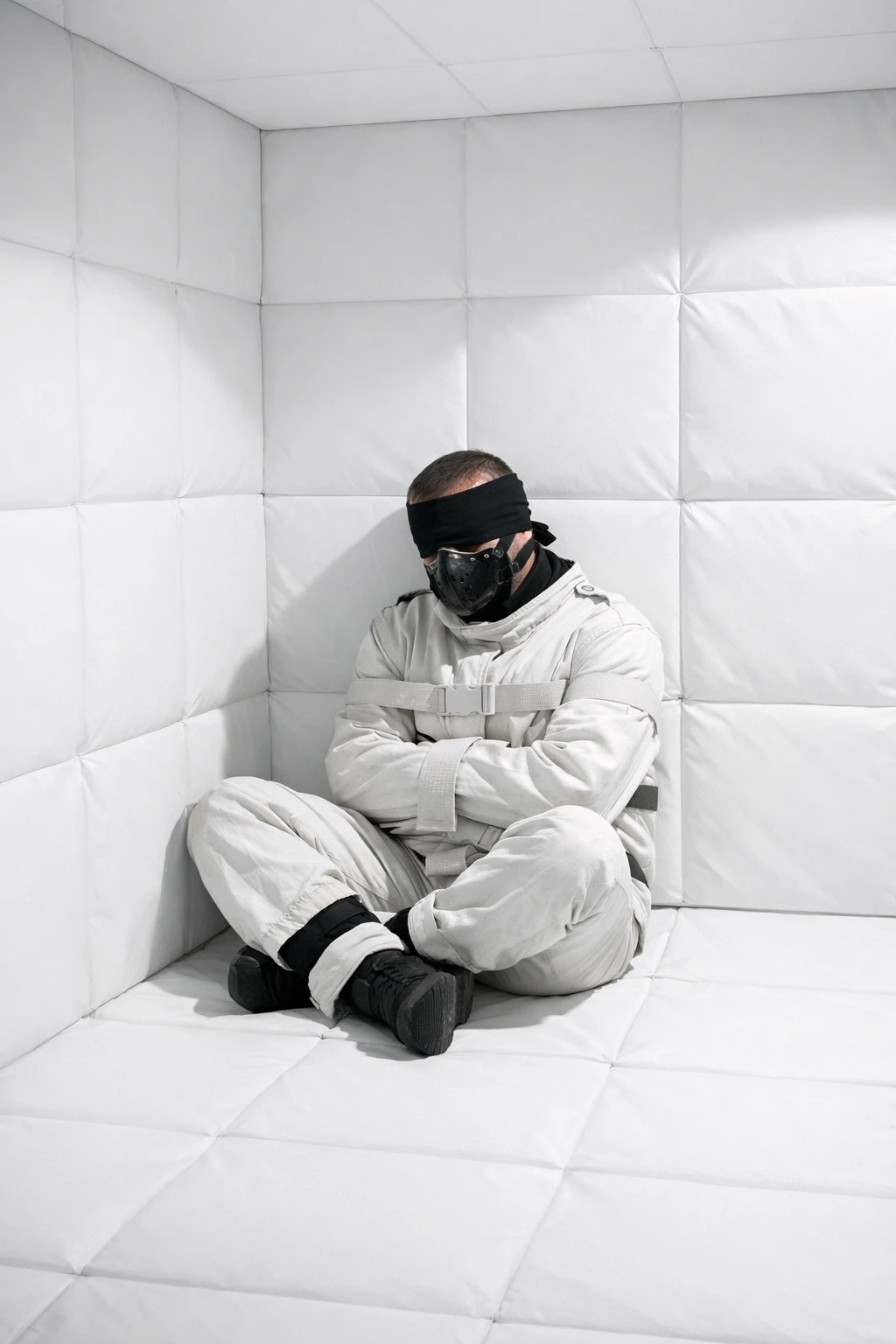
Following his defeat, Shigaraki Tomura sadistically decayed both of Chisaki's arms, permanently robbing him of his Quirk. Tartarus then took this broken man and placed him in the ultimate sensory nightmare. Stripped of his hands, his agency, and his life's work, Chisaki was bound tightly in a heavy-duty straightjacket and forced to sit in complete sensory isolation.
He was blindfolded, muzzled, and left alone with his thoughts. For a man obsessed with cleanliness, control, and reshaping the world to his grand design, being reduced to a helpless, immobile amputee in a stark white room was a fate worse than death.
The prison did not need to suppress his Quirk; they only needed to ensure his mind slowly eroded under the weight of his utter, inescapable powerlessness. He was driven mad by the phantom itch of hands he no longer possessed and the inability to ever "cure" the world again.
The Clouded Mind (Kurogiri) Kurogiri's imprisonment highlights the medical and scientific exploitation that occurs within Tartarus. As a Nomu—a biologically engineered monstrosity created by Dr. Garaki—and the primary means of transportation for the League of Villains via his Warp Gate Quirk, Kurogiri was a priority asset. However, unlike traditional inmates, Kurogiri's containment was medical in nature.
He was kept heavily, perpetually sedated. The prison could not risk him opening a spatial portal to the outside world, so they suppressed his consciousness with a constant drip of potent narcotics. His cell functioned less like a prison block and more like an active, high-security medical laboratory.
The police force, specifically Detective Tsukauchi, alongside Eraserhead (Shota Aizawa) and Present Mic, utilized his comatose state to probe his mind and reverse-engineer the Nomu biology. They sought to unravel the tragic mystery of his creation, digging through his cloudy, suppressed psyche to find the buried remnants of their dead friend, Oboro Shirakumo.
Kurogiri was not just a prisoner; he was a living test subject, his mind held hostage in a chemically induced fog while authorities desperately tried to extract the secrets of All For One's bio-engineering.
The Ideological Threat (Stain) The Hero Killer: Stain represents the most fascinating anomaly in Tartarus. Physically speaking, Chizome Akaguro is relatively unremarkable compared to the apocalyptic threats of his peers. His Quirk, Bloodcurdle, requires him to ingest an opponent's blood to temporarily paralyze them—a power that is highly lethal in a back-alley ambush, but tactically useless in a cell.
He lacks the city-destroying power of All For One or the reality-warping danger of Overhaul. Yet, he was placed in the exact same maximum-security facility. The justification for this lies in the realization that Stain's ideology was exponentially more dangerous than his physical Quirk. Stain was a martyr, a zealot who successfully exposed the rampant commercialism and superficiality of the Pro Hero system.
His manifesto, which went viral following his capture, inspired a massive wave of villainy and directly birthed the vanguard action squad of the League of Villains. Stain was placed in Tartarus not to stop him from stabbing heroes, but to enact absolute isolation to stop his ideas from spreading. He was a conceptual contagion.
The government understood that if Stain were allowed to speak, to rally others in a standard prison, he would incite a revolution. His confinement in the deep was a desperate attempt to bury a philosophical movement that had already caught fire.
The Psychological Warfare of Isolation
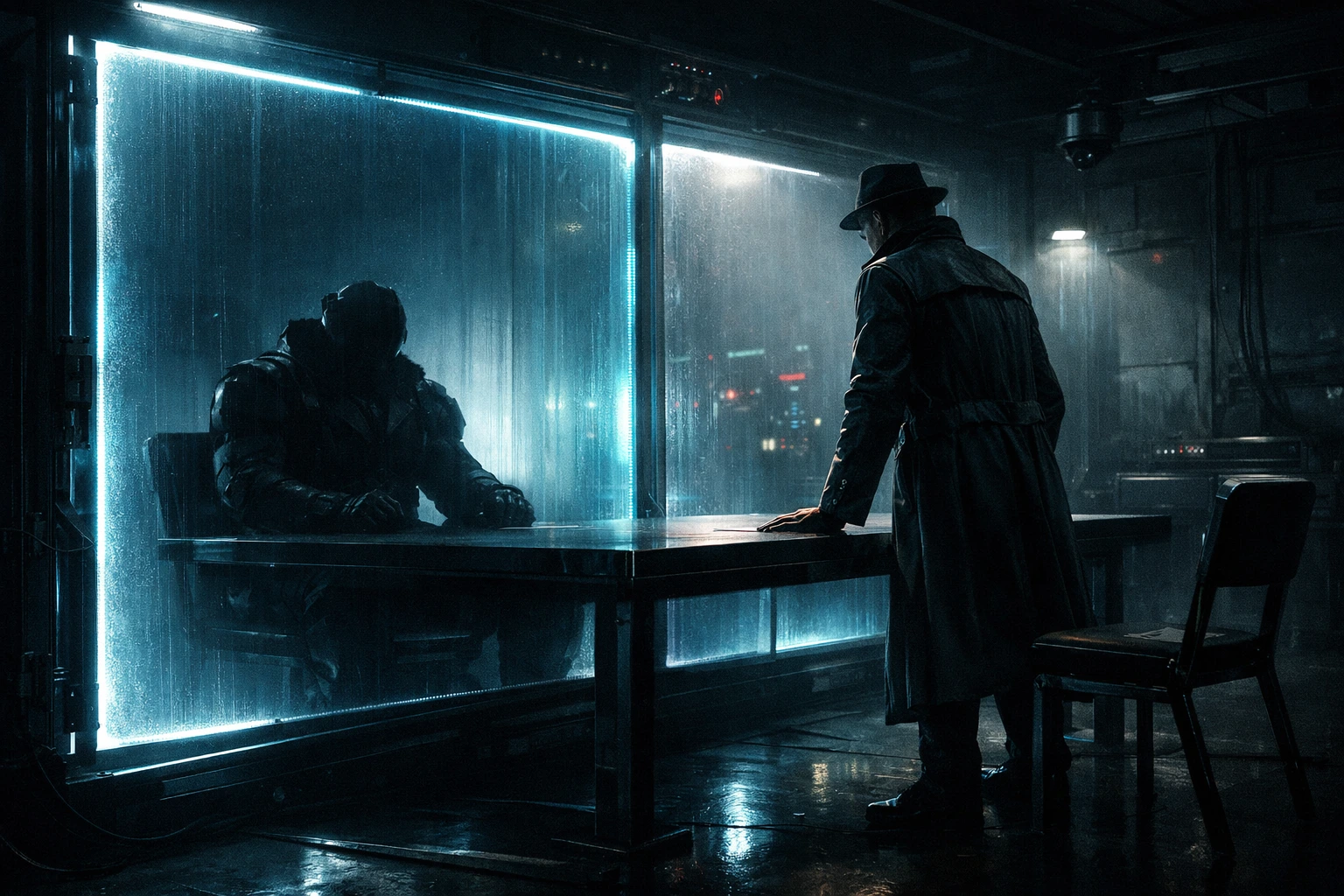
The Deletion of Identity Beyond the physical restraints and automated gun turrets, Tartarus employs a systematic, insidious brand of psychological warfare designed to completely break the human spirit. The core philosophy of the prison's daily operation is the absolute deletion of identity.
From the moment an inmate descends the elevator into the subterranean depths, they cease to be human beings. They are meticulously stripped of their names, their histories, and their individuality. Inmates are referred to exclusively by assigned numerical designations or categorized strictly by their threat levels. They are clothed in identical, sterile garbs and placed in stark, blindingly white, heavily soundproofed rooms.
This environment is intentionally designed to induce severe sensory deprivation. Without the natural cycle of the sun, without human contact, without even the ambient noise of a functioning world, the human brain begins to turn on itself.
Inmates lose their sense of time, their grip on reality, and eventually, their sense of self. Tartarus weaponizes nothingness. It forces the most egomaniacal, driven, and powerful villains in the world to stare into a white void until their minds shatter, ensuring that even if their bodies survive the incarceration, the villain they once were is entirely erased.
The Interrogation Tactics This crushing psychological weight is purposefully utilized by the authorities to extract information, operating within a highly unethical legal gray area. Detective Naomasa Tsukauchi and the former Symbol of Peace, All Might, are shown utilizing the oppressive atmosphere of Tartarus during their interrogations.
The authorities understand that the inmates are starved for any form of stimulation, any break in the monotonous torture of isolation. They use visits not as a courtesy, but as a tactical bludgeon. By stepping into the cells, the interrogators bring the crushing reality of the outside world into the void, attempting to leverage the inmate's desperate psychological state to wring out confessions, operational details, or locations of remaining villain cells.
However, as demonstrated in the chilling encounters between All Might and All For One, this tactic can easily backfire. When dealing with an entity who has literally nothing left to lose, the psychological pressure of the prison becomes a mutual battleground.
All For One masterfully inverted the interrogation, using the glass wall of his cell to mock All Might's failing health and the precarious state of the society he left behind, proving that even in the deepest pit of isolation, psychological warfare is a two-way street.
The Unthinkable Breach (The Tartarus Jailbreak)
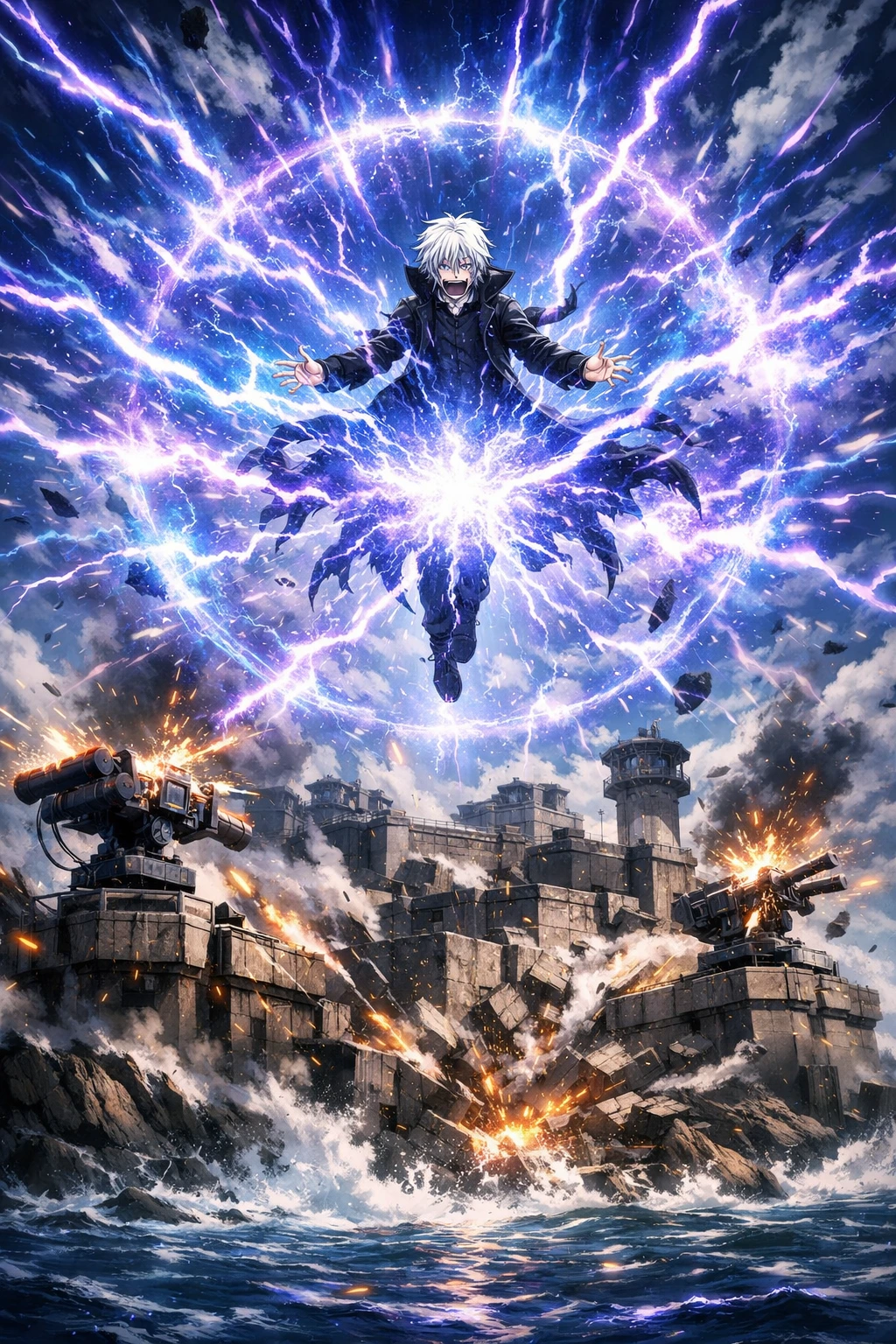
For all its mythical impregnability, Tartarus eventually fell. The jailbreak of Tartarus stands as the most devastating, tactically complex villain operation in the entire history of My Hero Academia. It was a catastrophic event that shattered the foundational pillar of Hero Society overnight.
The Two-Pronged Assault The sheer strategic brilliance of the operation lay in All For One's understanding of the fortress. He knew perfectly well that Tartarus was genuinely impenetrable from the outside alone. No frontal assault, not even with an army of Nomu, could breach the reinforced blast doors, survive the automated anti-air defenses, and navigate the labyrinthine subterranean levels before the Pro Heroes arrived as reinforcements.
Similarly, an escape purely from the inside was mathematically impossible due to the biometric sensors and lethal force protocols. Therefore, All For One orchestrated a synchronized, two-pronged assault utilizing his profound connection with his successor. He coordinated an attack where Tomura Shigaraki—now possessing the All For One Quirk and a perfected, god-like body—assaulted the exterior of the Iron Island.
Simultaneously, All For One's original consciousness, operating through his vestige connection within Shigaraki, acted as a beacon and a virus, disabling the internal systems from within. It was a perfectly timed pincer movement, striking the indestructible shield of Tartarus from both sides at the exact same nanosecond.
The EMP Strike The operational lynchpin of the jailbreak was how Shigaraki bypassed the ultimate defense grid. As he arrived via flying Nomu, the prison's external sensors immediately locked onto his threat signature. Before the automated defense batteries could deploy their lethal payload, Shigaraki executed a devastating tactical maneuver. He combined the stolen Quirk "Radio Waves" with the kinetic amplification of "Air Cannon."
By unleashing this combination, Shigaraki generated a massive, localized Electromagnetic Pulse (EMP) of unimaginable scale. This was not a simple power outage; it was a targeted, catastrophic frying of Tartarus's central nervous system. In a matter of seconds, the EMP swept through the subterranean levels.
The autonomous gatling turrets trained on the inmates' heads went dead. The microscopic bio-metric sensor grids tracking their heart rates flatlined. The electronic locking mechanisms on the blast doors short-circuited. The technological overkill that had made Tartarus inescapable instantly became its greatest vulnerability
By relying so heavily on an interconnected, digital defense grid, the government had inadvertently created a single point of failure that a Quirk-generated EMP could ruthlessly exploit.
The Collapse of the Myth With the electronic brains of the prison fried, Shigaraki moved to destroy its physical body. Descending upon the surface of the Iron Island, he activated his awakened Decay Quirk. The devastation was absolute and terrifying to behold. He didn't just breach a wall; he shattered the structural integrity of the entire fortress.
The concrete crumbled into dust under his touch, the massive steel blast doors disintegrated, and the foundational pillars supporting the bridge and outer walls collapsed. Shigaraki physically unearthed the subterranean levels, tearing the roof off the underworld.
As the upper levels disintegrated, the structural failure caused catastrophic breaches in the lower sectors, letting the dark waters of the surrounding sea flood into the labyrinth. The visual of Tartarus crumbling, with its impenetrable walls turning to ash in the wind while the ocean rushed in to drown the lower floors, represented the total, physical collapse of the myth of Hero Society's safety. The indestructible box was broken.
The Release of Chaos: The Prisoners' Dilemma
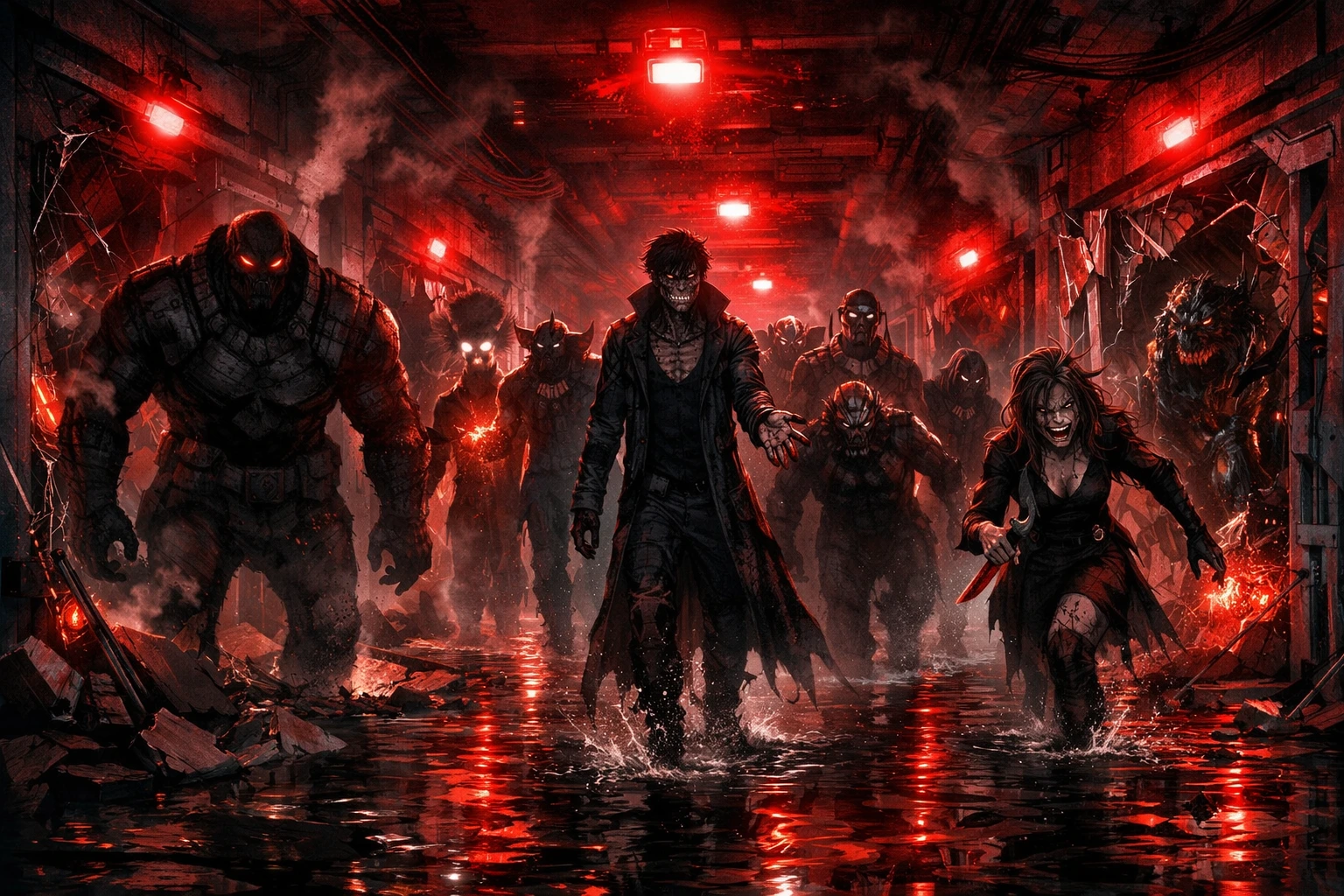
When the cell doors finally slid open and the emergency lights flickered on, the reality of the breach set in. The worst monsters humanity had ever produced were suddenly free.
The Vanguard of the Demon King All For One did not orchestrate this jailbreak merely to secure his own freedom; it was a massive, instantaneous recruitment drive. As he emerged from his iron maiden, utilizing a stolen radio Quirk to broadcast his voice across the crumbling facility, he immediately weaponized the escapees. He drafted top-tier, legendary assassins and villains right on the spot.
He approached Lady Nagant, a former top Pro Hero turned disillusioned sniper; Dictator, a man capable of controlling crowds; and Muscular, an engine of pure violence. All For One manipulated their grievances, their bloodlust, and their confusion, offering them a singular target to focus their newly regained freedom upon: Izuku Midoriya.
In the span of an hour, All For One turned the catastrophic failure of Tartarus into a tactical triumph, instantly assembling a bespoke hit squad composed of the deadliest inmates. He did not just empty the prison; he converted its population into his own personal vanguard, turning the government's greatest containment failure into the lethal spearhead of his new empire.
The Outlier (Stain's Escape) Amidst the mass panic, the violent riots, and the dark recruitment of All For One, a fascinating ideological split occurred. The Hero Killer: Stain provided a stark contrast to the chaos. When his cell door opened, Stain did not join the bloodthirsty mob. He refused to ally with Shigaraki's nihilistic destruction, and he certainly rejected the manipulative dominion of All For One. Stain remained fiercely dedicated to his own twisted code of ethics.
During the chaos of the flooding and the structural collapse, Stain navigated the facility not to kill guards or escape blindly, but to achieve a specific objective. He managed to steal highly classified, vital data logs from the prison's central security hub. Astoundingly, after escaping the island, he did not return to a life of villainy.
He tracked down All Might—the only man he recognized as a "True Hero"—and handed over the Tartarus security data, providing the heroes with the crucial intelligence they needed regarding Shigaraki's awakening and All For One's plans.
Stain's actions during the jailbreak proved that he was never a true villain in the conventional sense; his twisted loyalty to the concept of true heroism remained absolute, even when the very society that imprisoned him was burning to the ground.
The Societal Fallout
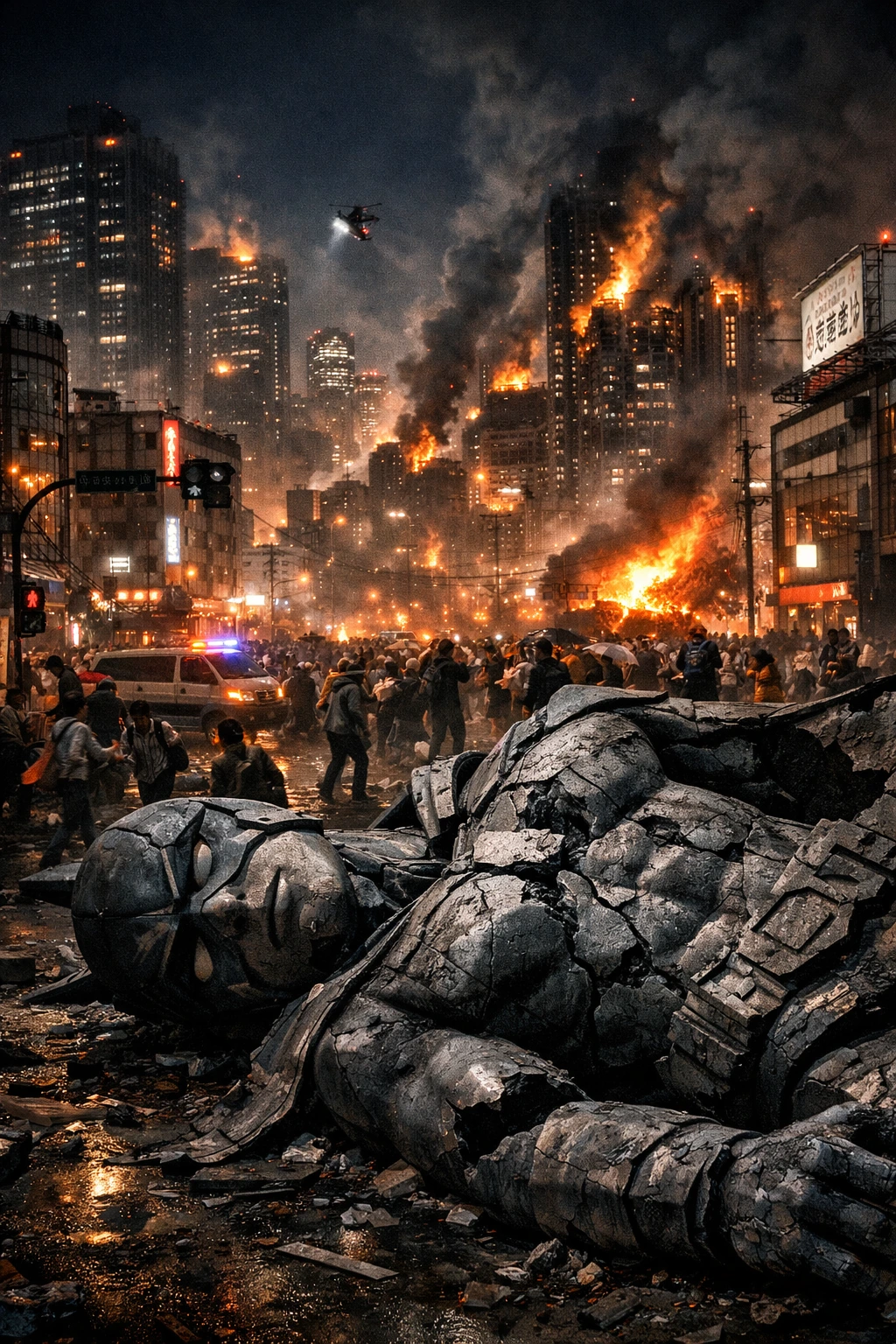
The physical destruction of the Iron Island was merely the epicenter; the shockwaves of the Tartarus jailbreak devastated the entire nation of Japan, fundamentally permanently altering the landscape of the world.
The End of the Golden Age The fall of Tartarus marked the definitive end of the Golden Age of Heroes. The psychological impact on the Japanese public was catastrophic and immediate. For generations, the public had been conditioned to believe in a binary world: heroes catch bad guys, and the worst bad guys go to Tartarus forever.
When news broke that Tartarus had fallen in a single night—that All For One, Overhaul, Muscular, and hundreds of other death-row-equivalent monsters were currently walking the streets—the illusion of safety violently shattered. The public underwent a massive, collective trauma.
They realized that if the ultimate, impenetrable fortress heavily guarded by the military and advanced technology could be destroyed so easily, then nowhere on earth was safe. Their homes, their schools, their cities were defenseless.
Panic buying, mass looting, and the immediate formation of desperate, armed civilian vigilante mobs became the new normal. The foundational trust in the Pro Hero system evaporated overnight, replaced by terror, paranoia, and a desperate, animalistic instinct to survive.
The Mass Resignations The fallout was not limited to the civilians; it struck the very core of the Pro Hero industry. The day following the Tartarus breach, Japan witnessed an unprecedented wave of mass resignations. The Pro Hero system, for all its genuine heroics, had largely become a career path.
Many heroes were accustomed to fighting street-level thugs, handling rescue operations, or starring in commercials. They were entirely unequipped—physically, mentally, and emotionally—to engage in literal warfare against the apocalyptic threats that had just been unleashed. Thousands of heroes looked at the reality of facing escaped death-row inmates, villains whose very names evoked historical terror, and they simply broke.
They packed up their agencies, surrendered their licenses, and quit out of sheer, unadulterated terror. This domino effect caused the total collapse of the national defense infrastructure. The heroes who remained were stretched impossibly thin, forced to fight a grueling, losing battle against a tidal wave of super-powered criminals, accelerating the descent of society into absolute anarchy.
Conclusion
The Graveyard Emptied In the final analysis, Tartarus stands as the ultimate symbol of Hero Society's fatal hubris. The government and the public believed they could indefinitely suppress the darkness of their world by locking it in an underwater box and throwing away the key.
They ignored the root causes of villainy—the societal outcasts, the victims of Quirk discrimination, the ideological zealots—and chose instead to bury the symptoms in the deep. But Tartarus was never a permanent solution; it was a pressure cooker of suppressed evil, slowly boiling under the ocean.
The jailbreak was not merely a villainous victory; it was the inevitable explosion of a flawed, hypocritical system that refused to heal its own wounds. The graveyard emptied, and the sins of the past returned to devour the present.
Closing Thoughts From a narrative and structural perspective, author Kohei Horikoshi utilized the fall of Tartarus as the critical turning point of the entire My Hero Academia saga. The breach of the Iron Island serves as the definitive boundary line where the genre of the story completely shifts.
Before the jailbreak, the series was primarily a superhero high-school story, focused on tournaments, internships, and the idealistic journey of students learning to become saviors within a structured, functioning society. After Tartarus fell, the story mutated into a grim, post-apocalyptic survival war.
The safety nets were removed, the mentors were crippled or killed, and the students were thrust into a lawless wasteland where survival, not grades, became the ultimate test. Tartarus was the dam holding back the darkness; when it broke, the golden age washed away, leaving only the grim reality of a war for the very survival of humanity.