
1. Introduction: The War Didn’t End, It Moved to Space
Sung Su-ho.
The lie we were all told was that the war was over.
When Sung Jin-woo, the Shadow Monarch, turned back time using the Cup of Reincarnation, the world breathed a collective sigh of relief. We witnessed the ultimate sacrifice: a hero who chose to erase his own glory to save the innocent. We watched him sacrifice his humanity, erase himself from the memories of his loved ones, and wage a solitary, twenty-seven-year war in the dimensional gap.
When he finally returned, having slaughtered the Monarchs and saved the planet from the Dragon Emperor Antares, we saw a “Happy Ending.” He married the S-Rank Hunter Cha Hae-In, had a son, and settled into a quiet life as a detective, blending into a world that had no idea a God walked among them.
But peace is a fragile illusion.
The reality of the Solo Leveling universe is far more terrifying than the ending of the original manhwa let on. While Earth enjoys a period of tranquility, the war didn’t stop—it simply migrated. The “Happy Ending” was merely a ceasefire on one front while a cataclysmic storm gathered on another.
Jin-woo is not sitting idle; he is currently holding the frontline in the outer universe, fighting a threat that makes the original Monarchs look like tutorial bosses. He is waging war against the Itarim, the Outer Gods from other universes who have sensed the power vacuum left by the Absolute Being and are hungry to consume our reality.
Jin-woo is the shield holding back an intergalactic tsunami. But even a God cannot be everywhere at once. The Itarim are not just brute forces; they are insidious. They realized they could not defeat the Shadow Monarch in a direct confrontation, so they changed tactics. They began targeting the weak link: the home he left behind.
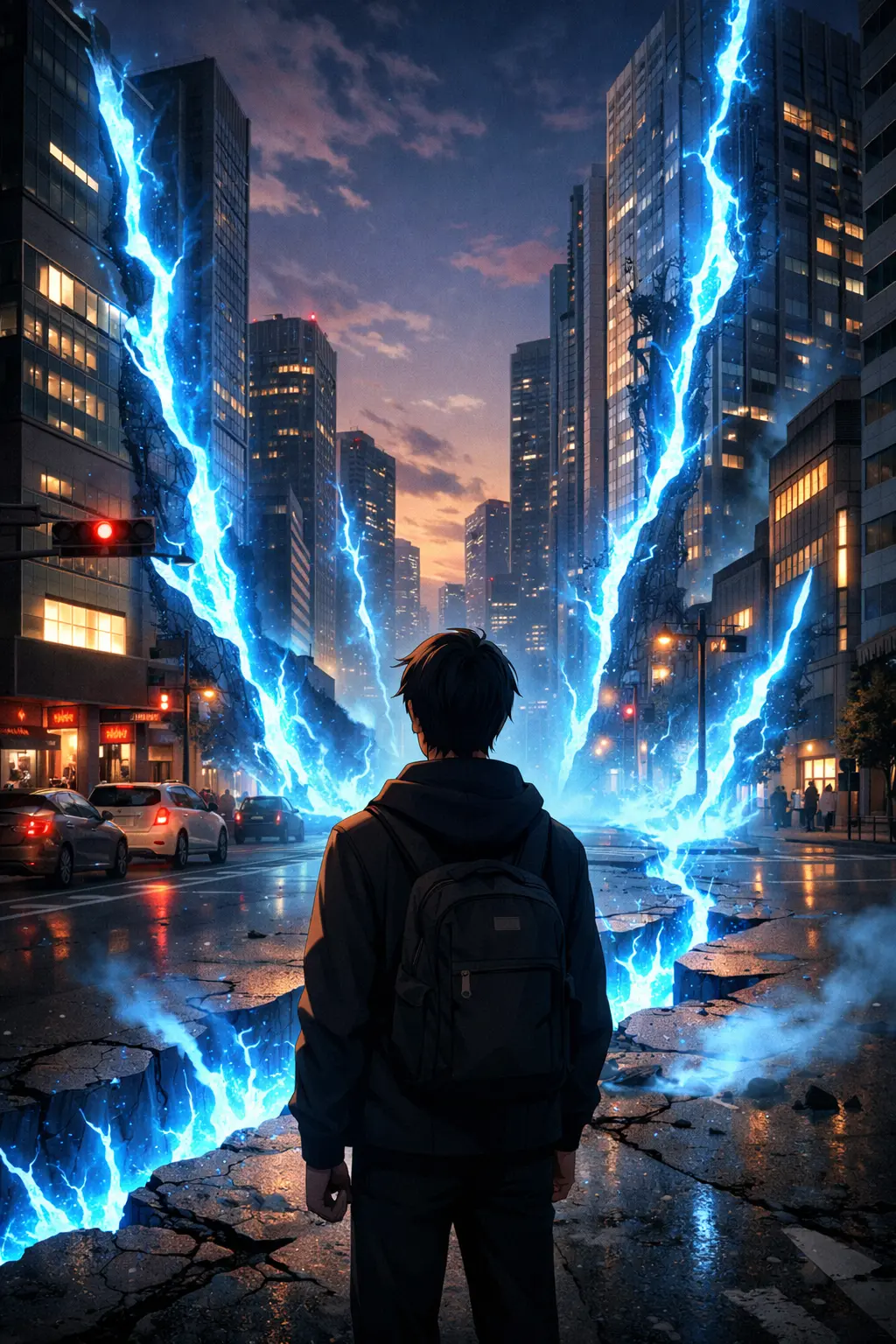
While the father holds the sky, cracks are forming on the ground. Small rifts, barely noticeable at first, are tearing open on Earth. The mana is leaking back in. The “peace” is fracturing. And in the center of this brewing storm stands a college student who believes he is perfectly ordinary. He thinks his biggest problems are exams, part-time jobs, and avoiding the draft.
Enter Sung Su-ho.
Su-ho is an anomaly in existence. He is not a Player selected by chance. He is not a Hunter awakened by trauma. He is the biological son of the strongest entity in existence and a legendary S-Rank Hunter. He has the blood of a God coursing through his veins.
For years, his powers were sealed—locked away by his father to give him a normal childhood. Jin-woo wanted his son to have the choice he never did: the choice to be human. But fate is cruel. The seal is breaking, the rifts are widening, and the Prince of Shadows is waking up. The question isn’t whether Su-ho can save the world; the question is, once he embraces his true nature, will there be anything left of the “normal” world he tried to protect?
This isn’t just a sequel; it is an escalation. This is Solo Leveling: Ragnarok.
2. Su-ho vs. Jin-woo: The “Chaotic” Difference
To understand why Sung Su-ho is arguably more dangerous than his father, we must look at the fundamental difference in their “software.” It is a classic case of Nature vs. Nurture, but applied to a weapon of mass destruction.
The Architect of Despair vs. The Child of Plenty
Sung Jin-woo was forged in desperation. Jin-woo began his journey as the “Weakest Hunter of All Mankind.” His psychology was defined by trauma, poverty, and the constant, suffocating fear of death. Every step he took in the beginning was simply to survive. He carried the burden of his mother’s illness and his sister’s education.
He was a Rogue/Assassin class—stealthy, precise, efficient. He fought with daggers, utilizing speed and shadows to end fights quickly because, for a long time, he couldn’t afford to get hit. His demeanor was stoic, cold, and calculated because he carried the weight of the world on his shoulders alone. He learned to kill before he learned to win.
Sung Su-ho was forged in abundance. Su-ho is the polar opposite. He grew up loved, wealthy, and protected. He is the son of a police inspector (Jin-woo’s cover) and a loving mother. He has the confidence of a young man who has never known the crushing despair of poverty. He doesn’t fight because he needs to pay his mother’s hospital bills; he fights because… it feels right.
This difference in upbringing manifests terrifyingly in his combat style.
The Berserker Prince
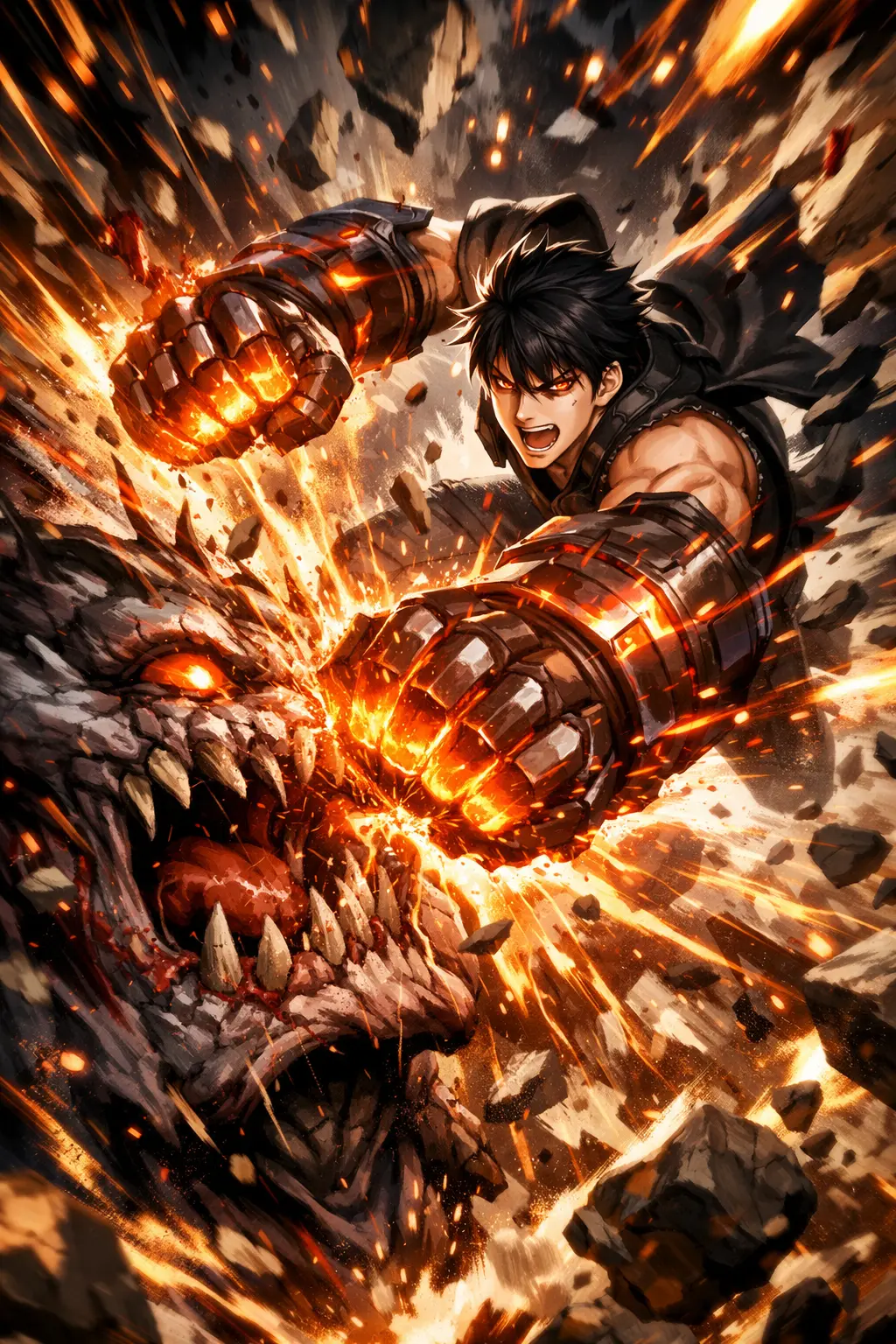
Where Jin-woo was an Assassin who struck from the dark, Su-ho is a Berserker who crashes through the front door. He is a Brawler. He doesn’t use daggers to slit throats from the shadows; he uses Gauntlets to shatter skulls in broad daylight. Su-ho prefers to grab an enemy by the face and slam them into the concrete. His fighting style is visceral, chaotic, and loud.
When Jin-woo fought Igris, it was a dance of death—dodging, weaving, and looking for openings. When Su-ho fights, he tanks hits to deliver harder ones. He utilizes the immense vitality inherited from his father not just to survive, but to overwhelm. He is a force of kinetic energy.
The “Gamer” Psychology
There is a disturbing yet exhilarating “Gamer” vibe to Su-ho. Jin-woo treated the System as a lifeline—a terrifying master he had to obey to avoid penalties. Su-ho treats it like a sandbox. When Su-ho enters a dungeon, he doesn’t have the grim determination of a man marching to his execution; he has the adrenaline of a pro-gamer entering a raid lobby.
He enjoys the thrill. He smiles when the boss monster roars. He experiments with skills not just to kill efficiently, but to see “what happens if I do this.” He min-maxes his stats with a grin on his face.
This makes Su-ho unpredictable. Jin-woo was a surgical scalpel; Su-ho is a wrecking ball. The enemies of the original series feared Jin-woo because he was death incarnate. The enemies in Ragnarok fear Su-ho because he is a force of nature that cannot be reasoned with or intimidated. He possesses his father’s infinite potential but lacks the trauma that kept Jin-woo grounded.
Su-ho is what happens when you give a God’s power to a young man who isn’t afraid to break things. And right now, the thing he is breaking is the power scaling of the entire universe.
3. The “Nanny” Beru: The Best Duo in Fiction
If there is one reason to read Solo Leveling: Ragnarok immediately, it is the return of the Ant King, Beru. But this is not the Beru you remember. The dynamic between Su-ho and Beru transforms the genre from a solitary grind to a hilarious buddy-action comedy.
The Plot Device: Why is the Ant King here?
Jin-woo, realizing the Itarim threat was bleeding into Earth, knew he couldn’t return himself without collapsing the dimensional barrier. The Earth is too fragile to house the full presence of the Shadow Monarch. So, he sent his most loyal, most fanatical soldier back to Earth with a specific mission: Train the Prince.
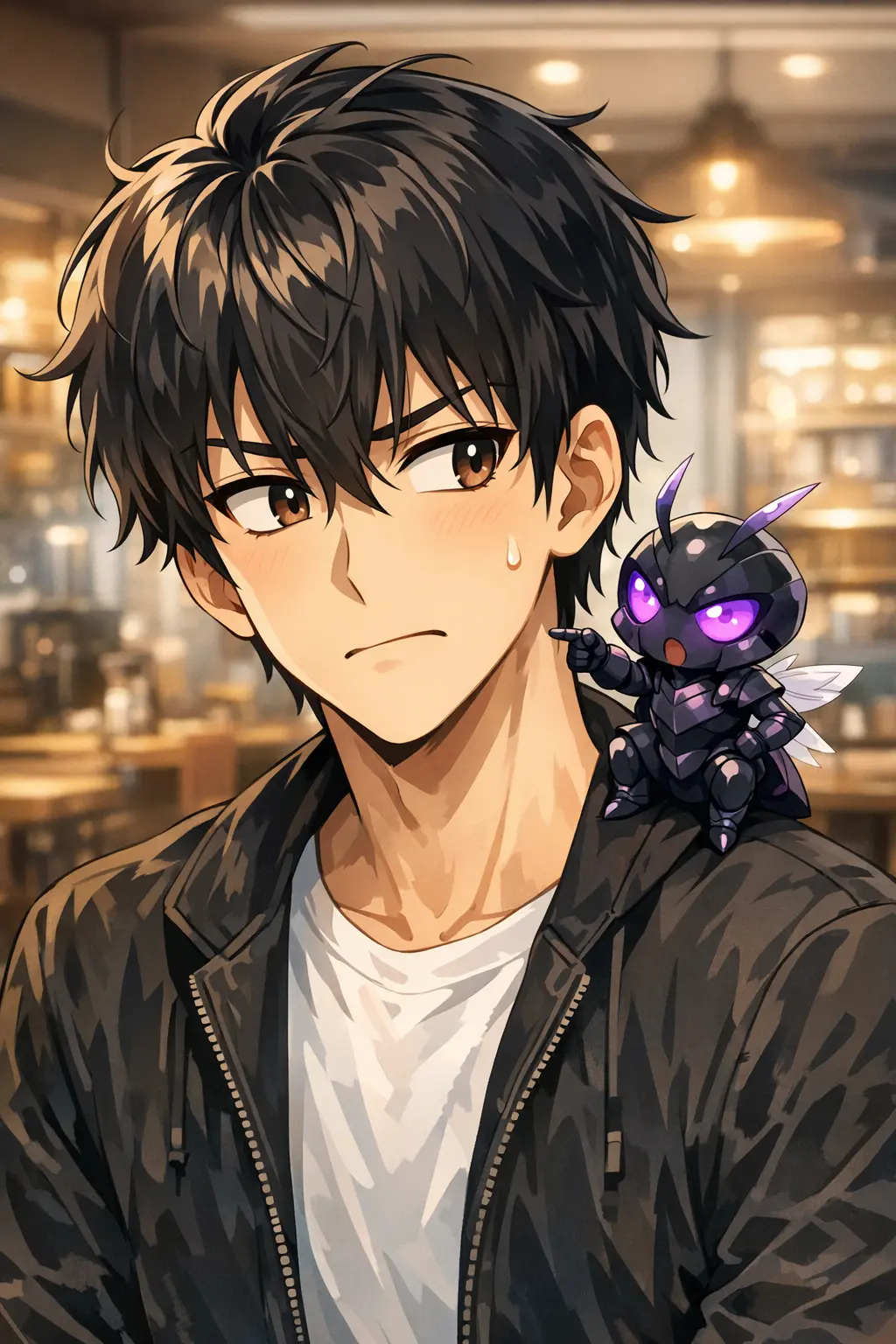
However, the journey between dimensions is treacherous. To cross the gap and enter Earth without triggering a dimensional collapse, Beru had to expend almost all of his power. The terrifying, towering Ant King who once slaughtered Japan’s S-Rank hunters in a single breath has been reduced to a tiny, chibi-sized mascot.
Mini-Beru: The Pocket Monster
Beru now spends most of his time hiding in Su-ho’s shadow or perched on his shoulder like a demonic parrot. He is small, cute, and absolutely hilarious. But do not let the size fool you. Inside that tiny body is still the mind of a genocidal maniac who worships the Sung bloodline. He is a predator trapped in a plushie’s body.
The Dynamic: The Strict Grandmother
The relationship between Su-ho and Beru is pure comedy gold. Beru acts less like a summon and more like a nagging grandmother or an overzealous nanny.
- Dietary Restrictions: “Young Master, you must eat the mana stones! They are good for your growth!” (Su-ho, naturally, finds eating rocks disgusting).
- Critique of Form: “Young Master, your punch was sloppy! You must put your hip into it like His Majesty!”
- Overprotective Aggression: “Young Master, shall I chew the head off that rude person for you? It will only take a moment.”
Beru is constantly trying to groom Su-ho into the perfect successor. He frets over Su-ho’s growth, celebrates his level-ups with tearful joy, and scolds him when he ignores the System’s notifications. It humanizes the most inhuman character in the series.
The Power Limit: A Mentor, Not a Carry
Crucially, the author handles Beru’s presence perfectly to avoid breaking the story tension. Because Beru is severely weakened, he cannot fight Su-ho’s battles for him. If Beru unleashes his full power, he risks being ejected from the dimension or running out of mana entirely.
This forces Beru into the role of a tactician and mentor. He guides Su-ho, explains the lore of the Shadow Monarchs, and offers advice on how to brutally dismantle enemies. It transforms the story from a solo journey into a “buddy cop” dynamic where one cop is a college student and the other is a depowered insect king addicted to Korean historical dramas.
Yes, Beru watches TV. He is obsessed with historical dramas (Sageuks), often speaking in archaic court language, referring to Su-ho as “Your Highness” or “The Crown Prince,” which only adds to the absurdity and charm of their bond.
4. The New System: “Leveling Up” 2.0
In the original series, the “System” was a tool created by the Architect to find a suitable vessel for Ashborn. It was malicious, cold, and designed to test Jin-woo through pain. It was a test of worthiness.
In Ragnarok, the System is different. It is Version 2.0.
Created by a Father
This System was not built by an enemy; it was architected by Jin-woo himself. Its purpose is not to test Su-ho’s worthiness—he is already worthy by blood. Its purpose is to regulate him.
Su-ho’s latent power is so immense that if it were released all at once, his mortal body would disintegrate. He is a nuclear reactor inside a paper cup. The System acts as a safety valve, a governor that slowly releases the dampeners on his power as his body strengthens. It is a loving father’s way of ensuring his son doesn’t burn out.
The Quest Structure: “Train” vs. “Survive”
We see a direct callback to the original “Daily Quest,” but the context has shifted.
- Jin-woo’s Quest: “Survive or Die.” The penalty was a desert centipede trying to kill him. It was fear-based motivation.
- Su-ho’s Quest: “Train to Inherit.” The quests are focused on physical conditioning (Run 10km, Push-ups, Squats). It is growth-based motivation.
However, the System is still a hard taskmaster. If Su-ho slacks off, the System (programmed by Jin-woo’s logic) introduces “Shadow Dungeons.”
The Shadow Dungeon: The Dream Realm
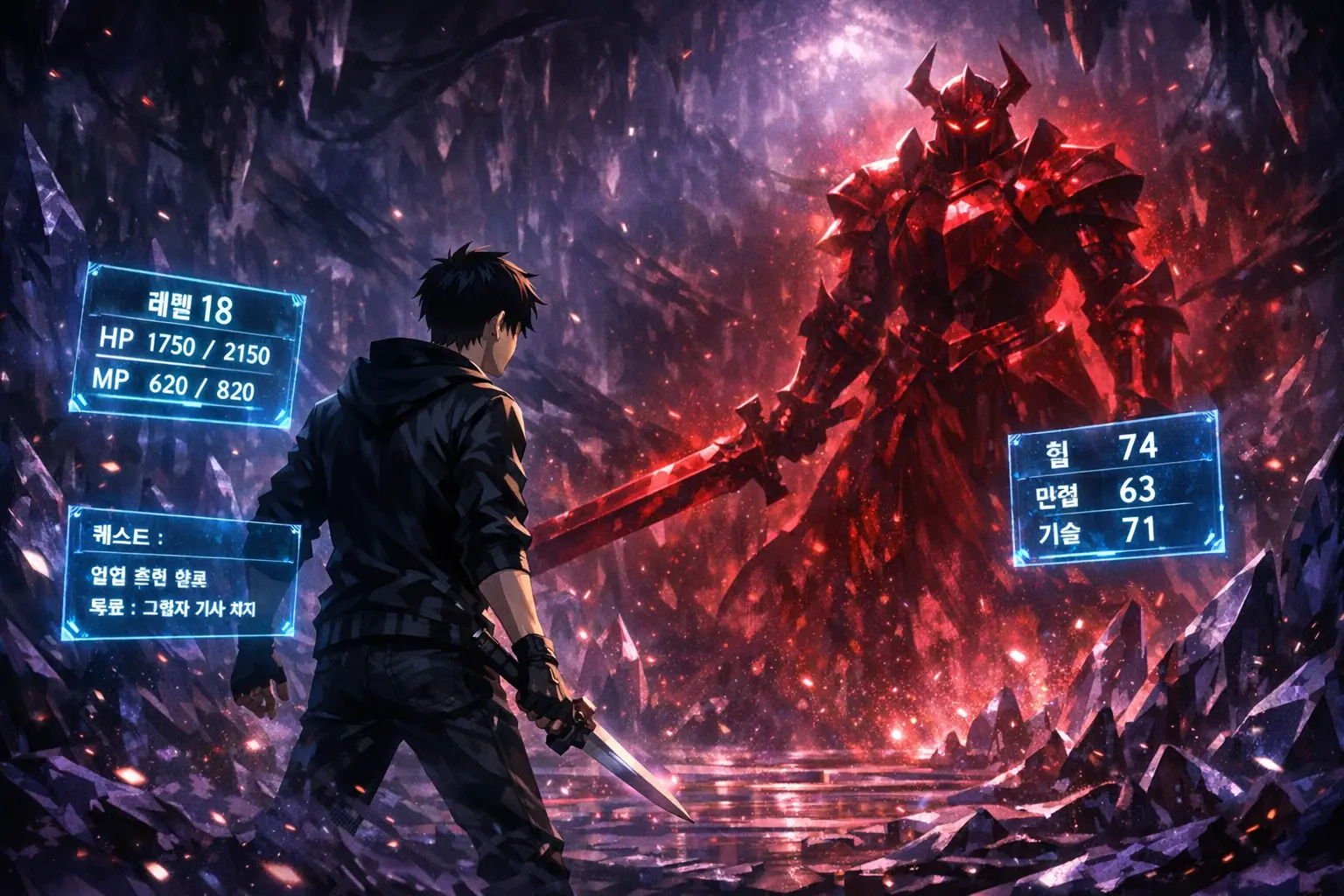
This is the most innovative addition to the leveling mechanics. When Su-ho sleeps, or when he enters a specific state, he is pulled into the “Shadow Dungeon.” This is an illusory world constructed from Jin-woo’s memories and the Shadow Army’s data.
Here, Su-ho isn’t fighting random goblins. He is fighting simulations of the greatest threats his father ever faced. He spars against Igris. He faces the echoes of the Monarchs. He fights the Shadow Soldiers themselves.
This serves two narrative purposes:
- Fan Service: We get to see the legendary shadows (Igris, Iron, Tank) again, even if they are currently with Jin-woo in space. The “copies” in the dungeon interact with Su-ho, recognizing him as the Prince, often bowing before they pummel him into the ground.
- Accelerated Growth: Su-ho gains combat experience against S-Rank+ threats while safely in a dream state, allowing his “Battle IQ” to skyrocket faster than any normal hunter.
This mechanism explains why Su-ho adapts so quickly. He is literally being trained in his sleep by the ghosts of the strongest army in history.
5. The Disappearance of Cha Hae-In: The Emotional Core
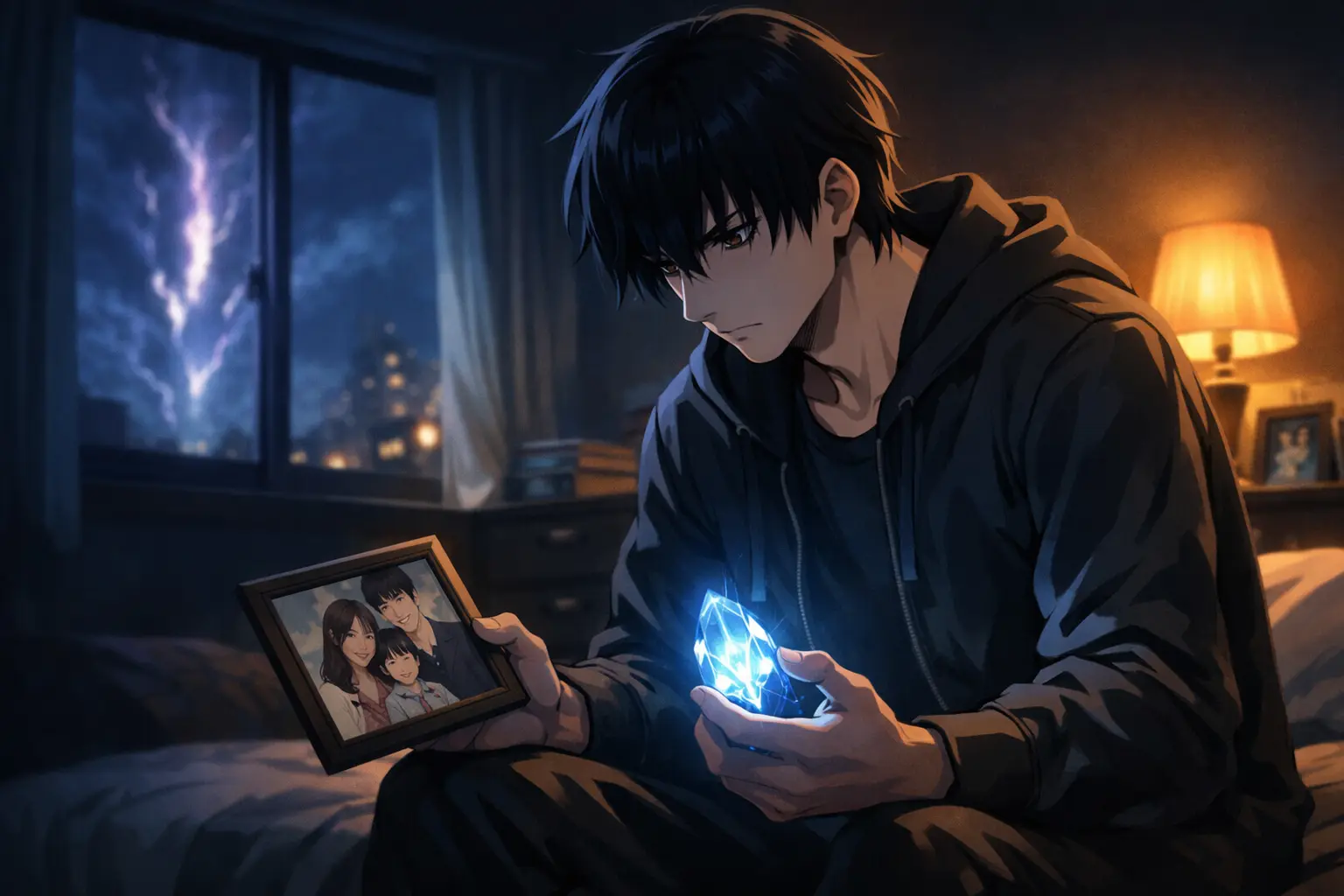
One of the most shocking revelations early in Ragnarok is the absence of Su-ho’s mother, Cha Hae-In. In the “Happy Ending,” she was a retired hunter living a domestic life. But Ragnarok shatters this peace.
Su-ho discovers that his mother is not simply “away on a trip” as he might have believed. Cha Hae-In has disappeared. Driven by her love for her husband and her instincts as an S-Rank hunter, she sensed the danger Jin-woo was in. Unlike the rest of the world that forgot, or remained ignorant, she found a way to cross the dimensional gap. She went to find him.
This adds a desperate, emotional layer to Su-ho’s journey. He isn’t just leveling up for fun; he is leveling up to find his family. His father is holding the line at the edge of the universe, and his mother is missing in the void between worlds. Su-ho is the orphan of a war he didn’t know existed, and his quest is ultimately a rescue mission. This motivation grounds the fantasy elements in a very real, human desire: to bring his parents home.
6. The Return of Esil: The Demon Girl
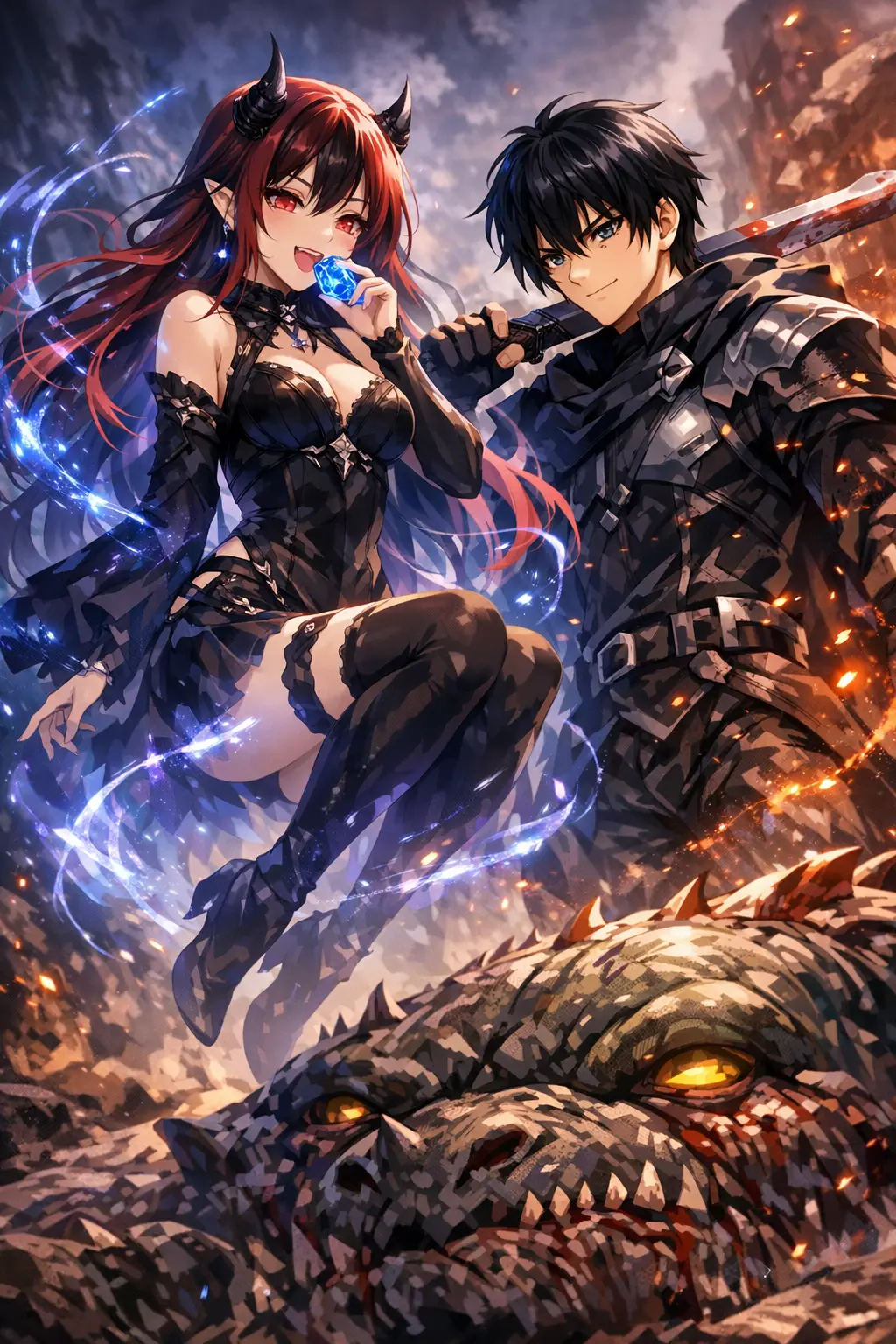
For fans of the original Solo Leveling, the Demon Castle arc was a highlight, and the character Esil Radiru (the Demon Noble) was a fan favorite who vanished too soon. Ragnarok fixes this injustice and elevates her to a main character.
She is Back, and She is Hungry
In the new timeline, the demons were mostly wiped out, but Esil survived. However, her existence is precarious. She has lost her physical body and exists as a spiritual entity, a specter that needs a constant supply of mana to maintain her form. She is effectively a ghost haunting Su-ho, but a very demanding one.
The Party Member
Esil is no longer just a guide; she is a core member of Su-ho’s party. Because she lacks a physical form, she often resides within artifacts or relies on Su-ho’s mana. This creates a symbiotic relationship.
Her role brings a different flavor to the combat. While Su-ho provides the brute force and Beru provides the tactics, Esil provides the sensory capabilities and magical knowledge of the Demon Clan. She can sense mana fluctuations, identify weaknesses, and navigate the complex politics of the dimensional rifts.
The Gluttony Mechanic
A running gag (and a serious plot point) is Esil’s insatiable hunger. Because she is a spirit, she must consume mana “food” or mana stones constantly to prevent herself from fading away. This mirrors the gluttony of the new enemies but in a comedic, endearing way. It also gives Su-ho a financial motivation—he needs to earn money not just for himself, but to feed his high-maintenance demon companion.
The “Romance” Potential
While Solo Leveling is action-first, the dynamic between Su-ho and Esil hints at the same chemistry Jin-woo had with Cha Hae-In. There is a playful arrogance to Esil—she is a Noble, after all—that clashes wonderfully with Su-ho’s laid-back confidence. They bicker, they fight together, and they rely on each other. She calls him out on his recklessness, and he teases her about her appetite. Whether it turns romantic or stays a deep comradeship, their interaction is the emotional anchor of the team.
7. Gray (Fang): The New Best Friend
Su-ho does not immediately inherit the full Shadow Army. Jin-woo has those soldiers in space. This means Su-ho has to build his own army from scratch, or at least, start with new companions.
Enter Gray, the giant wolf.
Gray (often referred to as Fang in translations) is a spiritual successor to the Tank/Iron/Igris dynamic, but with a twist. Gray starts as a “pet” that Su-ho adopts. He is a massive, formidable beast that evolves alongside Su-ho. Unlike the Shadow Soldiers who are subservient and silent, Gray has a personality. He is fiercely loyal, a bit jealous of Beru, and serves as Su-ho’s mount and vanguard.
The addition of Gray diversifies the “Summoner” aspect. Su-ho isn’t just commanding shadows; he is raising beasts. It adds a “Tamer” class element to his “Berserker” style, making his party feel more like a traditional RPG group than a one-man army.
8. The New Villains: The Itarim (Outer Gods)
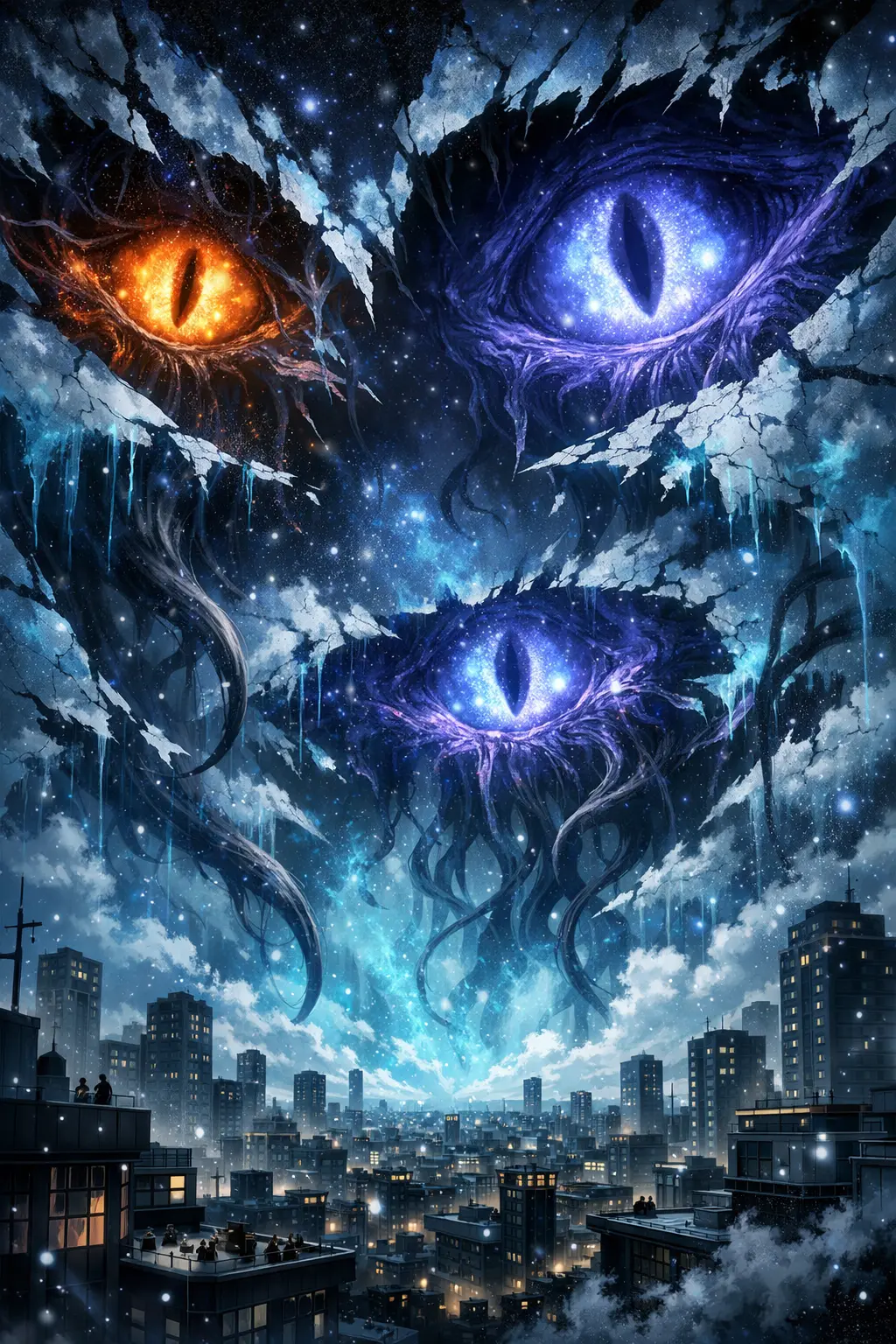
A sequel is only as good as its villains. The Monarchs were formidable, but they were ultimately part of the same “ecosystem” as the Rulers. They were two sides of the same coin created by the Absolute Being. The Itarim are something else entirely.
Cosmic Horror vs. Fantasy Villains
The Itarim are “Outer Gods” from a universe that lacks mana. They are starving. They look at Jin-woo’s universe not as a battlefield, but as a buffet. They represent entropy and hunger. This introduces a Lovecraftian element to the series. The Monarchs had personalities, egos, and pride. The Itarim are vast, unknowable entities that view humanity as ants.
They operate differently from the Monarchs. The Monarchs wanted destruction and war. The Itarim want assimilation and corruption.
Stardust and The Apostles
Since the Itarim cannot enter the universe directly (thanks to Jin-woo blocking the door), they send their influence through the cracks. This manifests as “Stardust”—a glittering, beautiful substance that enhances power but corrupts the mind.
The Itarim grant power to those who feel weak. They find failed Hunters, ambitious villains, and even monsters, and turn them into “Apostles.” These Apostles are not just strong; they are wrong. Their biological structures are twisted. They use a corrupt energy that is the antithesis of the Shadow Monarch’s darkness. They are tragic figures—people who wanted power and paid with their souls.
The Blue Mist
The signature of the Itarim is the “Blue Mist.” Unlike the dungeons of the past, which were filled with magical energy, the rifts corrupted by the Itarim are filled with this mist. It turns humans into mindless, violent husks. It reanimates the dead—not as loyal Shadow Soldiers, but as rotting, chaotic zombies.
This sets up the ultimate ideological battle: Jin-woo’s Shadows (Order/Loyalty) vs. The Itarim’s Mist (Chaos/Corruption).
9. The Return of the Old Guard: Chairman Yoo Jinho
We cannot talk about the legacy of Solo Leveling without mentioning the man who stood by Jin-woo when no one else would: Yoo Jinho.
In Ragnarok, Jinho is no longer the nervous sidekick carrying bags. He is a titan of industry. He is the Chairman of the global conglomerate that manages hunter affairs. He is Su-ho’s “Uncle” and his biggest supporter.
Jinho plays a pivotal role. He suspects Su-ho’s identity early on. He provides the financial backing, the equipment, and the cover-ups necessary for Su-ho to operate. The bond between Jinho and Su-ho is heartwarming; Jinho sees his best friend (Jin-woo) in Su-ho’s eyes. He spoils Su-ho, protects him from the media, and acts as the bridge between the ordinary world and the hunter world.
It is a beautiful evolution for Jinho, proving that you don’t need S-Rank power to be an S-Rank legend.
10. Conclusion: The Legacy Continues
Solo Leveling: Ragnarok achieves the impossible: it takes a perfect ending and justifies reopening the book. It doesn’t undo Jin-woo’s victory; it honors it by showing the cost.
It succeeds because it shifts the genre. Solo Leveling was a Power Fantasy about a weak boy becoming a God. Ragnarok is a Superhero Fantasy about a God’s son learning to be a hero. It blends the high-octane action of the original with the character-driven humor of a modern shonen.
The tone is lighter, the comedy is sharper, and the interactions between Su-ho, Beru, and Esil provide a warmth that the solitary Jin-woo often lacked. But when the fighting starts, the art (in the webtoon) and the descriptions (in the novel) deliver the same bone-crunching satisfaction.
Su-ho’s Burden Ultimately, this is a story about accepting responsibility. Su-ho could have rejected his powers. He could have let the Hunters Association handle the rifts. He could have lived off his uncle Jinho’s money. But he steps up. He accepts the mantle of the Crown Prince.
He is leveling up not to defeat a specific enemy, but to ascend. His ultimate destination is the stars. He is preparing for the day when he will fly into the outer universe, stand back-to-back with his father, and face the endless hordes of the Itarim together.
Until then, he is the guardian of Earth. He is the shadow that watches over the light. He is Sung Su-ho, and he is just getting started.
Key Takeaways for Fans:
- Action: More melee-focused, brutal, and “impactful” than the dagger-work of the prequel.
- Lore: Expands the universe significantly, introducing the concept of Outer Gods, multiple dimensions, and the intricate politics of the Mana universe.
- Nostalgia: Constant callbacks to the original Shadows, Jin-woo’s old struggles, and the legacy of the Shadow Monarch.
- Verdict: If you loved Solo Leveling, Ragnarok is not optional. It is essential reading. It is the worthy successor to the throne.