
1. Introduction: The Shadow Monarch in Your Pocket
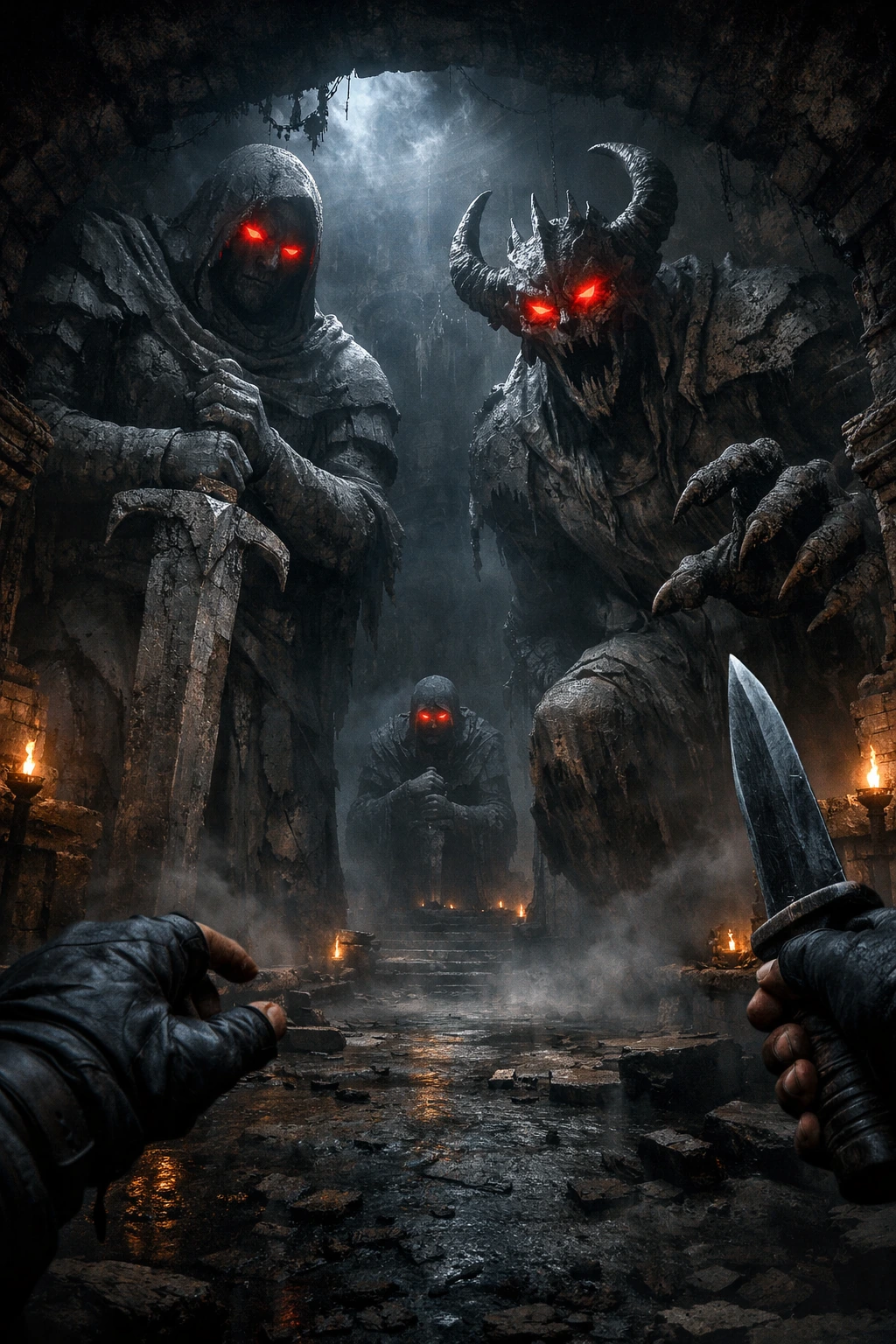
For over half a decade, fans of Chugong’s legendary web novel and DUBU’s breathtaking manhwa illustration have harbored a singular, overarching fantasy: to step into the shoes of Sung Jin-woo. We didn’t just want to watch the Weakest Hunter of Mankind rise to become the Shadow Monarch; we wanted to wield the daggers, command the shadows, and feel the visceral thrill of shouting “Arise.”
After years of anticipation, Netmarble finally handed over the keys to the kingdom with Solo Leveling: Arise. But the burning question remains: is this the definitive interactive experience fans have been waiting for, or merely a beautifully disguised, wallet-draining trap?
The hype surrounding this release was nothing short of unprecedented. Amassing a staggering 15 million pre-registrations globally, the launch carried the weight of an entire fandom’s expectations. In the modern mobile gaming ecosystem, where intellectual properties are frequently slapped onto generic, auto-play role-playing games just to capitalize on brand recognition, skepticism was high.
Players have been burned before by shallow adaptations that rely entirely on nostalgia rather than mechanical depth. However, Solo Leveling: Arise positioned itself differently right out of the gate, promising a genuine, high-octane Action-RPG experience that demanded true mechanical skill, timing, and strategy. This wasn’t marketed as just another idle gacha game; it was pitched as a fully-fledged action title.
The very first impression the game delivers is one of sheer, unadulterated impact. From the moment you load into the tutorial—which painstakingly recreates the traumatic and iconic Double Dungeon incident—the game establishes a blistering pace. Does it feel as fast and impactful as the manhwa? Absolutely. Every swing of Jin-woo’s blade, every perfectly timed dodge, and every magical explosion is accompanied by a weight and kinetic energy that is rare in the mobile space.
The developers implemented subtle but highly effective haptic feedback; when your blade connects with a magic beast, your device subtly vibrates, translating visual damage into physical sensation. The screen shakes perfectly in tandem with critical hits, and the particle effects—splashes of dark purple and electric blue—mirror the iconic color palette of the source material.
Yet, beneath the polished, adrenaline-fueled surface, a complex ecosystem of progression systems, currencies, and time-gated mechanics lurks. The ultimate goal of this review is to dissect every layer of this colossal title. Is Solo Leveling: Arise worth the massive storage space it commands on your device and the hours of your time it demands? Does it reward the dedicated player who masters its intricate combat mechanics, or is the illusion of skill eventually shattered by an impenetrable paywall? Let’s dive deep into the abyss and uncover the truth behind the Shadow Monarch’s digital reign.
2. Gameplay Mechanics: The “Action” in Action-RPG
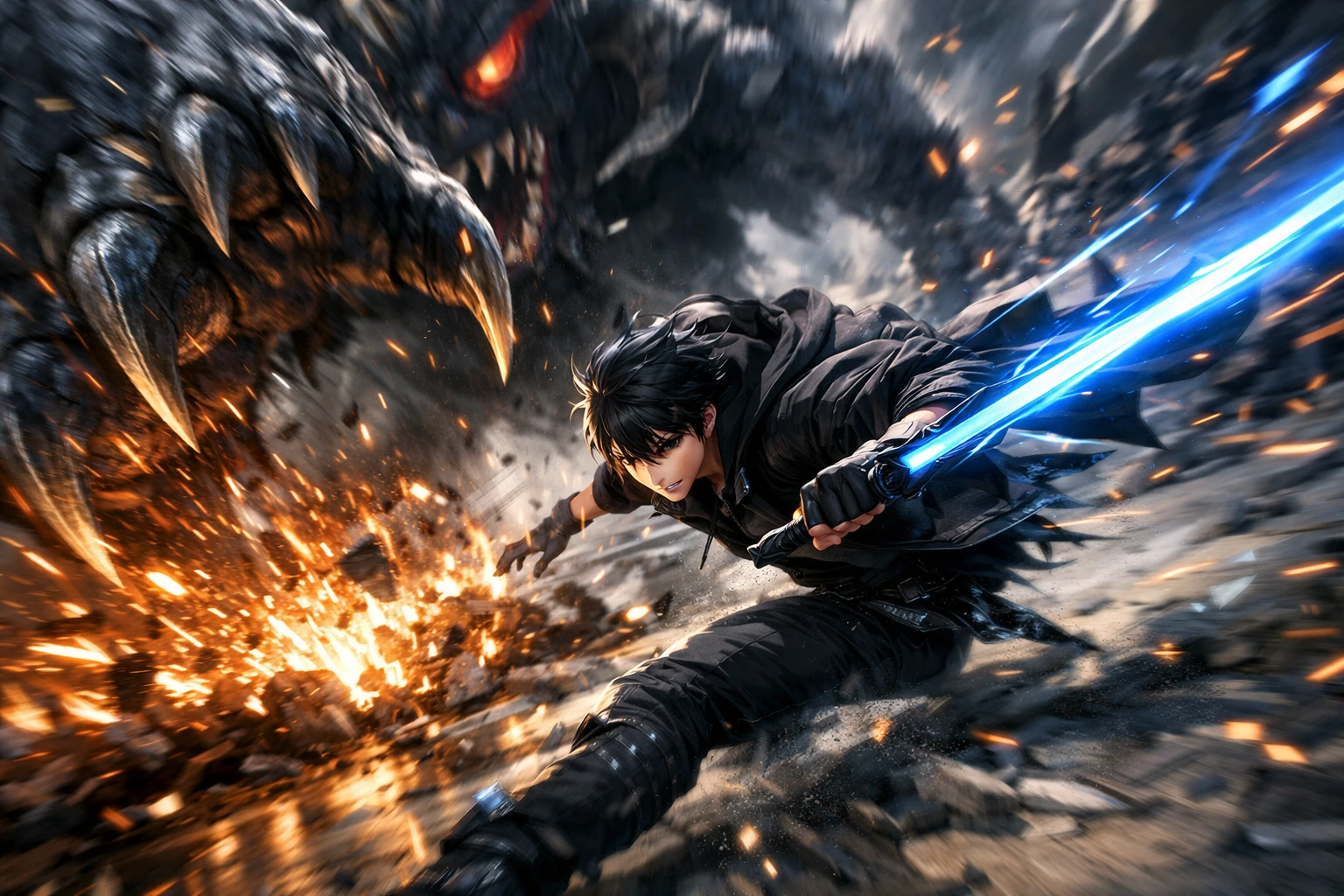
If a game claims to be an Action-RPG, it must live or die by its combat system. Thankfully, this is where Solo Leveling: Arise shines the brightest, executing a combat loop that feels surprisingly deep, responsive, and punishing for those who refuse to learn its nuances. At the absolute core of surviving the highest-tier Red Gates and boss encounters is the “Extreme Evasion” mechanic. Unlike traditional button-mashers, this game demands situational awareness.
When an enemy telegraphs an attack (usually denoted by a brief flash or ground indicator), dodging at the exact frame before impact triggers an Extreme Evasion. This not only grants you a crucial window of invincibility frames (i-frames) but massively slows down time, allowing you to reposition and counter-attack safely.
This directly ties into the game’s QTE (Quick Time Event) skills. Successfully performing an Extreme Evasion triggers a unique, high-damage counter-attack prompt. Similarly, breaking an enemy’s “Break Gauge”—a white armor bar that must be depleted using characters or skills with the “Break” property—stuns the boss and opens up a window for devastating QTE chain combos. This creates a rhythm to the combat: dodge, punish, break, execute. It transforms what could have been a mindless hack-and-slash into a highly technical dance.
What elevates the combat further is the profound level of skill customization available for Sung Jin-woo. Just as Jin-woo evolved in the series, adapting his fighting style to his opponents, players can seamlessly swap out his active skills. Abilities recognizable to any fan—such as Vital Strike, Mutilate, Dagger Rush, and Stealth—are all present, but they are not static. By utilizing “Runes,” players can augment these base skills, altering their elemental properties (changing a physical strike to fire or dark damage) or adding secondary effects like crowd control, armor breaking, or critical hit buffs. This means you can—and must—tailor Jin-woo’s loadout specifically to exploit the elemental weaknesses of the boss you are facing.
Then, there is the game’s crowning feature: The Shadow Army. You cannot have a Solo Leveling game without the ability to raise the dead, and Netmarble has integrated this seamlessly into real-time combat. Rather than acting as passive stat sticks, Shadows like Igris, Tank, Iron, and Blades are active summons. With a tap of a button, a legion of shadowy soldiers erupts onto the battlefield, taking aggro, breaking shields, and dealing massive area-of-effect damage alongside you. The sheer visual spectacle of fighting alongside your favorite shadows, watching them execute their signature moves in 3D, is a euphoric experience that perfectly captures the power fantasy of the IP.
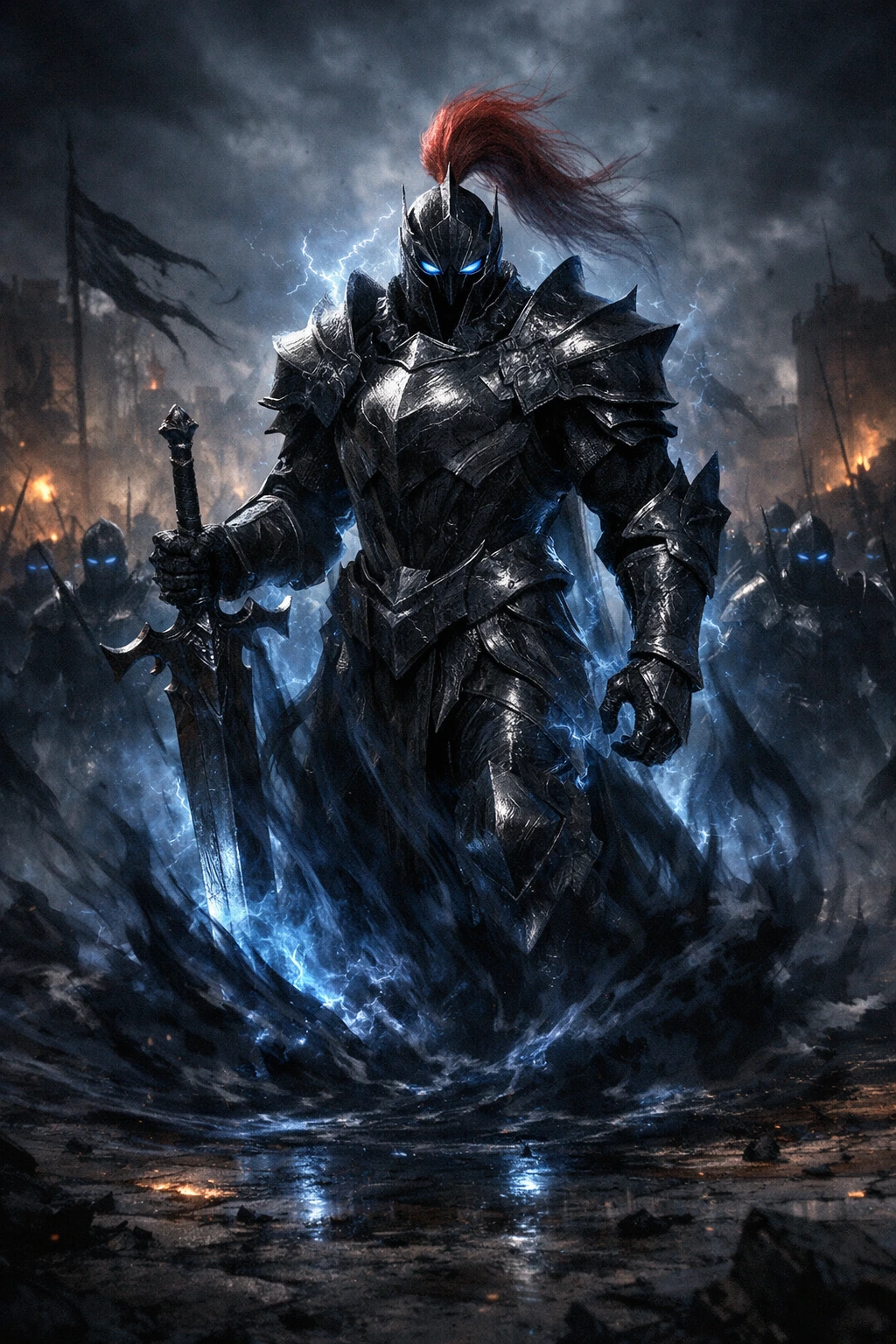
When comparing the overall “feel” of the combat, it sits somewhere in the sweet spot between the elemental team-swapping synergy of Genshin Impact and the fast-paced, reflex-heavy juggling of Devil May Cry. You are constantly managing cooldowns, monitoring stamina for dodges, executing perfect parries, and unleashing cinematic ultimate abilities. The combat is undeniably a triumph, proving that mobile-first action games can possess a remarkably high skill ceiling.
3. The Gacha System: The F2P Nightmare?
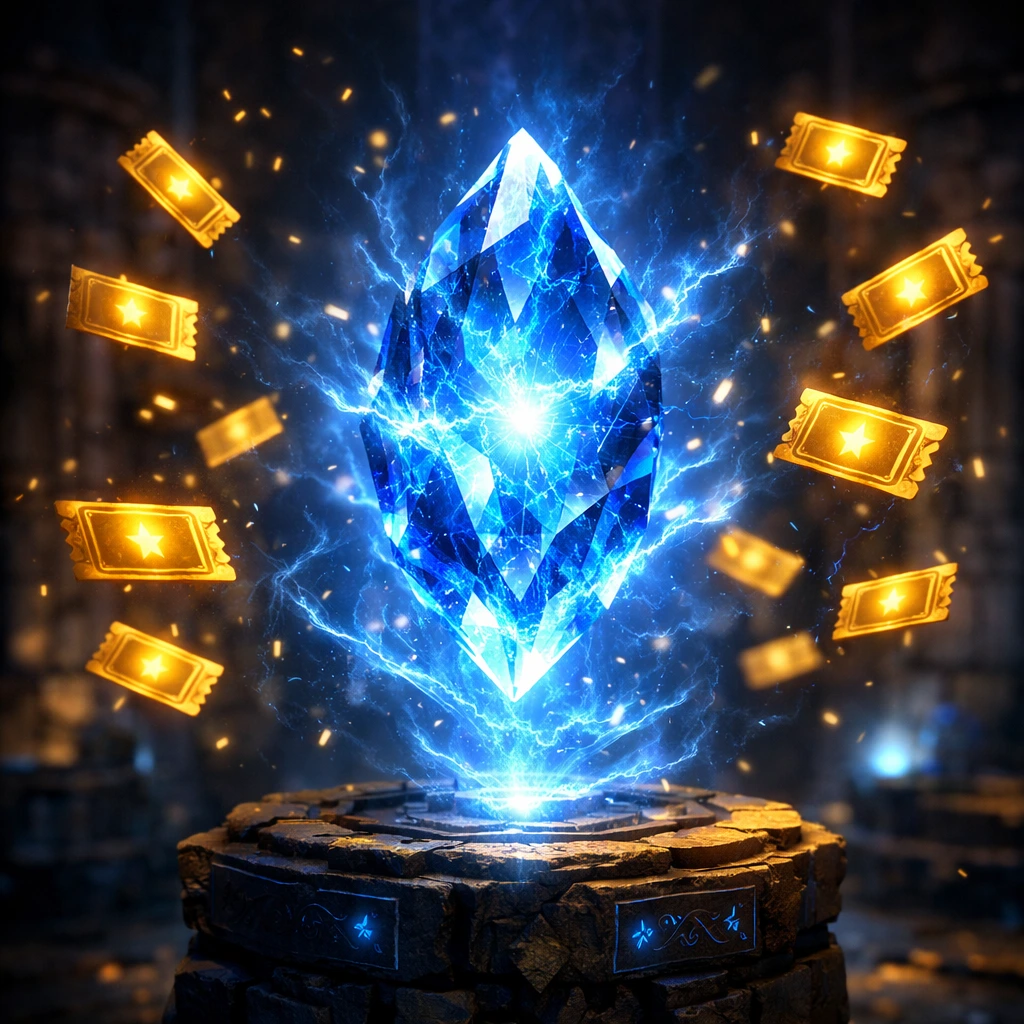
However, the brilliant combat system is inextricably linked to the game’s monetization model, and this is where the brutal reality of Solo Leveling: Arise sets in. At its core, this is a “Gacha” game—a system heavily reliant on randomized digital slot machines to acquire the best characters (Hunters) and Weapons. To navigate this landscape without falling into financial ruin, one must adopt a highly analytical, almost billionaire-tier mindset toward resource management, focusing entirely on the 80/20 rule: investing 80% of your premium resources into the top 20% of game-changing assets.
The economy revolves around a few primary currencies, but the most critical is “Essence Stones,” the premium currency used to purchase “Draw Tickets.” There are generally two types of draws: the Custom Draw (the standard, permanent banner) and the Rate-Up Draw (the limited-time banner featuring newly released, powerful characters).
Let’s break down the mathematical reality of the “Pity System.” The game utilizes a system designed to guarantee an SSR (Super Super Rare) drop after a certain number of failed attempts to prevent utter despair. The hard pity is set at 80 pulls. This means if you pull 79 times without seeing an SSR, your 80th pull is mathematically guaranteed to be one. Furthermore, a “soft pity” mechanism seems to kick in around the 64th pull, where the base 1.2% chance of pulling an SSR incrementally increases.
However, acquiring an SSR on a limited banner triggers a 50/50 mechanic. You have a 50% chance to get the featured character (e.g., Cha Hae-In) and a 50% chance to lose to a standard pool SSR. If you lose, your next SSR is guaranteed to be the featured character. This means a worst-case scenario guarantees the character you want at 160 pulls—a massive sink of Essence Stones.
This brings us to the ultimate question: What is the F2P (Free-to-Play) viability? Can a player who refuses to spend a single rupee finish the main story? The short answer is yes, but the long answer requires context. The game is highly generous in the first week. By completing story missions, tutorials, and early achievements, players are showered with hundreds of free draws and thousands of Essence Stones. An F2P player will acquire a solid roster of SSR characters and weapons early on. However, as you reach Chapter 10 and beyond, the difficulty curve spikes aggressively into a vertical wall.
Bosses become massive damage sponges with stringent time limits. If you haven’t managed your early resources perfectly—if you wasted Essence Stones on subpar banners or spread your upgrade materials too thin across weak characters—you will be hard-stuck. True skill can compensate for slightly under-leveled gear, but you cannot i-frame your way past a hard 3-minute DPS check. F2P players must meticulously hoard resources for meta-defining banners.
A critical look at the microtransactions reveals a highly optimized, psychological monetization strategy. Netmarble doesn’t just sell you currency; they sell you convenience and progression speed. The “Monthly Passes” are designed as the ultimate high-value, low-cost bait to convert F2P players into “light spenders.” They offer daily Essence Stones and crucial quality-of-life features like increased dungeon sweeps, saving you hours of mundane grinding. Then there are the “Growth Packs”—bundles that pop up immediately after you level up or clear a difficult stage, exploiting the dopamine rush of victory to sell you materials you desperately need to continue progressing.
To survive this economy, you must understand that the game is intentionally designing bottlenecks (lack of gold, lack of weapon enhancement gears) to frustrate you into spending. If you approach Solo Leveling: Arise as a marathon rather than a sprint, accepting that you will hit progression walls that take days of daily logins to overcome, it remains an incredibly enjoyable F2P experience. If you lack patience, it will become a nightmare.
4. The Meta: Best Hunters & Weapons Tier List
In a game where resources are painfully scarce, making the wrong investment can brick your account’s progression for weeks. Understanding the “Meta” (Most Effective Tactic Available) is not optional; it is mandatory. You must identify which Hunters and Weapons provide exponential returns on your investment.
S-Tier Hunters: The Dominators
Currently, the meta is entirely warped around a few select SSR Hunters who possess mechanics that trivialize the game’s hardest content.
Cha Hae-In (Light DPS): The “Dancer” is arguably the most broken unit in the game’s current iteration. Her kit is a masterclass in offensive overwhelming. Her primary mechanic revolves around “The Dancer” buff, which massively inflates her Critical Hit Rate and Critical Hit Damage. Furthermore, her unique brand inflicts an “Unrecoverable” state on enemies, completely shutting down bosses that rely on healing phases to survive. When fully built, Cha Hae-In doesn’t just chip away at boss health bars; she deletes them in a flurry of golden light. If she is on a banner, you pull for her. Period.
Seo Jiwoo (Water Tank/Breaker): Do not let the “Tank” classification fool you. Seo Jiwoo is a fundamental requirement for pushing high-level Gates, particularly the dreaded Cerberus encounter. Her absolute necessity comes from her unrivaled breaking capabilities. Many endgame bosses possess colossal Break Gauges that heavily resist anything but Water-elemental damage. Seo Jiwoo is capable of resetting her own skill cooldowns, allowing her to chain together multiple heavy-breaking attacks back-to-back while simultaneously applying a massive shield to herself and the team based on her max HP. She is unkillable, and she shatters armor faster than anyone else.
Min Byung-Gu (Light Support): Raw damage is essential, but damage amplification is what pushes your team over the edge in tight time-limit encounters. Min Byung-Gu is the premier support unit. He provides substantial healing, but more importantly, his ultimate ability massively debuffs the enemy, increasing the damage they take while simultaneously buffing the Critical Hit properties of your team. Pairing Min Byung-Gu with Cha Hae-In creates a synergistic nuclear option that melts the game’s hardest bosses.
Jin-woo’s Arsenal: The Weapon Meta
When you play as Sung Jin-woo, your power is directly dictated by your equipped weapons. Because you control Jin-woo directly in the main story, pulling his weapons is often more valuable than pulling a new Hunter.
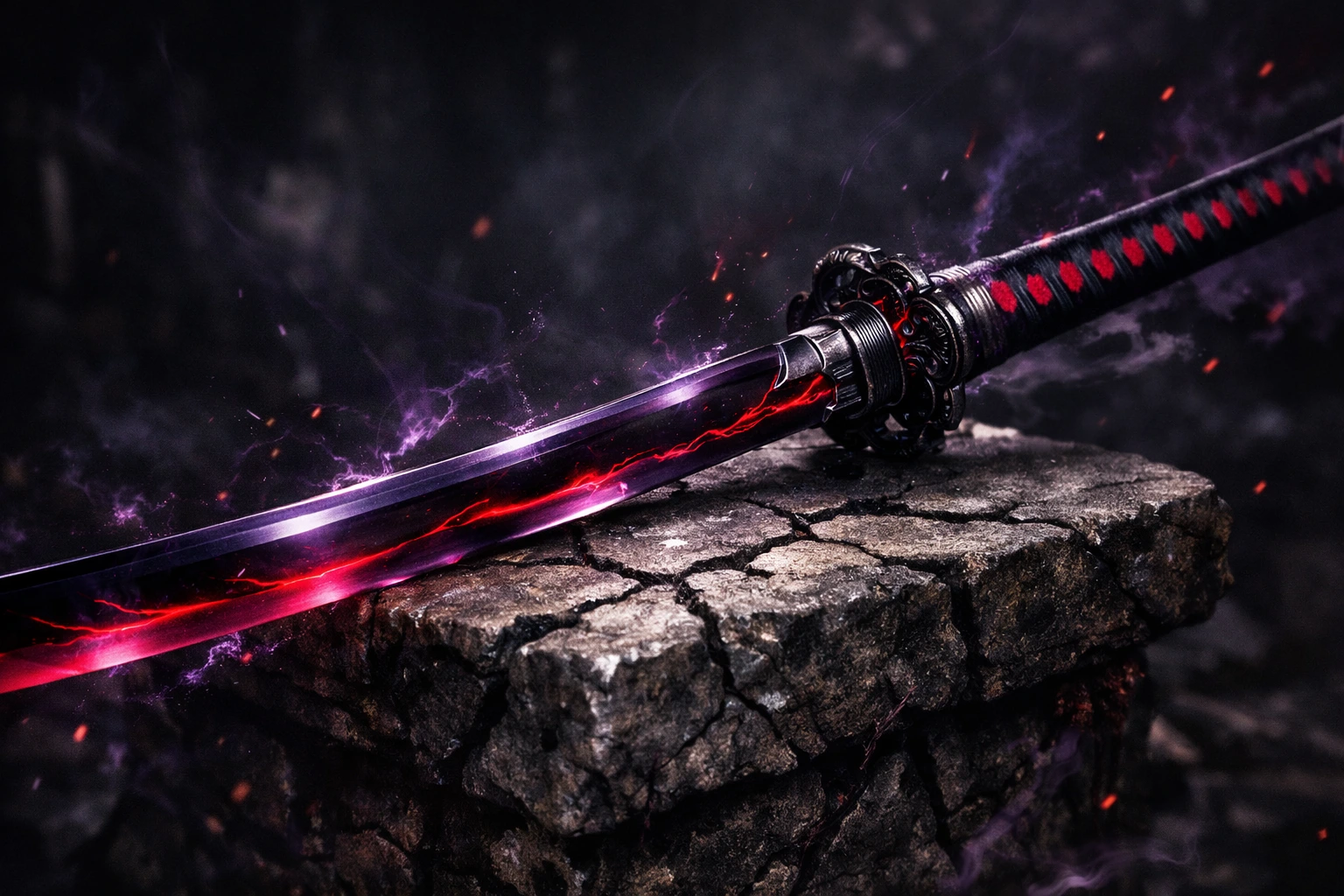
The Plum Flower Sword (Dark SSR): This is universally recognized as the best weapon in the game. It isn’t just about raw damage; it’s about the mechanics it enables. The sword’s active skill features a dash that provides generous i-frames, allowing for aggressive repositioning. More importantly, using its weapon skill grants a massive, stacking buff to Critical Damage and Dark Damage. Furthermore, it applies an “Amplification” effect, meaning your other equipped weapon will deal significantly more damage. The Plum Flower Sword is the ultimate enabler, forming the foundation of almost every top-tier Jin-woo build.
The Scythe of the Depths (Dark SSR): Often paired with the Plum Flower Sword, the Scythe operates on a high-risk, high-reward mechanic. Its most devastating skill consumes a percentage of Jin-woo’s own HP to unleash a catastrophic burst of dark energy. While dangerous, the sheer numerical output of this weapon is unmatched. It rewards players with perfect dodge timing, allowing them to sit at low HP to maximize damage without taking lethal hits.
Thetis’ Grimoire (Water SSR): In encounters where sheer damage isn’t enough, crowd control becomes king. The Grimoire allows Jin-woo to instantly freeze enemies—including massive bosses—in their tracks. This completely interrupts enemy attack patterns and provides a massive window for Jin-woo to unleash his longest, most damaging skill animations without fear of retaliation.
Team Composition: The Holy Trinity
You cannot simply throw three DPS characters onto a team and expect to win. High-level content requires a balanced composition. The golden rule for team building in Solo Leveling: Arise is the Tank + Breaker + DPS/Support archetype.
- The Breaker: You always start an encounter by bringing out your Breaker (e.g., Seo Jiwoo or Baek Yoonho). Your singular goal is to use their heavy skills to shatter the boss’s white armor gauge.
- The Support/Buffer: The moment the shield breaks, the boss is stunned. You immediately swap to your Support (e.g., Min Byung-Gu) to cast all damage-amplifying debuffs and buffs.
- The Executioner (DPS): With the armor gone and debuffs applied, you tag in your main DPS (e.g., Cha Hae-In or Choi Jong-In) and dump every ultimate ability and high-damage skill into the boss before they recover.
Mastering this rotation is the dividing line between an average player and an elite Hunter.
5. Graphics & Performance: A Visual Masterpiece (With Caveats)

Visually, Solo Leveling: Arise is nothing short of a technical marvel. Developed on Unreal Engine 4, Netmarble has managed to pull off an incredibly difficult feat: perfectly translating the iconic, razor-sharp 2D art style of the late, great DUBU into fully rendered, dynamic 3D models. The cel-shading techniques used here are top-tier. The characters don’t look like generic anime figures; they look exactly like they stepped off the pages of the manhwa.
The attention to detail in the animation rigging is spectacular. When Jin-woo dashes, the trailing shadows look fluid and menacing. When Choi Jong-In snaps his fingers, the resulting explosion of fire illuminates the entire arena with accurate dynamic lighting. The cinematic ultimate animations are unskippable eye candy that rival high-budget anime productions. The game is, without a doubt, a visual masterpiece.
However, this visual fidelity comes at a steep, tangible cost, particularly concerning optimization and mobile performance. Solo Leveling: Arise is an incredibly demanding application. If you are playing on a budget or mid-range smartphone, you are going to face compromises. While the game offers extensive graphics settings, lowering them significantly muddies the beautiful art style.
The real issue is thermal throttling. On flagship mobile processors (like the Snapdragon 8 Gen 2 or Gen 3, or Apple’s latest A-series chips), the game runs beautifully at 60fps on maximum settings—for about twenty minutes. Because the combat is so effect-heavy (especially when multiple Shadows are summoned), the device rapidly generates heat. Once thermal throttling kicks in, the frame rate plummets, causing stuttering. In a game that requires frame-perfect “Extreme Evasions,” a single frame drop can result in taking a massive hit and failing the mission. Furthermore, the battery drain is catastrophic; playing this game on a commute without a power bank is a risky endeavor.
This leads to a crucial realization: The PC version is the “True” way to experience this game. Netmarble wisely released a dedicated PC client alongside the mobile version, and the difference is night and day. On PC, utilizing the raw power of a dedicated GPU, the game runs at a flawless, locked 60fps (or higher, depending on settings) with zero thermal throttling or battery anxiety. The controls map beautifully to a keyboard and mouse, or perfectly to a controller. The precision required for high-level combat is infinitely easier to achieve on a PC. If you want to push the competitive leaderboards (Time Attack modes), playing on PC is practically a prerequisite. The mobile version, while beautiful, ultimately serves as a companion app for completing daily tasks when away from the desk.
6. The “Reroll” Guide: Starting Like a Pro
Because the gacha system is unforgiving, the single most important thing you can do to ensure the longevity of your account is to “reroll.” Rerolling is the process of creating a new account, playing through the initial tutorial to gather the massive influx of early free premium currency, pulling on the gacha, and immediately resetting the account if you do not get a top-tier item. In Solo Leveling: Arise, a strong start will save you weeks of grinding and frustration.
The Reroll Strategy
Netmarble surprisingly made rerolling incredibly easy and user-friendly, actively encouraging players to seek a good start without the need to constantly redownload gigabytes of data.
Step-by-Step Reroll Loop (The 10-Minute Method):
- Launch as Guest: When you boot the game, strictly log in using a “Guest Account.” Do not link your Google, Apple, or email yet.
- The Tutorial Skip: Play through the initial tutorial. The game forces you to play Chapter 1, but it goes very quickly. Once you clear the introductory boss, you will unlock the menu and the Gacha system.
- Claim Everything: Go to the in-game Mailbox. Claim all pre-registration rewards, launch celebration tickets, and developer gifts. Then, check the ‘Achievements’ and ‘Events’ tabs to claim any early Essence Stones.
- The Draw Phase: Navigate to the Draw menu. You will typically have enough currency for 20 to 30 pulls on the Custom Banner, and perhaps a few on the Rate-Up Banner. You must set your “Rate Up” wishlist on the Custom Banner before pulling.
- Evaluate the Results: Did you pull a top-tier SSR (Plum Flower Sword, Seo Jiwoo, Cha Hae-In)? If yes, congratulations. Proceed to bind your account to your email in the settings to save it permanently.
- The Reset: If your pulls were terrible, do not panic. Go to the Game Settings -> Account Settings. Look for the button explicitly labeled “Reset Account.” Clicking this instantly wipes your guest data and drops you back at the title screen without having to redownload the game files. You can immediately start step 1 again.
The “Account Value” Target
What exactly should you be rerolling for? Many new players make the mistake of hunting for cool-looking Hunters. This is a trap.
Rule of Thumb: Starting with the right Weapon for Jin-woo is infinitely more important than starting with a good Hunter.
Why? Because for the vast majority of the main story campaign, you are forced to play exclusively as Sung Jin-woo. Your Hunters act merely as AI-controlled strikers who pop in for one attack and leave. If Jin-woo’s personal damage is low because he has a terrible weapon, you will fail the story missions regardless of how good your Hunters are.
The Holy Grail Reroll: Your absolute primary target is the Plum Flower Sword. If you get this weapon, you keep the account. A “God-Tier” reroll would be pulling the Plum Flower Sword alongside a top-tier Hunter like Seo Jiwoo or Emma Laurent. If you manage to secure one meta weapon and one meta Hunter in your first 30 pulls, your account’s “value” is immense, positioning you perfectly to tackle the endgame as an F2P player.
7. Conclusion: The Future of the Game
Solo Leveling: Arise stands as a monumental achievement in anime/manhwa game adaptations. It fundamentally succeeds where so many others fail: it captures the pure, unadulterated essence of its source material. The speed, the impact, the arrogance of the Shadow Monarch—it is all beautifully translated into a high-skill ceiling action combat system that feels genuinely rewarding to master.
Looking toward the future, the game’s lifespan looks incredibly robust. Netmarble has already laid out a massive roadmap of upcoming content. We are steadily marching toward the legendary Jeju Island Raid, an event that will likely demand perfectly optimized teams and introduce mechanics that will shake the current meta to its core. Following that, the inevitable clashes with the other Monarchs, culminating in the apocalyptic battle against Antares, the Monarch of Destruction, promises to deliver epic, multi-phase boss fights that will test the limits of our mechanical skill. Guild systems and large-scale cooperative raids are also on the horizon, hinting at a transition from a purely solo experience to a thriving community-driven ecosystem.
However, the final verdict must be tempered with a heavy dose of reality. This game is a masterpiece wrapped in a velvet trap. It is a stunning Action-RPG shackled to a highly aggressive, deeply psychological gacha monetization system. The 80/20 rule is not just a suggestion here; it is the law of survival. If you squander your resources, the game will punish you with unbreakable progression walls, demanding either an extreme amount of patience or a very deep wallet to overcome.
In summary, Solo Leveling: Arise is an absolute must-play for any fan of the franchise, and arguably a must-play for fans of hardcore action games in general. It proves that mobile games can push graphical boundaries and deliver console-quality combat. Just enter the Gates with your eyes wide open. Savor the combat, study the enemy patterns, build your Shadow Army, but remain fiercely protective of your resources. The Shadow Monarch rose through calculated intelligence and sheer willpower; to conquer this game, you must do exactly the same. Play the game, but never let the gacha system play you.