
Introduction
The Inciting Incident: The Biological Catalyst That Shattered History
In the realm of modern fiction, inciting incidents are often localized, controlled events—a radioactive spider bite, the destruction of a distant alien planet, or a secret super-soldier serum developed in a clandestine laboratory.
These events are isolated, affecting a single individual who then goes on to change their world. However, My Hero Academia (Boku no Hero Academia) approaches its genesis from an entirely different, infinitely more terrifying angle.
The inciting incident of this universe was not a controlled experiment or an alien invasion; it was a spontaneous, uncontrollable biological catalyst that forever shattered the trajectory of normal human history. This catalyst was the birth of the Luminous Baby.
To understand the sheer magnitude of this event, we must completely divorce ourselves from the current, colorful, hero-centric society presented at the beginning of the series. The birth of the Luminous Baby was the absolute point of no return for the human race.
It was the exact moment the evolutionary clock fractured, sending humanity hurtling down an unpredictable, highly volatile path of genetic mutation. This single newborn, radiating pure, unexplained light, was the match that ignited a global powder keg. It was not merely the birth of a child; it was the death of normalcy, the end of the world as we know it, and the violently chaotic beginning of the superhuman era.
Myth vs. Reality: The Fairy Tale of the Past
In the modern hero society of My Hero Academia, the Luminous Baby has been heavily sanitized and mythologized. For the current generation of heroes and civilians, the story of the glowing infant in Qingqing City is treated much like a bedtime story or a historical fairy tale.
It is taught in elementary schools as a miraculous, wondrous event that ushered in the age of heroes. The textbooks portray the baby with an angelic, almost divine reverence—a literal beacon of light that guided humanity out of the mundane and into the extraordinary.
However, this sanitized version of history deliberately ignores the brutal, apocalyptic reality of the event. The “fairy tale” acts as a societal coping mechanism, a way for the current generation to avoid looking back at the centuries of blood, prejudice, and societal collapse that immediately followed that singular birth.
The modern world glosses over the fact that this baby was the harbinger of the greatest socio-economic and political collapse in human history. The light radiating from the baby was not a gentle guide to a brighter future; it was the blinding flash of an evolutionary bomb going off.
Article Scope: The Definitive Expert Breakdown
This article serves as the definitive, expert-level breakdown of the “Patient Zero” phenomenon. We will pull back the curtain on the sanitized historical texts and delve into the visceral, chaotic reality of the Luminous Baby.
This comprehensive analysis will explore the genetic anomaly that triggered the Quirk phenomenon, the immediate geopolitical and societal collapse that resulted from ordinary civilians suddenly wielding extraordinary power, and the dark, blood-soaked history of the first generation of Quirk users.
By dissecting the psychological, sociological, and biological ramifications of this event, we will uncover exactly how a single glowing newborn completely derailed human technological advancement and paved the way for both the greatest heroes and the most terrifying villains in existence.
Ground Zero: The Qingqing City Phenomenon
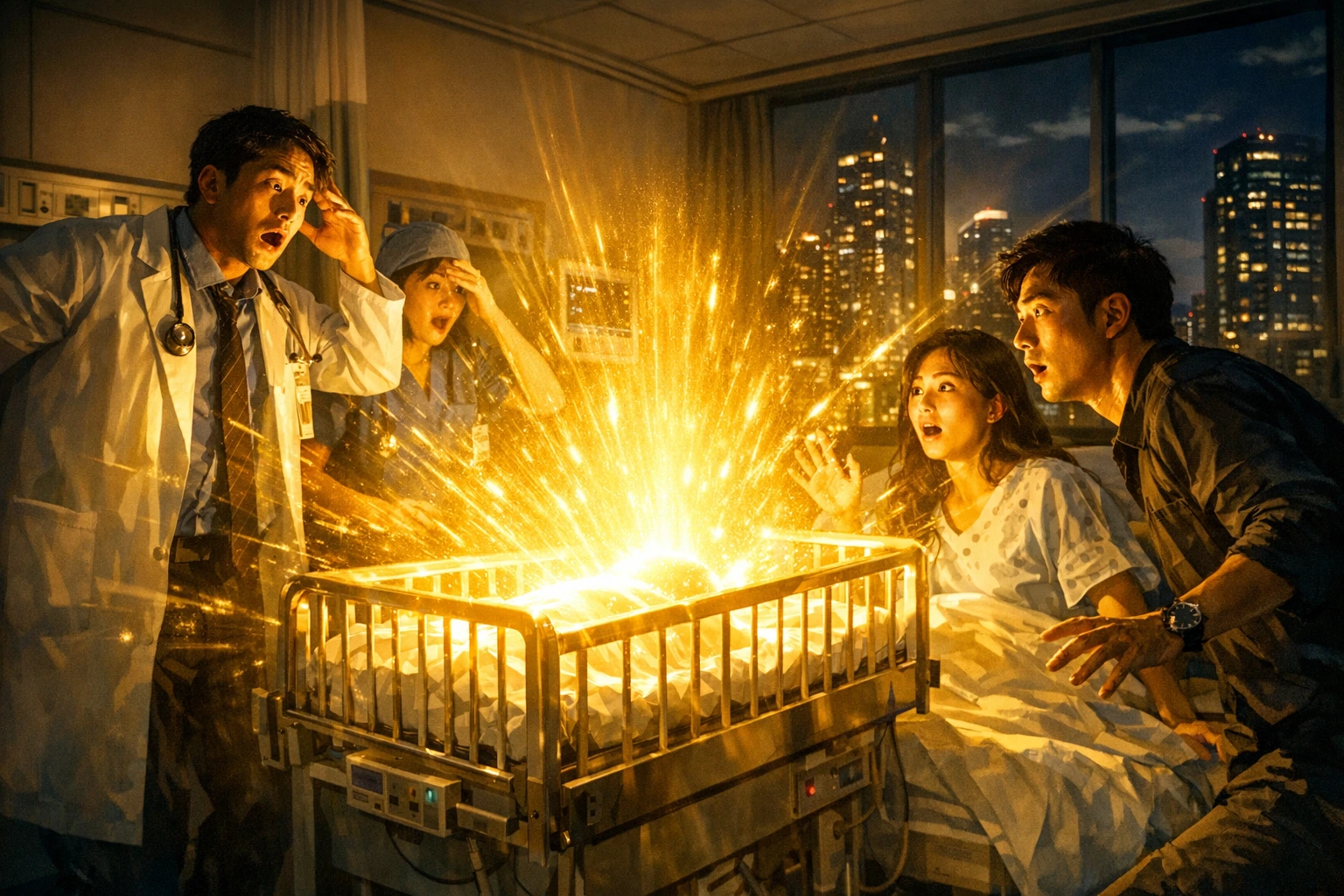
The Epicenter: Qingqing City, China
Every global cataclysm has a Ground Zero, a precise geographical coordinate where the world changed forever. For the Quirk phenomenon, that epicenter was Qingqing City, China. The selection of China as the birthplace of Quirks by series creator Kohei Horikoshi is a brilliant narrative choice rooted in real-world demographics and sociology.
As the most populous nation on Earth at the time, statistically, any spontaneous, random genetic mutation with a one-in-a-billion chance of occurring is most likely to surface there.
Qingqing City was thrust into the global spotlight overnight. What was likely a standard, modern, bustling metropolis suddenly became the focal point of human history. The hospital where the birth took place inevitably became a site of extreme scientific, military, and media scrutiny.
Imagine the scene: a sterile delivery room, exhausted parents, doctors going through the routine motions of childbirth, and then—an impossibly bright, bioluminescent light illuminating the entire ward. The immediate aftermath in Qingqing City would have been one of profound confusion and escalating hysteria.
The city would have been flooded with scientists, government officials, and military personnel, completely overwhelming the local infrastructure as they desperately tried to understand the impossible anomaly that had just occurred.
The First Anomaly: Bioluminescence Over Destruction
When analyzing the biological reality of the Luminous Baby, it is crucial to note what the first recorded Quirk actually was. It was a simple, relatively harmless emission-type ability: bioluminescence. The baby literally radiated pure light.
From a scientific standpoint, bioluminescence exists in nature—deep-sea anglerfish, fireflies, and certain types of fungi possess this trait. However, for a mammalian creature, specifically a human being, to spontaneously generate enough energy to emit blinding light without burning up from the internal heat is a complete violation of known thermodynamics and human biology.
The fact that the first Quirk was harmless was, ironically, the only reason humanity wasn’t instantly wiped out. If the first Quirk to manifest had been a devastating elemental power—like Dabi’s Blueflame or Shigaraki’s Decay—the hospital, the city, and perhaps the surrounding region would have been instantly vaporized, leading the world to believe they were under nuclear or terrorist attack.
Because the Quirk was benign, it allowed humanity a brief, fleeting moment to observe the phenomenon. The light was a warning beacon. It was a soft introduction to an evolutionary leap that would soon become violent and uncontrollable. It proved that the human genome had unlocked a method of harnessing and emitting energy that completely defied the laws of physics.
Global Panic: The Disruption of Human Biology
The immediate, real-world reaction to the Luminous Baby was not wonder; it was sheer, unadulterated global panic. In an era driven by hard science, modern medicine, and empirical data, the existence of a glowing baby shattered the foundational paradigms of biology.
The global scientific community was thrown into chaos. How was the child generating the light? What was the energy source? Was it radioactive? Was it contagious?
Governments worldwide immediately went on high alert. The World Health Organization, the United Nations, and global intelligence agencies would have scrambled to contain the narrative, but in an age of digital information and social media, the leak would be instantaneous.
The panic stemmed from a profound loss of control. If human biology was no longer a fixed, predictable constant, then the entire structure of human society—healthcare, security, law enforcement, and philosophy—was completely obsolete.
The Luminous Baby proved that the human body could spontaneously mutate into something unrecognizable, and the governments of the world suddenly realized they were completely powerless to stop it.
The Genetic Genesis (Patient Zero)
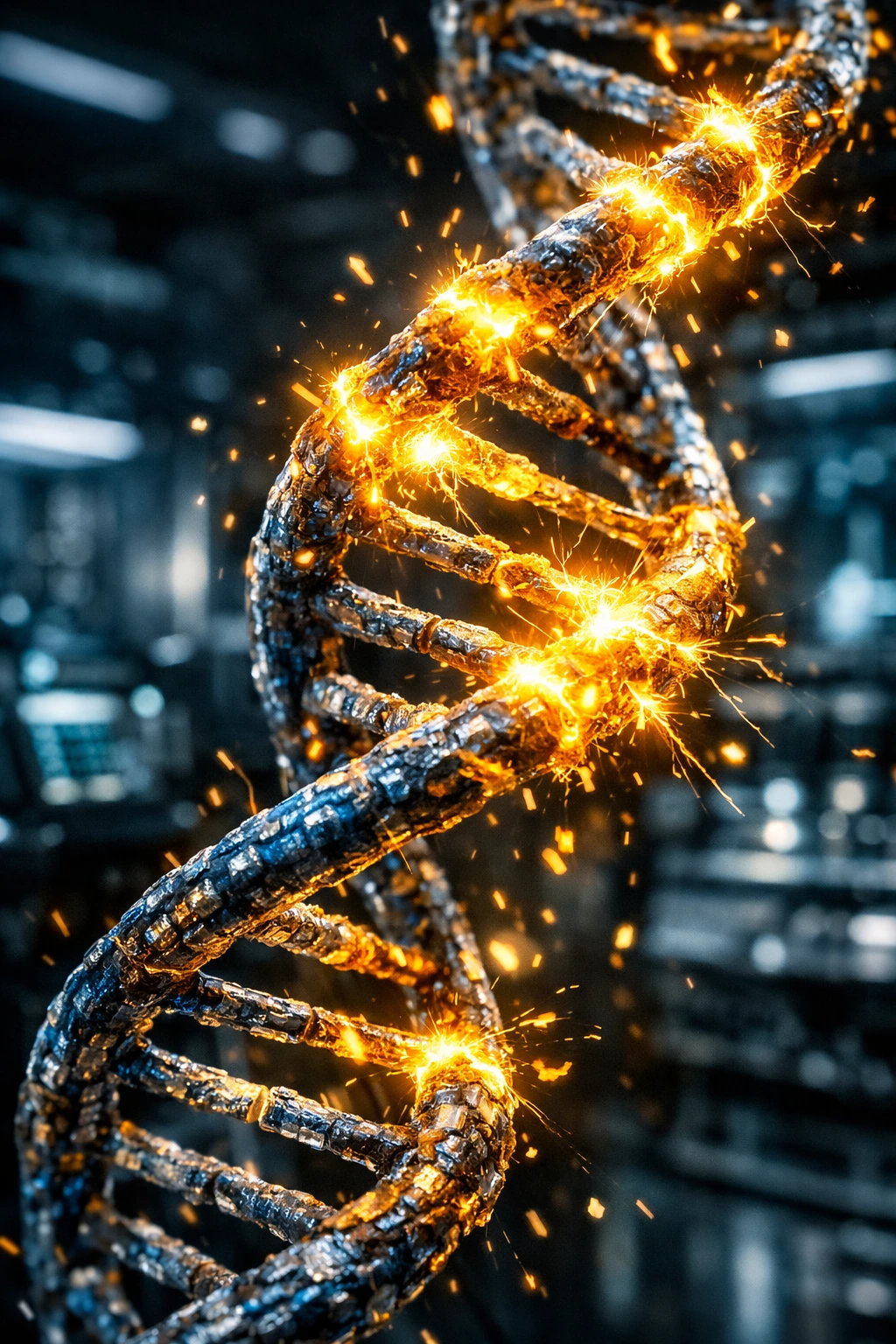
The Evolutionary Leap: Sudden Mutation vs. Gradual Evolution
The Luminous Baby is recognized universally as “Patient Zero” of the Quirk phenomenon, but the science behind this sudden mutation is one of the most debated topics in the My Hero Academia universe.
Evolution, according to Darwinian principles, is a slow, gradual process taking millions of years of natural selection to produce noticeable changes in a species. The Quirk phenomenon, however, was an abrupt, violent evolutionary leap that happened overnight.
Was this a dormant gene that had been lying in wait in our DNA since the dawn of mankind, suddenly activated by an unknown environmental trigger? Was it a viral evolution, a symbiotic pathogen that rewrote the human genome upon infection?
Or was it an extreme, sudden environmental adaptation—the human body’s desperate, accelerated response to a rapidly changing modern world? The narrative heavily leans toward a spontaneous genetic mutation, a sudden branching of the evolutionary tree.
This implies that the blueprint for Quirks existed within the latent, “junk” DNA of humanity, and the Luminous Baby was simply the first biological system to successfully boot up this hidden code.
The Viral Spread: Simultaneous Global Manifestation
The true horror of the Quirk phenomenon was that it did not stop in Qingqing City. If the Luminous Baby had been an isolated incident, the child would have been studied, likely isolated in a government facility, and life would have moved on.
However, the exact opposite happened. The genetic anomaly acted almost like a morphic resonance event. Following the birth of the Luminous Baby, the phenomenon spread across the globe with terrifying speed.
It is vital to understand that the spread was not contagious in the traditional sense; you couldn’t “catch” a Quirk by standing next to someone who had one. Instead, it was a simultaneous, random manifestation of “paranormal” abilities in teenagers, children, and newborns across the entire globe.
A teenager in New York suddenly discovered they could manipulate gravity; a child in London sprouted wings; a toddler in Tokyo began breathing fire. This simultaneity proved that whatever triggered the Luminous Baby had triggered the entire human race.
The human genome had collectively crossed an invisible threshold, and powers were manifesting indiscriminately, regardless of race, geography, or socioeconomic status.
The Mice Analogy: The Absence of the Pinky Toe Joint
To explain this sudden, uncontrollable genetic branching, the series introduces a brilliant biological marker: the pinky toe joint. In the world of My Hero Academia, the defining physical difference between a normal human and a Quirk user (aside from the power itself) is the absence of the extra joint in the pinky toe.
This concept, often referred to through the lens of evolutionary biology, serves as a grounded, scientific explanation for the paranormal.
The theory posits that the human body needed to streamline itself to accommodate the immense biological strain of housing a Quirk. The human brain needed massive upgrades in processing power to control localized pyrokinesis, telekinesis, or cellular regeneration.
To allocate resources and energy to these new functions, the body discarded unnecessary evolutionary baggage—starting with the vestigial joint of the pinky toe, a remnant of our primate ancestors who used their feet to grip branches. The missing joint became the ultimate evolutionary marker. It was the physical proof that a person had crossed the threshold into the next stage of human evolution.
The mice analogy perfectly encapsulates this: those with the joint were the old breed, the standard mice; those without it were the rapidly evolving, uncontrollable new species taking over the planet.
The Lost Century: The Collapse of Civilization
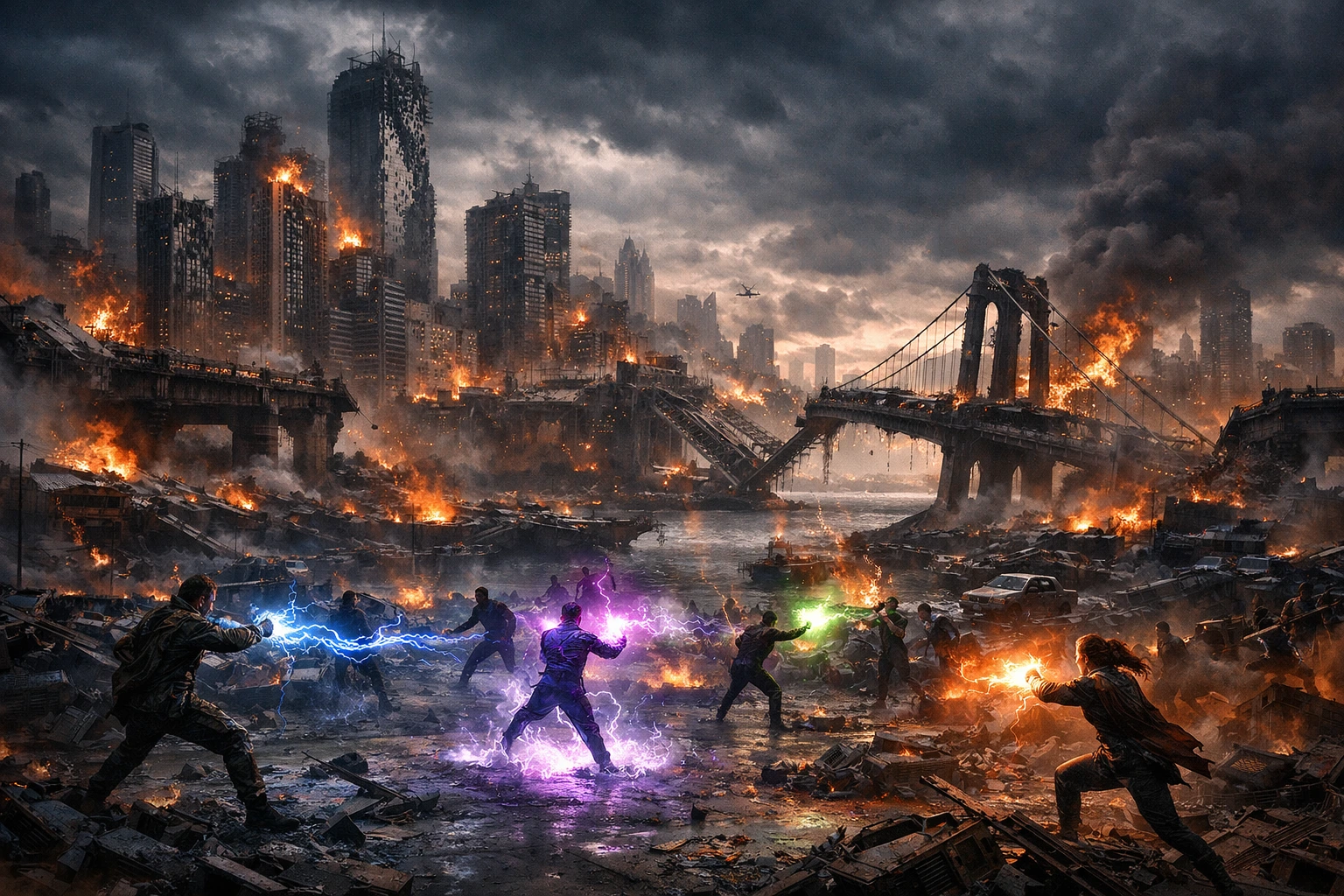
The Stagnation of Progress: The Death of Technological Advancement
One of the most fascinating and often overlooked aspects of My Hero Academia‘s world-building is the technological timeline. Given that the series takes place generations after the current era, humanity should theoretically be colonizing Mars, utilizing deep-space travel, and wielding hyper-advanced AI.
Instead, the technology in MHA is largely identical to our modern day, perhaps only slightly more advanced in robotics and support items. The historical truth behind this is terrifying: the emergence of the Luminous Baby completely halted human technological advancement. This era is known as the “Lost Century.”
When the fundamental laws of physics are broken by a glowing baby, and subsequently by millions of people developing reality-bending powers, traditional science is rendered moot. Why spend trillions of dollars researching aerospace engineering when a teenager can spontaneously manipulate gravity to achieve flight? Why develop advanced weaponry when a child can emit blasts of energy that rival tactical missiles?
The sudden availability of supernatural shortcuts caused a massive stagnation in scientific research. Furthermore, the global infrastructure was completely destroyed, meaning the supply chains required for technological advancement—mining, manufacturing, global shipping—were entirely severed. Humanity stopped looking toward the stars because they were too busy trying to survive the monsters on their own streets.
The Breakdown of Law: Civilians with Military Firepower
The immediate consequence of the global Quirk manifestation was the total collapse of societal infrastructure and law enforcement. The social contract that holds modern civilization together relies on a monopoly of force held by the state (police and military). The Luminous Baby and the subsequent generation shattered this monopoly instantly.
Imagine a scenario where 10% to 20% of the civilian population suddenly possesses the firepower of military-grade weapons, localized mind control, or impenetrable skin. The police force, armed with standard firearms and riot gear, became utterly useless overnight.
How does a beat cop arrest a bank robber who can turn their body into liquid metal? How does the military contain a riot where the protestors can generate earthquakes? The answer is: they couldn’t. The sudden, unearned distribution of absolute power to random civilians led to immediate, catastrophic anarchy. Governments collapsed as they failed to protect their citizens. Borders became meaningless.
The global economy crashed as major cities were destroyed by individuals who couldn’t control their newly manifested powers, or by those who chose to use them maliciously.
The Rise of Warlords: The Anarchy That Birthed All For One
Nature abhors a vacuum, and power vacuums are always filled by the most ruthless individuals available. With governments in ruins and law enforcement obsolete, the chaos of the Lost Century paved the way for the rise of meta-human warlords. The most terrifying and successful of these was the man known as All For One.
While the Luminous Baby was the biological catalyst, All For One was the sociopolitical opportunist who thrived in the ashes. He stepped out of the shadows and used the absolute anarchy of the era to build an empire based on genetic superiority.
In a world tearing itself apart over unmanageable powers, All For One offered a twisted form of salvation. Because his Quirk allowed him to take and give powers, he could remove dangerous, burdensome Quirks from those who didn’t want them, and bestow tremendous power upon those loyal to him. He became a mafia don, a religious figure, and a warlord all rolled into one.
He built a shadow government by creating a currency out of Quirks themselves. Without the collapse initiated by the Luminous Baby, All For One would have remained a normal man; instead, the chaos allowed him to become an immortal god-king of the underworld.
The First Generation: Persecution and Horror
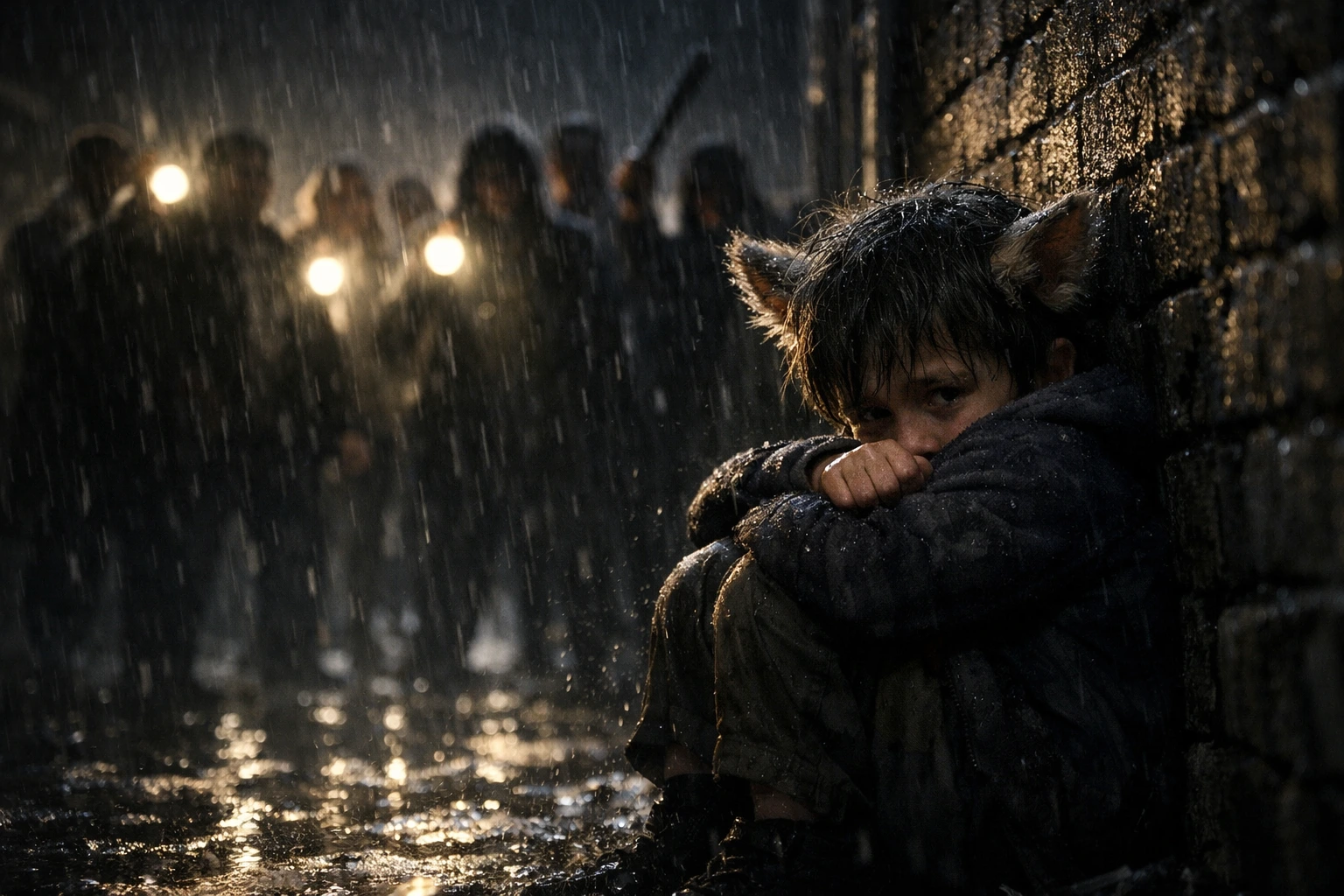
The Witch-Hunt Era: The Psychological and Physical Horrors
The period immediately following the Luminous Baby’s birth was not an era of superheroes; it was an era of profound psychological terror and brutal witch-hunts. The parents of the first mutated children faced horrors that are largely glossed over in modern hero society. Imagine giving birth to a child that breathes fire, or a child whose skin is made of scales. In a world that had not yet normalized these traits, the parents were deeply traumatized.
Societal reaction was swift, ignorant, and violent. Just as humanity had reacted to the unknown during the Salem Witch Trials or the Inquisition, the immediate response to Quirks was persecution. These powers were immediately branded as a “Paranormal Disease,” a contagion, or a demonic curse. Neighbors turned on neighbors. Families abandoned their mutated children.
Mobs formed to hunt down and eradicate those displaying supernatural abilities, driven by the primal human fear of the “other.” The psychological toll on the first generation was unimaginable; they were children who were hated and feared by their own creators simply for existing.
Mutant Discrimination: The Origin of Heteromorph Racism
While emitter and transformation-type Quirks were feared, those with Heteromorphic (mutant-type) Quirks faced an entirely different level of hell. Emitters could hide their powers, passing as normal humans until they chose to use them. Heteromorphs, whose bodies were physically, permanently altered—sporting animal heads, extra limbs, or monstrous features—could not hide.
This era birthed the deep-seated racism and systemic discrimination against heteromorphs that still plagues the My Hero Academia world centuries later (as seen with characters like Spinner and the remnants of the Creature Rejection Clan). In the early days, those whose bodies physically changed were actively hunted down by purist human supremacist factions.
They were denied basic human rights, barred from public spaces, and often lynched in the streets. The purists viewed heteromorphs as a corruption of the human image, a grotesque mistake of nature that needed to be cleansed. The Luminous Baby may have been human-passing, but the genetic doorway it opened allowed for the complete rewriting of human anatomy, resulting in centuries of bloodshed based purely on physical appearance.
The Unsung Tragedies: Weaponization and Experimentation
Beyond civilian persecution, the greatest unsung tragedies of the first generation occurred at the hands of terrified governments trying to maintain the status quo. Before the governments completely collapsed, they desperately tried to control the phenomenon. Early power users were often abducted, classified as property of the state, and subjected to horrific experimentation.
Intelligence agencies and military factions viewed these individuals not as humans, but as living weapons. Children with destructive capabilities were molded into black-ops assets, forced to assassinate political rivals or fight in proxy wars.
Those with unique physical traits were vivisected and studied in underground laboratories as scientists desperately searched for a “cure” to the paranormal disease. Many of the first generation were simply executed in secret to prevent panic.
The modern hero system, with its licenses and regulations, is built upon the buried corpses of thousands of unnamed Quirk users who were tortured and weaponized by the very institutions meant to protect them.
The Ideological War: Disease vs. Meta Ability
The Shift in Terminology: The Cultural War Over Language
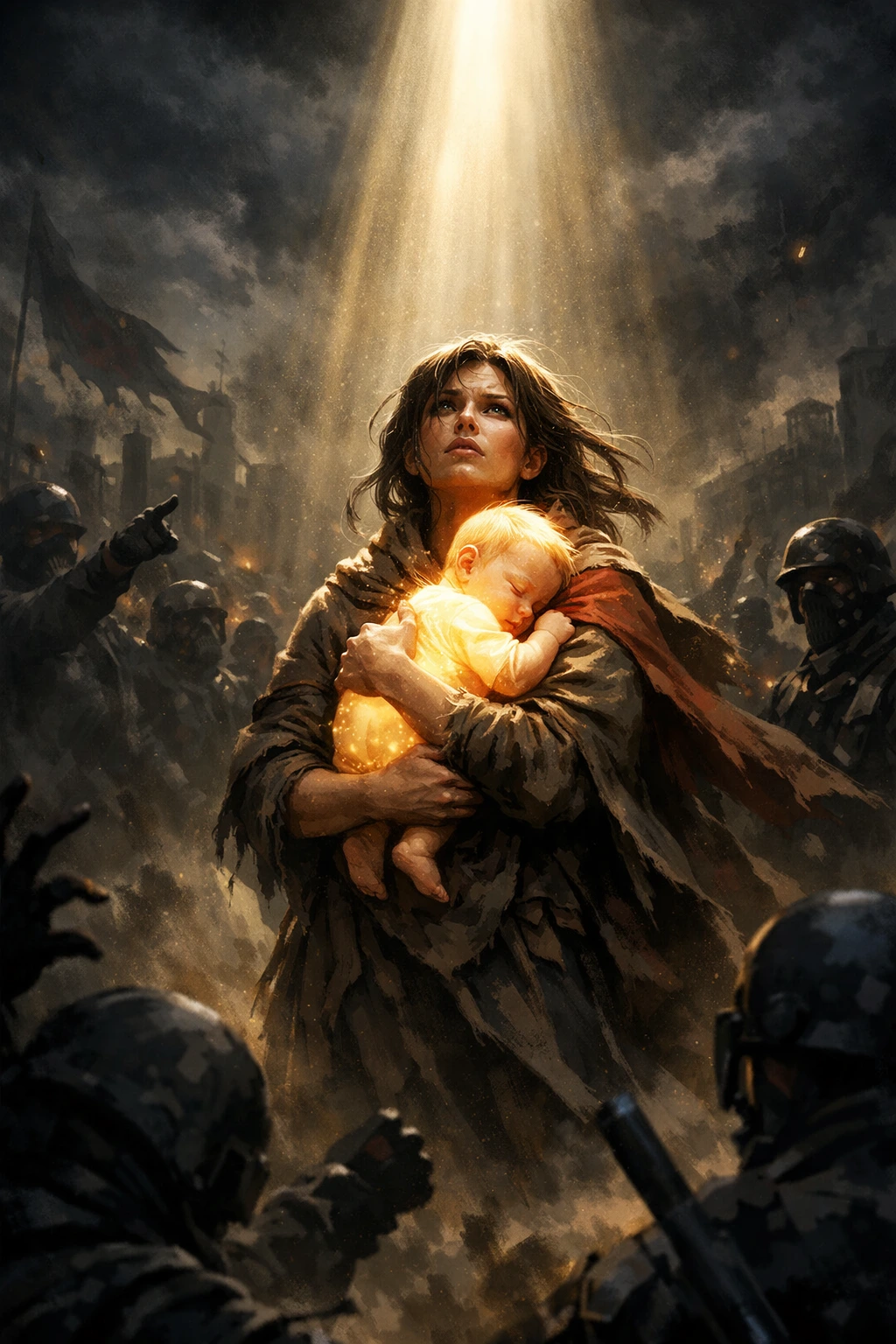
Words possess immense power, and the way society labels a phenomenon dictates how the populace reacts to it. The societal integration of superpowers was not just a physical battle; it was a desperate, multi-generational ideological war over terminology. In the immediate aftermath of the Luminous Baby, the global consensus labeled the phenomenon a “Paranormal Disease.”
Calling it a “disease” inherently framed the situation as a medical crisis—an infection that needed to be quarantined, cured, and eradicated. It stripped the individuals of their humanity, reducing them to infected patients.
This terminology fueled the witch-hunts and government experimentations. The shift in how these powers were classified was the single most important cultural battle in human history. To change the word was to change the reality of the people possessing the powers.
The transition from “Paranormal Disease” to “Meta Ability,” and finally to “Quirk,” maps the exact trajectory of humanity’s psychological acceptance of their new evolutionary state.
Destro and the Mother of Liberation: The Tragic Martyr
The fight to change the narrative was spearheaded by one of the most tragic, pivotal, and unsung figures in MHA lore: the Mother of Liberation. She was the mother of Chikara Yotsubashi (the man who would become the infamous villain Destro). When her child was born with supernatural powers, she refused to let him be branded as diseased or monstrous.
She became a fierce activist and was the first to publicly coin the term “Meta Ability.” The prefix “Meta” means “beyond” or “transcending.” By calling it a Meta Ability, she completely reframed the narrative. She argued that her son was not diseased; he was transcending the normal human baseline. It was a term of empowerment, demanding equal rights and acknowledgment of the next stage of human evolution.
Tragically, society was not ready for this empowerment. She was assassinated for her activism, murdered by those terrified of the very powers she sought to legitimize. Her death, however, sparked a movement. Her son, Destro, would take her teachings to the extreme, founding the original Meta Liberation Army and writing the “Meta Liberation War” manifesto, arguing that the unrestricted use of Meta Abilities was a fundamental human right.
The Birth of the Quirk: Pacifying the Masses
While “Meta Ability” was empowering for the users, it was terrifying for the normal, unpowered population. “Meta” implied superiority, creating a harsh “us vs. them” dynamic that threatened to tear society apart permanently. To achieve true integration, society needed a term that was non-threatening, a term that reduced the supernatural to the mundane. Eventually, society settled on the term “Quirk” (translated from the Japanese word Kosei, meaning “individuality” or “unique trait”).
The adoption of the word “Quirk” was essentially a massive, highly successful global psychological operation (psy-op). By calling a power that could level a city block a “Quirk,” society was actively pacifying the masses. It equated shooting fire from your hands to being double-jointed, having freckles, or being left-handed.
It was just a unique part of your individuality. This linguistic shift was the final key to ending the Lost Century. By normalizing the abnormal through language, society could finally rebuild. Laws were drafted around “Quirks,” hero systems were established, and the horrifying reality of genetic mutation was safely packaged into a colorful, manageable societal norm.
Generational Scaling: The Butterfly Effect
From Light to Gods: Exponential Genetic Compounding
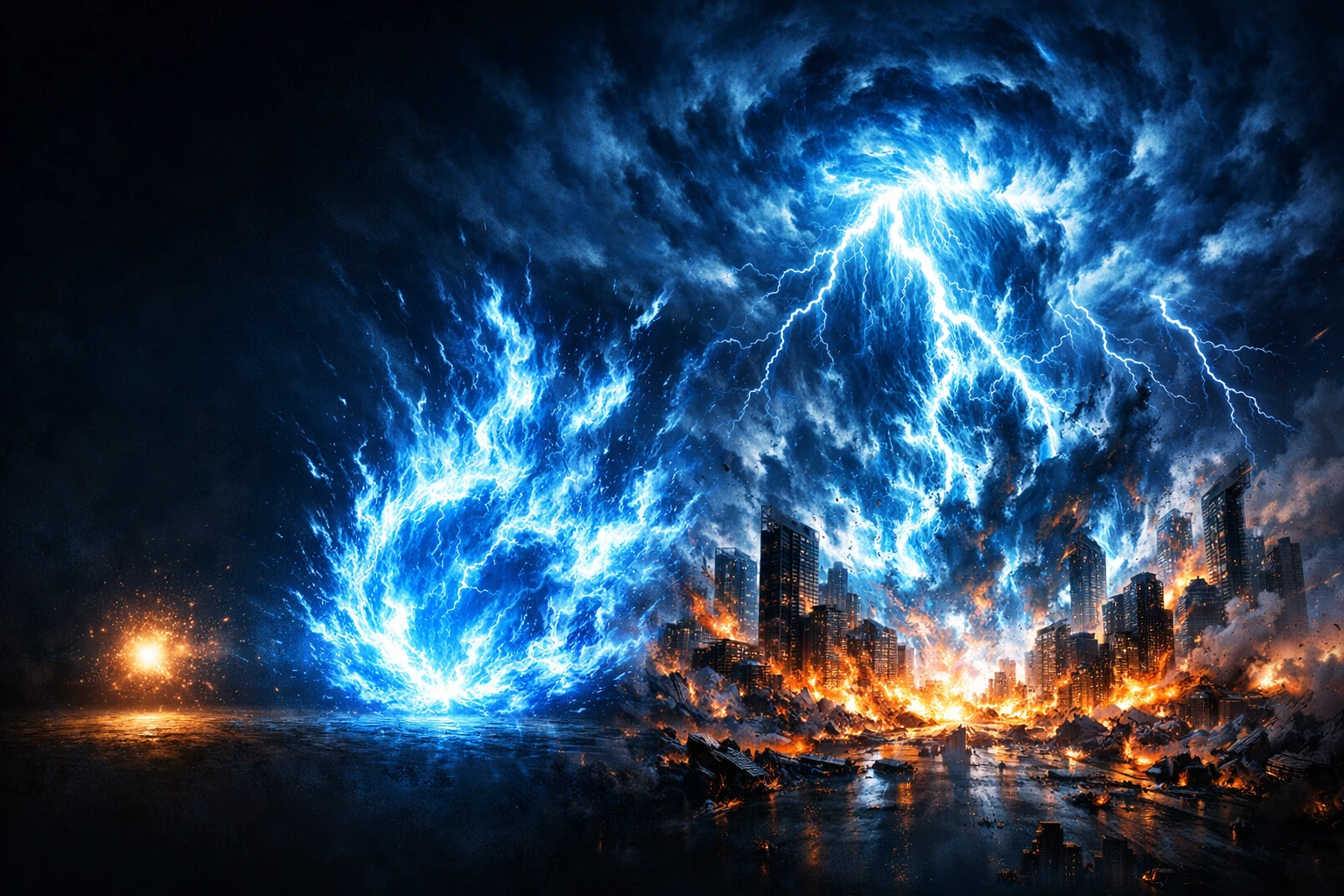
The Luminous Baby was the initial spark, but the true terror of the Quirk phenomenon lies in its generational scaling. Genetics are not static; they compound, mix, and evolve with every successive generation. If the first generation was the spark, the current generation is a raging inferno.
When a person with a fire Quirk has a child with a person with an ice Quirk, the child does not just inherit one or the other; they often inherit a blended, exponentially more powerful version of both (as seen in Shoto Todoroki). As generations progressed from the Luminous Baby, the genetic code became increasingly complex and volatile.
Generation One possessed basic, single-function abilities—glowing, slightly enhanced strength, or minor telekinesis. By Generation Three and Four, individuals were manipulating the weather, altering localized gravity, and controlling minds. By the current Generation Five and Six, we see characters who are essentially walking demigods, capable of decaying entire cities in seconds or altering the fabric of reality itself.
The biological hardware of humanity has been compounding its software at a terrifying, exponential rate.
The Gap in Power: The Luminous Baby vs. The Modern Era
To truly understand the massive butterfly effect, one must contrast the Luminous Baby with the apex predators of the current era. Patient Zero possessed a Quirk that, by modern standards, wouldn’t even qualify them for the lowest tier of a hero academy. A baby that glows in the dark is harmless; it is a novelty.
Yet, trace that genetic line down a few centuries, and you arrive at individuals like Tomura Shigaraki or Dabi. Dabi’s flames burn so hot they incinerate his own nervous system, capable of turning miles of terrain to ash. Shigaraki’s Decay can crumble skyscrapers into dust with a mere touch of the ground, spreading like a geometric plague.
The gap in power between the Luminous Baby and the current generation is the difference between a matchstick and a thermonuclear warhead. This exponential growth proves that the Quirk phenomenon was not a one-time upgrade; it is an ongoing, accelerating runaway train of genetic mutation that is rapidly outpacing humanity’s ability to control it.
The Final Evolutionary Step: The Quirk Singularity Doomsday Theory
This exponential compounding brings us to the ultimate, terrifying consequence of the Luminous Baby’s birth: The Quirk Singularity Doomsday Theory. First proposed by the disgraced genius Dr. Kyudai Garaki (All For One’s primary scientist), the theory posits a grim end to the human race.
Garaki realized that while Quirks (the software) were blending and growing exponentially stronger with every generation, the human body (the hardware) was not evolving fast enough to contain them. Eventually, humanity will reach a “Singularity”—a point where the powers inherited by children will be so overwhelmingly immense and complex that their physical bodies and minds will simply be incapable of controlling them.
We see the early stages of this with characters like Eri, whose Rewind Quirk is so powerful she couldn’t control it, accidentally erasing her own father from existence. The Luminous Baby did not just change the world; it set a ticking time bomb within the human genome. The glowing infant set the human race on an unavoidable, biologically mandated collision course with total self-destruction.
Conclusion
The Ultimate Catalyst: The Spark That Burned Down the World
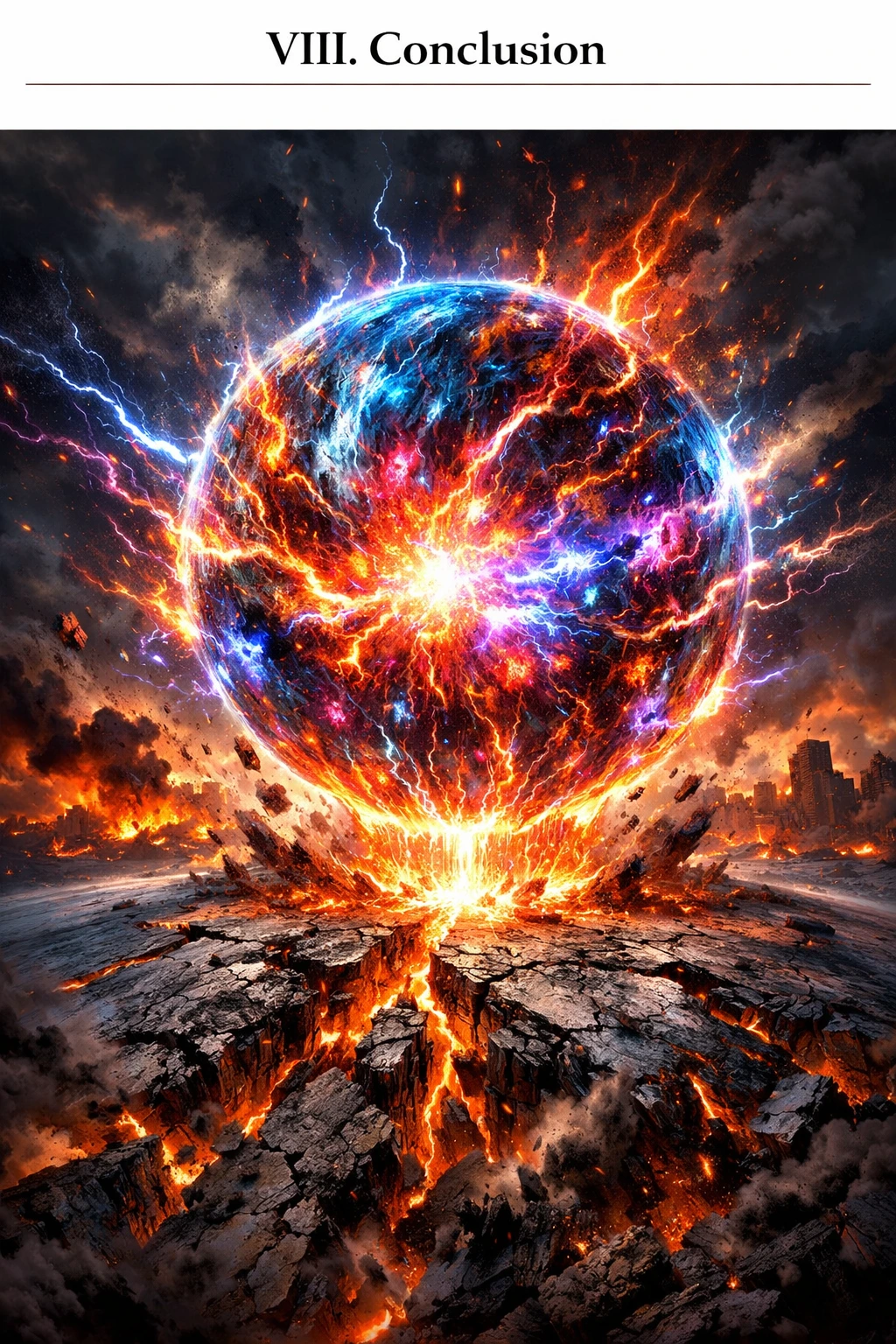
The Luminous Baby of Qingqing City is the most important historical figure in the My Hero Academia universe, yet the reality of its existence is buried beneath layers of societal denial and fairy tales. This infant was the ultimate biological catalyst, the single genetic spark that burned down the old world.
It ended the era of normal human technological progression, ushered in a century of lawlessness, persecution, and apocalyptic societal collapse, and forced humanity to completely rebuild civilization around the concept of weaponized individuality.
Every single event in the series—the rise of All For One, the creation of One For All, the systemic racism against heteromorphs, the establishment of the Hero Public Safety Commission, and the terrifying reality of the Quirk Singularity—can be traced back to the exact moment that child began to glow. It is the definitive butterfly effect: a flap of a glowing newborn’s hand that caused a centuries-long hurricane of superhuman warfare.
Closing Thoughts: The Genius of Grounded World-Building
As an expert analysis of the lore, one must step back and applaud the sheer brilliance of Kohei Horikoshi’s world-building. In an industry saturated with supernatural origins, Horikoshi chose to ground the emergence of superpowers not in alien magic or cosmic radiation, but in realistic, chaotic human sociology.
By introducing the Luminous Baby, he created a universe that asks the hard questions: What actually happens to the economy when teenagers can shoot lasers? How does society handle the bigotry of physical mutations? How do governments survive when they lose the monopoly on violence?
The lore of My Hero Academia succeeds because it treats superpowers as a massive, traumatic anthropological shift rather than a simple blessing. The story of the Luminous Baby is a masterclass in narrative foundation—a reminder that in this universe, the extraordinary was born in darkness, panic, and chaos, and that the light radiating from that first child was the blinding dawn of humanity’s most beautiful and terrifying era.