
Introduction
Society’s Rejects: Defining the League of Villains
To understand the League of Villains is to understand the darkest, most carefully hidden corners of superhuman society. In the universe of My Hero Academia, the advent of Quirks birthed a rigid, heavily regulated social hierarchy.
At the top sit the Pro-Heroes, bathed in the blinding light of public adoration and corporate sponsorships. But beneath this glittering veneer lies a chilling reality: a system that actively discards those who do not fit its pristine, marketable mold.
The League of Villains is not merely a criminal syndicate; it is the inevitable, living consequence of a society that sweeps its traumatized, incompatible, and “ugly” citizens under the rug.
For decades, the Symbol of Peace, All Might, cast a massive shadow over Japan. While his presence drastically reduced crime rates, it also created a deadly societal complacency—the “bystander effect” on a macro scale.
Citizens stopped helping each other, assuming a government-sanctioned hero would always swoop in to save the day. The League of Villains was born in this insidious blind spot. They are the bruised, bleeding, and broken remnants of systemic failure.
They are the children whose hands were never held, the outcasts whose Quirks were deemed too dangerous or gross for polite society, and the victims of the very heroes the public worships. They are the accumulation of societal debt, finally coming to collect.
The Evolution of Chaos
The trajectory of the League of Villains is arguably one of the most fascinating and terrifying organizational evolutions in modern anime history. They did not begin as criminal masterminds.
At the Unforeseen Simulation Joint (USJ) incident, they were little more than a disorganized, chaotic band of street thugs—angry, directionless punks gathered by an overgrown, petulant child throwing a tantrum at the world. They possessed raw power, namely the bio-engineered Nomu, but lacked coordination, ideology, and discipline.
However, from those pathetic beginnings, they evolved with terrifying speed. With every defeat, they learned. With every clash against U.A. High School and the Pro-Heroes, they adapted.
From the shadows of the Kamino Ward incident to their impoverished survival in the underworld, and finally to their absolute triumph in Deika City, their rise was meteoric.
They transformed from a nuisance that the police could barely take seriously into the undisputed supreme rulers of the Japanese underworld, commanding armies, infinite resources, and god-like power. Their evolution is a masterclass in failing upward, driven by an unyielding, spiteful will to survive.
Article Scope
This document serves as the definitive, expert-level breakdown of the League of Villains. We will go far beyond surface-level plot summaries to perform a deep psychological deconstruction of their foundation.
We will explore the internal dynamics that bind these broken individuals into a twisted family, their brilliant survival tactics in an underworld designed to crush them, and their ultimate apotheosis into the Paranormal Liberation Front.
This is not just a story of villains; it is a sociological study of what happens when a society abandons its most vulnerable, forcing them to find salvation in absolute destruction.
The Stain Catalyst: Weaponizing Ideology
The Power of a Martyr
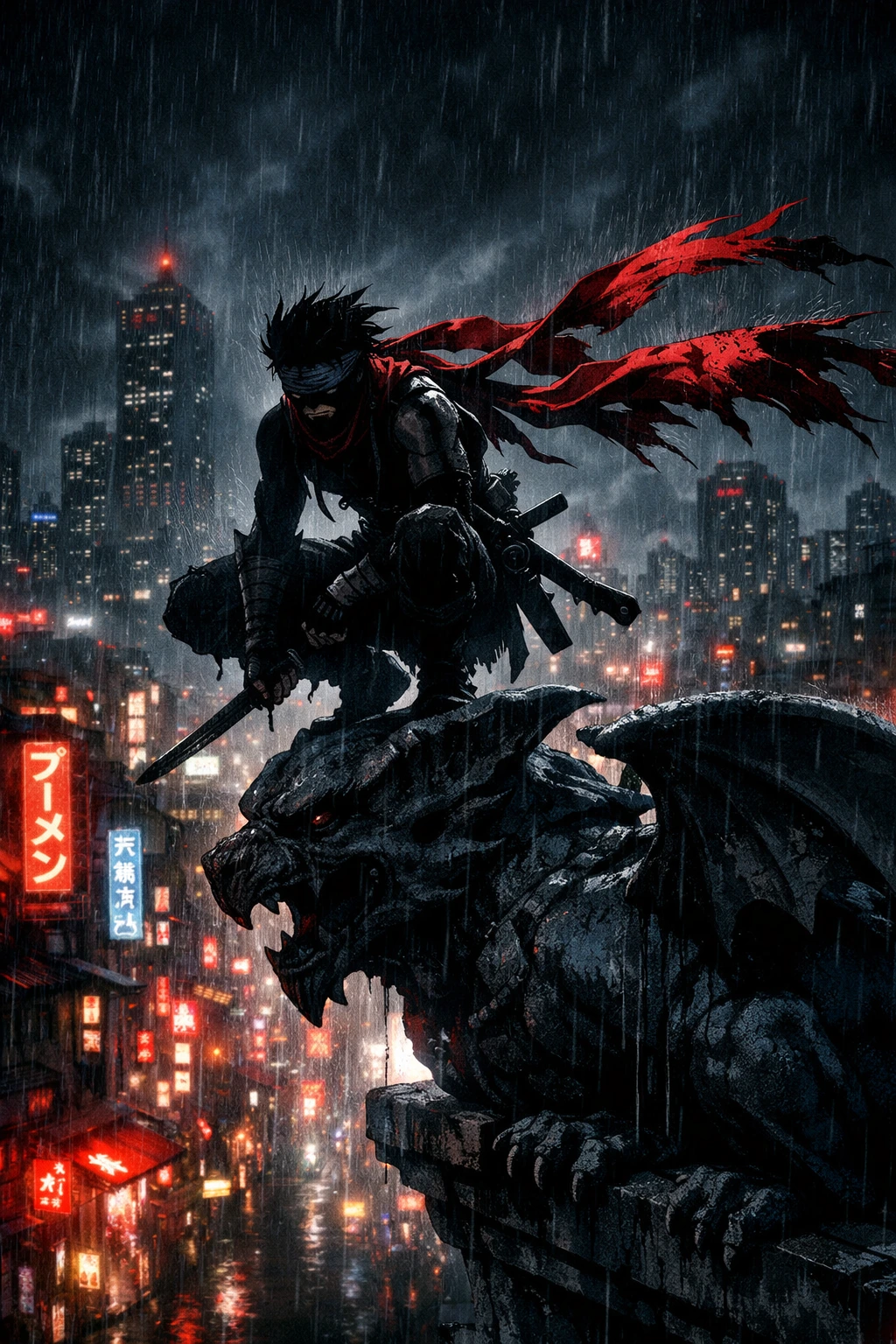
In their earliest iteration, the League of Villains had a severe structural weakness: they stood for absolutely nothing. Tomura Shigaraki’s initial motivation was simply to destroy what he hated, a childish nihilism that failed to attract high-level, competent criminals. Enter Chizome Akaguro, the Hero Killer: Stain.
Stain was everything the League was not. He was disciplined, terrifyingly skilled, and driven by an ironclad, albeit radical, ideology. Stain believed that modern hero society was entirely corrupt, saturated with “fake heroes” who cared only for fame and money rather than true altruism.
Stain’s arrest in Hosu City became the greatest ironical gift the League could have ever received. Stain became a martyr. His blood-curdling final stand, where his sheer willpower paralyzed even Pro-Heroes, was broadcast to the world.
It resonated deeply with those who felt marginalized and disillusioned by the commercialization of heroism. Stain provided a philosophy that validated the anger of the underworld. He gave the disenfranchised a reason to fight that was greater than petty theft or mindless violence. He provided the League with the one thing they lacked: a unifying, magnetic ideology.
The False Flag
The true genius of the Stain incident, however, lay in the aftermath. All For One, the ancient mastermind behind the scenes, and his protégé Tomura Shigaraki, executed a flawless “false flag” media manipulation. Because the League had unleashed their Nomu in Hosu City at the exact same time Stain was operating there, the media naturally drew a connection. Shigaraki, swallowing his personal hatred for the Hero Killer, allowed the narrative to spin.
They did not issue corrections. They allowed the criminal underworld to believe that Stain was a core member of the League of Villains, or at least intimately affiliated with their cause. This narrative hijacked Stain’s momentum.
The powerful, ideology-driven fanatics who were radicalized by Stain’s manifesto began flocking to the League, seeking an organization that could execute the Hero Killer’s vision on a grand scale. Shigaraki weaponized an ideology he actively despised, proving his burgeoning cunning as an underworld leader.
The Vanguard Action Squad
The immediate result of this PR masterstroke was the formation of the Vanguard Action Squad. This influx of elite, psychotic, and highly motivated talent instantly upgraded the League from a disorganized street gang to a national terror threat. Characters like Dabi, Himiko Toga, Muscular, and Mustard brought lethal proficiency, unique skill sets, and a terrifying unpredictability to the organization.
This was showcased in all its horrific glory during the Forest Training Camp arc. Unlike the USJ attack, which was a blunt, brute-force assault, the Vanguard Action Squad executed a precise, multi-pronged guerrilla warfare operation.
They isolated their targets, utilized psychological terror (like Mustard’s sleep gas and Dabi’s blue flames), and successfully kidnapped Katsuki Bakugo. They proved they could strike the heroes at their most secure, fundamentally shattering the illusion of safety that U.A. High School provided and signaling to the world that a new era of organized villainy had officially begun.
The Core Roster: A Symphony of Trauma
To truly understand the League of Villains, one must delve deeply into the psychological profiles of its core members. They are not bound by contracts or greed, but by a shared, profound trauma. The League became the only environment in the world where these fractured individuals were accepted without judgment.
Tomura Shigaraki: The King Born from Systemic Failure
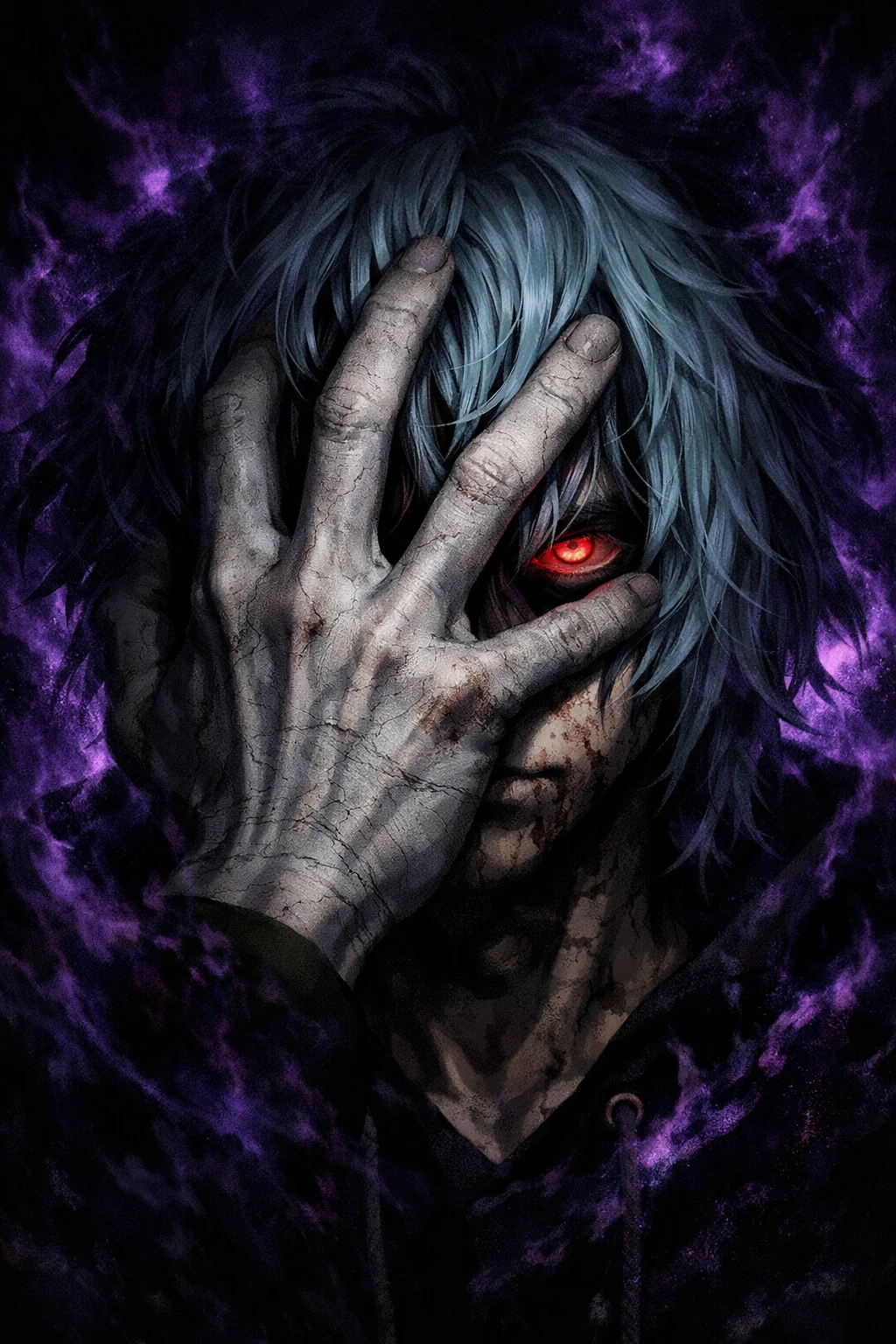
Born Tenko Shimura, Tomura Shigaraki is the physical embodiment of the hero system’s absolute failure. His tragedy is rooted in the “bystander effect.” When his Quirk, Decay, manifested in a horrific accident that wiped out his entire family, he wandered the streets as a bloodied, traumatized orphan.
Despite thousands of people passing him by, no one stopped to help. Everyone assumed that a Pro-Hero would handle it. This collective apathy left him vulnerable to the grooming of All For One.
Shigaraki was meticulously molded into a vessel of pure hatred. All For One nurtured his trauma, encouraging him to wear the disembodied hands of his dead family members to keep the psychological wounds perpetually fresh.
Shigaraki’s initial immaturity—his scratching, his video game metaphors, his tantrums—were symptoms of a child whose emotional development was violently arrested at the moment of his greatest trauma. He was raised not just to kill, but to be the antithesis of All Might; a king born from the shadows to tear down a society that looked the other way when he was a crying child.
Himiko Toga: The Tragedy of Quirk Counseling
Himiko Toga represents the horrific consequences of societal suppression and the flaws of Quirk Counseling. In the world of My Hero Academia, a person’s Quirk is intrinsically linked to their biology and personality. Toga’s Quirk, Transform, requires her to ingest the blood of others. Biologically, this gave her a natural, instinctual fascination with blood from a young age.
However, society deemed this fascination “abnormal” and “creepy.” Through Quirk Counseling, Toga was forced to suppress her innate nature, forced to wear the “mask” of a normal, cheerful schoolgirl. This immense psychological repression eventually caused a violent snap.
Because she was taught that her natural desires were wrong, her perception of affection became fundamentally warped. To Toga, drinking someone’s blood and becoming them is the ultimate expression of love and intimacy. The League of Villains is the only place where she is allowed to love in her own, twisted, bloody way without wearing a mask. She is a tragic figure, a victim of a society that demands conformity at the cost of individual sanity.
Jin Bubaigawara (Twice): The Fragmentation of the Self
Jin Bubaigawara’s descent into villainy is a heartbreaking tale of isolation, poverty, and severe mental fragmentation. Unlike others who were inherently violent, Jin was simply a lonely man who used his Quirk, Double, to create clones of himself so he would have someone to talk to, someone to work with, and someone to rely on.
The tragedy occurred when his clones, each possessing their own distinct sense of self and the belief that they were the original Jin, rebelled and massacred each other in a gruesome, days-long bloodbath. Jin survived, but his mind was permanently shattered.
He developed severe Dissociative Identity Disorder, constantly contradicting himself, terrified to use his Quirk on himself for fear of discovering he was just a clone who could melt away at any second. The League, particularly characters like Toga, embraced Jin not despite his madness, but with full acceptance of it.
To Jin, the League wasn’t a criminal enterprise; it was the only sanctuary in a world that terrified him, making him one of the most fiercely loyal and fiercely dangerous members of the roster.
Touya Todoroki (Dabi): The Embodiment of Pro-Hero Corruption
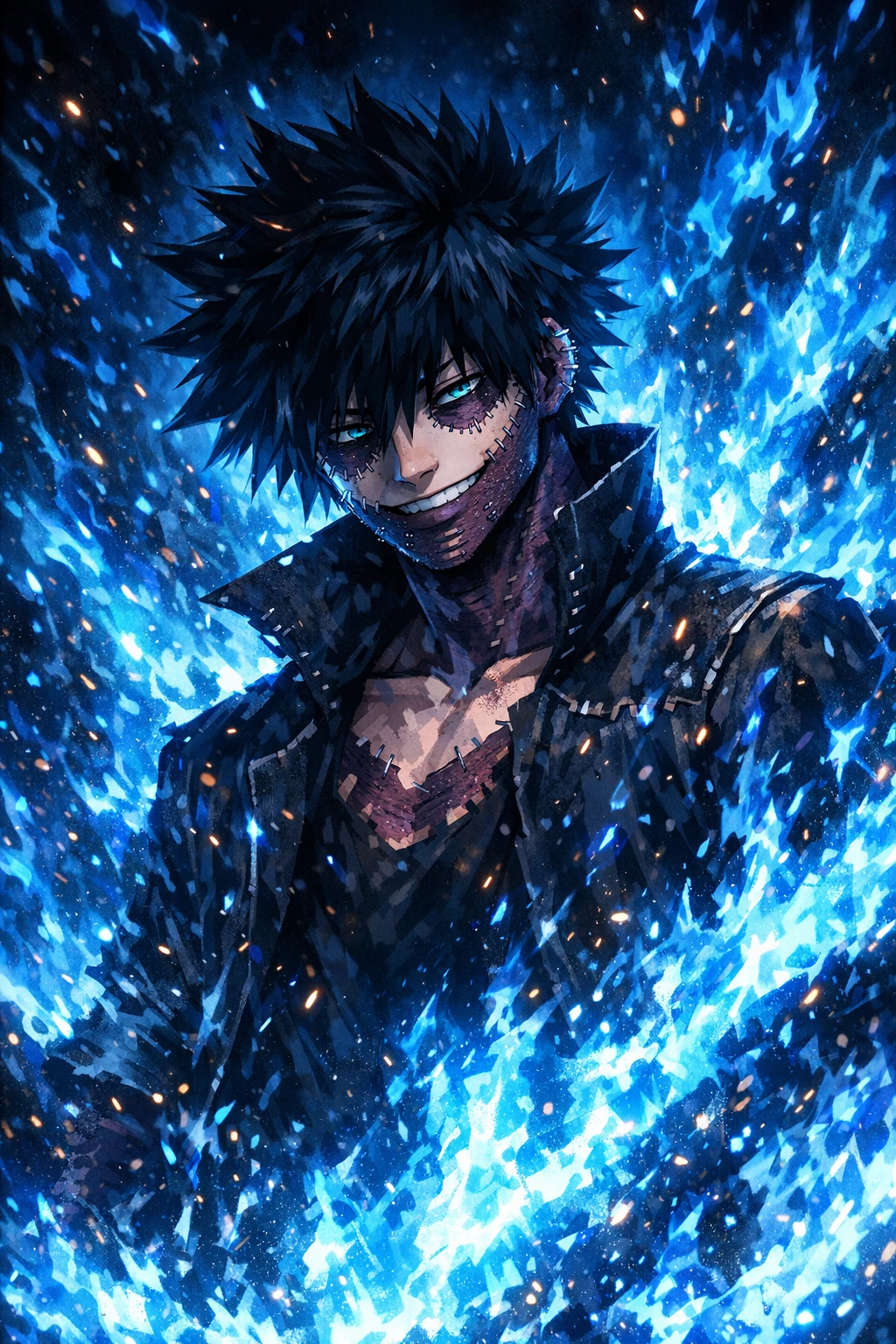
If Shigaraki represents the failure of the hero system’s safety net, Dabi represents the dark, rotting core of the hero industry itself. Born Touya Todoroki, he is the physical manifestation of Endeavor’s obsessive, eugenics-driven quest to surpass All Might. Touya was bred for power, born with a fire Quirk stronger than his father’s but a constitution inherited from his mother that made him vulnerable to his own flames.
When he was discarded as a “failure” in favor of his younger brother, Shoto, the emotional abuse and neglect drove Touya to push himself beyond his limits, culminating in a horrific fire that supposedly claimed his life. Surviving with severe burn scars stapled together, Dabi’s entire existence is dedicated to vengeance.
He joined the League not because he cares about Shigaraki’s goals, but because the League provides the perfect platform to destroy the Todoroki legacy and expose the hypocrisy of the #2 (and later #1) Pro-Hero. Dabi is the walking, burning proof that the society worshipping these heroes is entirely blind to the monsters they truly are behind closed doors.
Shuichi Iguchi (Spinner): The Reality of Mutant-Type Discrimination
Spinner brings a deeply grounded, sociological element to the League’s roster. While cities in My Hero Academia are relatively progressive, rural areas remain fiercely prejudiced against Heteromorphs—people with physical mutations that make them look non-human.
Spinner, possessing reptilian features, experienced a lifetime of severe, isolating racism. He was shunned, forced to become a shut-in, and spent his life playing video games in the dark, entirely alienated from society.
When Stain’s ideology was broadcast, Spinner found a lifeline. He wasn’t just a radicalized fanatic; he was a desperate man looking for a cause that would validate his existence. He copied Stain’s weapons, his clothing, and his rhetoric.
However, what makes Spinner compelling is his evolution. Over time, his loyalty shifted from the dead ideology of Stain to the living, breathing camaraderie of the League. He saw Shigaraki not as a symbol to follow, but as a genuine friend who accepted him without a second glance at his scales.
Atsuhiro Sako (Mr. Compress): The Theatrical Rebellion
Mr. Compress often serves as the charismatic, level-headed voice of reason within the chaotic core of the League, but his motivations are deeply rooted in legacy. As the descendant of the legendary Phantom Thief, Oji Harima, Compress views villainy through the lens of theatrical rebellion.
Oji Harima was a Robin Hood-esque figure who stole from the wealthy, corrupt elites who hoarded wealth and power under the guise of the hero system.
Compress continues this legacy. He views the current hero society as an inherently unfair capitalist system where Pro-Heroes and their wealthy backers oppress the common man. His sleight-of-hand techniques and his Marble Quirk make him the ultimate infiltrator and escape artist.
For Compress, the League represents the grand stage for his ultimate performance: the dismantling of an unjust societal hierarchy, executed with style, flair, and an uncompromising dedication to his comrades.
Leadership and the RPG Mentality
The Player and the Party
Tomura Shigaraki’s journey as a leader is a fascinating study in psychological maturation. In the early arcs of the series, Shigaraki viewed the real world entirely through the lens of an RPG (Role-Playing Game). This was a defense mechanism, a way to distance himself from the reality of the violence he was orchestrating. He referred to Pro-Heroes as “mobs” or “bosses,” his Nomu as “items” or “tanks,” and the League as his “party members.”
This gaming rhetoric highlighted his emotional immaturity. He expected the world to follow the rules of a game—if he leveled up, if he brought the right items, he should automatically win. When things didn’t go his way, he threw literal temper tantrums, scratching his neck in extreme anxiety.
He treated his followers as disposable NPCs, pawns on a board to be sacrificed for his high score. This early iteration of Shigaraki was dangerous, but he was not yet a King; he was simply a very powerful, very angry child playing with lives.
The Kurogiri Anchor
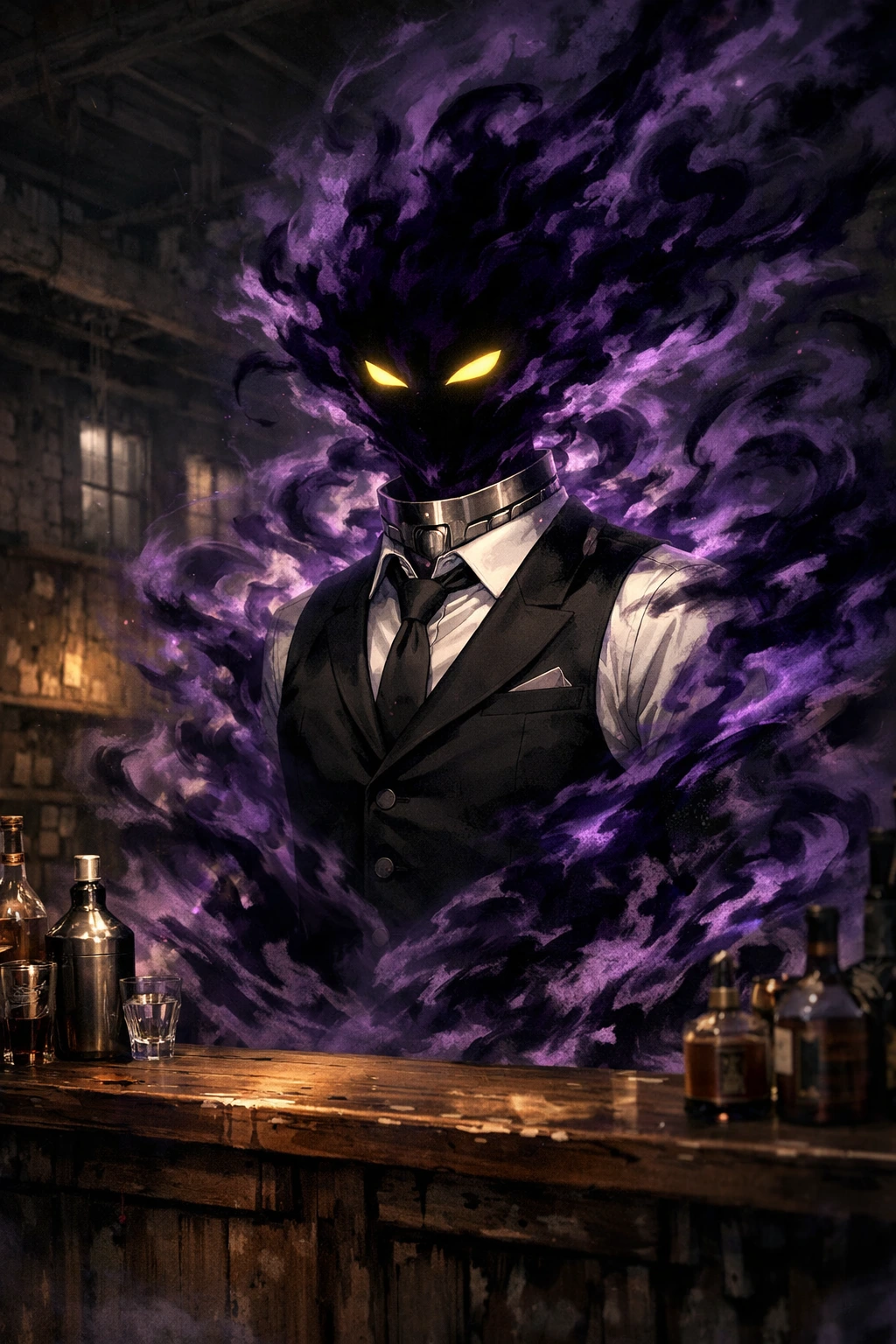
During this immature phase, the League would have completely imploded if not for Kurogiri. Kurogiri, the sophisticated, mist-like Nomu possessing the Warp Gate Quirk, was the absolute structural glue of the organization. On a tactical level, his ability to instantaneously transport villains anywhere in Japan was the only reason the League could execute their hit-and-run terror campaigns and evade capture.
But Kurogiri’s true value was far more psychological. He acted as the “nanny” to Shigaraki’s destructive toddler. He managed the logistics, brokered the deals, and, most importantly, played peacekeeper. The Vanguard Action Squad consisted of highly volatile, ego-driven psychopaths.
Kurogiri was the anchor that stopped Dabi, Shigaraki, and Toga from murdering each other over petty disagreements. He commanded respect through his calm demeanor and unwavering dedication to All For One’s vision. Without Kurogiri smoothing over the internal friction, the League would never have survived their infancy.
The Shift to True Kingship
The turning point for the League’s leadership structure occurred after the Kamino Ward incident. With All Might retired and All For One imprisoned in Tartarus, the safety net was gone. Shigaraki was suddenly thrust into the harsh reality of true leadership. He could no longer rely on his Master’s infinite resources or Kurogiri’s constant mediation.
We see a profound psychological evolution in Shigaraki during the Overhaul arc and culminating in My Villain Academia. He begins to discard the disembodied hands that cover his face—a literal and metaphorical shedding of his past trauma and his reliance on his father figure. He stops treating his subordinates like video game characters and begins to view them as genuine comrades.
When Overhaul destroys Compress’s arm and kills Magne, Shigaraki doesn’t calculate the loss in terms of “HP” or “stats”; he feels genuine, vengeful fury on behalf of his friends. He steps up to lead not through fear or inherited power, but by earning the deep, mutual respect of his followers. He becomes a King willing to bleed for his subjects, fundamentally changing the dynamic of the League from a gang to a devout, unbreakable family.
Poverty, Brokers, and Underworld Economics
The Reality of Fugitives
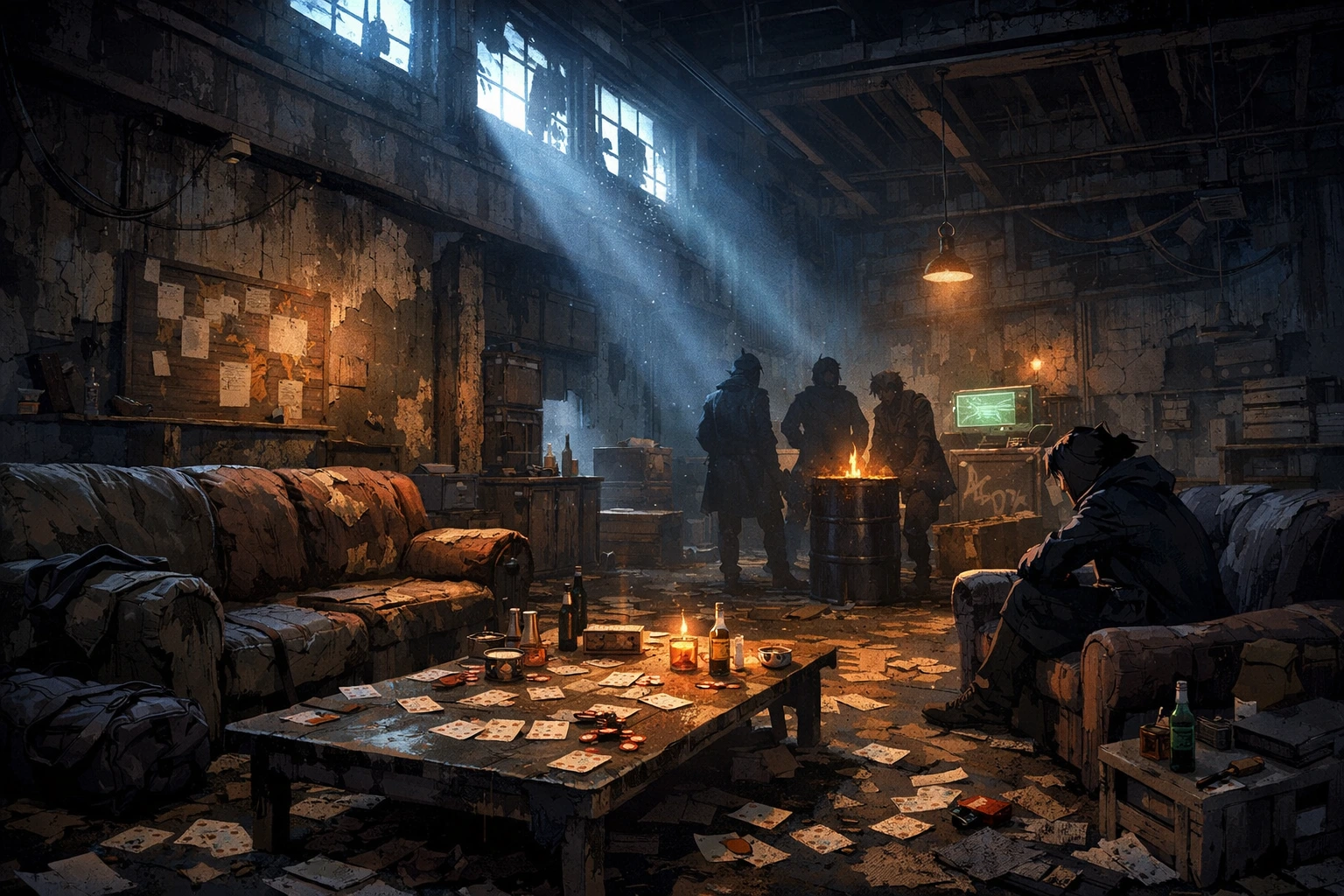
Hero media often glamorizes villains, depicting them in high-tech lairs with infinite funding. My Hero Academia brilliantly subverts this trope following the arrest of All For One. The League of Villains is plunged into absolute, grinding poverty. They become the most wanted fugitives in the nation, utterly cut off from their former supply lines.
This era of the League is gritty and deeply unglamorous. They are forced to hide in rotting, abandoned warehouses, constantly looking over their shoulders for Pro-Heroes. We see them struggling to survive, counting pennies, and surviving on cheap sushi scraps and convenience store leftovers. This destitution is a crucial phase in their development.
It strips away their hubris and forces them to rely entirely on each other. It grounds them, showing the audience the harsh, desperate reality of life outside the law, and builds a sense of gritty camaraderie that makes their eventual rise to power incredibly earned.
Giran the Broker
In the absolute absence of infrastructure, the League’s survival relied heavily on the underworld economy, personified by Giran the Broker. Giran represents the pragmatic, business side of villainy. While he does not possess overwhelming combat power, his network is vast. He is the crucial middleman who provided the League with their most valuable asset: the Vanguard Action Squad.
When the League was broke, Giran operated on credit and future favors, recognizing the sheer chaotic potential Shigaraki possessed. He supplied them with black-market support items, crucial intelligence on hero movements, and safe houses.
Giran’s character highlights that in the criminal underworld, information and connections are just as vital as powerful Quirks. His later capture by the Meta Liberation Army serves as the primary catalyst for the Deika City war, proving that the League viewed him not just as a contractor, but as one of their own whom they were willing to go to war to protect.
The Yakuza Clash: Shie Hassaikai
Before they could challenge the world, the League had to prove they could dominate the underworld. This brings us to the brutal, tactical chess match against Kai Chisaki (Overhaul) and the Shie Hassaikai. The Yakuza represented the old guard of organized crime—structured, disciplined, bound by traditional codes, and heavily funded. Chisaki viewed Shigaraki’s League as a chaotic, structureless disease that needed to be cured.
The clash between these two factions was not a straightforward brawl; it was a war of manipulation. When Overhaul attempted to subjugate the League, killing Magne and maiming Compress in a show of force, Shigaraki did not immediately retaliate with brute force. Instead, he outmaneuvered the Yakuza boss.
He sent Toga and Twice to act as double agents within the Shie Hassaikai during the Hero raid. Shigaraki weaponized his own members’ chaotic nature, allowing them to sabotage Overhaul’s operations from the inside at the critical moment.
This brilliant tactical move resulted in the heroes defeating Overhaul, while Shigaraki swooped in at the very end to ambush the police transport, maim Chisaki in poetic retribution, and steal the ultimate prize: the Quirk-Destroying Bullets. Shigaraki proved he was not just a destroyer, but a master tactician capable of playing the long game.
My Villain Academia: The Apotheosis Arc
The “My Villain Academia” (MVA) arc is widely considered the magnum opus of the series’ villain narrative. It is here that the League transitions from struggling outcasts to legendary figures, enduring a crucible of unimaginable physical and mental suffering.
The Trial of Machia
The arc begins with the ultimate test of endurance: The Trial of Gigantomachia. Machia is a walking natural disaster, a gargantuan monster possessing multiple Quirks, absolute loyalty to All For One, and endless stamina. Machia refuses to accept Shigaraki as his new master, viewing him as weak and unworthy of All For One’s legacy.
To earn his obedience, the entire League is forced into a grueling, month-long cycle of physical and mental torture. They battle Machia in the wilderness for 48 hours straight, getting barely three hours of sleep before the monster awakens and attacks again.
This trial strips the League down to their absolute limits. They are starved, exhausted, covered in mud and blood, fighting a seemingly invincible opponent. This period of intense suffering acts as a forge, hardening their resolve, refining their combat skills under the most extreme pressure imaginable, and proving to the audience the sheer, terrifying depth of their willpower.
The Deika City War
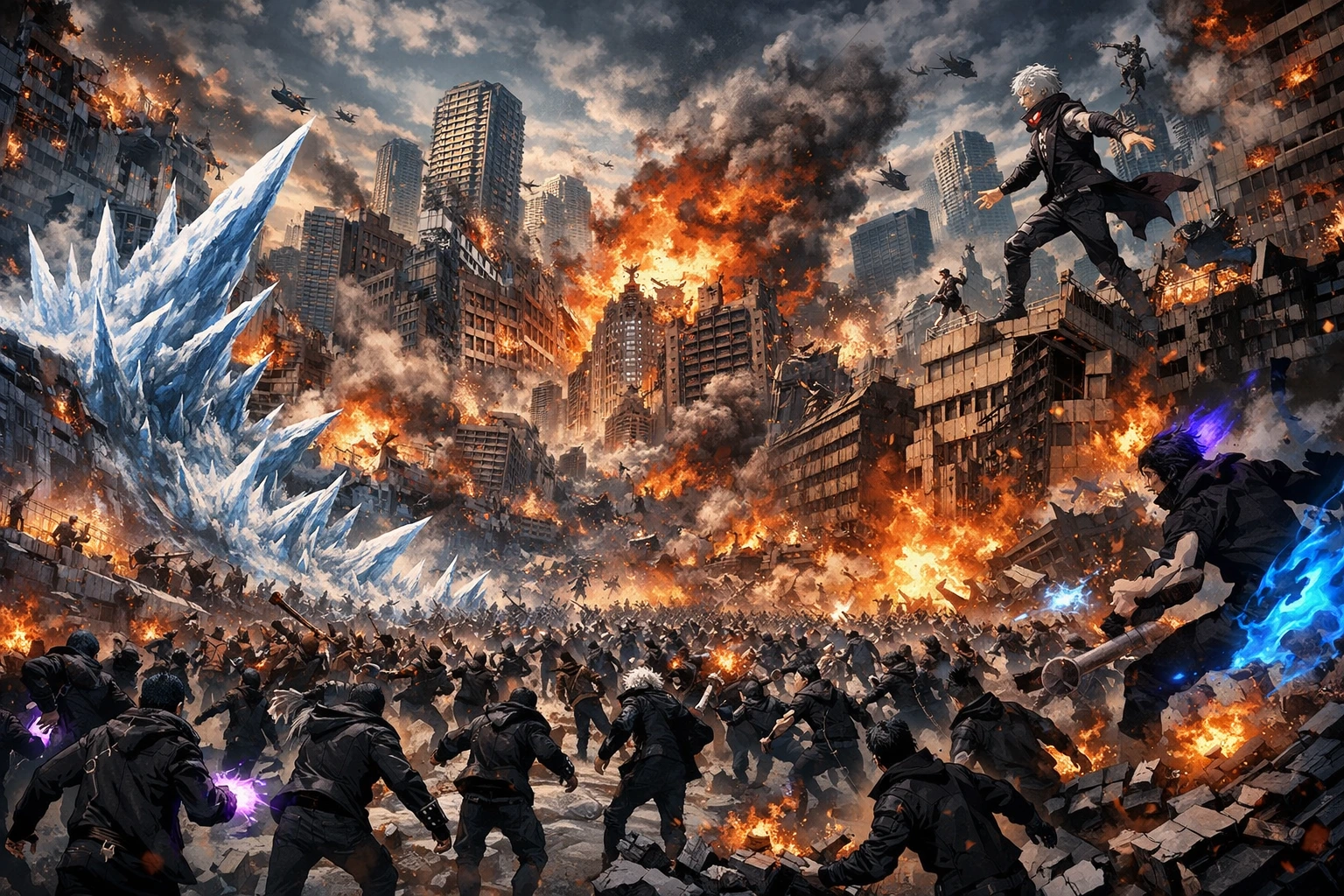
While still exhausted from a month of fighting Machia, the League is suddenly ambushed and challenged by the Meta Liberation Army (MLA). This is the absolute turning point of the series. The League, consisting of barely six exhausted members, is forced to infiltrate Deika City and fight an organized, fanatical army of 110,000 Quirk users led by the corporate titan Re-Destro.
The tactical breakdown of this battle is breathtaking. It is urban guerrilla warfare at its absolute finest. The League is separated and forced into desperate, life-or-death 1-on-1 matches against the MLA’s elite executives. Dabi fights a brutal war of attrition against the ice-manipulator Geten, pushing his body to the point of literal incineration.
Spinner must defend an unconscious Shigaraki in a desperate last stand. The battle forces the villains into a corner where they must either transcend their limits or die. The sheer scale of the conflict, the overwhelming odds, and the gritty, blood-soaked desperation elevate the League from villains to anti-heroes in their own twisted narrative.
Trauma as a Weapon: Quirk Awakenings
The most significant outcome of the Deika City War is the concept of “Quirk Awakenings.” In the MHA universe, extreme stress, near-death experiences, and the confrontation of deeply buried psychological trauma can cause a Quirk to forcefully evolve, bypassing mental limiters and rewriting the power scaling of the series. The League weaponized their trauma to survive.
Himiko Toga: Cornered and beaten to a pulp by Curious and her fanatical followers, Toga’s desire to “become” the people she loves reaches a critical mass. Her Quirk awakens, allowing her not just to copy the physical appearance of Ochaco Uraraka, but to actually utilize Uraraka’s Zero Gravity Quirk, instantly slaughtering her attackers.
Jin Bubaigawara (Twice): Tortured by Skeptic’s puppets who look exactly like him, Twice’s greatest trauma—the fear of not knowing if he is the real Jin or a clone—is forced to the surface. In a moment of absolute desperation, his arms are broken, and he realizes he doesn’t melt. He is the original. This realization cures his psychological block, unleashing the “Sad Man’s Parade.” Twice clones himself infinitely, creating an unstoppable, tsunami-like army that single-handedly shifts the tide of a war involving 100,000 people.
Tomura Shigaraki: The ultimate awakening. Fighting Re-Destro, who is armed with a mechanized suit and god-like stress power, Shigaraki is beaten to a bloody pulp. In his lowest moment, he finally unlocks the suppressed memories of his childhood trauma—the exact moment his Quirk manifested and he killed his family. Embracing his past and his nature as an agent of destruction, Shigaraki’s Decay Quirk evolves. He no longer needs to touch an object with all five fingers. His Decay spreads like a virus through the very earth itself, disintegrating entire city blocks, buildings, and thousands of soldiers in a matter of seconds. He becomes a god of destruction.
The Paradigm Shift: The Paranormal Liberation Front
The Conquest of Re-Destro
The climax of the Deika City war is not a traditional victory; it is a complete ideological subjugation. Shigaraki does not just defeat Re-Destro physically; he breaks his spirit.
Re-Destro, a man who believed that true liberation meant the unregulated use of Quirks, witnesses Shigaraki’s awakened Decay. He sees a man entirely untethered by morality, law, or societal constraint—the ultimate embodiment of true liberation.
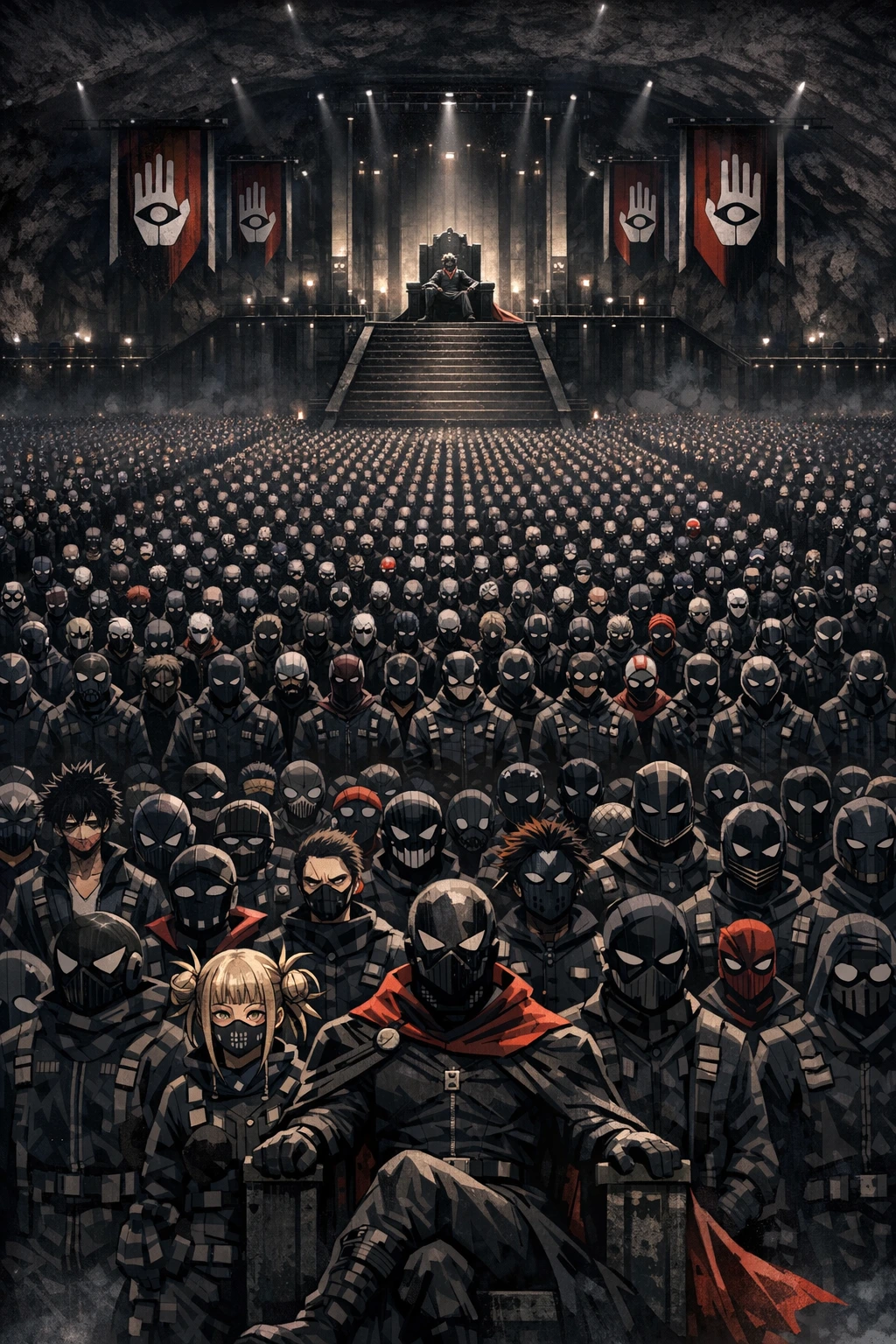
In an act of sheer reverence, Re-Destro amputates his own legs to survive the Decay and bows before Shigaraki. This moment signifies the absorption of the Meta Liberation Army. Shigaraki conquers a man who has spent his entire life building an empire, and takes that empire for himself in a single afternoon.
From Shadows to Sovereigns
The aftermath of Deika City represents a terrifying paradigm shift for the My Hero Academia universe. The League of Villains and the Meta Liberation Army merge to form the Paranormal Liberation Front. The ramifications are staggering.
The League is no longer a small, hunted gang surviving on scraps in abandoned warehouses. They instantly upgrade to an organized, military-grade superpower. Shigaraki now commands an army of over 100,000 fanatic soldiers planted in every sector of society—heroes, politicians, and civilians.
He inherits the limitless corporate wealth of Detnerat, access to advanced satellite networks, cutting-edge support items, and high-tech underground facilities. Furthermore, by subjugating Re-Destro, Shigaraki finally proves his worth to Gigantomachia, gaining the loyalty of a walking weapon of mass destruction.
In a matter of weeks, Shigaraki maneuvers himself from a street-level thug to a sovereign King, commanding a force large enough to dismantle the entire nation of Japan.
Conclusion
The Reflection of Heroes
The true brilliance of the League of Villains lies in their thematic role as the dark, unavoidable mirror image of U.A. High School’s Class 1-A. Just as Izuku Midoriya and his classmates represent the idealized, hopeful future of hero society, Shigaraki and the League represent its buried, rotting past.
Both groups are comprised of marginalized youths trying to find their place in the world. Both groups are guided by older mentors passing the torch to the next generation (All Might and All For One). Both groups undergo brutal training camps, face life-threatening trials, and form unbreakable bonds forged in the fires of combat.
The terrifying truth that hero society refuses to acknowledge is that the League of Villains are not alien monsters; they are the exact same kind of passionate, driven individuals as the heroes, simply reacting to a world that showed them cruelty instead of compassion.
Closing Thoughts
Kohei Horikoshi masterfully crafted antagonists who transcend typical shonen tropes. The League of Villains does not seek world domination for the sake of cartoonish evil; they seek the annihilation of a hypocritical system that ruined their lives. They fight, bleed, and die for their friends with the exact same passion, love, and fervor as the heroes do.
By detailing their psychological trauma, exploring their gritty survival, and showcasing their terrifying rise to military supremacy, the story forces the audience to confront a harsh reality: true peace cannot be achieved by simply punching the bad guys harder.
As long as society continues to ignore its rejects, as long as it prioritizes pristine idols over mental health and systemic care, there will always be another child crying in the streets. And out of those shadows, another League of Villains will always rise to burn it all down.