
Introduction: The Power Hierarchy and the Bureaucracy of Survival
In the vast majority of shonen anime, rankings are often little more than vanity titles—badges of honor that characters wear to display their progress or status. In Naruto, being a Jonin is a sign of respect; in Bleach, being a Captain is a sign of authority.
However, in the brutal, unforgiving world of Jujutsu Kaisen Grades, rankings serve a far grimmer purpose. They are not trophies. They are not about prestige. They are life-and-death classifications designed for one specific purpose: Risk Management.
The Jujutsu world is fundamentally an unseen war. Curses are invisible to the public, born from the leaking negative emotions of humanity—fear, regret, shame, and hatred. These entities exist solely to harm humans. The Sorcerers are the only line of defense. But Sorcerers are few, and Curses are infinite.
Because of this severe resource imbalance, the Jujutsu Headquarters (the “Higher-Ups”) cannot afford to waste personnel. They cannot send a rookie to fight a monster that can flatten a city block, nor should they waste an elite operative on a nuisance that a baseball bat could handle.
Thus, the ranking system exists to answer a logistical nightmare: Who do we send to die where?
The Concept of Grading
At its core, the grading system categorizes both the threat (Cursed Spirits) and the solution (Jujutsu Sorcerers). It is a bureaucratic attempt to impose order on the chaos of the supernatural.
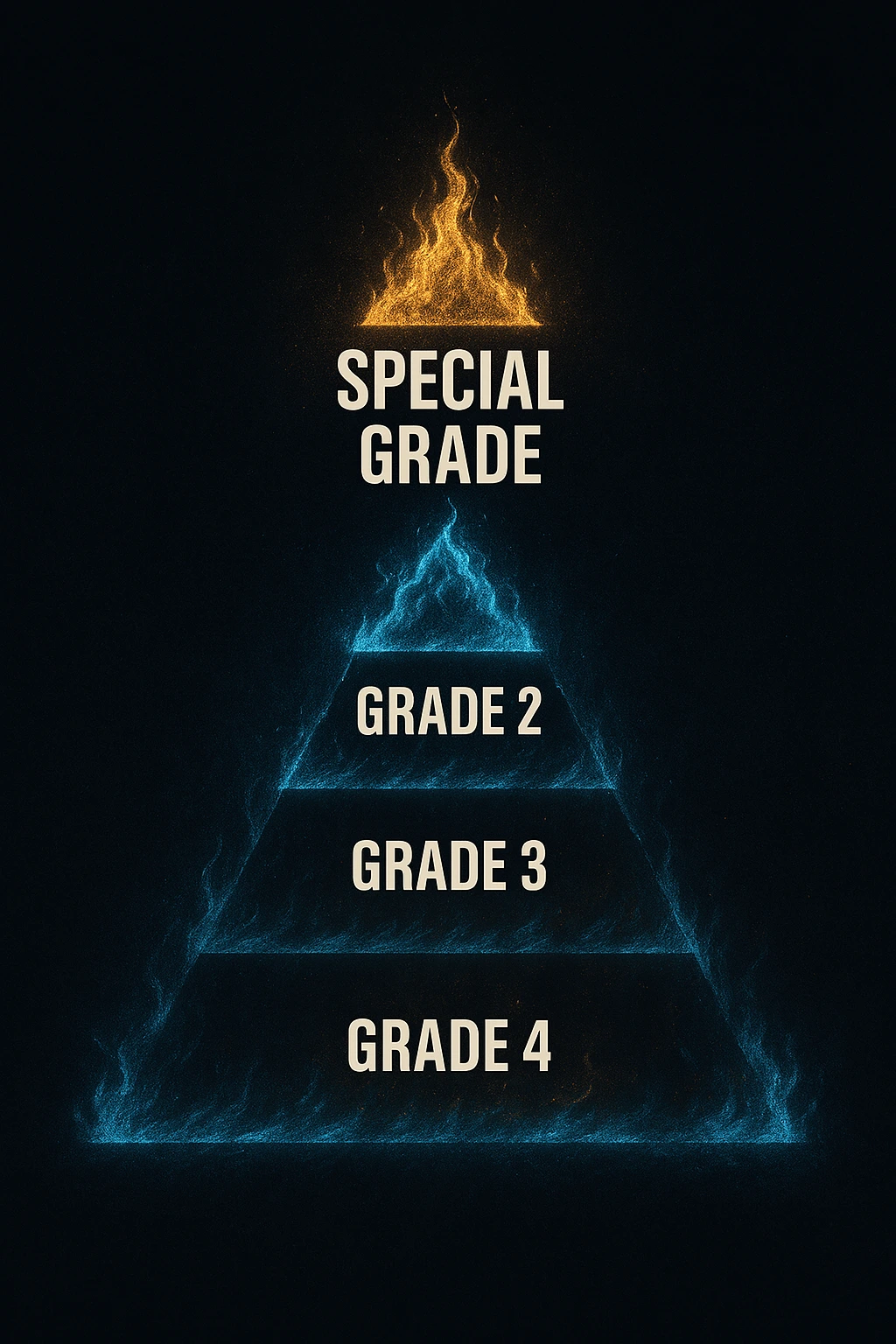
The grades range from Grade 4, the absolute bottom of the barrel, to Special Grade, a classification so extreme it defies the logic of the system itself.
The hierarchy is rigid:
- Grade 4: The entry-level. Weakest sorcerers, weakest curses.
- Grade 3: The average. Capable, but not exceptional.
- Grade 2: The backbone of Jujutsu society. Reliable combatants.
- Semi-Grade 1: The proving ground for the elite.
- Grade 1: The pinnacle of “normal” human potential.
- Special Grade 1: An elite rank usually reserved for those outside the standard school system (often the Zenin clan).
- Special Grade: The anomalies. Those who possess power capable of destroying nations.
The Thesis of Flawed Order
While this system appears logical on paper, the central thesis of Jujutsu Kaisen‘s conflict is that this system is inherently flawed because it attempts to categorize chaos. As the series progresses, particularly during the Shibuya Incident and the Culling Game, we witness the total collapse of this hierarchy.
The “Higher-Ups”—ancient, conservative men sitting behind screens—cling to these rankings as a way to maintain control. But modern curses and modern sorcerers are evolving past these archaic measurements.
When a curse like Mahito or a sorcerer like Kinji Hakari enters the fray, the linear progression of Grade 4 to Grade 1 falls apart. The system measures “conventional” danger, but the threats facing the modern era are anything but conventional. We are looking at a system designed for a bygone era trying to contain the volatility of the new age.
The Rules of Engagement: Sorcerers vs. Curses
To truly understand the grading system, one must first understand the Golden Rule of Engagement. This is the operational directive that dictates every mission assignment in Jujutsu High.
The Mismatch Logic
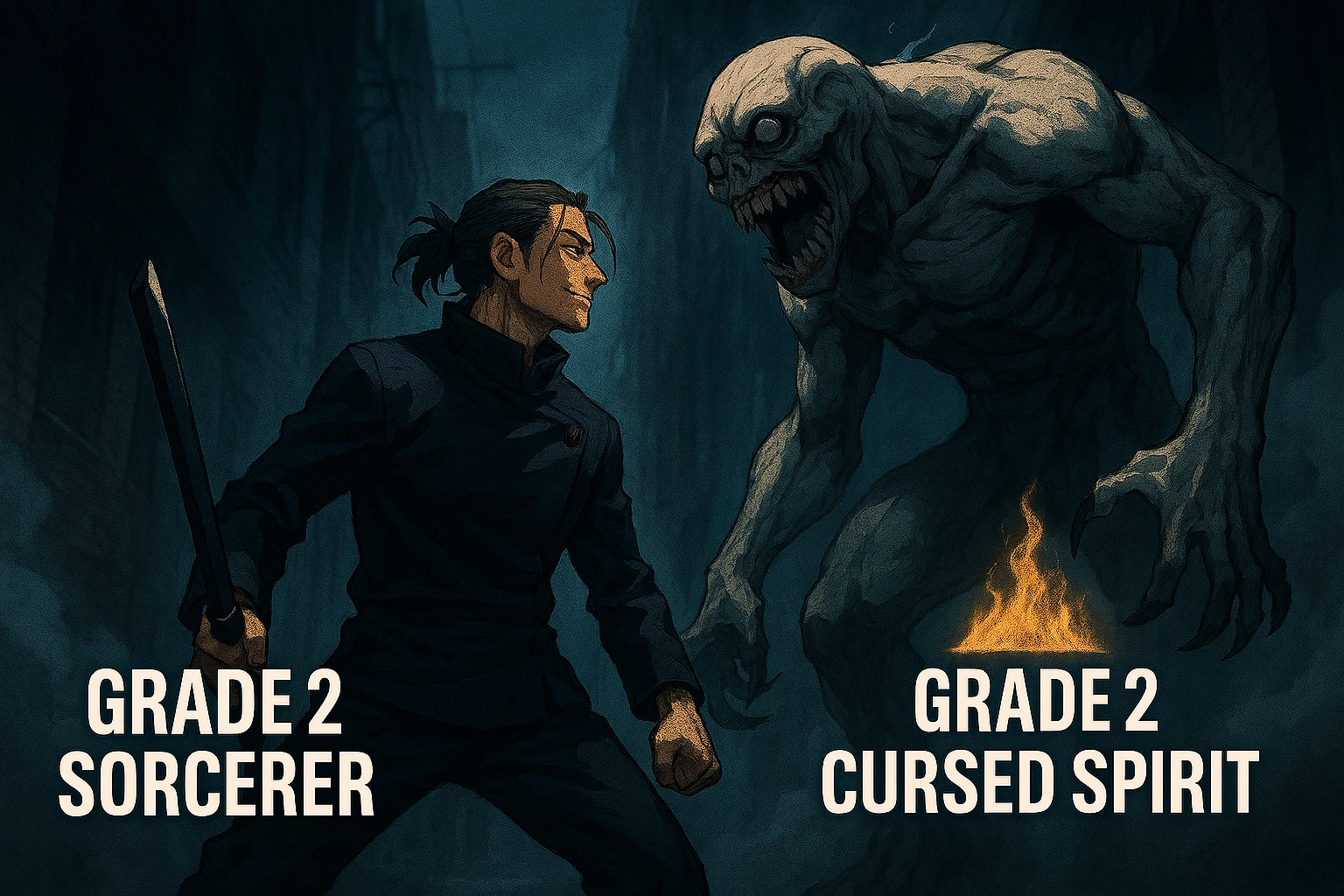
A common misconception among fans and new readers is that the grades are equivalent. One might assume that a Grade 2 Sorcerer is exactly equal in strength to a Grade 2 Cursed Spirit. This is false. If the strength were equal, the outcome of a battle would be a coin toss—a 50/50 chance of survival. The Jujutsu world cannot sustain a 50% casualty rate.
Therefore, the rule is defined by superiority, not equality. The Official Mandate: A Jujutsu Sorcerer is graded based on their ability to definitively exorcise a Curse of the same grade.
This means:
- A Grade 2 Sorcerer must be able to defeat a Grade 2 Curse without fail (close to a 100% win rate).
- Consequently, a Grade 2 Sorcerer is actually closer in combat power to a Grade 1 Curse.
The Buffer Zone and Safety Margins
Why does this buffer exist? It is a safety margin built into the bureaucracy. Curses are unpredictable. They can evolve mid-fight (like the Finger Bearer in the detention center), they can possess unknown Cursed Techniques, or the environmental factors might favor them. By ensuring that a sorcerer is technically “over-qualified” for their assigned grade of curse, the Higher-Ups minimize the risk of death.
If a window (an observer who can see curses) reports a Grade 2 spirit, Headquarters will dispatch a Grade 2 Sorcerer, assuming the sorcerer will win easily. If they dispatch a Grade 3, that sorcerer would likely die.
When the System Fails
The tragedy of Jujutsu Kaisen often stems from incorrect grading. The system relies entirely on accurate intelligence. If a Curse is misidentified—if a Special Grade is hiding its energy and is reported as a Grade 2—the dispatched sorcerer is walking into a slaughter.
We see this explicitly in the Fearsome Womb Arc. The Cursed Womb at the detention center was a potential Special Grade. However, due to a lack of available personnel and political maneuvering, first-year students (Yuji Itadori, Megumi Fushiguro, and Nobara Kugisaki) were sent in.
At that time, they were barely Grade 3 or 4 in terms of experience. The result was nearly catastrophic. This highlights that while the grades are strict, the deployment of troops is often messy, desperate, or politically motivated.
The “Rules of Engagement” also dictate how sorcerers interact with the non-sorcerer world. Lower-grade curses (Fly Heads, Grade 4) gather in schools and hospitals. These are routine cleanups.
But as the grade rises, the complexity of the mission changes. A Grade 1 mission isn’t just a fight; it’s an investigation, a hunt, and often a cover-up operation to ensure the public remains unaware of the eldritch horrors living alongside them.
The Standard Ladder: Grades 4 to 1
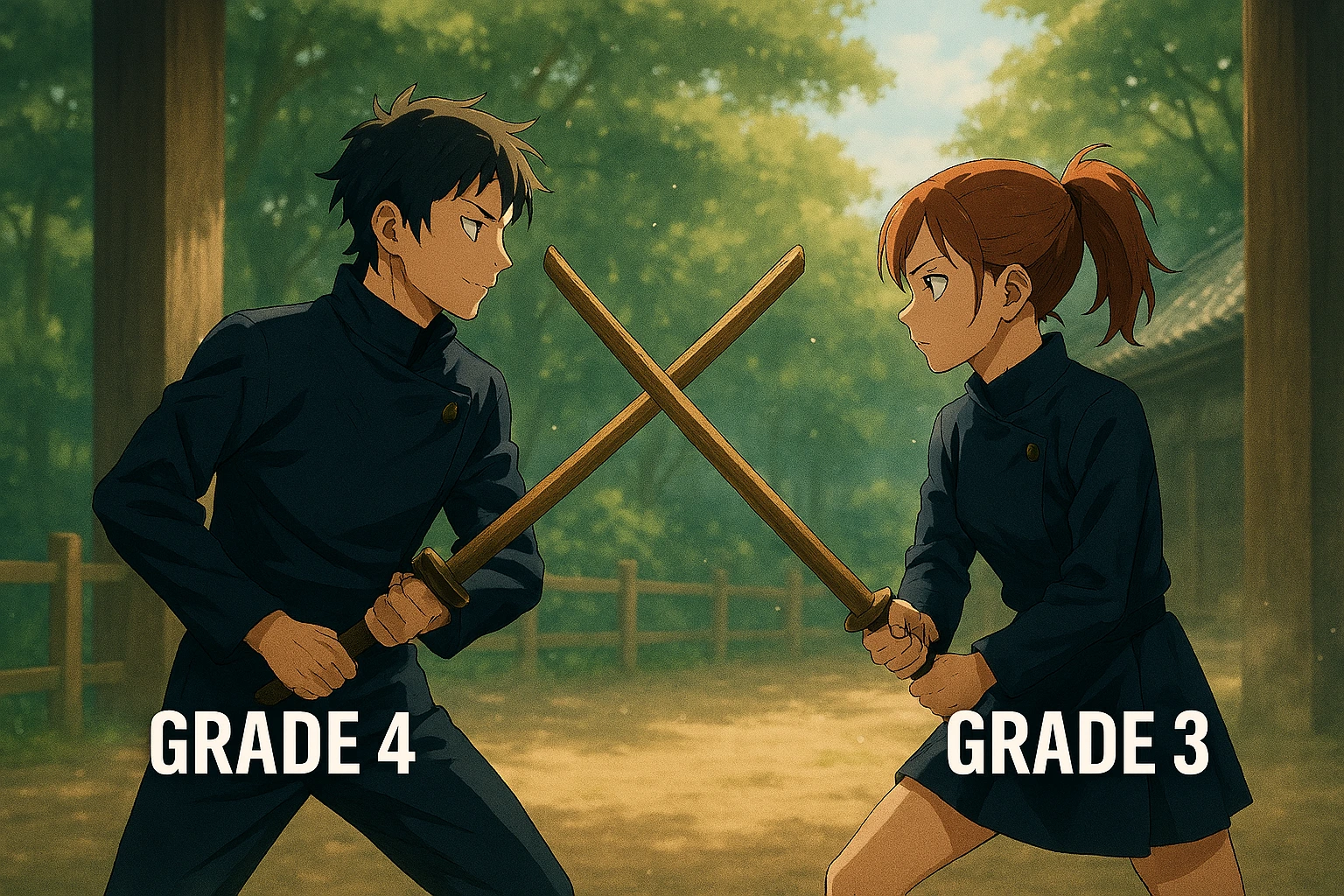
This section of the hierarchy represents the “Standard Model” of Jujutsu Sorcery. This is the ladder that 99% of all sorcerers climb. It represents hard work, talent, and experience, but it is bound by the limits of human capability.
Grade 4: The Rookies and the Weak
Grade 4 is the entry point. Generally, students entering Jujutsu High start here, unless they come from a prestigious sorcerer lineage and have already proven themselves (like Todo or Fushiguro).
- The Power Level: Grade 4 sorcerers are expected to handle Grade 4 curses—creatures often referred to as “Fly Heads.” These curses are grotesque but weak; they might cause a regular human to feel heavy shoulders or slight illness, but they cannot kill instantly with a physical attack. A Grade 4 sorcerer uses basic cursed energy reinforcement and simple weapons.
- Notable Characters:
- Maki Zenin (Pre-Awakening): Maki was stuck at Grade 4 due to the Zenin clan’s political sabotage, despite having Grade 2 skills. This shows that grades can be manipulated by nepotism.
- Mai Zenin: A perfect example of a generic sorcerer. She has a technique (Construction) but lacks the vast cursed energy to use it repeatedly. She represents the “floor” of the sorcerer world.
- Kasumi Miwa: While skilled with a sword and Simple Domain, she lacks a devastating innate technique.
Grade 3: The Average Joe
Grade 3 is the average. If you are a Grade 3 sorcerer, you can handle the majority of supernatural occurrences in Japan. Most “Window” reports involve Grade 3 or 4 curses.
- The Power Level: These sorcerers have a grasp of their Cursed Technique but lack high output or versatility. They use Cursed Tools to supplement their lack of raw power.
- The Reality: Many sorcerers plateau here. Not everyone is a genius. Not everyone has a high reservoir of Cursed Energy. Grade 3 is a respectable career, but in the face of a Disaster Curse, a Grade 3 sorcerer is essentially a civilian.
Grade 2 and Semi-Grade 1: The Field Leaders
Grade 2 is a significant jump. This is where the “real” sorcerers reside. To reach Grade 2, a sorcerer must demonstrate not just power, but the ability to lead a mission solo.
- The Power Level: They possess a refined Cursed Technique and high physical stats. They can handle most curses that arise from urban legends.
- Notable Characters:
- Megumi Fushiguro (Start of Series): He entered the school as a Grade 2, showcasing his genius. He could summon Divine Dogs and Nué, providing versatility.
- Panda: A Cursed Corpse with three cores. His power varies, but his “Gorilla Mode” solidifies him as a high-tier Grade 2.
- Takuma Ino: Nanami’s protégé. He is a strong Grade 2 who relies on summoning the powers of auspicious beasts. He represents the bridge between “competent” and “elite.”
Grade 1: The Peak of Normality

Grade 1 is the gold standard. In the eyes of Jujutsu High, this is the destination. A Grade 1 sorcerer is an elite operative, a tactical genius, and a combat master. They are the captains of the industry.
- The Definition: To be Grade 1 is to be the pinnacle of what a “normal” sorcerer can achieve. They have mastered their Cursed Technique, they have immense Cursed Energy control (often approaching Black Flash capability), and they possess high combat IQ.
- The Promotion Process: One cannot simply “become” Grade 1. They must be recommended by two other Grade 1 sorcerers (who are not their teachers). Then, they must accompany a current Grade 1 on several missions. Finally, they must exorcise a Grade 1 curse solo. This rigorous process ensures no pretenders reach this rank.
- Notable Characters:
- Nanami Kento: The archetype of Grade 1. His Ratio Technique is deadly, his reinforcement is impeccable, and his tactical mind is sharp. He can fight a Special Grade curse (like Mahito) defensively and survive, but he cannot exorcise one alone.
- Aoi Todo: A monster of physical stats and a disorientation technique (Boogie Woogie). He exorcised five Grade 1 curses and one Special Grade curse in a single night (though the Special Grade was without his technique). He pushes the upper limits of Grade 1.
- Atsuya Kusakabe: The only Grade 1 without a Cursed Technique. He reached the peak solely through swordsmanship, Cursed Energy manipulation, and the “New Shadow Style: Simple Domain.” He proves that mastery of fundamentals can rival innate talent.
- The Ceiling: Despite their strength, Grade 1 sorcerers are still bound by logic. A tank could kill them. A cluster bomb could kill them. If they run out of energy, they die. They are powerful, but they are mortal.
Special Grade 1: The Outliers
This rank is confusing to many, but it is essentially a political distinction. Special Grade 1 (Tokubetsu Itkyū) sorcerers are Grade 1 sorcerers who operate outside the direct jurisdiction of Jujutsu High, usually members of the “Big Three Families” (Zenin, Gojo, Kamo).
- The Nuance: Power-wise, they are equal to Grade 1. The “Special” prefix just denotes their status as freelancers or clan members rather than school employees.
- Examples: Naobito Zenin (the fastest sorcerer alive apart from Gojo), Naoya Zenin, and Jinichi Zenin.
The Anomaly: Special Grade (Tokkyū)
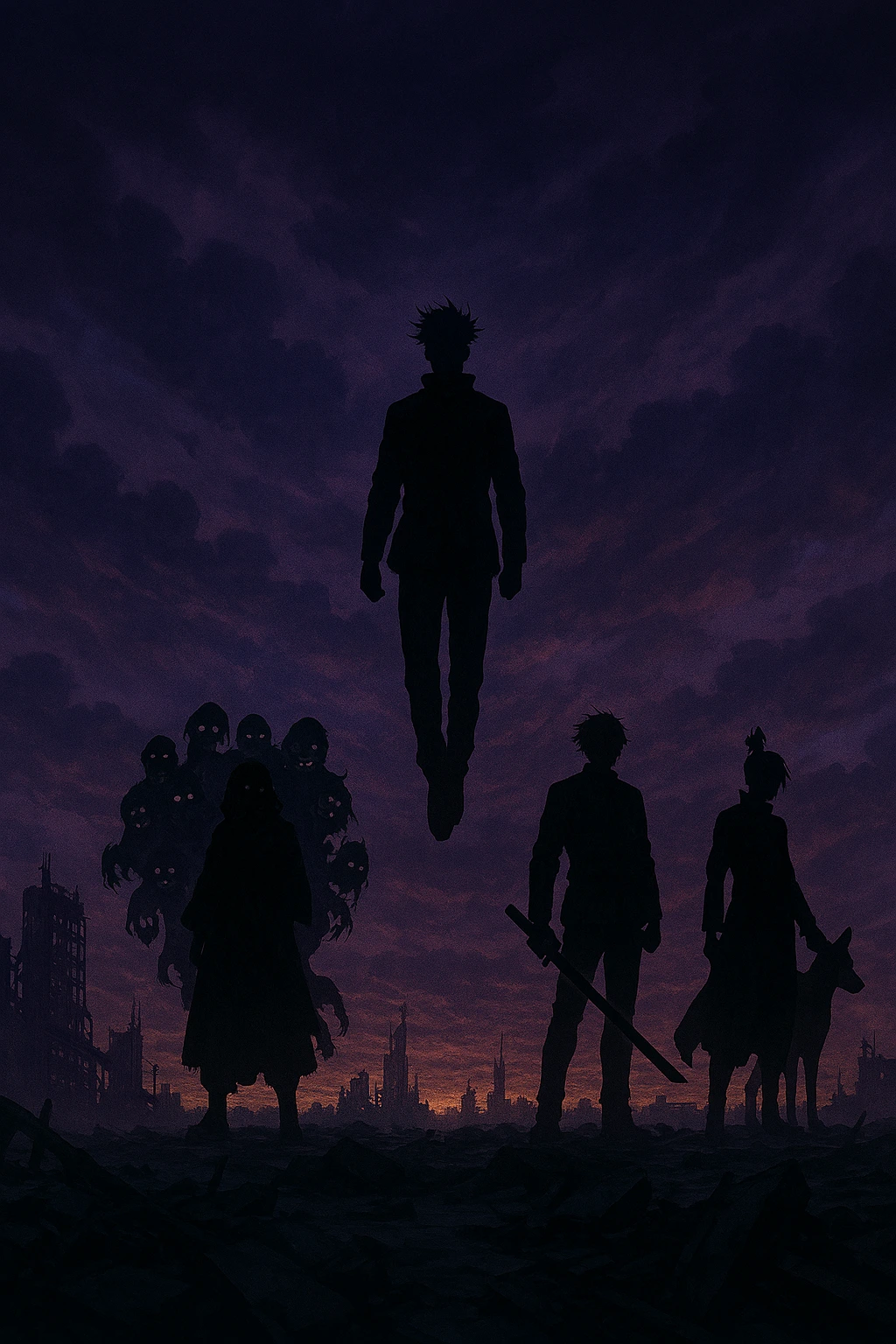
Here is where the scale breaks. If Grade 1 is the peak of the mountain, Special Grade is the sky above it. The gap between Grade 1 and Special Grade is not a step; it is an abyss. A Grade 1 sorcerer is closer to a Grade 4 in power than they are to a Special Grade.
The Definition of Calamity
Special Grade is not a rank of progression. You do not “graduate” from Grade 1 to Special Grade by working hard. You are either born a Special Grade, or you acquire a power so grotesque it violates the laws of nature.
The antagonist Kenjaku provides the most chilling definition: “Grade 1 is the limit of what a sorcerer can handle. Special Grade is the ability to single-handedly overthrow a country.”
This is the metric. Can you walk into a nation and force its government to surrender without aid? If yes, you are Special Grade.
The Big Four: The Human Anomalies
There are only four officially recognized Special Grade humans in the modern era.
Satoru Gojo: The Honored One
- The Threat: Infinite Power.
- The Capability: Gojo possesses the Six Eyes and the Limitless technique. He has infinite cursed energy efficiency (he virtually never runs out). He can manipulate space at the atomic level, create invisible barriers (Infinity), and delete matter from existence (Hollow Purple).
- The Impact: His birth alone altered the balance of the world. Curses became stronger just to cope with his existence. He could kill every human on the planet if he chose to. He is not just a sorcerer; he is a natural disaster in human form.
Suguru Geto: The Army of One
- The Threat: Infinite Numbers.
- The Capability: Cursed Spirit Manipulation. Geto does not just exorcise curses; he consumes them and controls them. There is no limit to how many he can hold.
- The Impact: In Jujutsu Kaisen 0, he unleashed the “Night Parade of a Hundred Demons,” releasing over 6,000 curses in Shinjuku and Kyoto simultaneously. He is a one-man legion. If he captures a Special Grade curse, he gains its power. His potential is uncapped because his army can grow forever.
Yuta Okkotsu: The Prodigy of Imitation
- The Threat: Infinite Energy + Adaptability.
- The Capability: Originally haunted by the Queen of Curses, Rika Orimoto. Yuta possesses Boundless Cursed Energy (even more than Gojo, though Gojo is more efficient). His technique is Copy. He can replicate any Cursed Technique he sees, provided certain conditions are met.
- The Impact: He can heal others (Reverse Cursed Technique output), which is rare. He can spam high-level techniques from other sorcerers. He is a wildcard who can become anyone. In the Sendai Colony arc, he fought four high-level combatants consecutively and won, proving his stamina is bottomless.
Yuki Tsukumo: The Star Rage
- The Threat: Infinite Mass.
- The Capability: Her technique, Star Rage (Bom-ba-ye), allows her to add virtual mass to herself and her shikigami (Garuda). This mass does not affect her speed or weight, but it affects the force of her impact.
- The Impact: She can punch with the force of a meteor. Her ultimate technique creates a Black Hole that could destroy the entire planet. She is the only sorcerer capable of ending the world by accident. This puts the “overthrow a country” metric to shame; she could overthrow the solar system.
The Unbridgeable Gap

To illustrate the gap: Nanami Kento (Grade 1) hits a wall when fighting Dagon (Special Grade Curse). He is helpless. Toji Fushiguro (who rivals Special Grades) enters and decimates Dagon in seconds. The Special Grade classification is a warning: Do not engage. If you are not Special Grade yourself, your participation in the fight is irrelevant.
Broken Scales: The Unranked & Anomalies
The grading system was created by the conservative higher-ups to categorize traditional sorcery. However, there are fighters who break the scale entirely. They don’t fit the “Grade” boxes, yet they are the most dangerous players on the board.
Heavenly Restriction: Toji Fushiguro and Maki Zenin
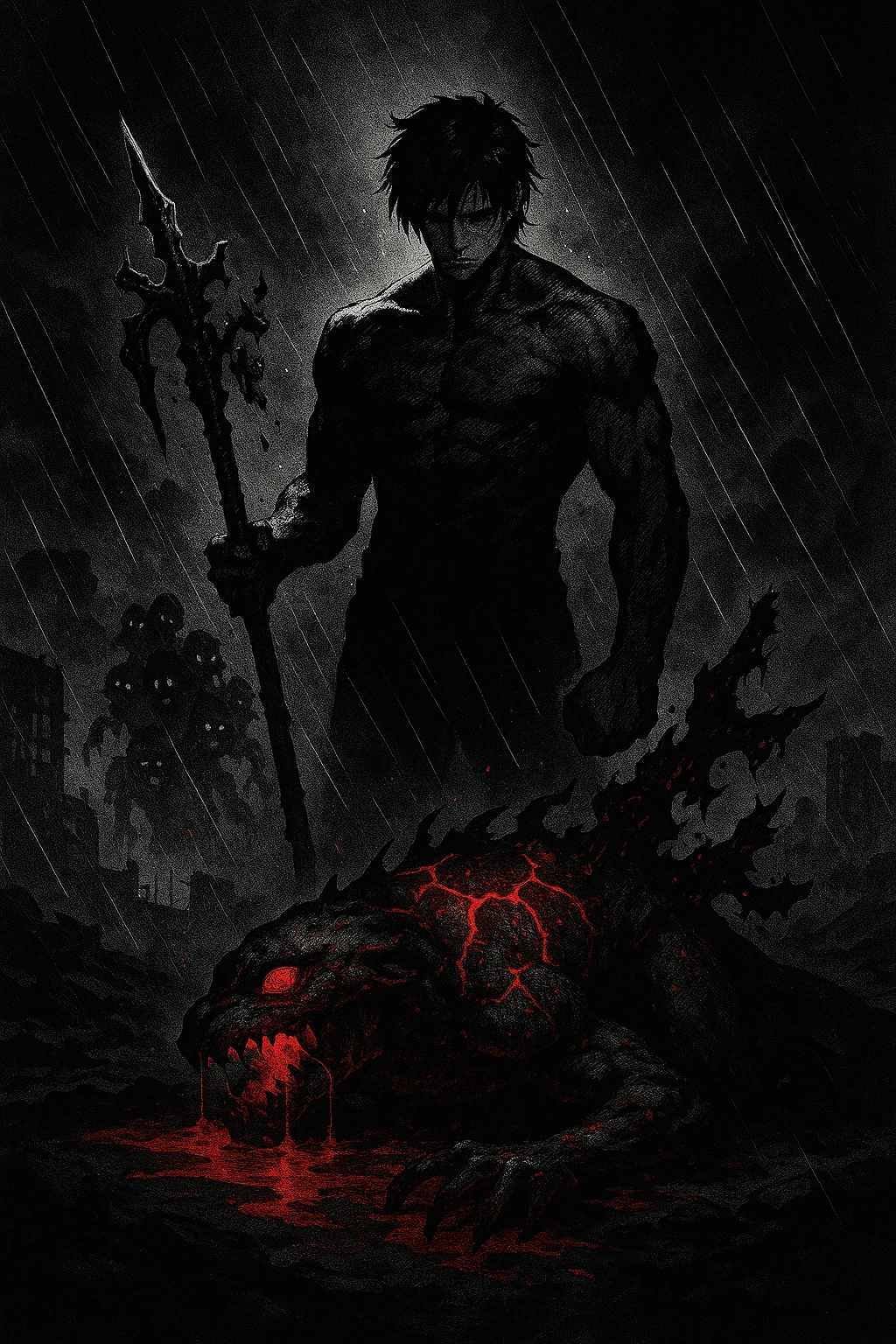
The system measures Cursed Energy. What happens when you have none?
- The Glitch: Toji and (later) Maki possess 0 Cursed Energy. In exchange, their bodies are honed to superhuman perfection. Their senses are heightened to see curses without energy, their skin is harder than steel, and they have resistance to curses.
- The Rank: Officially, Maki was Grade 4. Toji was an assassin with no rank.
- The Reality: They are “Sorcerer Killers.” Because they have no Cursed Energy, they are invisible to barriers and sensory techniques. They can massacre Special Grade curses with physical tools alone. They represent the ultimate failure of the grading system—a threat that the radar cannot detect.
Kinji Hakari: The Suspended Gambler
Hakari is a third-year student who is currently suspended. Yuta Okkotsu stated, “When he gets worked up, he’s stronger than me.”
- The Glitch: Hakari’s technique, Private Pure Love Train, is a domain expansion based on a Pachinko gambling machine. It is modern, convoluted, and offends the traditional tastes of the Higher-Ups.
- The Jackpot: When Hakari hits a “Jackpot” in his domain, he gains Infinite Cursed Energy for 4 minutes and 11 seconds. During this time, his body reflexively performs Reverse Cursed Technique, making him effectively immortal. He is unranked because the conservatives hate his technique, but in terms of power, he is a fluctuating Special Grade.
Ryomen Sukuna: The King of Curses
Sukuna is often referred to as a Special Grade Curse, but that is an insult to his stature.
- The Anomaly: During the Golden Age of Sorcery (Heian Era), the strongest sorcerers sharpened their skills against him and failed. He is a natural disaster that walks.
- The Scale: If the scale goes from 1 to 10, and Special Grades are a 10, Sukuna is a 100. He understands the essence of Cursed Energy better than anyone else. His Domain Expansion, Malevolent Shrine, is a divine technique that paints reality with death. He is not on the grading scale; he is the god of the grading scale.
Conclusion: The System is Crumbling

The Jujutsu Kaisen Grades system serves as a fascinating narrative device. It establishes a clear hierarchy for the audience in the beginning, only to methodically dismantle it as the story progresses.
The Shibuya Incident was the graveyard of the grading system. We watched Grade 1 sorcerers—the supposed elite—get slaughtered or maimed by the Disaster Curses (Jogo, Hanami, Dagon, Mahito). Nanami was killed. Naobito was killed. Todo lost his hand. The system that promised order and “risk management” failed completely because the enemies had evolved beyond the scale.
The ranking system is a relic of a time when the Jujutsu world thought it could control the darkness. But as Gojo Satoru predicted, a wave of power is rising that the dikes of the “Grade” system cannot hold back. The new generation—Hakari, Yuta, Maki, Yuji—cannot be measured by the old ruler.
The grades tell you how safe you are. But in the world of curses, safety is just an illusion.