
1. Introduction: The Invisible Rulers
The Rot at the Top
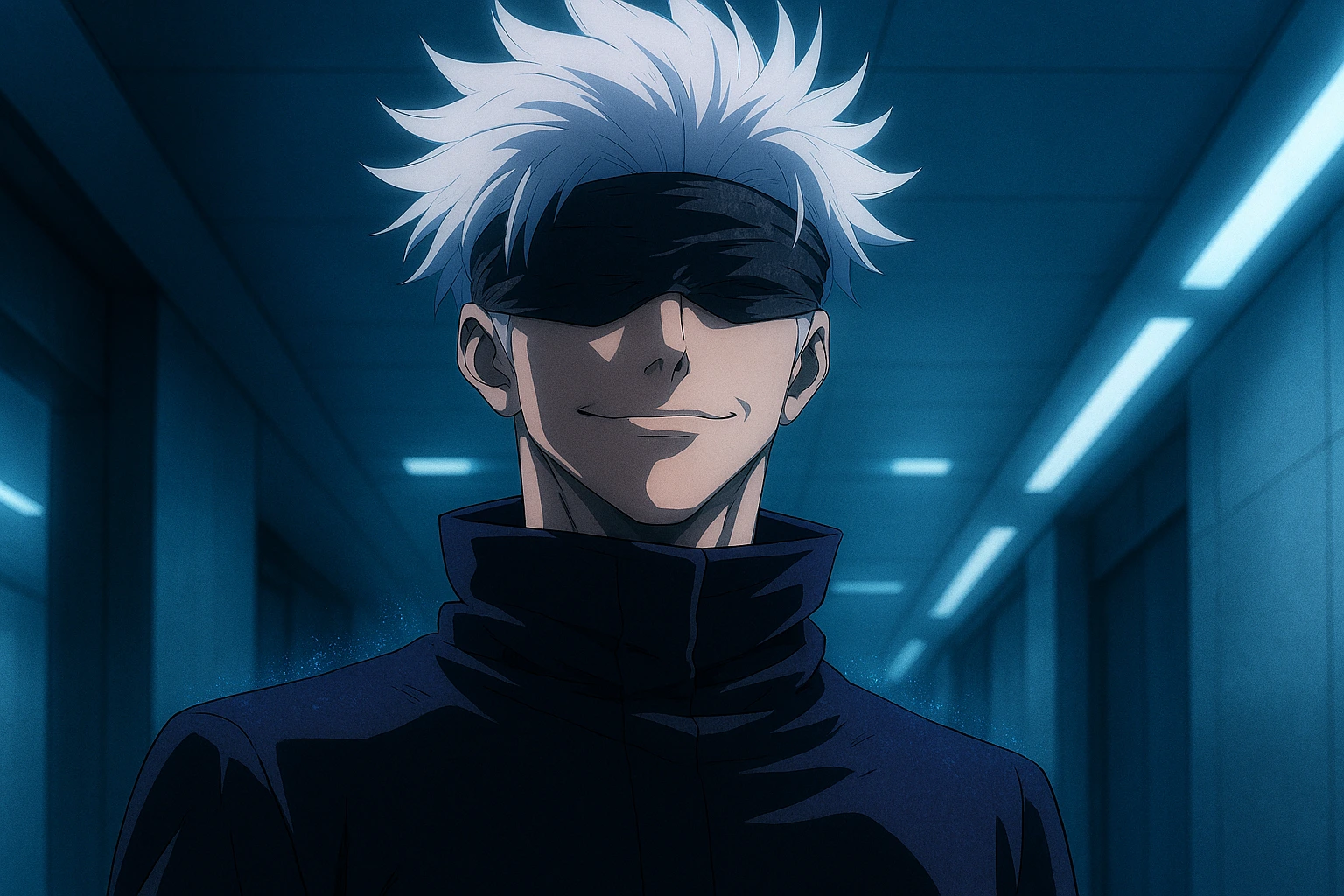
“Maybe I should just kill them all.”
When Satoru Gojo, the strongest sorcerer in modern history, uttered these words, he wasn’t speaking about the curses plaguing Japan. He wasn’t talking about Ryomen Sukuna, the King of Curses, or the Disaster Curses plotting humanity’s extinction. He was talking about his own bosses. He was talking about the “Higher-Ups.”
In the high-octane world of Jujutsu Kaisen, where blood sorcery and domain expansions dominate the visual spectacle, a silent, cancerous war is being waged in the shadows. It is not a war fought with Cursed Energy, but with bureaucracy, tradition, and fear.
At the center of this conflict sits the Jujutsu Headquarters, a mysterious council of elderly sorcerers who dictate the laws of the Jujutsu world. They are the invisible rulers, the puppet masters who pull the strings of every sorcerer from the shadows of dimly lit rooms behind traditional shoji screens.
To the casual observer, the Jujutsu Headquarters appears to be a necessary institution—a governing body designed to maintain order in a chaotic world of curses and death. They assign missions, rank sorcerers, and ensure the secrecy of the Jujutsu world is maintained to prevent mass panic among the non-sorcerer population.
However, peel back the layers of tradition and “order,” and you find a festering wound. The Higher-Ups represent the very worst of institutional power: stagnation, self-preservation, and a callous disregard for human life.
Identity: Who Are “The Higher-Ups”?
The identity of the Higher-Ups is deliberately obscured. Throughout the series, they are rarely seen as individuals. Instead, they are presented as a collective entity—silhouetted figures sitting in traditional Japanese formal wear, hidden behind screens, their voices often distorted or monotone.
This lack of individual identity is symbolic. They are not people; they are the “System.” They represent the collective will of the old guard, the conservative faction that has ruled Jujutsu society for centuries.
They are a council composed of elderly sorcerers, many of whom likely hail from minor noble families or have political connections to the Three Great Families (Zenin, Kamo, and Gojo). Their power does not stem from their combat ability—most of them would likely be decimated in seconds by a Special Grade curse—but from their political influence and their grip on the laws that govern sorcerers.
They decide who lives, who dies, who is promoted, and who is executed. They are the arbiters of “Jujutsu Law,” a rigid set of codes that prioritize the collective face of the sorcerer community over the survival of the individuals within it.
The Problem: Status Quo Over Survival
The fundamental conflict between Gojo (and by extension, the protagonists) and the Higher-Ups is not just a clash of personalities; it is a clash of ideologies. The Higher-Ups are obsessed with “maintaining the status quo.”
Their primary goal is not necessarily to save as many lives as possible or to eradicate curses effectively. Their goal is to maintain the balance of power that keeps them at the top.
In their eyes, anything that disrupts the traditional order is a threat that must be eliminated. This includes students with potential that defies categorization, like Yuji Itadori (a vessel for Sukuna) or Yuta Okkotsu (the wielder of Rika).
To a modern, pragmatic sorcerer like Gojo, these students are assets—powerful weapons that could turn the tide in the war against curses. To the Higher-Ups, they are “bugs.” They are anomalies. They are uncontrollable variables that introduce risk into a system designed for predictability.
This cowardice masquerading as wisdom is the true antagonist of the first half of Jujutsu Kaisen. While curses kill indiscriminately out of instinct, the Higher-Ups kill calculatedly out of fear. They would rather execute a teenager with potential than risk a future they cannot control. They represent a Japan stuck in the past, refusing to adapt to a world where the curses are getting stronger and the old methods are failing.
They are the managers who send soldiers to die to protect their own pensions. And as the series progresses, it becomes clear that their incompetence is just as dangerous as Sukuna’s malice.
2. The Structure of Power
To understand the enemy, one must understand how they operate. The Jujutsu Headquarters is not just a room of old men; it is the apex of a complex, feudal power structure that permeates every aspect of a sorcerer’s life.
The Hierarchy of the Jujutsu World
The political landscape of Jujutsu Kaisen operates much like a hidden government within Japan. At the very top sits Master Tengen, the immortal sorcerer whose barrier techniques protect the Jujutsu schools and dampen the activity of curses across the country.
However, Tengen is largely a passive figure, an anchor rather than a captain. He does not rule; he exists. He maintains the “foundation,” but the “house” built upon it is managed by others.
The vacuum of active leadership is filled by the Jujutsu Headquarters (The Higher-Ups). They act as the executive and judicial branches of this hidden society. They issue the mandates, and their word is absolute law. Disobeying a direct order from the Higher-Ups is tantamount to treason, often punishable by death or exile.
They control the flow of information, the distribution of cursed tools, and the assignment of grades.
The Three Great Families: The Puppeteers

Behind the Higher-Ups, and inextricably linked to them, are the Three Great Families: the Zenin, the Kamo, and the Gojo clans. These families are the aristocracy of the Jujutsu world, possessing powerful inherited techniques and vast political resources.
- The Kamo Clan: Known for their strict adherence to tradition and blood purity. They are the closest allies of the conservative Higher-Ups. Their current heir (during the Kyoto Exchange Event arc), Noritoshi Kamo, embodies this duty-bound mindset. The Kamo clan values order and bloodline above all else, making them natural pillars of the corrupt establishment. Despite their dark history with the original Noritoshi Kamo (Kenjaku), they project an image of absolute moral authority, hypocritically judging others while hiding their own stained legacy.
- The Zenin Clan: A meritocracy of power where “might makes right,” but twisted by misogyny and archaic family dynamics. While they are a powerhouse, their internal politics are messy. However, they generally align with the Higher-Ups because the current system benefits their status as elites. They view outsiders and “failures” (like Maki Zenin) with disdain, reinforcing the Headquarters’ exclusionary policies. The Zenin clan essentially acts as the “enforcers” of the traditional mindset; if you don’t have a technique, you are trash, and if you are trash, the Headquarters has no use for you.
- The Gojo Clan: Currently a “one-man army.” Satoru Gojo is the clan. Because Satoru is so powerful, he holds immense sway. The Higher-Ups cannot simply ignore the Gojo clan because Satoru alone could dismantle them. This creates a tense standoff: the Higher-Ups rule the system, but Gojo exists outside of it, untouchable yet unable to change the bureaucracy without force.
The Kyoto Stronghold vs. The Tokyo Rebellion
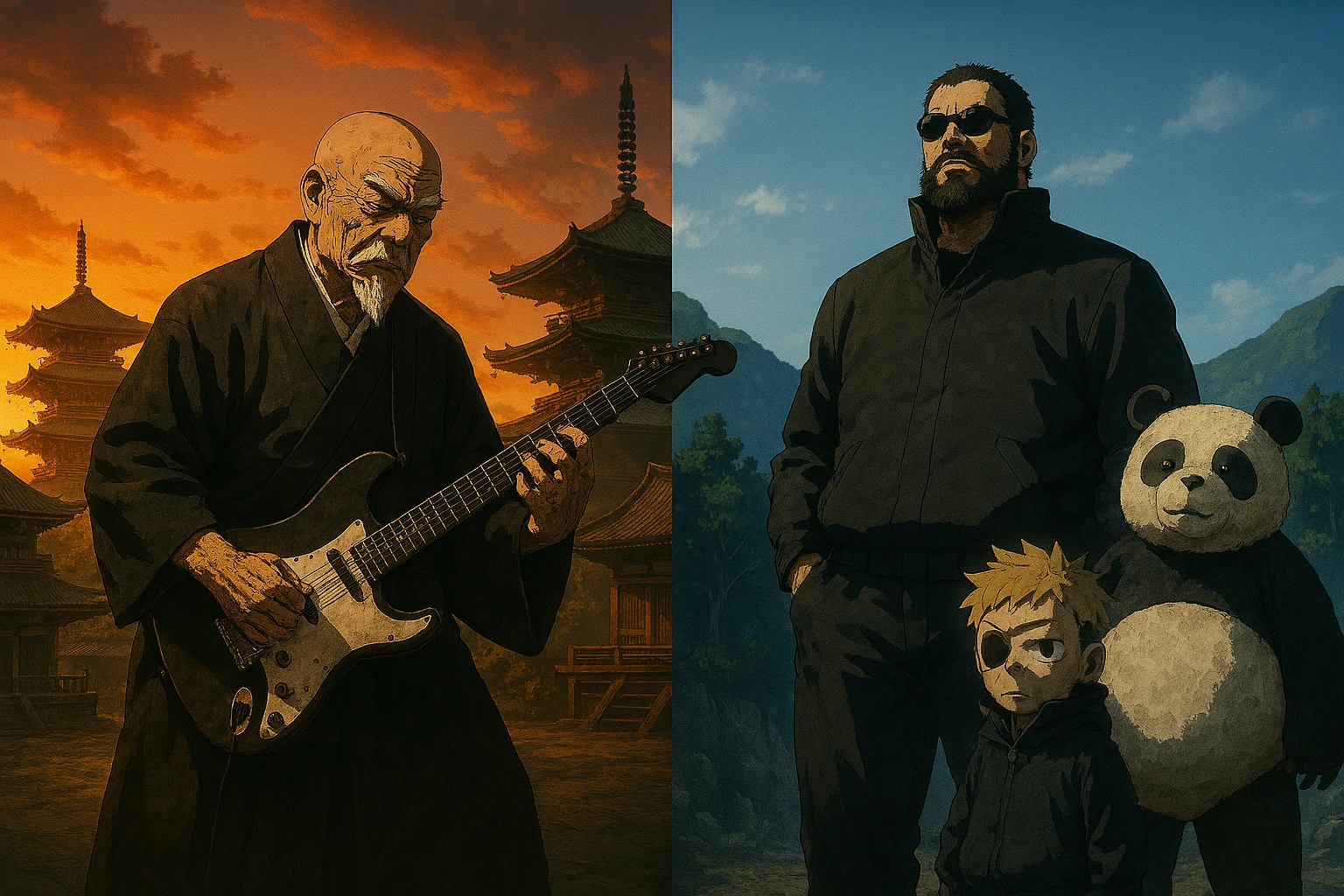
A crucial aspect of the power structure is the geographic and ideological split between the two schools.
- Kyoto Jujutsu High: This is the stronghold of conservatism. Located in the ancient capital, it is physically and ideologically closer to the Headquarters (often depicted in traditional settings). Under Principal Gakuganji, the Kyoto school operates almost as a military academy for the Higher-Ups’ enforcers. The students there are often indoctrinated to follow orders without question, viewing “non-traditional” sorcerers like Yuji as threats.
- Tokyo Jujutsu High: Under Gojo’s influence and Yaga’s sturdy (if weary) leadership, Tokyo has become the de facto headquarters of the “rebellion.” It is a sanctuary for the outcasts—the vessel of Sukuna, the cursed corpse, the heavenly restricted outcast, and the peasant girl. The Higher-Ups view Tokyo High not just as a school, but as a rogue state within their own borders. This is why the “Exchange Events” are so politically charged; it is a proxy war between the Old Guard (Kyoto) and the New Wave (Tokyo).
The Principals: The Middlemen
Below the Headquarters are the principals of the two Jujutsu Educational Institutions: Tokyo and Kyoto.
- Principal Masamichi Yaga (Tokyo): A man of integrity who often finds himself caught between the absurd orders of his superiors and the safety of his students. He acts as a shield, often filtering the worst of the Higher-Ups’ intent, but he is still bound by the chain of command. He represents the “good soldier”—trying to do right from within a broken system. His eventual fate proves that in a corrupt system, even the good soldier is eventually marked for death.
- Principal Yoshinobu Gakuganji (Kyoto): The embodiment of the Headquarters’ will. An elderly conservative who believes blindly in the rules. He is often the direct instrument of the Higher-Ups’ will, such as when he ordered his students to kill Yuji Itadori during the Exchange Event. Gakuganji isn’t necessarily “evil” in his own mind; he simply believes that order is more important than individual morality. He represents the banality of following orders.
“Windows” and Managers: The Cog in the Machine
At the bottom of the administrative pile are the “Windows” (Madoguchi) and the Assistant Managers (like Kiyotaka Ijichi and Akari Nitta).
- Windows: These are non-sorcerers or low-level users who can see curses. They act as the surveillance network, reporting curse sightings to Headquarters. They are the eyes of the system.
- Assistant Managers: These are the suffering backbone of Jujutsu High. They drive the cars, cast the “Curtain” (Echolocation barriers), and brief sorcerers on missions. They are constantly stressed, overworked, and caught in the crossfire.
- The Higher-Ups treat them as expendable clerks. If a mission goes wrong because of bad intelligence (which is often the Headquarters’ fault), it is usually the managers like Ijichi who get screamed at—or worse.
Funding and Secrecy
How does this organization exist? While not explicitly detailed in every budget line, it is implied that the Jujutsu Headquarters has deep ties to the Japanese government. They function as a secret agency. The government funnels money into the organization to keep the curse problem contained.
This financial and political connection is crucial. The Higher-Ups are not just protecting the world from curses; they are protecting the secret of curses. This need for secrecy fuels their paranoia. A public incident is a failure. A student they can’t control is a leak waiting to happen.
This is why they are so quick to execute—dead men tell no tales, and dead vessels cause no public panics. They operate under the doctrine that the public cannot handle the truth, justifying their authoritarian grip as a “necessary evil.”
3. Why Gojo Hates Them (The Ideological War)
To understand the depth of the corruption, we must look through the eyes of the man who sees everything: Satoru Gojo via the Six Eyes. His hatred for the Higher-Ups is the driving force of his character arc, arguably more so than his rivalry with Sukuna.
The “Reset” Dilemma
Early in the series, after Yuji dies (temporarily) at the detention center, Gojo is seething with rage. He looks at his colleague, Shoko Ieiri, and drops the bombshell: “Maybe I should just kill them all.”
This is not an idle threat. Gojo Satoru has the power to walk into the Jujutsu Headquarters and slaughter every single elder within five minutes. No one could stop him. He could burn the entire political establishment to the ground before his morning coffee gets cold.
So, why doesn’t he?
This is the central dilemma of Gojo’s character. He is a god living among mortals, but he refuses to rule as a tyrant.
The Explanation: The Hydra Problem
Gojo explains his reasoning clearly. “It would be easy,” he admits. But it wouldn’t change anything. If he killed the current Higher-Ups, he would just be replacing one set of rotten elders with another. The fear and resentment would remain. The system that produced those elders would still be intact.
Furthermore, ruling through fear would make Gojo no different from the villains. He would be a dictator, and eventually, people would rise up against him, or the society would collapse into anarchy. A coup d’état brings a change of management, not a change of culture.
Gojo realized that simply cutting off the head of the snake wouldn’t work if the body was diseased. He understands that systemic corruption requires a systemic cure, not a surgical strike.
The Solution: Education as a Weapon
Instead of a violent revolution, Gojo chose a cultural one. He chose education.
“I want to reset this garbage Jujutsu world. That’s why I turned to education.”
Gojo’s plan is a “long game.” He dedicated himself to teaching at Jujutsu High not because he likes grading papers (he clearly hates paperwork), but because he is cultivating a garden of strong, independent sorcerers.
He is raising a generation that will not just be powerful in terms of combat, but strong enough to ignore the Higher-Ups entirely.
He is banking on students like:
- Yuji Itadori: Who possesses a heart of gold and the physical vessel to contain the King of Curses.
- Megumi Fushiguro: The heir to the Zenin clan’s prized Ten Shadows technique, who has the potential to surpass Gojo himself.
- Kinji Hakari: A wild card with a modern, rebellious spirit.
- Yuta Okkotsu: A prodigy with boundless cursed energy.
Gojo’s goal is to create a wave of sorcerers so undeniably powerful and numerous that the old men in the Headquarters become irrelevant. He wants to drown out their conservative whimpering with the roar of a new, stronger generation.
The Philosophy of the “Blue Spring” (Ao no Sumika)

Deepening Gojo’s motivation is his own lost youth. The tragedy of Hidden Inventory (Gojo’s Past Arc) taught him the value of youth. He watched Suguru Geto’s youth be consumed by the darkness of the Jujutsu world—a darkness perpetuated by the Higher-Ups’ negligence.
Gojo often repeats that “no one should take away the youth from the young.” This is a direct political rebellion against the Higher-Ups. The Headquarters views children as soldiers; Gojo views them as people. By insisting that his students attend baseball games, go shopping, and have fun, Gojo is actively sabotaging the Higher-Ups’ indoctrination process.
He is trying to ensure his students have something to live for, rather than just something to die for. This humanistic approach is his greatest weapon against the dehumanizing machinery of the Headquarters.
The Fear Factor
The dynamic between Gojo and the Higher-Ups is defined by fear. The Higher-Ups are terrified of Satoru Gojo. He is the ultimate anomaly—a power they cannot regulate, legislate, or eliminate.
Because they cannot touch Gojo directly, they target the things he cares about. This is the pettiest and most disgusting aspect of their rule. They send his students on suicide missions (like the Cursed Womb arc). They try to execute Yuji when Gojo is away on business.
They weaponize the rules to hurt him indirectly. It is the tactic of cowards who are bullying the children of the man they are too afraid to fight. They know Gojo plays by the rules only because he chooses to, and they constantly test the limits of his patience.
4. A History of Corruption (Case Studies)
The Higher-Ups’ incompetence isn’t just theoretical; it has a body count. Throughout the history of Jujutsu Kaisen, their decisions have consistently led to disaster, creating villains and killing heroes.
Case 1: The Tragedy of Suguru Geto
The fall of Suguru Geto is the original sin of the modern Jujutsu era, and the blood is largely on the Higher-Ups’ hands.
In the Hidden Inventory arc, Gojo and Geto are tasked with protecting the Star Plasma Vessel, Riko Amanai. The mission fails, Riko is killed, and the applause of the Star Religious Group breaks Geto’s mind. But look at the logistics of that mission. The Higher-Ups assigned two teenagers—albeit strong ones—to protect the linchpin of the entire Jujutsu world against professional sorcerer killers like Toji Fushiguro.
More importantly, the system created the environment where young sorcerers are forced to consume the negativity of humanity (consuming curses) without mental support. Geto’s descent into madness was fueled by the “monkey” non-sorcerers, but it was the Higher-Ups’ utilitarian view of sorcerers as mere tools that left him isolated. They treat sorcerers as machines; when Geto began to malfunction, there was no help, only the inevitable order to execute him later. They created the villain that would haunt them for a decade.
Case 1.5: The Mole Incident (Mechamaru)
Before the Shibuya Incident, it is revealed that there is a mole within the schools providing information to the curses. This mole turns out to be Kokichi Muta (Mechamaru). While Muta’s betrayal is a crime, it is also a symptom of the Higher-Ups’ failure.
Muta was born with a Heavenly Restriction that left him in constant, agonizing pain. The Higher-Ups offered no solution, no healing, and no hope. He was just another asset to be deployed. It was the villains (Mahito and Kenjaku) who offered him a body and a chance at a normal life.
Muta’s betrayal signifies a massive failure of the institution to care for its own. If the Headquarters had provided support or resources to heal him, or at least acknowledged his suffering, he might never have turned. Instead, their negligence created a vulnerability that Kenjaku easily exploited, leading to the breach of security that allowed the Shibuya Incident to occur.
Case 2: The Execution of Yuta Okkotsu (JJK 0)
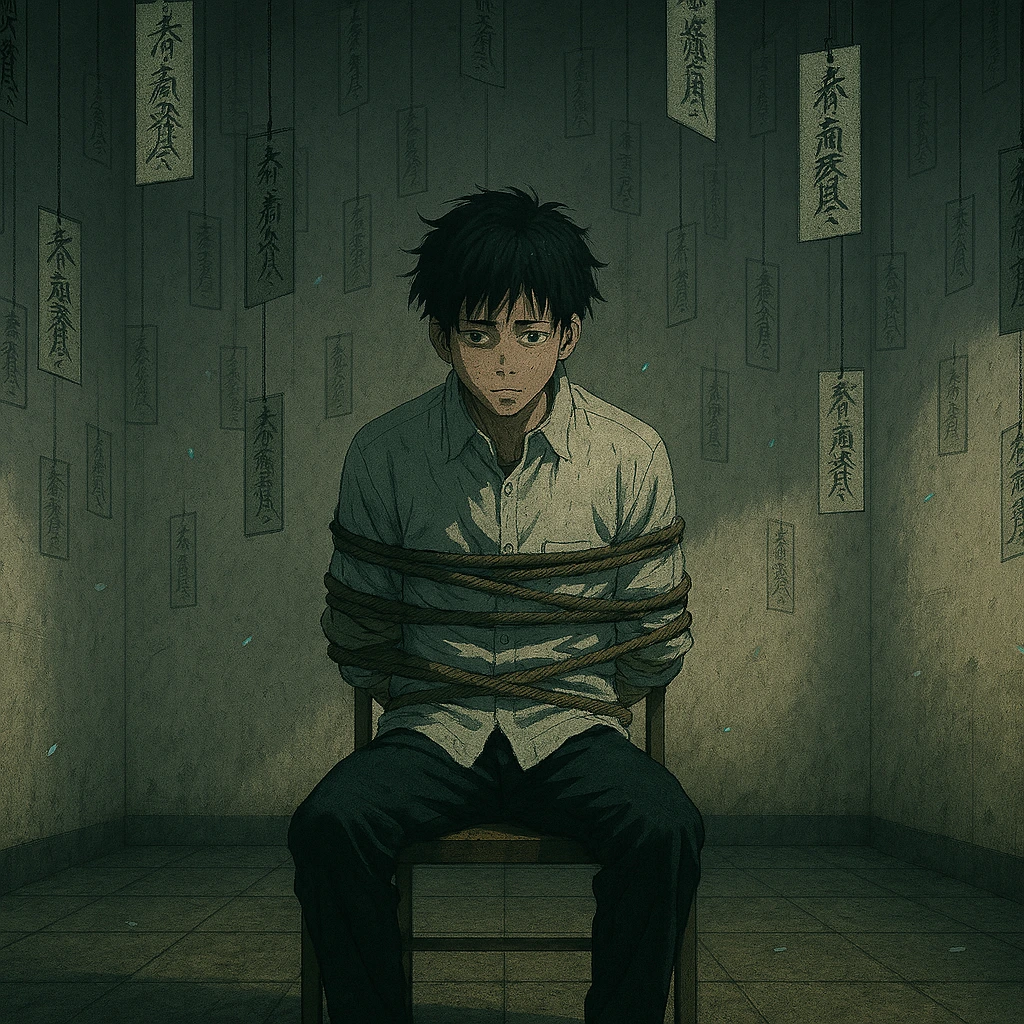
In Jujutsu Kaisen 0, we see their playbook clearly. A confused, scared boy (Yuta) is cursed by Rika. The Higher-Ups’ immediate, knee-jerk reaction is: Kill him.
They brought Yuta in for a secret execution. They didn’t care that he was a victim. They didn’t care about his potential. They saw a problem, and their only tool was a hammer. It took Gojo putting his foot down—essentially threatening violence—to get them to suspend the sentence.
If the Higher-Ups had their way, Yuta Okkotsu, the future Special Grade who would save civilians countless times, would have been dead in a cell at age 16. Their conservatism is actively detrimental to humanity’s survival. They would essentially throw away a nuclear deterrent because they were afraid of the launch codes.
Case 3: The Juvenile Center (Season 1)
This is the most blatant attempt at internal assassination. A Special Grade Cursed Spirit (Sukuna’s finger bearer) appears at a detention center. This is a mission for a Special Grade sorcerer, or at least a team of Grade 1s.
Who do the Higher-Ups send? Three first-year students.
They sent Yuji, Megumi, and Nobara. Kiyotaka Ijichi, the manager, was visibly distressed by this, knowing it was a death sentence. The Higher-Ups knew exactly what they were doing. They utilized the emergency to send the vessel of Sukuna (Yuji) into a blender, hoping the curse would kill him so they wouldn’t have to deal with the politics of executing him themselves.
It was a setup. They were willing to sacrifice Megumi (a prized Zenin heir) and Nobara just to ensure Yuji died. This incident proves that they value their political agenda over the lives of the students they are sworn to protect. They viewed the loss of Megumi and Nobara as “acceptable collateral damage” to eliminate the threat of Sukuna’s vessel.
Case 4: The Shibuya Aftermath
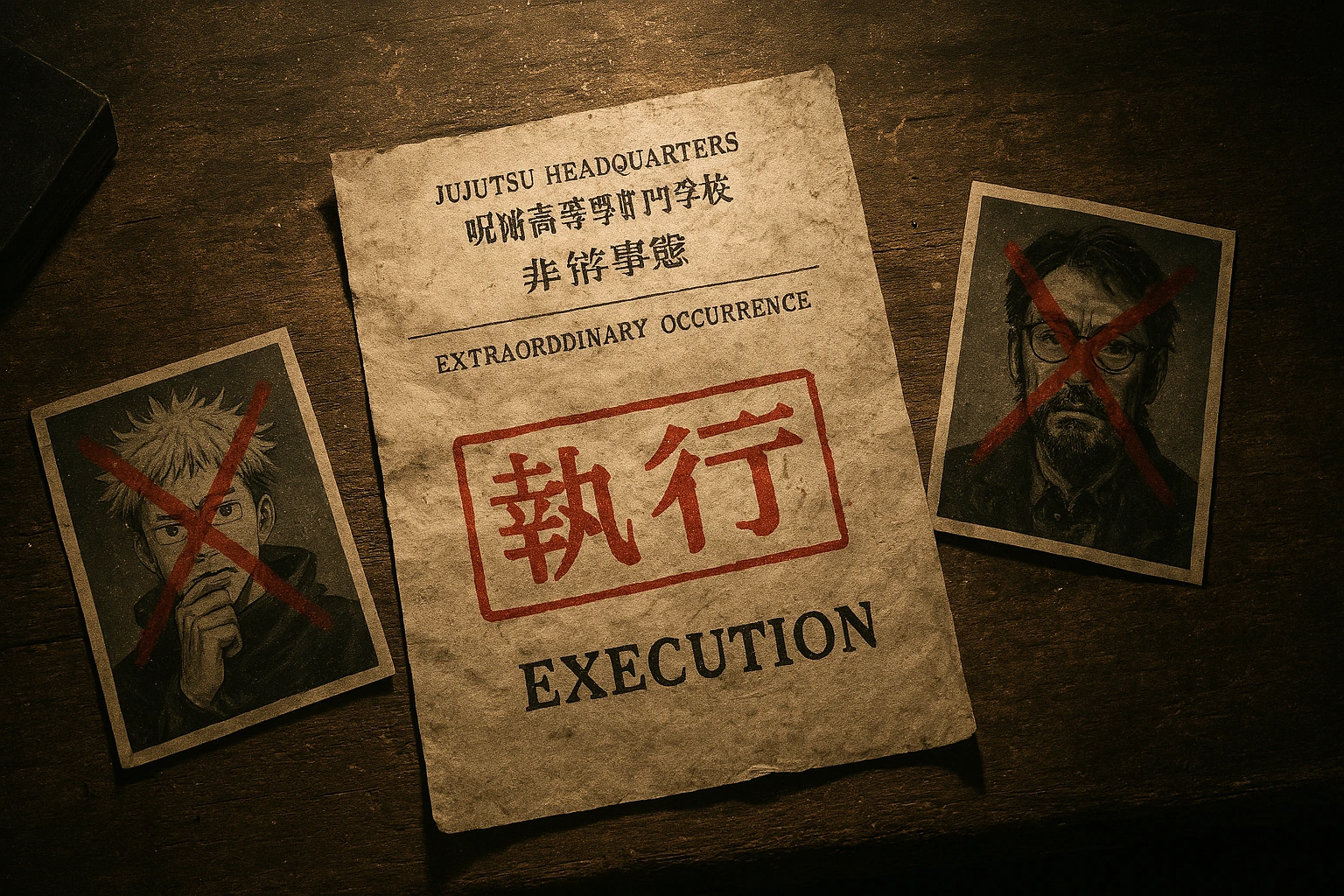
The Shibuya Incident was a national tragedy. Thousands dead, a city destroyed, and Gojo Satoru sealed in the Prison Realm. In this moment of crisis, humanity needed leadership. They needed unity.
What did the Jujutsu Headquarters do? They used the chaos to settle personal scores.
Immediately following Shibuya, they issued Notice 108. The orders were chilling:
- Suguru Geto (pseudo-Geto/Kenjaku): Confirmed specifically for death sentence. (Reasonable).
- Satoru Gojo: Declared an accomplice in the Shibuya Incident. Unsealing him is now a criminal act. Result: Permanent Exile/Banishment.
- Masamichi Yaga: Sentenced to death for “inciting” Gojo and Geto.
- Yuji Itadori: Death sentence reinstated immediately. Executioner: Yuta Okkotsu.
This is the height of their corruption. Blaming Gojo for Shibuya—when he was the only one holding the line—was a blatant power grab. With the “God” of Jujutsu sealed, the mice came out to play. They moved to kill Yaga (to remove a moral leader), kill Yuji (their obsession), and legally bind anyone from bringing Gojo back. They prioritized securing their own power over the fact that Kenjaku was literally planning to destroy Japan.
5. The End of the Old Guard (Spoiler/Manga Territory)
The tragic irony of the Higher-Ups is that for all their scheming to maintain order, they were utterly defenseless against the true chaos of the Culling Games.
The Culling Game Reality
As the Culling Games began, the “order” the Higher-Ups cherished so much evaporated. Kenjaku, the ancient sorcerer, didn’t just outplay them; he walked right over them. It is revealed that Kenjaku had infiltrated the Headquarters, killing those who opposed him and seizing control of the rest.
The Higher-Ups, who thought they were the chess masters, were merely pawns. Their isolationism and secretive nature made them easy to replace. Kenjaku utilized their authority to hunt the protagonists, proving that a centralized, corrupt authority is the perfect tool for a villain to hijack.
By creating a system where orders are followed blindly, the Higher-Ups created the perfect mechanism for Kenjaku to command the entire Jujutsu society simply by taking the seat at the head of the table.
The Cleanup
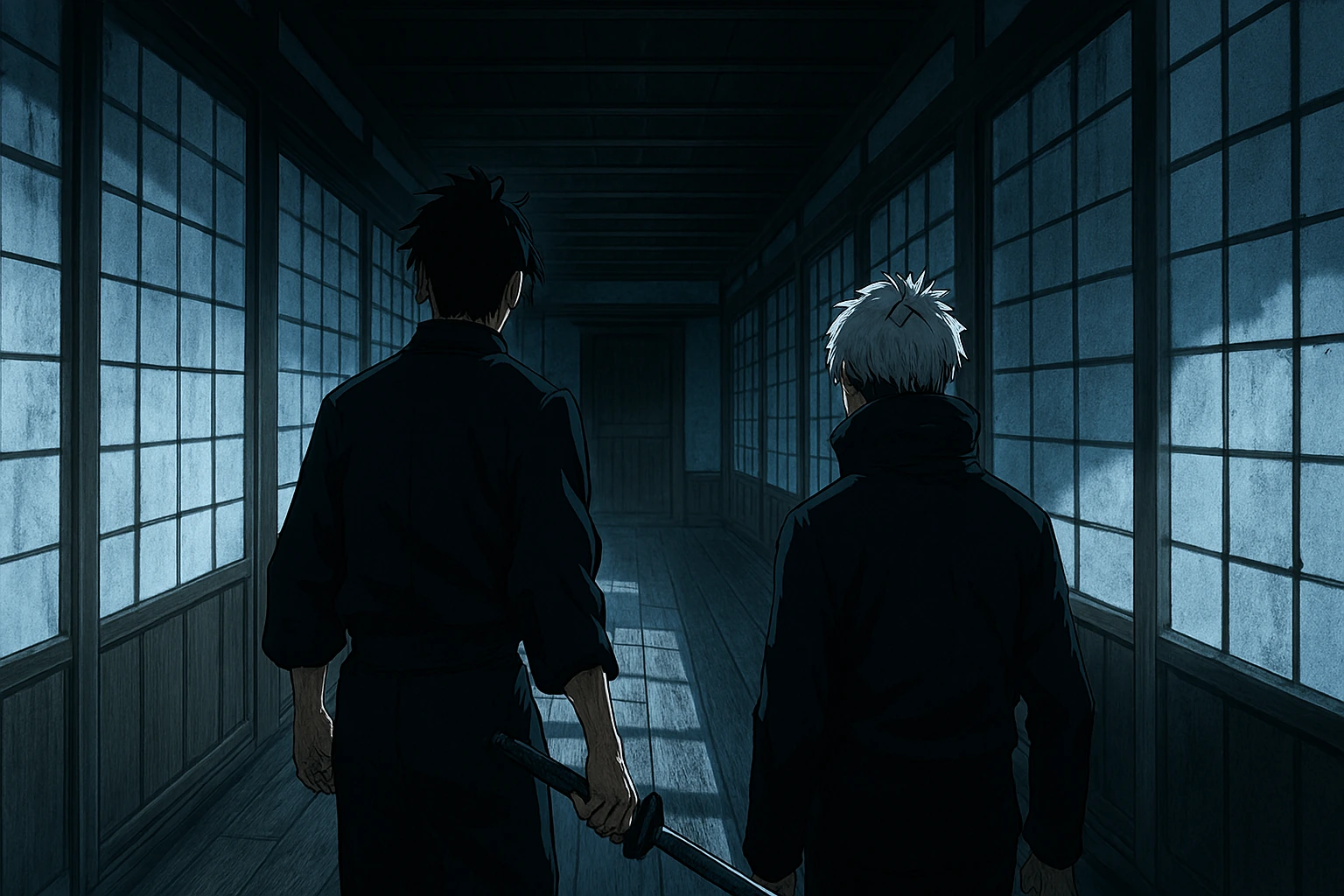
In the later chapters of the manga, specifically leading up to the final showdowns, we see the grim resolution of the Higher-Ups’ storyline. It is implied—and later shown—that Yuta Okkotsu and Toge Inumaki (among others) paid a visit to the Headquarters.
In a panel that mirrors Gojo’s “I should just kill them all” fantasy, we see the Higher-Ups slaughtered. But this wasn’t a tantrum; it was a necessary surgical removal. Gojo and his students finally realized that you cannot fight a war on two fronts.
You cannot fight Sukuna and Kenjaku while your own bosses are stabbing you in the back. The “reset” that Gojo dreamed of didn’t come from education alone; it ultimately required the blade. But it was wielded by the students he raised, protecting the future he believed in.
The old guard was wiped out. Not by a curse, but by the very students they tried to oppress.
The Lesson of the Zenin Massacre
Paralleling the fall of the Headquarters is the destruction of the Zenin Clan by Maki. The Zenin clan was the microcosm of the Higher-Ups’ ideology: power, patriarchy, and pride. When Maki slaughtered them, she wasn’t just killing her family; she was destroying the enforcement arm of the traditional Jujutsu world.
The fall of the Zenin clan and the Headquarters signifies the total collapse of the old infrastructure. It proves that conservatism cannot survive in a world of evolving curses. When threats like Mahito (who evolves in battle) and Sukuna (who understands the true essence of Jujutsu) exist, sticking to “tradition” is suicide.
The Higher-Ups refused to adapt. They refused to accept that power levels were rising and that the definition of a “sorcerer” needed to change. They clung to the rules of the Heian era in modern Tokyo, and it cost them their lives.
6. Conclusion: A New Dawn?
The Jujutsu Headquarters and the Higher-Ups serve as the primary “human antagonists” of the series. They are the wet blanket on the fire of youth, the bureaucratic wall that our heroes constantly have to smash through.
While characters like Sukuna represent the horror of nature and carnage, the Higher-Ups represent the horror of society—the banality of evil found in stamped paperwork and closed-door meetings. They remind us that sometimes, the people in charge are not the good guys; they are just the guys with the most to lose. Their story is a warning against institutional decay and the danger of valuing procedure over people.
However, there is a glimmer of nuance. Principal Gakuganji, after killing his friend Yaga on the Higher-Ups’ orders, undergoes a subtle shift. He learns the secret of creating Panda (cursed corpses) but chooses not to tell the Higher-Ups, defying them for the first time. It suggests that even within the old guard, change is possible—but usually, it comes too late.
With the Higher-Ups gone, the future of the Jujutsu world is uncertain but hopeful. It is a world that belongs to the students—to Hakari, Yuta, Maki, and Yuji. They have inherited a broken world, but at least they are now free to fix it in their own way, without the shadowy hand of the elders holding them back. They are the “Blue Spring” that has finally broken through the long, harsh winter of the Higher-Ups’ rule.
But who protects the very foundations of this world? Who maintains the barriers that keep the schools hidden and the curses at bay? To understand the metaphysical bedrock of Jujutsu society, we must look even higher than the Higher-Ups.