
Introduction
The Paradigm Shift
In the vast and constantly evolving landscape of My Hero Academia, the concept of villainy has undergone numerous transformations. From the disorganized street thugs of the early seasons to the ideological zealotry of the Hero Killer: Stain, and the organized crime syndicate of the Shie Hassaikai, villains have always been a reactive force to the Pro-Hero society.
However, the formation of the Paranormal Liberation Front (PLF) represents a terrifying, unprecedented paradigm shift. The PLF cannot be accurately defined merely as a villain group; it is the most formidable, heavily armed, and politically entrenched domestic terror organization in the history of the universe created by Kohei Horikoshi.
This was not a gang seeking a quick heist or a localized syndicate fighting for turf; this was a fully realized, self-sustaining shadow government with the explicit goal of dismantling a nation. The PLF operated with the logistical precision of a military superpower, possessing an infrastructure that the Hero Public Safety Commission (HPSC) could barely comprehend, let alone dismantle through conventional means.
From Scraps to Sovereignty
To understand the sheer magnitude of the PLF, one must first examine the monumental, almost unbelievable upgrade experienced by its core leadership: The League of Villains. Prior to the events of the Meta Liberation Army Arc, Tomura Shigaraki and his vanguard were destitute. They were a broke, hunted, and exhausted gang of nine individuals hiding in the fringes of society, stripped of their benefactor, All For One, and lacking the resources to even feed themselves properly.
They were scavengers. Yet, in the span of a single, apocalyptic clash in Deika City, this ragtag group of societal rejects instantly inherited a standing army of over 100,000 fanatically loyal soldiers. But the manpower was only a fraction of the prize. The League inherited billions of dollars in corporate funding, a sophisticated satellite communication network, legal manufacturing plants for military-grade support items, and a subtle but powerful political empire with tendrils deep within the Japanese government.
The transition from scraps to sovereignty was absolute. Shigaraki went from a squatter in an abandoned warehouse to the supreme commander of a nation-ending armada.
Article Scope
This article serves as the definitive, expert-level breakdown of the Paranormal Liberation Front. We will bypass surface-level summaries to conduct a deep, analytical autopsy of the organization. We will explore the psychological and physical subjugation of the Meta Liberation Army, the genius behind the rebranding of the front, and the meticulous military hierarchy that bridged the chaotic nature of the League with the disciplined infrastructure of the MLA.
Furthermore, this piece will dissect the PLF’s devastating four-regiment tactical organization, its corporate and political dominance, the terrifying integration of Dr. Garaki’s Nomu laboratories, and the underlying, fatal ideological compromise that bound these two disparate forces together. By the end of this comprehensive analysis, the true scope of the existential threat posed by the Paranormal Liberation Front will be unequivocally clear.
The Deika City Aftermath (The Surrender)
The Broken King
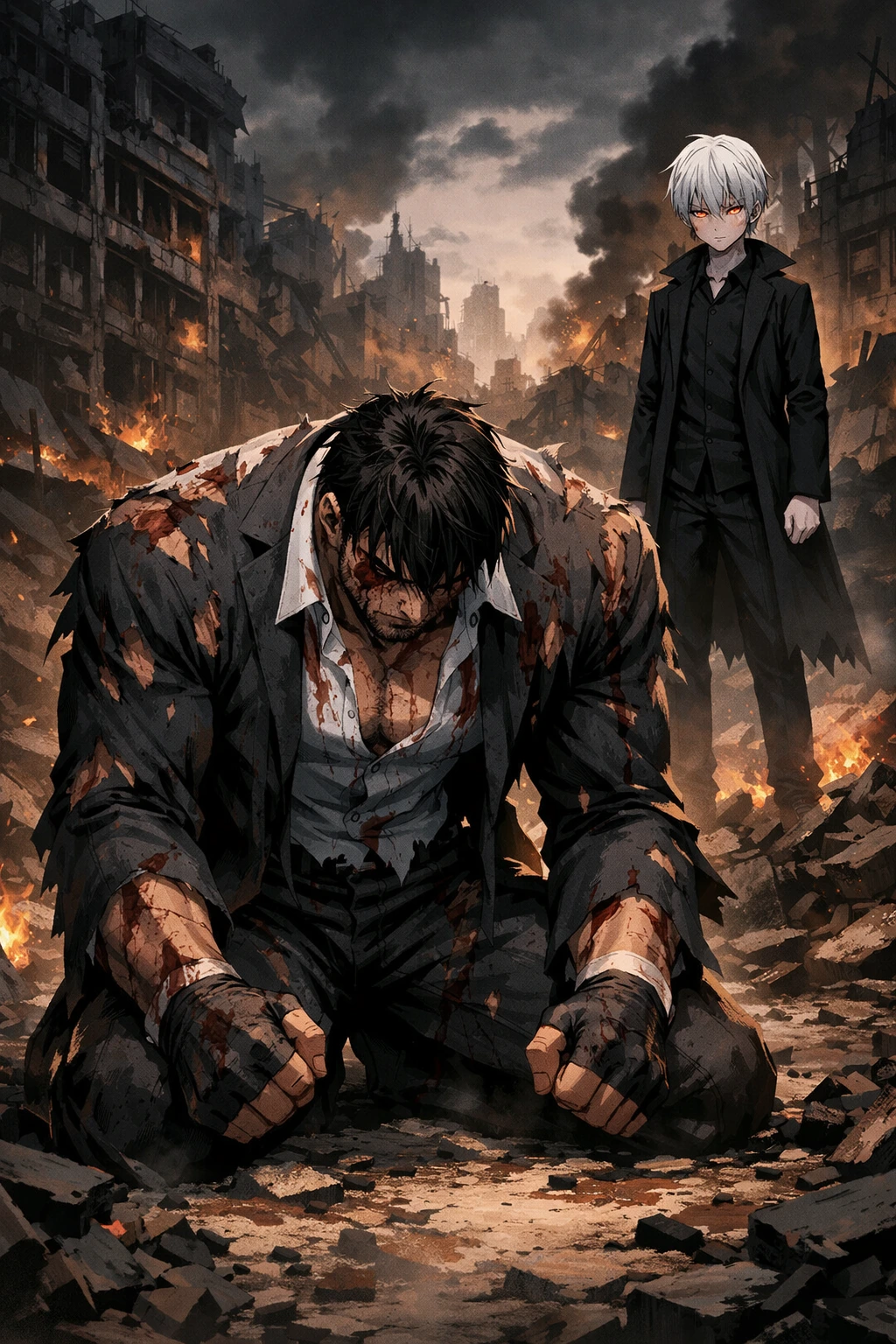
The birth of the Paranormal Liberation Front was baptized in the ash and shattered concrete of Deika City. The climax of this conflict was not merely a physical victory for Tomura Shigaraki, but the absolute psychological annihilation of Rikiya Yotsubashi, known as Re-Destro.
Re-Destro was not a man of simple ambition; he was the scion of Destro, raised his entire life to believe that his bloodline and his Quirk-centric ideology made him the ultimate, superior leader destined to reshape society. His “Stress” Quirk was a physical manifestation of his burdened lineage. Yet, when Shigaraki’s “Decay” Quirk underwent an awakening, it didn’t just disintegrate the city block; it disintegrated Re-Destro’s worldview.
Shigaraki, operating on pure, unadulterated instinct and a desire for absolute destruction, displayed a level of liberation that Re-Destro could only philosophize about. When Re-Destro amputated his own legs to survive the Decay, it was the ultimate symbol of his defeat. The physical amputation mirrored the severing of his lifelong belief in his own supremacy. He realized, in a moment of terrifying awe, that true liberation was not a political movement, but the raw, unchained chaos embodied by Shigaraki.
The Subjugation of the Army
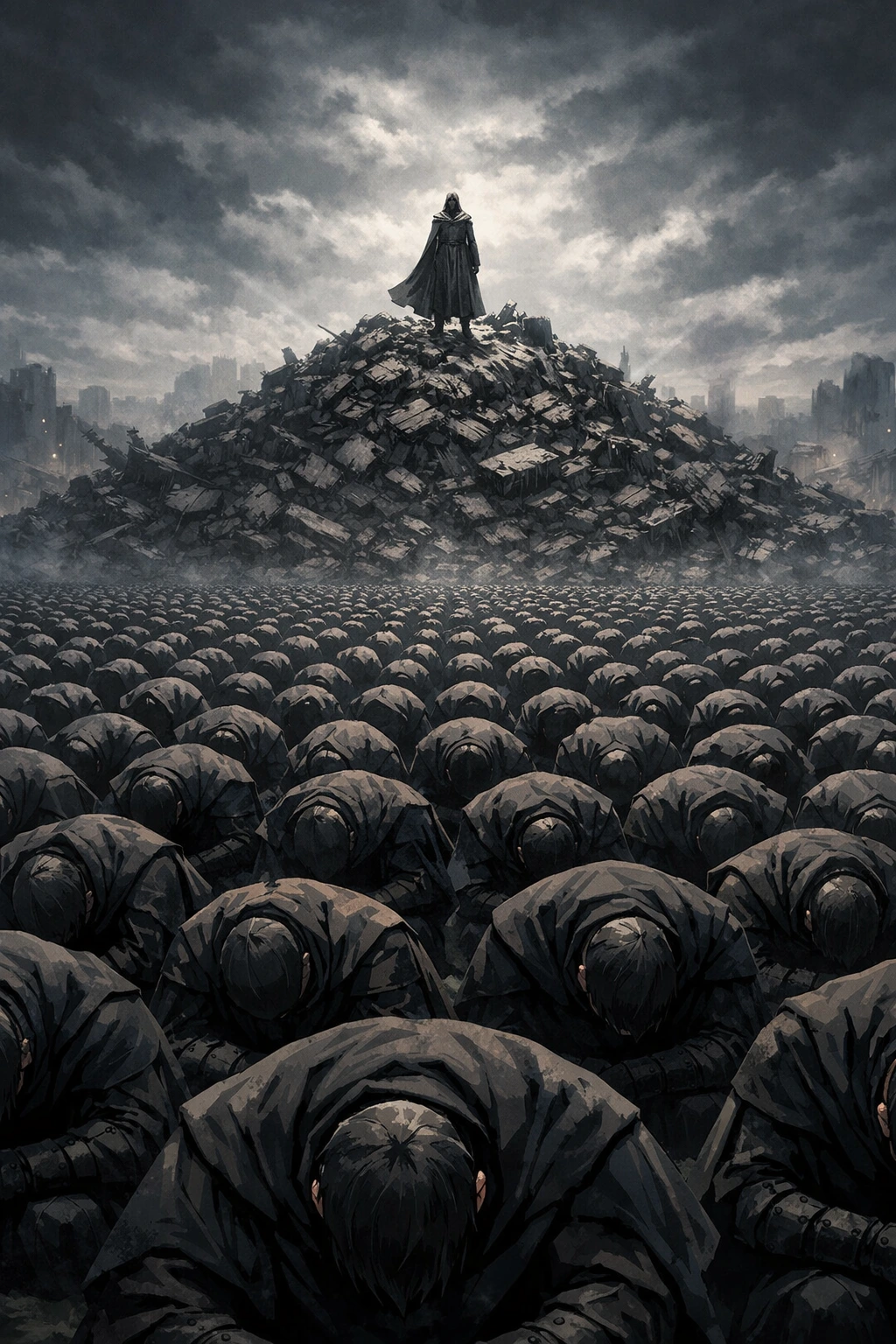
The surrender of an army of 100,000 deeply radicalized individuals to a gang of street criminals is a logistical impossibility in the real world, but within the context of the Meta Liberation Army’s core philosophy, it made terrifying sense. Why did 100,000 fanatical members of the MLA bow their heads to Tomura Shigaraki?
Because the very foundation of Destro’s teachings dictates that a person’s worth is tied to the strength and uninhibited expression of their Meta Ability (Quirk). The MLA respected absolute power above all else. When they witnessed Shigaraki level an entire city with a single touch, laughing maniacally as he embraced his trauma and power, they did not see a villain; they saw a walking deity. Shigaraki became the living, breathing manifestation of their holy text. They fanaticized his power. To the MLA soldiers, Shigaraki was the ultimate “Liberated” individual, unbound by laws, morals, or societal expectations. Their subjugation was not born of coercion, but of religious reverence.
The Rebranding
The immediate aftermath of the Deika City incident required a masterful stroke of public relations to synthesize these two factions. The decision to drop the word “Villain” entirely and rename the merged organization the “Paranormal Liberation Front” was a stroke of strategic brilliance.
The term “villain” carries a societal stigma—it implies illegality, malice, and a reactionary status to “heroes.” By adopting “Paranormal,” they reclaimed the original, pre-regulation terminology for Quirks (Meta Abilities/Paranormal Abilities), appealing to historical purists. By using “Liberation,” they framed their movement as a righteous crusade for human rights, rather than a criminal enterprise.
This rebranding allowed the organization to appeal to a much broader, disillusioned demographic. Citizens who would never associate with the “League of Villains” might secretly sympathize with a “Liberation Front” that promised freedom from strict governmental oversight. It was the weaponization of language, transforming a terrorist organization into a shadow political movement.
The New Hierarchy (The Nine Lieutenants)
The sheer scale of the Paranormal Liberation Front demanded a radical restructuring of leadership. Shigaraki could not manage 100,000 troops the way he managed a handful of misfits. The resulting hierarchy was a delicate, brilliant compromise that bridged the gap between the chaotic, destructive impulses of the League and the highly organized, corporate infrastructure of the MLA.
Grand Commander Shigaraki
At the absolute apex of this new empire sat Tomura Shigaraki, the Grand Commander. However, Shigaraki’s role was largely that of a figurehead, ruling by absolute fear, respect, and cult of personality rather than through administrative oversight. Shigaraki had no interest in the minutiae of troop deployments, supply chains, or public relations.
His ascension allowed him to delegate the tedious realities of running an army to those qualified, while he stepped away to prepare for his true purpose. Shigaraki entrusted the daily operations to his lieutenants so that he could undergo Dr. Kyudai Garaki’s agonizing, months-long physical augmentation surgery to inherit the original All For One Quirk. Shigaraki was the nuclear deterrent; his mere existence and the promise of his awakened power kept the massive army united and compliant.
The Inner Circle (The Vanguard)
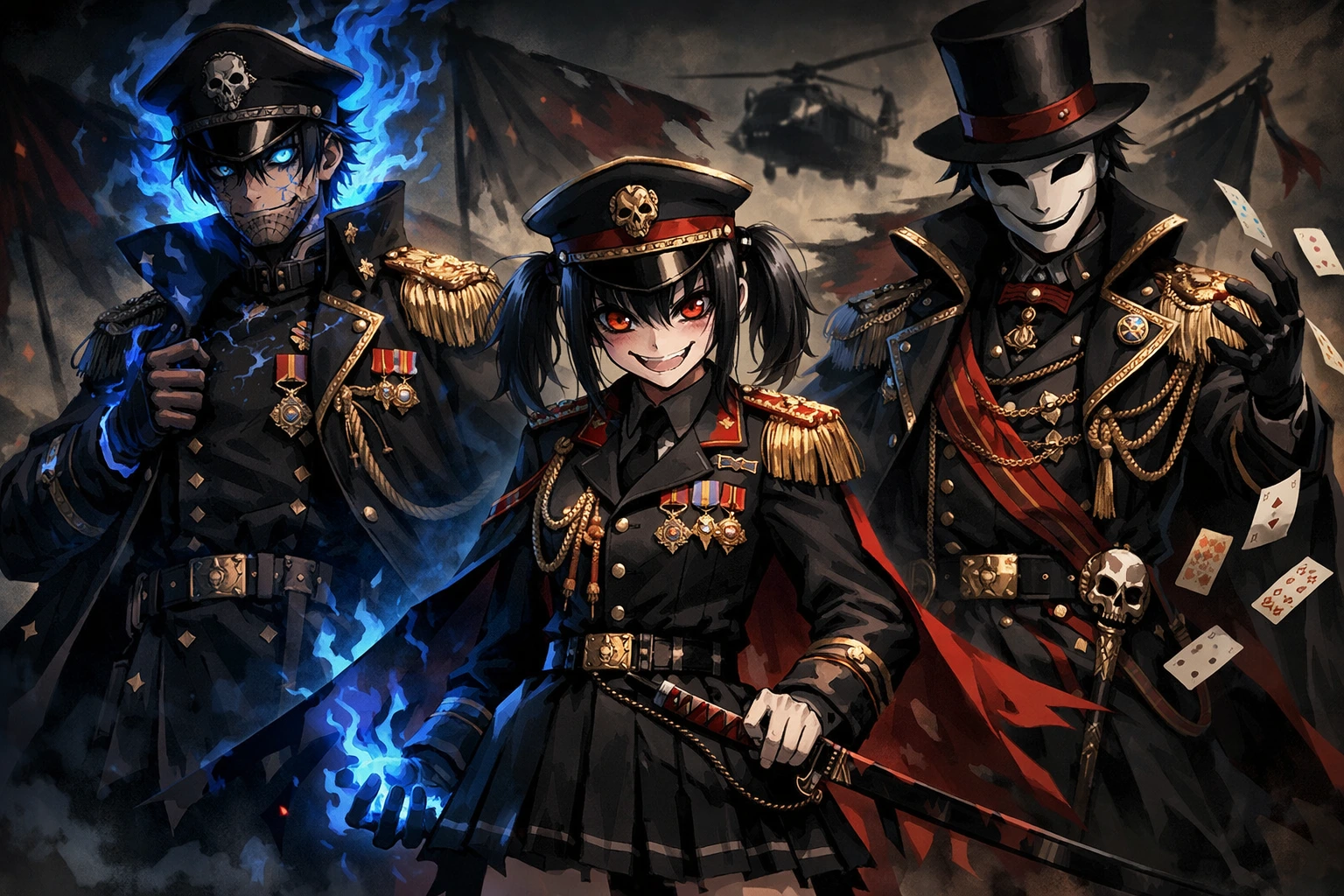
Directly beneath Shigaraki, the original surviving members of the League of Villains—Dabi, Himiko Toga, Twice (Jin Bubaigawara), Spinner (Shuichi Iguchi), and Mr. Compress (Atsuhiro Sako)—were instantly elevated to the status of high-ranking military generals.
This transition was jarring but necessary. These were individuals accustomed to hiding in alleys, suddenly given command over tens of thousands of trained soldiers. Their elevation was a statement by Shigaraki: loyalty and survival in the trenches with him trumped the corporate pedigrees of the MLA elite.
Each Vanguard member was given a regiment tailored to their specific, albeit chaotic, skill sets. They represented the “soul” of the PLF—the raw, anti-establishment rage that gave the movement its terrifying edge.
The MLA Executives (The Infrastructure)
While the League provided the spirit and the figurehead, the retained executives of the Meta Liberation Army—Re-Destro, Skeptic (Tomoyasu Chikazoku), Trumpet (Koku Hanabata), and Geten—provided the indispensable infrastructure. Shigaraki, despite his power, was a pragmatist; he knew he lacked the brains, the money, and the administrative skills to run a nation-spanning army.
He needed Re-Destro’s corporate empire, Skeptic’s technological mastery, Trumpet’s political influence, and Geten’s martial discipline. These executives were forced to swallow their pride and serve under the League, but they were granted immense operational control.
They were the architects managing the war machine, ensuring that the League’s destructive whims were backed by steady supply lines, secure communications, and strategic troop movements. It was a symbiotic relationship built on a foundation of mutual necessity and underlying tension.
The Military Regiments (Tactical Organization)
To effectively deploy an army of 100,000 soldiers with wildly varying Quirk abilities, the PLF instituted a highly specialized, color-coded regimental system. This tactical organization maximized the utility of every soldier, turning a mob into a multi-faceted military force.
Vanguard Action Intelligence Regiment (Carmine)
Co-commanded by the sociopathic fire-user Dabi and the neurotic tech-genius Skeptic, the Carmine Regiment was the intelligence backbone of the PLF. This pairing was intentionally abrasive but highly effective.
The division focused exclusively on cyber warfare, espionage, surveillance, information control, and infiltration. Skeptic utilized his vast network of satellites, hidden cameras, and hacking protocols to monitor Pro-Hero movements and manipulate digital footprints.
Dabi, on the other hand, handled the human intelligence aspect, specifically managing the infiltration and precarious relationship with the Pro-Hero Hawks. The Carmine Regiment was responsible for keeping the PLF hidden in plain sight, controlling the flow of information to ensure that the HPSC remained blind to their massive build-up of forces.
Vanguard Action Support Regiment (Brown)
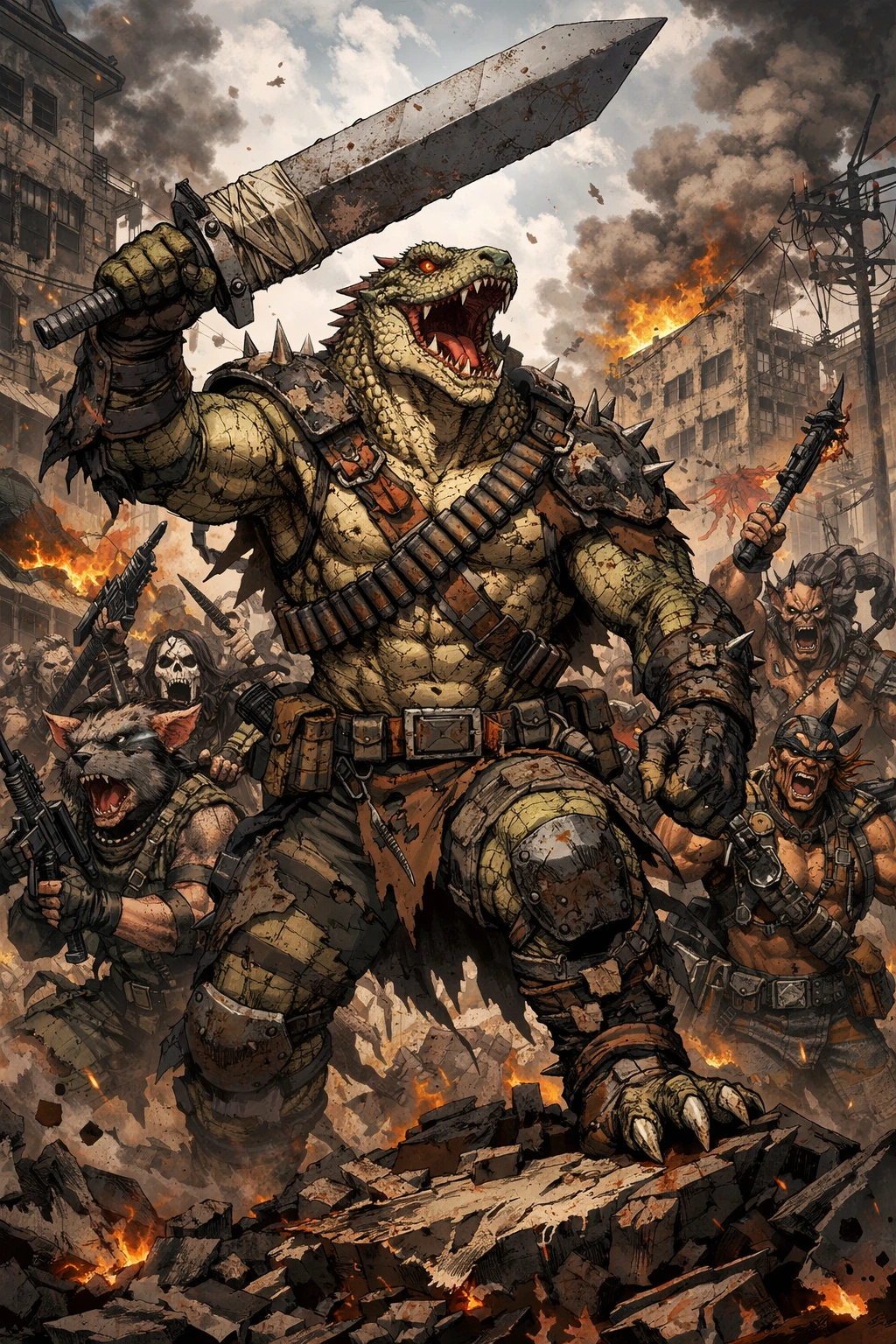
Led by the heteromorph (mutant-type) villain Spinner, the Brown Regiment was tasked with close-quarters combat, riot control, physical logistics, and brute-force assaults. However, the true significance of the Brown Regiment lay in its sociopolitical impact.
Spinner, a lizard-like mutant who had faced severe discrimination his entire life, was elevated to a position of immense power. The PLF brilliantly weaponized Spinner, turning him into a political icon and a beacon for disenfranchised mutant-types across Japan.
Thousands of heteromorphs who had suffered under the systemic prejudices of Hero Society flocked to the Brown Regiment, seeing Spinner as their savior and champion. This regiment was not just a fighting force; it was a radicalized civil rights militia, fighting with a deeply personal, racial fury that made them incredibly dangerous in urban combat.
Vanguard Action Tactics Regiment (Violet)
Commanded by the politician Trumpet and the cloning powerhouse Twice, the Violet Regiment was arguably the most terrifying and tactically overwhelming division in the entire PLF. The division specialized in guerrilla warfare, psychological operations, and overwhelming numbers.
Trumpet’s Quirk, “Incite,” allowed him to physically and emotionally empower anyone who heard his voice and shared his ideology, turning ordinary soldiers into fearless berserkers. However, the true ace of the Violet Regiment—and the entire PLF—was Twice.
With his Quirk awakening, Twice’s “Sad Man’s Parade” allowed him to create infinite, self-replicating clones of himself and his allies. The Violet Regiment didn’t just fight wars; they created instantaneous, localized apocalypses by flooding battlefields with an endless tsunami of bodies. They were a self-sustaining army within an army.
Vanguard Action Guerrilla Regiment (Black)
Led by the ice-manipulator Geten and the illusionist/thief Mr. Compress, the Black Regiment served as the PLF’s heavy hitters and special operations force. This division focused on elemental devastation, unpredictable hit-and-run tactics, and high-value target acquisition.
Geten, a zealot who had trained his ice Quirk his entire life without formal schooling, provided the sheer, overwhelming elemental firepower necessary to lock down entire city sectors or wipe out platoons of Pro-Heroes.
Mr. Compress provided the tactical flexibility, using his marbles to smuggle troops behind enemy lines, extract high-value assets, or instantly neutralize powerful threats through compression. The Black Regiment was the scalpel used to cripple enemy strongholds before the other regiments moved in to occupy them.
The Corporate and Political Arsenal
The aspect of the Paranormal Liberation Front that truly separated them from any villain organization in history was their absolute dominance in the corporate and political spheres. They did not just break the law; they wrote it, funded it, and marketed it.
The Detnerat Supply Line
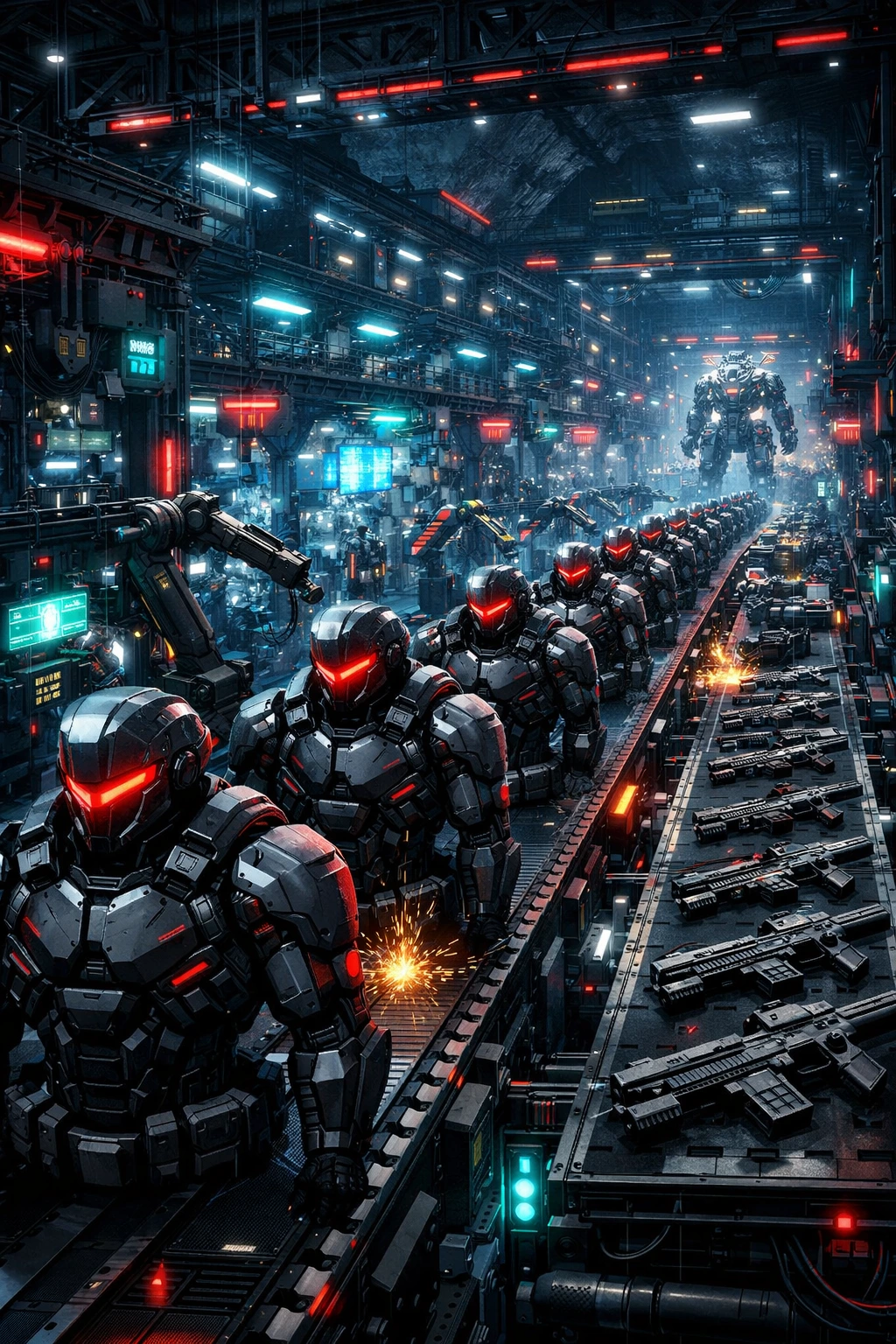
Traditional villains rely on the criminal underworld, black markets, and scavenged gear, which leaves them vulnerable to police stings and supply shortages. The PLF completely bypassed this fatal flaw through the Detnerat Company.
Re-Destro was the CEO of Detnerat, a massive, publicly traded, and completely legal corporation that specialized in creating lifestyle support items for individuals with Quirks. Upon the formation of the PLF, Detnerat’s immense manufacturing infrastructure was secretly redirected.
Instead of making civilian items, Detnerat factories began mass-producing military-grade armor, specialized weaponry, secure communication tech, and Quirk-enhancing gear exclusively for the PLF. They had a limitless, legally protected supply chain. The heroes could not shut down Detnerat without causing a nationwide economic crisis, allowing the PLF to arm 100,000 soldiers with state-of-the-art equipment right under the government’s nose.
The Hearts and Minds Party
Violence alone cannot topple a society; it requires political erosion from within. This was the domain of the Hearts and Minds Party, the terrifying political arm of the PLF. Led by Koku Hanabata (Trumpet), a charismatic and deeply entrenched politician, the PLF infiltrated the Japanese Diet (Parliament).
Hanabata used his public platform and political leverage to subtly pass legislation that weakened Pro-Hero authority, tied the HPSC up in bureaucratic red tape, and promoted the deregulation of Quirk usage. More insidiously, Hanabata delivered masterful, impassioned speeches to the public, slowly radicalizing everyday civilians.
He planted the seeds of doubt regarding the effectiveness of heroes, preparing the societal soil for the PLF’s violent uprising. They were fighting a legal war in the Senate concurrently with their shadow war in the streets.
The Feel Good Inc. Publishing
To complete their triumvirate of societal control, the PLF needed to dominate the narrative. Tomoyasu Chikazoku (Skeptic) served on the board of Feel Good Inc., a massive IT and media publishing conglomerate. The PLF utilized this corporate media empire to control information flow on a national scale.
They legally published and distributed Destro’s manifesto, ensuring that millions of citizens read their ideology. They launched sophisticated, targeted propaganda campaigns on social media, manipulated news algorithms to bury stories of PLF activity, and amplified public outrage against the Hero Public Safety Commission.
Feel Good Inc. allowed the PLF to wage psychological warfare on the civilian population, turning public opinion against the heroes and framing the upcoming war not as a terrorist attack, but as a long-overdue societal revolution.
The Jaku Hospital Integration (Garaki’s Upgrade)
While the MLA executives provided the soldiers and the money, the true nightmare of the Paranormal Liberation Front lay hidden deep underground in the remote mountainous region of Jaku City. The integration of Dr. Kyudai Garaki’s Nomu laboratories into the PLF’s vast network created a biological threat that surpassed human comprehension.
Unlimited Funding for Madness
For decades, Dr. Garaki (the loyal servant of All For One) had to operate in the shadows, scrounging for resources, hiding his laboratories, and carefully selecting test subjects to avoid detection. His research into the Quirk Singularity and biological engineering was severely hampered by a lack of funds and the constant threat of Pro-Heroes.
However, when Shigaraki absorbed the MLA’s corporate empire, Dr. Garaki suddenly found himself with unlimited, untraceable funding. The billions of dollars funneled from Detnerat and Feel Good Inc. allowed Garaki to expand his secret laboratory beneath Jaku General Hospital into a massive, state-of-the-art subterranean cloning and bio-engineering facility.
The financial backing of the PLF supercharged the doctor’s mad science, allowing him to acquire the rarest materials and highest-grade medical technology in the world.
Mass Production of High-Ends
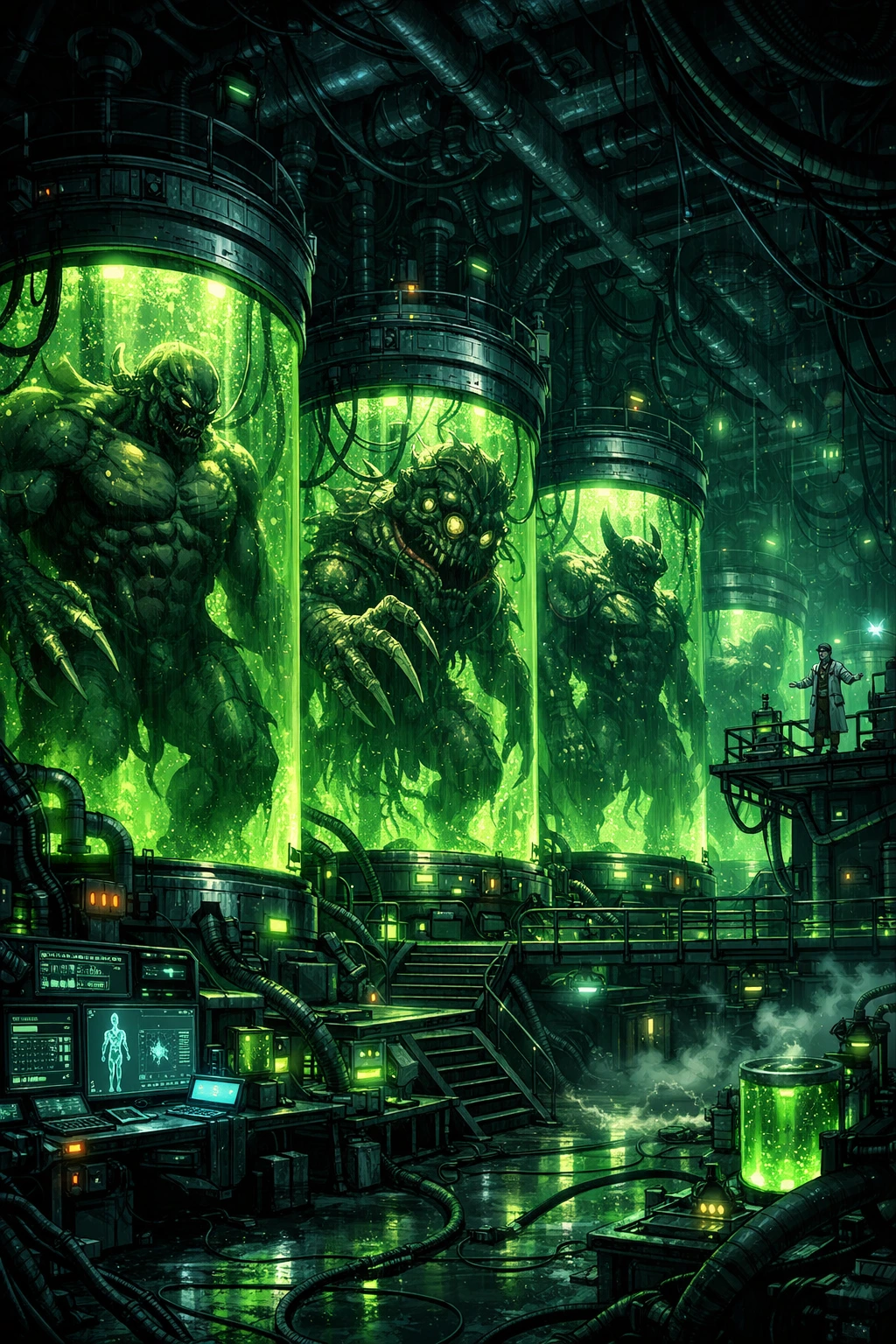
This unlimited funding led directly to the most terrifying escalation in the villain’s arsenal: the transition from single, experimental Nomus to the mass production of Near High-End Nomus. Previously, a single High-End Nomu like Hood (who battled Endeavor) took years to create and perfect.
With the PLF’s resources, Garaki was able to incubate dozens of Near High-End Nomus simultaneously in massive vats beneath the hospital. These were biological weapons capable of regeneration, possessing multiple powerful Quirks, and exhibiting rudimentary intelligence and battle pragmatism.
The PLF no longer just had human soldiers; they had a loyal, unfeeling shock-troop armada of biological monsters that required the absolute top tier of Pro-Heroes to defeat even one.
The King’s Hibernation
The entirety of this massive infrastructure, however, was fundamentally designed around a single, glaring strategic vulnerability: The King’s Hibernation. Dr. Garaki informed Shigaraki that to handle the immense strain of the All For One Quirk and the physical augmentations required to reach his “perfect” form, Shigaraki would need to be placed in a suspended animation vat for four agonizing months.
During this time, Shigaraki would be completely defenseless, existing in a state of living death while his cellular structure was rewritten. The entire might of the Paranormal Liberation Front—the 100,000 soldiers, the High-End Nomus, the corporate shields—had one primary directive during this period: protect Jaku Hospital at all costs.
Shigaraki’s hibernation was a ticking time bomb. If he woke up at 100% completion, the world would instantly end. This vulnerability became the singular focal point of the upcoming war.
The Ideological Compromise (Freedom vs. Destruction)
Despite its terrifying efficiency and overwhelming power, the Paranormal Liberation Front was built upon a fault line. The union between the League of Villains and the Meta Liberation Army was not a harmonious blending of minds, but a highly volatile ideological compromise—a marriage of convenience that fundamentally contradicted itself.
The Flaw in the Alliance
The brilliant, underlying tension of the PLF stems from the diametrically opposed ultimate goals of its two halves. The 100,000 members of the Meta Liberation Army, rooted in Destro’s teachings, fought for freedom.
They believed that society was stifling human evolution by restricting the use of Quirks. Their goal was to topple the Pro-Hero system to build a new society—a social Darwinist utopia where individuals were free to use their powers without government intervention. They wanted to rule and live in the ashes of the old world.
Conversely, the original League members—specifically Tomura Shigaraki and Dabi—fought strictly for destruction. Shigaraki’s trauma, his “itch,” and his awakened Quirk drove him to desire the total, absolute erasure of everything. He did not want to rule a new society; he wanted to turn the concept of society itself to dust.
Dabi, similarly, only cared about burning down the legacy of his father, Endeavor, and the heroic framework that created him. The League had no interest in the MLA’s utopian future; they only wanted the void.
A Marriage of Convenience
How, then, did such an organization function? It survived because both sides secretly recognized that their ultimate, contradictory goals were currently irrelevant. Whether one wanted to build a new society of free Quirk users or burn the world to cinders, the immediate, monumental obstacle was the same: the Pro-Hero system and the societal framework of Japan.
The MLA needed the terrifying, world-ending power of Shigaraki to crush the invincible heroes, and Shigaraki needed the manpower and resources of the MLA to orchestrate a nationwide collapse.
They remained united through a silent agreement to annihilate their common enemy first. Both factions inherently knew that once the heroes were dead and the government fell, a bloody civil war would inevitably erupt between Shigaraki’s nihilism and Re-Destro’s vision of liberation. But until that day, the compromise held, making them a unified, apocalyptic threat.
The Pre-Emptive Strike (The War Catalyst)
The Paranormal Liberation Front operated flawlessly in the shadows, amassing power, passing legislation, and breeding monsters. They were four months away from an uncontested, total victory. However, their meticulous planning was undone by a single, compromised thread of intelligence, leading to the most desperate military action in the history of Hero Society.
The Hawks Intel
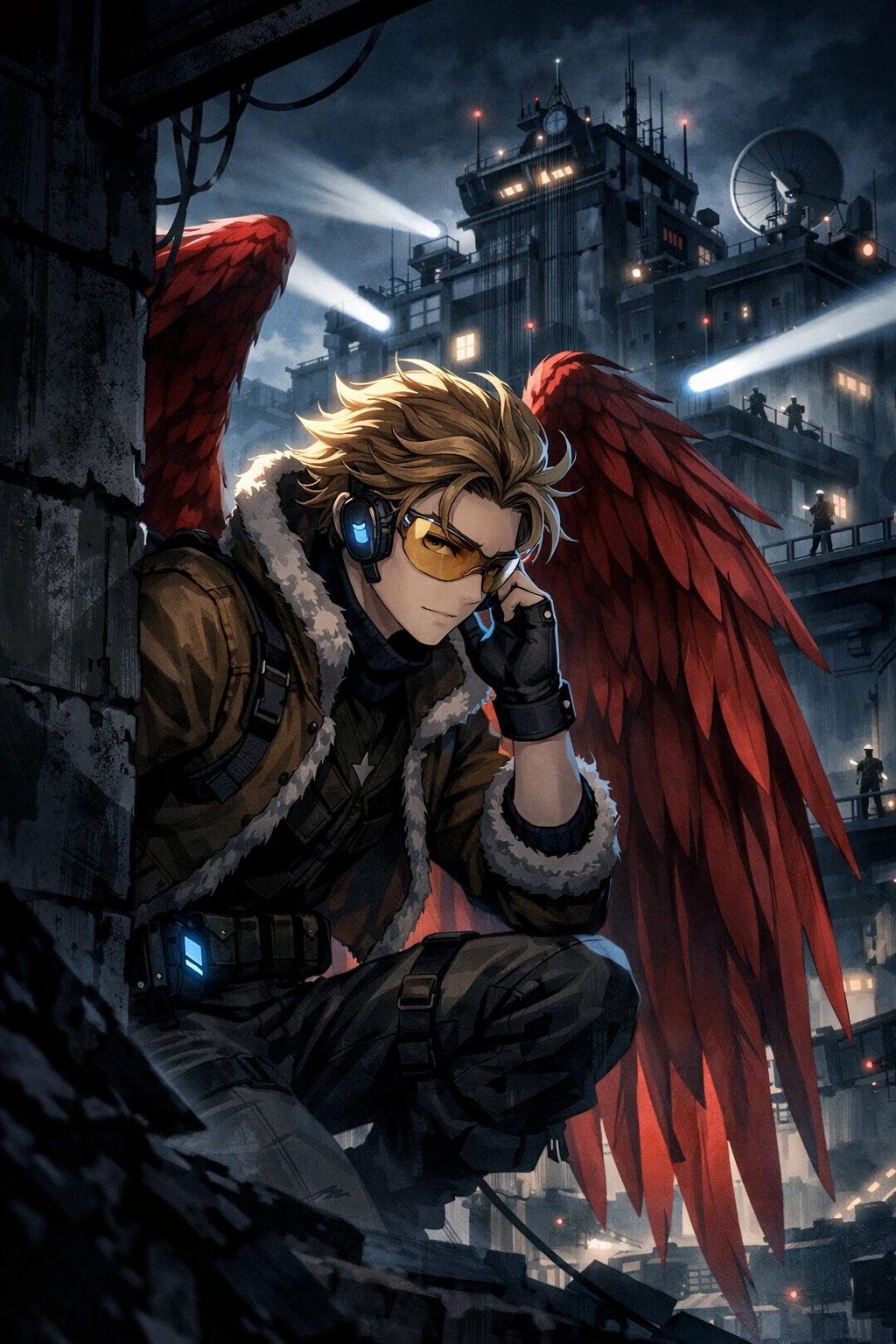
The catalyst for the Paranormal Liberation War was the unprecedented espionage conducted by the Number 2 Hero, Hawks. Infiltrating the PLF at the behest of the Hero Public Safety Commission, Hawks walked a razor’s edge, sacrificing his own morals and reputation to gain the trust of Dabi and the inner circle.
Through micro-transmitters and coded messages hidden in high-speed literature, Hawks managed to transmit the horrifying truth back to the HPSC. When the commission decoded the intelligence, panic set in. They realized the scale of the PLF: the 100,000 troops, the Nomu factories, the corporate backing, and most terrifyingly, the four-month countdown on Shigaraki’s awakening.
The HPSC reached a chilling realization: if the PLF was allowed to operate unhindered until Shigaraki woke up, the nation of Japan would fall in less than a week. The heroes were no longer dealing with crimes; they were facing an imminent, extinction-level event.
The Logistical Nightmare for Heroes
Armed with Hawks’ intelligence, the heroes were backed into a corner. They lost the luxury of reacting to villain attacks; they had to become the aggressors. This birthed a logistical nightmare. To stand even a fraction of a chance, the heroes were forced to abandon all defensive protocols, empty the cities of Pro-Heroes, draft high school students into active combat roles, and launch a massive, coordinated, two-front preemptive war.
They had to strike Gunga Mountain Villa (where the 100,000 soldiers and the leadership were gathering) and Jaku General Hospital (where Shigaraki was sleeping and the Nomus were breeding) at the exact same moment. If they struck one target, the other would instantly retaliate and scatter into the wind. It was a suicide mission born of absolute necessity—a desperate, all-or-nothing gamble to assassinate Shigaraki in his sleep and decapitate the PLF leadership before they could launch their revolution.
Conclusion
The Apex of Organized Villainy
The Paranormal Liberation Front stands as the undisputed apex of organized villainy within the My Hero Academia universe. They transcended the trope of the “villain of the week” or the “shadowy syndicate” to become a sovereign, militarized nation operating within the borders of Japan.
By combining the unrestrained, traumatic fury of the League of Villains with the fanatical discipline, vast wealth, and political cunning of the Meta Liberation Army, the PLF engineered a perfect storm. They weaponized everything from the media and the legal system to biological horrors and societal prejudice.
The PLF represents the horrifying realization of the Quirk Doomsday Theory—a moment where individuals possessed too much power, too much organization, and too much hatred for a traditional, reactive justice system to handle. They did not just want to break the law; they successfully rendered the law obsolete.
Closing Thoughts
Ultimately, the most profound legacy of the Paranormal Liberation Front is not the destruction they caused, but how they fundamentally fractured the morality of Hero Society. To combat the PLF, heroes could no longer be just peacekeepers who smiled for the cameras and rescued cats from trees.
The sheer existential weight of the PLF forced the heroes to abandon their idealistic morals and transform into a preemptive military strike force. They had to utilize child soldiers, employ lethal force, authorize assassinations (as seen with Hawks and Twice), and launch a surprise invasion.
The Paranormal Liberation Front achieved a twisted victory even in their conflict; they forever blurred the lines between hero and soldier, proving that when faced with absolute, organized annihilation, the shining armor of a hero must inevitably become stained with the grim realities of war.