
Introduction
The Apex of Combustion: Defining “Blue Flame”
In the meticulously crafted superhuman society of My Hero Academia, Quirks are often defined by their utility, their adaptability, and their capacity for heroic application. However, standing as a terrifying anomaly within this biological power system is the Quirk known simply as “Blue Flame”—or, as it is often referred to in the context of its wielder, Cremation.
To classify this ability merely as a “fire Quirk” is a gross underestimation of its true nature. Blue Flame is the absolute apex of thermal output recorded in the entire history of the My Hero Academia universe. It is a biological furnace that completely shatters the established ceilings of power, effortlessly surpassing even the maximum output of Hellflame, the Quirk wielded by Enji Todoroki, the #1 Hero, Endeavor.
Where ordinary fire Quirks manipulate ambient heat or generate standard oxidative combustion, Blue Flame operates on an entirely different thermodynamic plane. It is the manifestation of raw, unyielding caloric energy, burning at temperatures so extreme that it renders standard elemental defenses completely obsolete.
The Quirk of Pure Ruin
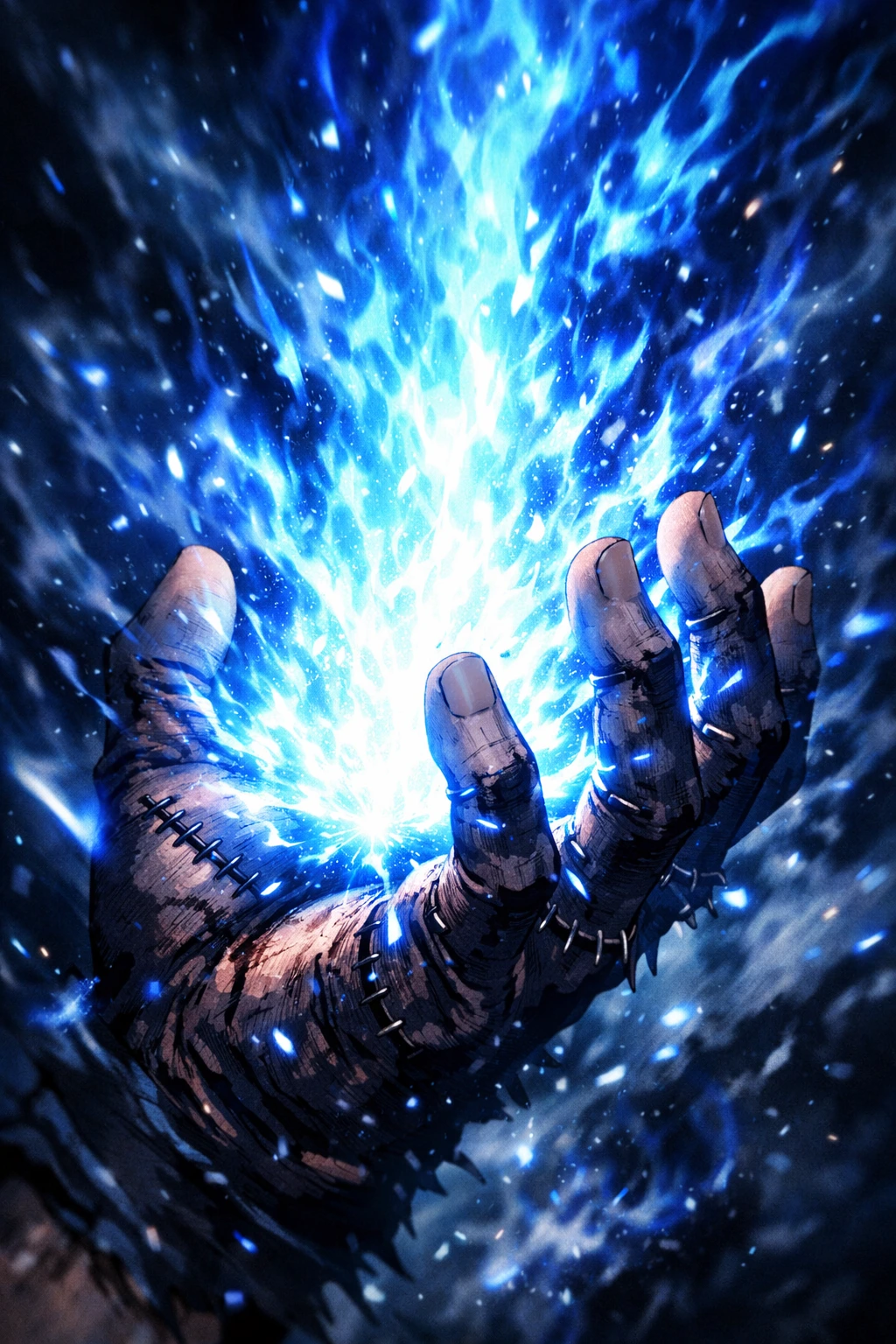
If most Quirks are tools, Blue Flame is a natural disaster. It is characterized by an absolute, terrifying singularity of purpose: annihilation. A brief overview of this ability reveals a fundamental truth about its design—it entirely discards all tactical utility, versatility, and defensive capabilities in favor of absolute, unadulterated area-of-effect destruction.
There are no intricate constructs formed from this fire, no gentle, warming embers, and no defensive shields that do not also incinerate the user’s surroundings. Blue Flame cannot be used to capture, to restrain, or to protect. It is a Quirk of pure ruin. When ignited, it consumes everything within its expanding radius, turning flesh to ash, steel to slag, and concrete to glass.
It is a power that demands destruction, offering no middle ground between dormant and catastrophic. This lack of versatility is not a weakness, but rather the terrifying trade-off for its apocalyptic offensive power.
Article Scope: The Definitive Breakdown
This document serves as the definitive, expert-level breakdown of the Blue Flame Quirk. We will not merely recount the narrative beats of the series, but rather, we will dissect the ability through the lenses of speculative physics, superhuman biology, and tactical analysis.
We will explore the extreme thermal physics that dictate its impossible temperatures, the catastrophic biological recoil it inflicts upon its user’s incompatible hardware, and the grim ingenuity required to weaponize stolen techniques. Finally, we will delve into the impossible, paradoxical science behind its final awakening—the Phosphor state.
This is an exhaustive exploration of the most lethal, tragic, and visually mesmerizing Quirk ever conceived in the My Hero Academia lore.
The Physics of the Blue Inferno
Breaking the Thermal Ceiling
To understand the sheer terror of Dabi’s Quirk, one must first understand the fundamental science behind the color of fire and what it represents regarding thermal output. In standard combustion, the color of a flame is directly dictated by its temperature and the presence of unburnt carbon particles (soot) that incandesce as they heat up.
A standard campfire or a typical fire-based Quirk burns red, orange, or yellow, representing temperatures generally ranging between 600°C and 1,000°C. Endeavor’s Hellflame, pushing the limits of this spectrum, can momentarily achieve temperatures high enough to turn his flames blue, but it requires immense concentration and physical exertion.
Dabi’s baseline, however, starts where Endeavor’s absolute limit ends. The core science behind the permanent blue coloration of his flames is an indicator of temperatures that effortlessly exceed 2,000°C (3,632°F). At these temperatures, we are no longer looking at standard combustion; we are witnessing an energetic state bordering on plasma.
The thermal ceiling has not just been broken; it has been completely obliterated. This level of heat fundamentally alters the molecular structure of whatever it touches, causing rapid thermal decomposition rather than standard burning. Materials do not just catch fire; they are instantly flash-vaporized or undergo immediate sublimation, transitioning directly from a solid to a gas due to the overwhelming application of thermal energy.
Combustion Efficiency: The Zero-Waste Engine
The reason this fire burns a brilliant, ethereal blue lies in the concept of combustion efficiency. Blue flames indicate complete, or nearly complete, combustion. In a standard fire, the yellow and orange colors are the result of incomplete combustion—wasted energy in the form of soot. Dabi’s Quirk Factor, however, is a terrifyingly efficient engine. There is zero wasted energy. His biology converts his internal stamina, lipids, and life force into thermal energy at an exponentially higher, and infinitely more volatile, rate than Hellflame.
This efficiency is a double-edged sword. Because the Quirk Factor wastes no energy producing soot, 100% of the biological fuel is converted directly into raw heat. It is a runaway exothermic reaction. This explains why his flames are not only hotter but why they seem to consume oxygen and fuel at a terrifyingly accelerated rate.
The Quirk acts as a supercharger, drawing upon the user’s physical reserves and violently expelling them as pure caloric output. It is the thermodynamic equivalent of a hypercar engine running perfectly on rocket fuel—it produces unparalleled power, but it threatens to tear itself apart with every ignition.
The Kinetic Pressure: Heat as a Physical Force
A crucial, often overlooked aspect of the Blue Flame is its kinetic application. Heat at this extreme level (2000°C+) does not simply burn; it creates massive, localized kinetic shockwaves. According to the Ideal Gas Law and the principles of thermodynamics, when air is superheated this rapidly, it expands violently. Dabi utilizes this sheer expansion of superheated air as a physical, concussive force.
When he releases a burst of Blue Flame, he is not just throwing fire; he is detonating a thermal bomb. The rapid expansion of the surrounding atmosphere creates a pressure wave that acts as a physical barrier. This is how he is able to repel physical attacks, deflect projectiles, and shatter solid objects without even making direct contact.
Furthermore, by directing this kinetic pressure downwards, he can simulate flight, or more accurately, thermal propulsion. By continuously superheating the air beneath his hands and feet, the violent expansion of the gas thrusts him upward, turning him into a human rocket. This mastery of thermal kinetics elevates the Quirk from a mere flamethrower to a versatile, hyper-lethal weapon of mass destruction.
The Hardware Failure (Biological Paradox)
The Mismatched Genetics: A Physiological Nightmare
To understand the tragedy of the Blue Flame, one must separate the “Software” (the Quirk Factor) from the “Hardware” (the physical body). In a biologically perfect system, a Quirk and the body that houses it evolve in tandem, creating natural immunities and resistances. This is not the case for Touya Todoroki. His existence is a profound genetic paradox and a physiological nightmare.
He inherited a Quirk Factor—the Software—that is designed to generate heat far exceeding that of his father, Endeavor. However, through a tragic roll of the genetic dice, he inherited his mother Rei’s physical constitution—the Hardware. Rei’s biology is specifically adapted for freezing temperatures, possessing a natural resistance to cold and a heightened vulnerability to heat.
Therefore, Touya possesses the ultimate furnace housed within a chassis built of ice. Every single time he ignites his Quirk, his own body registers the heat not as a natural extension of himself, but as a hostile, invasive force. The Blue Flame is essentially an autoimmune disease manifesting as a superpower; the body’s greatest weapon is actively destroying the host.
The Destruction of the Nervous System: Operating Beyond Pain
The human body is equipped with nociceptors—pain receptors—designed to force us to pull away from damaging stimuli. If a normal human were to manifest temperatures of 2000°C from their skin, the sheer agony would induce immediate neurogenic shock, causing instant unconsciousness or death from the pain alone. The terrifying reason Dabi can use this power continuously without instantly passing out from shock lies in the utter destruction of his nervous system.
During his childhood, when his Quirk first overwhelmed him on Sekoto Peak, the intense heat flash-fried his epidermis and the underlying dermal layers, completely incinerating his superficial nerve endings. His pain receptors were burned away.
This horrific trauma essentially disabled his body’s biological warning system. Without pain to act as a limiter, he is able to push his body far beyond the natural human survival instinct. He does not feel his flesh cooking, his muscles tearing, or his skin blistering. This absence of pain is not a strength; it is a fatal flaw, allowing him to accelerate his own biological clock toward zero without any physiological hesitation.
The Smell of Burning Flesh: The Gruesome Reality
The visual design of Dabi is not merely an aesthetic choice; it is a grim medical reality of continuous Quirk overuse. The gruesome patchwork of his skin tells the story of a body in constant decay. The staple piercings are not decorative; they are primitive, desperate surgical implements used to physically anchor dead, charred skin to his underlying, exposed muscle tissue. Because his body lacks the regenerative capacity to heal third-degree burns, the necrotic tissue must be held in place to prevent complete physical dissolution.
The reality of engaging in prolonged battles with the Blue Flame is stomach-churning. As he fights, he is literally cooking himself alive from the inside out. The smell of his presence is frequently noted by other characters as the distinct, sickening odor of burning flesh. His internal organs, lacking any thermal insulation, begin to melt and shut down under prolonged use.
Even his tear ducts were burned away during his youth, replacing tears with blood that weeps from the charred remnants of his lower eyelids. His continued existence is a medical impossibility held together solely by the sheer, unadulterated willpower of his hatred.
Weaponizing the Flashfire Fist
The Stolen Arsenal
Dabi was denied formal hero training. He was cast aside before Enji Todoroki could pass down the martial arts designed to control such overwhelming power. Yet, Dabi emerges years later not as an amateur brawler, but as a devastatingly proficient combatant. He compensated for this lack of formal tutelage through sheer, obsessive observation, perfectly mimicking Endeavor’s ultimate techniques—the Flashfire Fist.
The Flashfire Fist is a martial art designed to compress extreme heat to its absolute limit, releasing it in highly controlled, devastating bursts while managing the user’s core temperature. Dabi stole this entire arsenal purely through visual memory and a deep-seated psychological need to weaponize his father’s legacy against him. However, because his baseline heat is astronomically higher, and his body lacks the necessary heat resistance, his execution of these techniques morphs them from precise heroic maneuvers into uncontrollable tools of slaughter.
Hell Spider & Jet Burn: Precision vs. Slaughter
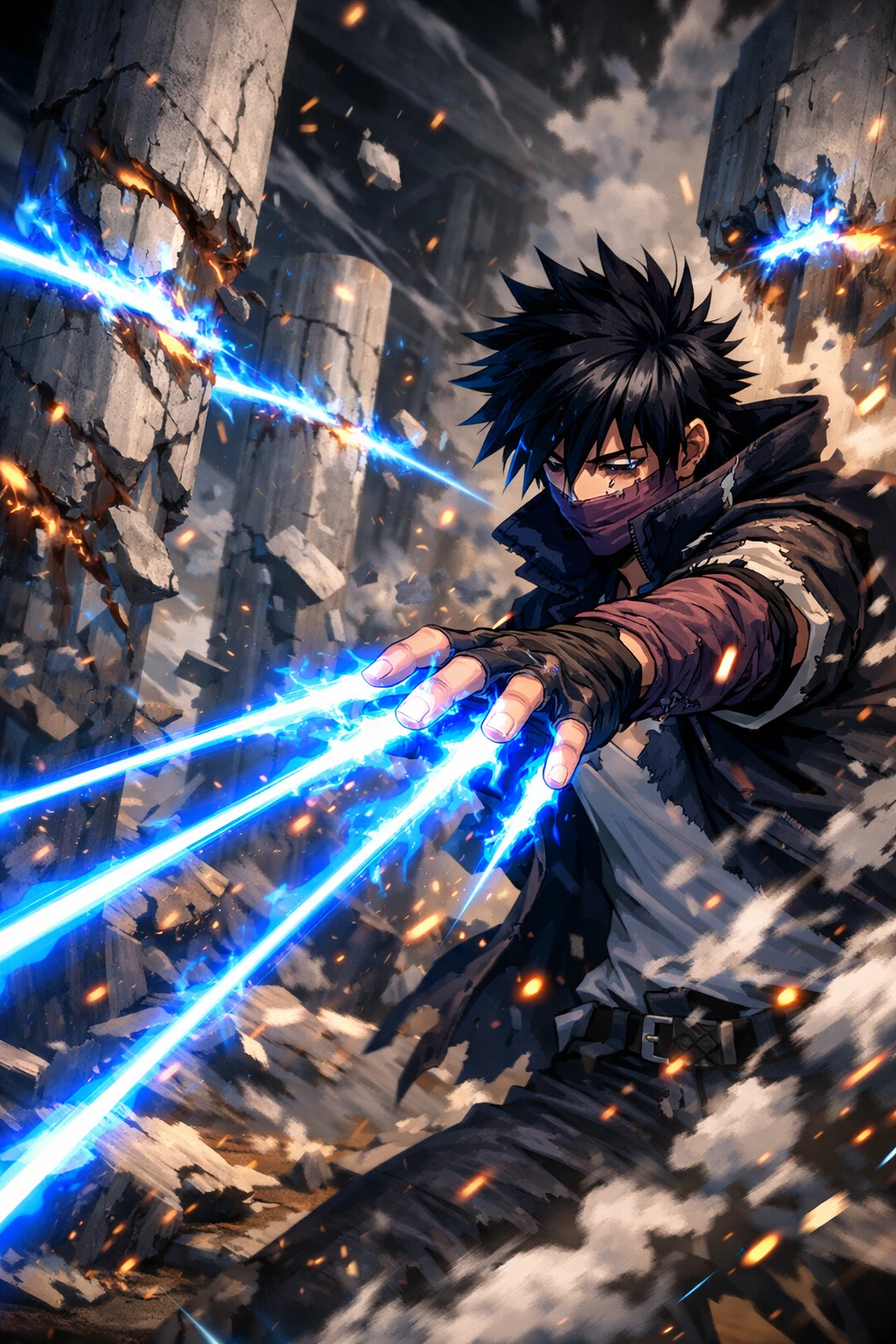
Consider the technique Hell Spider. When Endeavor uses this, he compresses his flames into razor-thin beams projecting from his fingertips, using them for precision cutting, slicing through falling debris or targeted enemies with surgical accuracy.
It is a move designed to minimize collateral damage. When Dabi unleashes his version of Hell Spider, the overwhelming heat and lack of fine control turn it into an indiscriminate grid of destruction. The blue beams do not just slice; they melt, expand, and incinerate anything within a massive radius, turning a tactical strike into a wide-range slaughtering net.
Similarly, Jet Burn highlights the difference in their methodologies. Endeavor uses Jet Burn as a concentrated punch of kinetic force and extreme heat, designed to incapacitate a single target with a localized blast. Dabi’s application of Jet Burn is fundamentally different. Because his body is decaying, he cannot rely on physical, muscular force.
Instead, he uses the technique purely to deliver the highest possible thermal payload. His Jet Burn isn’t a punch; it is the point-blank detonation of a blue star against his opponent, prioritizing pure incineration over blunt force trauma.
The Prominence Burn: The Localized Nuke
The pinnacle of the Flashfire Fist is the Prominence Burn. For Endeavor, this is his ultimate attack—a massive, omnidirectional beam of concentrated heat designed to obliterate a powerful foe. While devastating, Endeavor implements a biological safety limiter to ensure he does not completely cook his own organs during the execution.
Dabi’s version of the Prominence Burn is the ultimate suicide move. He entirely removes the safety limiters that Endeavor relies upon. When Dabi initiates this technique, he is not just trying to incinerate his target; he is consciously making the decision to consume himself in the process.
He unleashes the entirety of his internal thermal energy simultaneously, creating a literal, localized nuclear-level thermal event. The attack forms a massive, blinding pillar of blue fire that flash-melts the environment. It is a technique born of pure nihilism, an attack that says, “If I burn to ash, you are coming with me.” It is the most powerful singular attack in the fire-user arsenal, precisely because it ignores the fundamental rule of human survival.
Atmospheric and Environmental Dominance
Flash-Vaporization and Battlefield Nullification
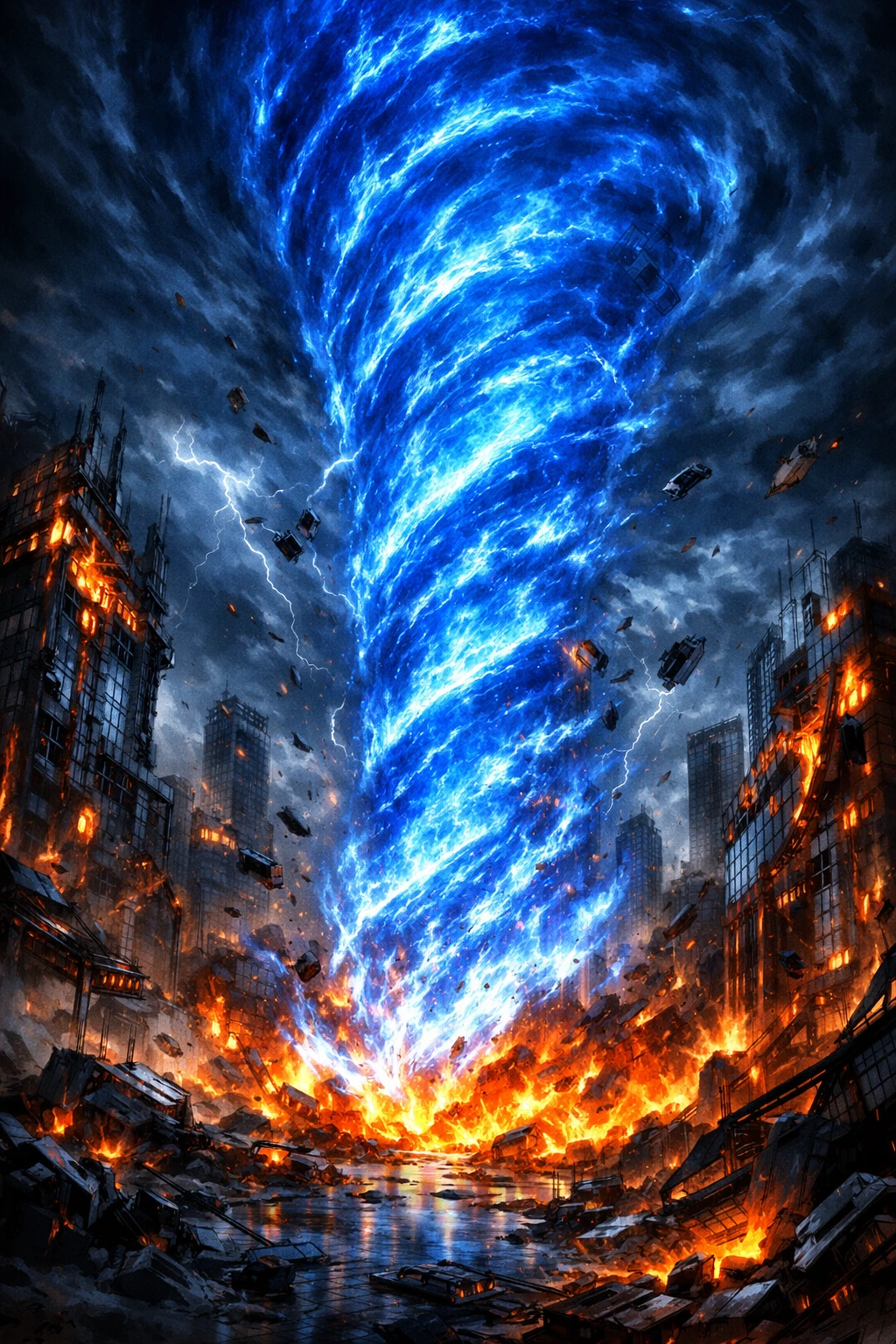
When a combatant steps onto a battlefield against the Blue Flame, they are not just fighting a villain; they are fighting an environment that has become fundamentally hostile to life. The baseline heat of 2000°C creates a zone of absolute atmospheric dominance.
The most immediate effect is flash-vaporization. Any water-based attacks, moisture in the air, or biological fluids are instantly turned into steam upon entering his immediate radius. This effectively nullifies entire categories of Quirks before they can even make contact.
Furthermore, the environmental destruction is absolute. Concrete does not merely crack; the silicates within it melt and fuse, turning city streets into jagged landscapes of cooling glass and slag. Metal structures lose their structural integrity instantly, drooping and collapsing under their own weight.
Physical projectiles—whether they are bullets, thrown debris, or solid Quirk manifestations—are frequently melted or sublimated into gas before they can pierce his thermal aura. To fight Dabi is to fight inside a crucible; the environment itself becomes his secondary weapon, suffocating and blinding his opponents.
Updrafts and Weather Manipulation
The secondary, and perhaps most terrifying, effect of his sheer thermal output is macro-atmospheric manipulation. Dabi does not possess a weather manipulation Quirk, yet his prolonged presence in a battle completely alters the localized weather patterns.
When a massive column of 2000°C heat is introduced into a standard environment, the hot air rises at incredible, violent speeds. This creates a massive, immediate low-pressure system at ground level. The surrounding, cooler air rushes in to fill this void, creating fierce, gale-force updrafts.
He literally starves the immediate surrounding area of oxygen, making it difficult for anyone nearby to breathe. In extreme cases, such as the aftermath of the Kamino Ward incident and the clashes during the Paranormal Liberation War, the intersection of his hyper-heated air with cooler atmospheric currents triggers spontaneous weather anomalies.
He unintentionally births fire-tornadoes (firewhirls) and localized cyclones, turning the battlefield into a chaotic, apocalyptic hellscape that no standard hero is equipped to navigate.
The Ultimate Comparison: Blue Flame vs. Hellflame vs. Half-Cold Half-Hot
To truly grasp the magnitude of the Blue Flame, one must place it in direct comparison with the other pinnacles of the Todoroki family’s genetic line. This is a study of power versus sustainability.
Endeavor (Hellflame): The Standard of Power
Endeavor represents the peak of controlled power. His Hellflame is capable of immense heat, easily reaching temperatures that can melt steel and vaporize Nomu. He possesses decades of combat experience, tactical mastery, and physical conditioning.
However, his ultimate limitation is overheating. If he pushes his Quirk too far for too long, his body temperature rises to dangerous levels, slowing his movements, blurring his vision, and risking permanent organ damage. He is a high-performance engine that must be carefully monitored to prevent a catastrophic blowout.
Shoto (Half-Cold Half-Hot): The Perfect Engine
Shoto Todoroki is the masterpiece, the genetic holy grail Enji sought to create. By housing both fire and ice Quirks within a single body, Shoto possesses a perfect, biological equilibrium. He can continuously regulate his internal temperature.
If his fire side overheats him, his ice side cools him down, and vice versa. This grants him theoretically infinite stamina. He is the perfect engine, capable of running forever without breaking down. However, because his body is divided, and because he spent years rejecting his fire side, his immediate raw output and power ceiling, while immense, do not reach the apocalyptic spikes of his older brother.
Dabi (Blue Flame): The Glass Cannon
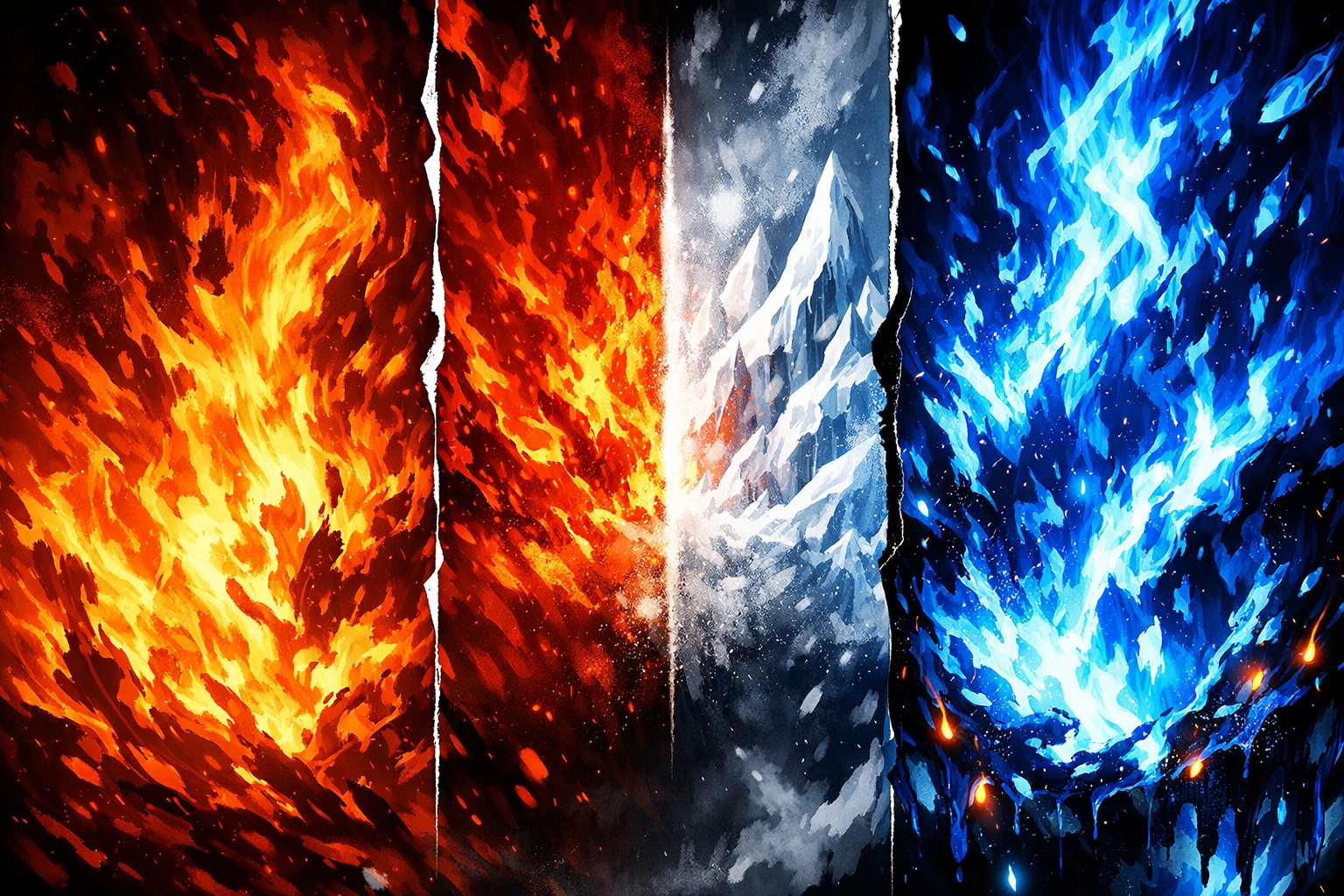
Dabi is the ultimate glass cannon. He possesses the highest power ceiling, the highest thermal output, and the greatest destructive radius of the three. His flames are hotter than Endeavor’s and vastly more lethal than Shoto’s. However, this absolute supremacy in firepower is completely balanced by the terrifying reality that it operates on a strict, self-imposed death timer.
He has no cooling mechanism, no natural resistance, and no biological safety net. Every second he uses his power, he is killing himself. In a battle of attrition, Shoto or Endeavor would eventually win, provided they could survive the initial onslaught. But the terror of the Blue Flame is that Dabi’s “initial onslaught” is designed to be an inescapable, world-ending event that leaves nothing behind to fight a war of attrition.
The Phosphor Awakening (The Impossible Engine)
The Brink of Death Catalyst
In the world of My Hero Academia, Quirks can undergo an “Awakening”—an evolution of the ability triggered by extreme stress, usually right on the precipice of death. During the Final War arc, as Dabi’s body was finally giving out, practically turning to ash from his own Prominence Burn, his biology reached the absolute edge of failure.
His body was dying, but his sheer, maniacal hatred for his family refused to let his brain cease functioning. In this liminal space between life and death, the body forcefully unlocked a dormant genetic sequence in a desperate, impossible bid for survival.
The Ice Factor within the Fire
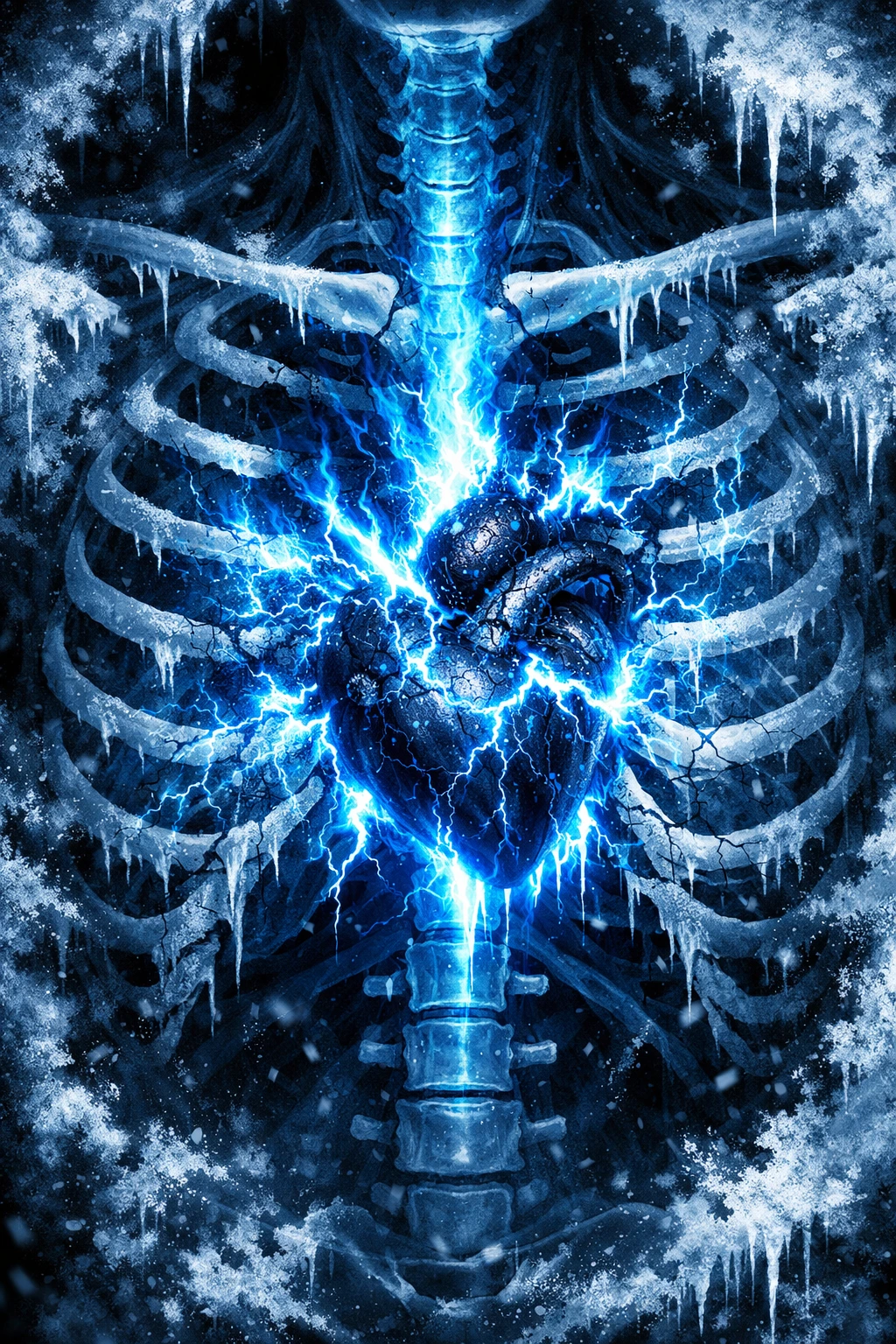
This awakening resulted in one of the most complex biological anomalies in the series: the Phosphor state. Dabi did not just awaken a stronger fire; he awakened his mother’s dormant Ice Quirk. Deep within the core of his chest, surrounded by the blistering 2000°C heat of his blue flames, his body began to generate absolute zero ice.
It was a genetic Hail Mary—his hardware, finally recognizing that the software was destroying it, activated its latent cooling potential.
The Thermal Engine: A Synthetic Radiator
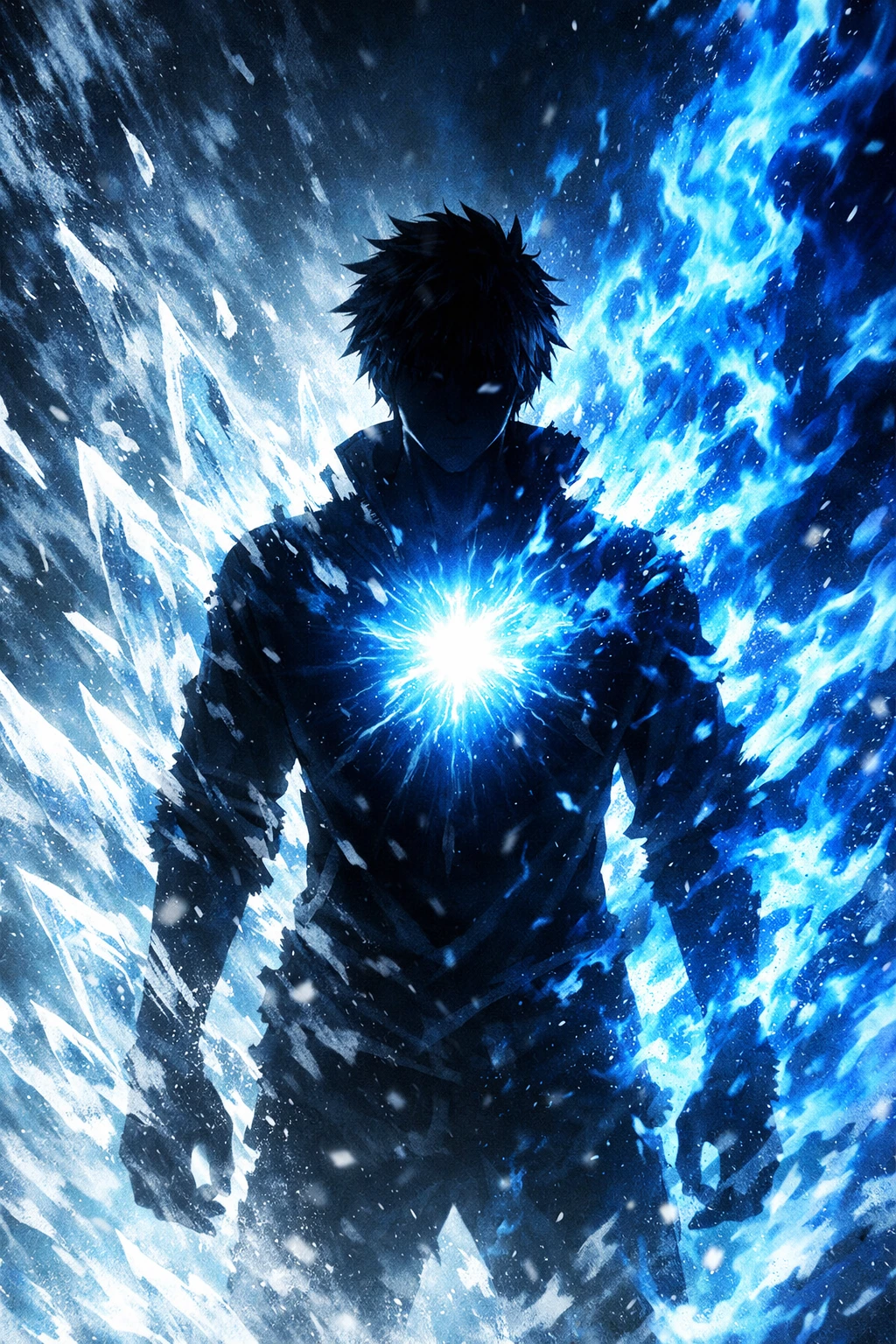
The immediate question raised by this phenomenon is: Why didn’t the ice put out the fire? The answer lies in the specific, terrifying biology of the Phosphor technique. The ice did not extinguish the flames because they were operating on two completely different planes of his anatomy. The freezing temperatures localized exclusively around his heart and core organs. This internal ice block acted as a synthetic, biological radiator.
By super-cooling his heart and the blood pumping through it, his body stabilized his core internal temperature just enough to prevent immediate cardiac arrest and brain death. This internal cooling system paradoxically allowed him to push his outer extremities even further.
Because his heart was protected by an armor of ice, his skin and limbs could burn hotter than ever before—exceeding even his previous blue flame maximums—without his organs immediately melting. He became a living, breathing thermal engine: absolute zero at the core, and infinite heat on the surface.
The Final Explosion: The Ticking Thermal Bomb
However, this brilliant scientific miracle was an illusion. The tragic reality of the Phosphor awakening was that it was not a cure; it was a countdown. By compressing infinite heat (the blue flames) against absolute zero (the internal ice) inside the fragile vessel of a dying human chest, Dabi inadvertently turned his body into a literal, ticking thermal bomb.
The laws of thermodynamics dictate that such an extreme temperature differential within a single, contained space cannot be sustained. The pressure building up from the conflicting extremes of energy was destined to violently equalize.
As his body continued to break down, the Phosphor state was accelerating toward a catastrophic explosion—a localized detonation designed to release all of that pent-up thermal and kinetic energy in a single, devastating blast. This was not a final attack; it was a biological meltdown intended to wipe out a 5-kilometer radius, turning his own demise into a weapon of mass extinction.
Conclusion
The Pinnacle of Destructive Genetics
The Quirk known as Blue Flame stands as the absolute pinnacle of destructive genetics within the My Hero Academia universe. It is a terrifying testament to what happens when raw, unchecked elemental power is forcefully grafted onto a body completely unsuited to wield it. Touya Todoroki’s power is not a blessing; it is an apocalyptic curse.
It transcends the standard definitions of hero and villain Quirks, existing solely as a mechanism of pure, unadulterated ruin. It burns hotter, spreads faster, and destroys more thoroughly than any other fire ability in existence, demanding nothing less than the user’s own life as fuel.
Closing Thoughts
From an analytical perspective, Kohei Horikoshi’s design of the Blue Flame is a masterclass in power system building. He created a dynamic where the most beautiful, visually mesmerizing Quirk—a brilliant, ethereal blue light—is simultaneously the most horrific and painful ability for the user.
It subverts the trope of the “ultimate power-up,” revealing that absolute power in this universe comes at the cost of one’s own humanity, sanity, and physical form. The Blue Flame is a masterpiece of tragedy and thermodynamics, a burning star that demands we watch in awe as it spectacularly, and inevitably, collapses in on itself.