
1. Introduction: The Dungeon That Wasn’t a Gate
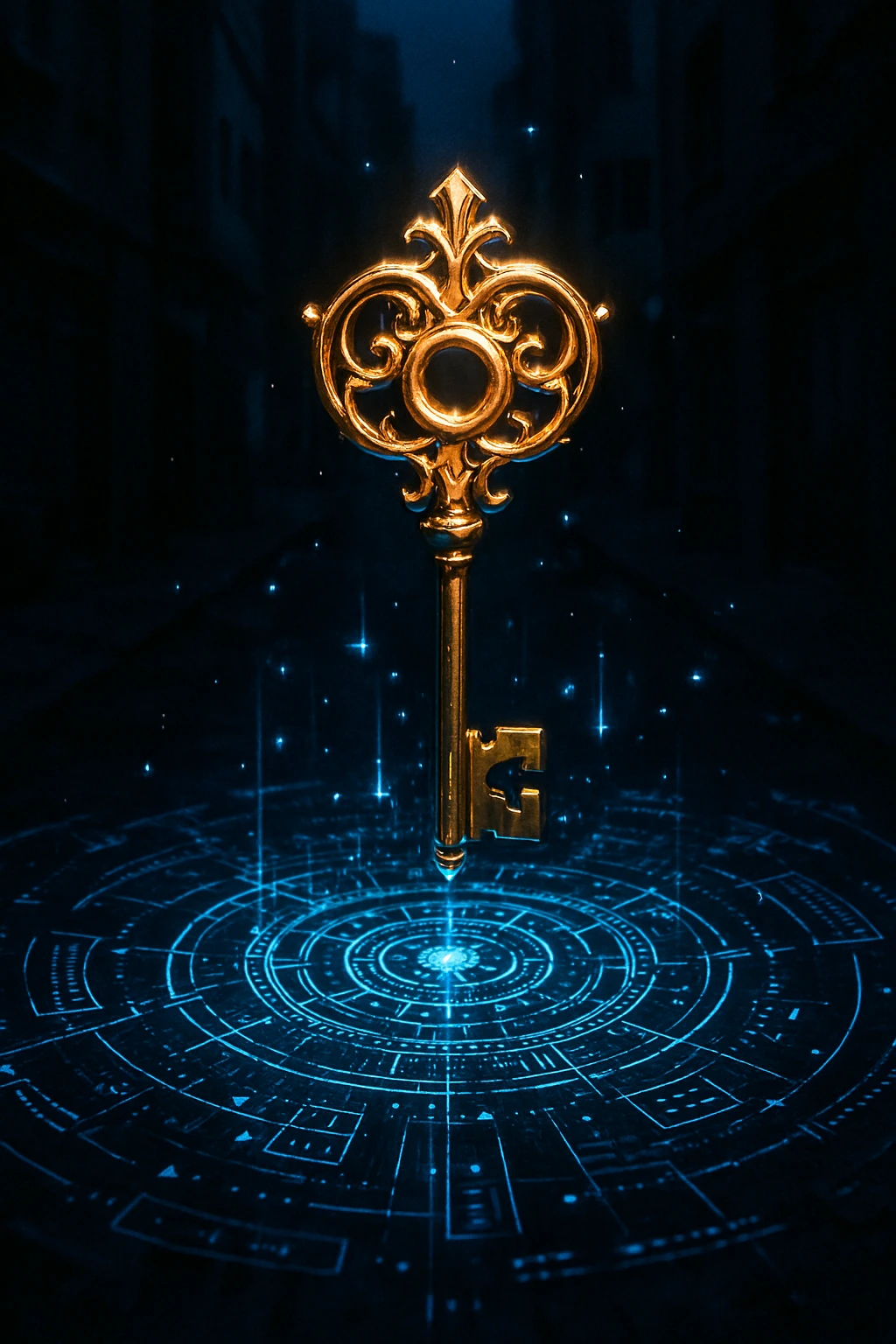
In the world of Solo Leveling, the rules of engagement are usually simple: a Gate opens, Hunters enter, the boss dies, and the Gate closes. It is a biological and magical rhythm that humanity has grown accustomed to over ten years—a cycle of invasion and defense. However, nestled within the narrative arc of Sung Jin-woo’s ascension is an anomaly that defies every established rule of the Hunter world—the Demon Castle.
This was not a Gate. It did not appear as a swirling vortex of blue energy in the middle of a busy intersection in Seoul, halting traffic and mobilizing the Association. It did not threaten a dungeon break if left unchecked for seven days. Instead, it opened with a Key. Specifically, the Key to the Demon Castle, an item obtained from a mundane Random Box—the kind that usually drops bandages or basic potions.
From the moment Sung Jin-woo inserted that key into the shimmering interface at Daesung Tower, the genre of the story shifted fundamentally. We were no longer in a “Hunter vs. Monster” narrative; we had stepped into a “Player vs. Developer” scenario. The Demon Castle wasn’t just a dungeon; it was a self-contained pocket dimension, a burning cityscape reaching 100-Floor Prison into a crimson sky. It was an instant dungeon, but on a scale that dwarfed the subway stations and snowy forests of previous arcs. The subway dungeon was a closet; the Demon Castle was a skyscraper.
The setting itself was a paradox designed to unsettle. It visually resembled a ruined version of a modern city, consumed by hellfire, yet it existed completely outside of Earth’s dimension. It wasn’t the Chaos World where the Monarchs reside, nor was it Earth. It was a Simulation. A construct built of code, mana, and memory. The heat was real enough to singe skin, and the smell of sulfur was suffocating, but the very existence of the tower defied physics. It was a server created to run a specific program.
On the surface, Jin-woo’s objective was purely transactional and deeply personal. He wasn’t there to save the world or grind for legendary gear, though those were byproducts. He was there for a crafting recipe. The “Holy Water of Life.” This was a fetch quest of the highest order—to find the cure for his mother, who had been languishing in the hospital with “Eternal Slumber” for four years. The emotional stakes of this arc are often overshadowed by the action, but they are the engine driving the car. Jin-woo, who had become the strongest Hunter in Korea, was still just a helpless son trying to wake his mother up. This desperation made him willing to walk into a fire that would have melted anyone else.
However, the truth of the Demon Castle is far more sinister than a simple resource dungeon. As we peel back the layers of the Architect’s design, we realize that the Demon Castle was never about the Holy Water. That was merely the carrot on the stick to lure Jin-woo inside. The true purpose of this 100-floor hellscape was to serve as “Tutorial Level 2.0.”
The System, designed by the Architect, needed to bridge the gap between a B-Rank Assassin and a Shadow Monarch. The disparity in power was too vast to be bridged by random dungeon encounters. The Architect needed a controlled environment, a pressure cooker where the variables could be manipulated to force Jin-woo’s growth. The Demon Castle was a hyperbolic time chamber of XP, designed to drag the Player from Level 60 to Level 100, ensuring his body was physically capable of housing the immense, terrifying power of Ashborn, the Shadow Monarch. It was a prison for a dead king, built solely to forge a new living god.
2. The Residents: NPCs with Souls?
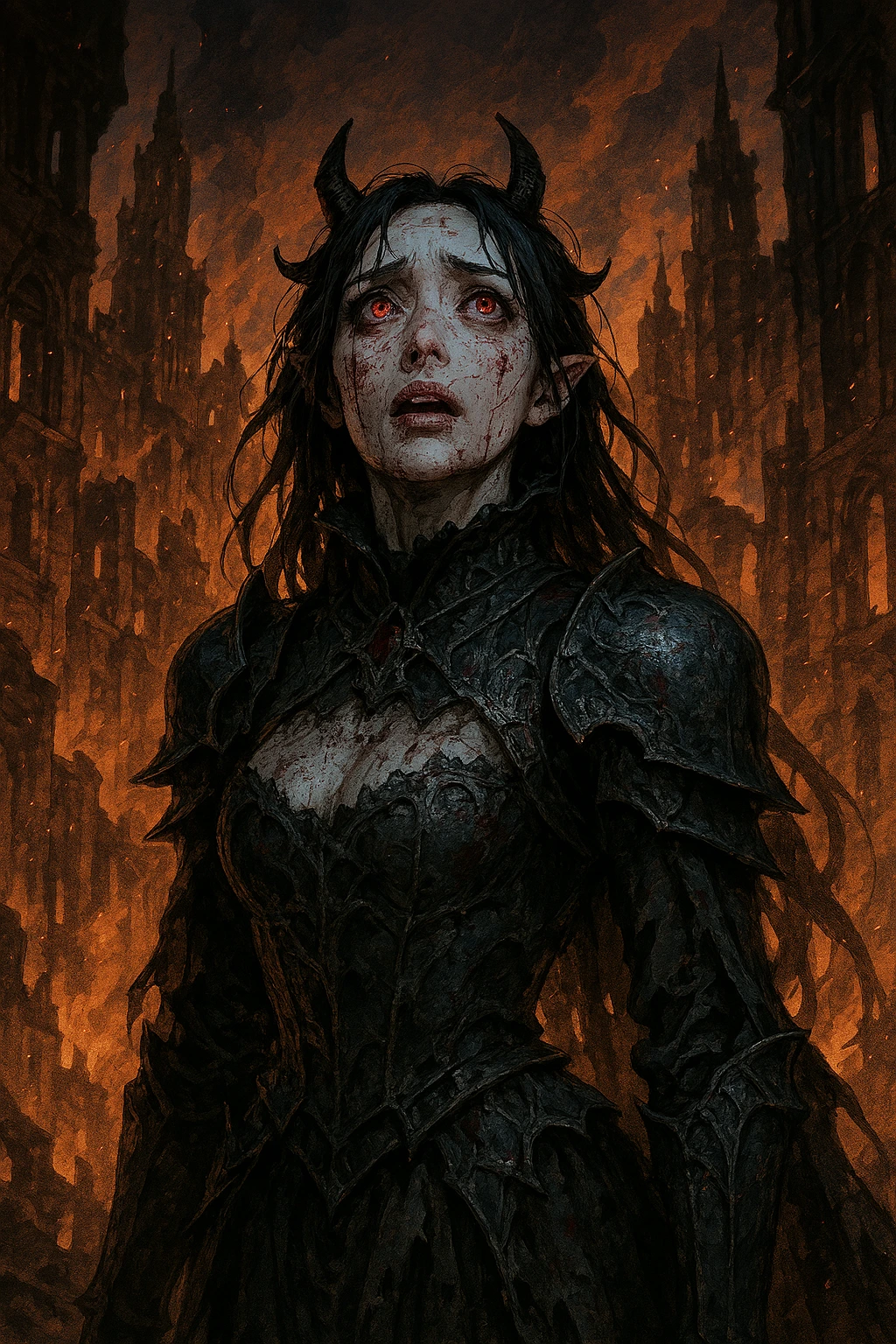
One of the most jarring elements of the Demon Castle arc—and one that separates Solo Leveling from its contemporaries—is the nature of the enemies. Up until this point, “monsters” were mindless killing machines. Magic beasts screeched, goblins cackled, and ants clicked, but they did not hold conversations. They did not have culture. They were obstacles, not characters.
The Demon Castle shattered this precedent.
As Jin-woo climbed the floors, he didn’t just encounter spawns; he encountered a society. The demons here spoke the human language. They had a hierarchy, a nobility system, and complex interpersonal relationships. They negotiated. They begged for mercy. This introduced a profound moral dilemma that the series touches on subtly: What is the morality of killing a simulation that thinks it is alive?
When a demon soldier screams for its life, showing genuine terror, Jin-woo pauses. For the first time, the “Player” is forced to confront the “Game.” The System’s cruelty is on full display here. These weren’t random generations of code. The lore reveals that these demons were recreated data based on the real demon clans that fought in the Primordial War between the Rulers and the Monarchs. The Architect essentially took a “snapshot” of the Demon Race before their destruction and uploaded their consciousness into this instant dungeon. They are ghosts trapped in a loop, destined to be slaughtered by the Player over and over again for the sake of Experience Points.
The pinnacle of this narrative thread is the Radiru Clan, and specifically, Esil Radiru.
Esil is often categorized by the fandom as a “top-tier waifu,” but her narrative function is far more critical. She represents the first time a dungeon boss (or sub-boss) utilized diplomacy. When Jin-woo decimated the upper floors, Esil didn’t charge blindly into death like the insect monsters of Jeju. She analyzed the power gap and chose survival.
“We can help you,” she offers. It’s a chilling moment because it humanizes the enemy. It turns the “monster” into a “collaborator.”
Esil serves as the audience surrogate for the lore dump. Through her, we learn about the “clans” and the “King.” She acts as a guide, leading Jin-woo (and the reader) through the politics of a world that technically doesn’t exist. But why did the Architect program her with fear? Why give an NPC the capacity to feel terror or the intelligence to betray her own kind for survival? Why simulate the instinct for self-preservation in a being destined to be deleted?
The answer lies in the realism of the simulation. For Jin-woo to become the Shadow Monarch, he needed to understand the nature of the forces he would one day command. He needed to understand that the armies of chaos were not mindless zombies, but soldiers with wills, fears, and hierarchies. He needed to learn how to be a King, not just a Hunter.
Esil’s interactions with Jin-woo highlight the tragedy of the Demon Castle. She believes her world is real. She believes her struggle to protect her clan is meaningful. She has no idea that she is merely a collection of mana arranged to test a human from Seoul. When she explains the war between the clans, she is reciting a history that ended eons ago, unaware that her “life” is limited to the duration of Jin-woo’s quest.
This makes the Radiru Clan arguably the most tragic figures in the Solo Leveling mythos. They are sentient programs in a game that is about to be uninstalled. The complexity of their AI—their ability to feel relief when Jin-woo spares them, or pride in their lineage—suggests that the Architect didn’t just copy their stats; he copied their souls. This blurs the line between necromancy and programming, a theme that resonates deeply with Jin-woo’s own powers as the master of the dead.
3. The Holy Water of Life: A Miracle or a Glitch?
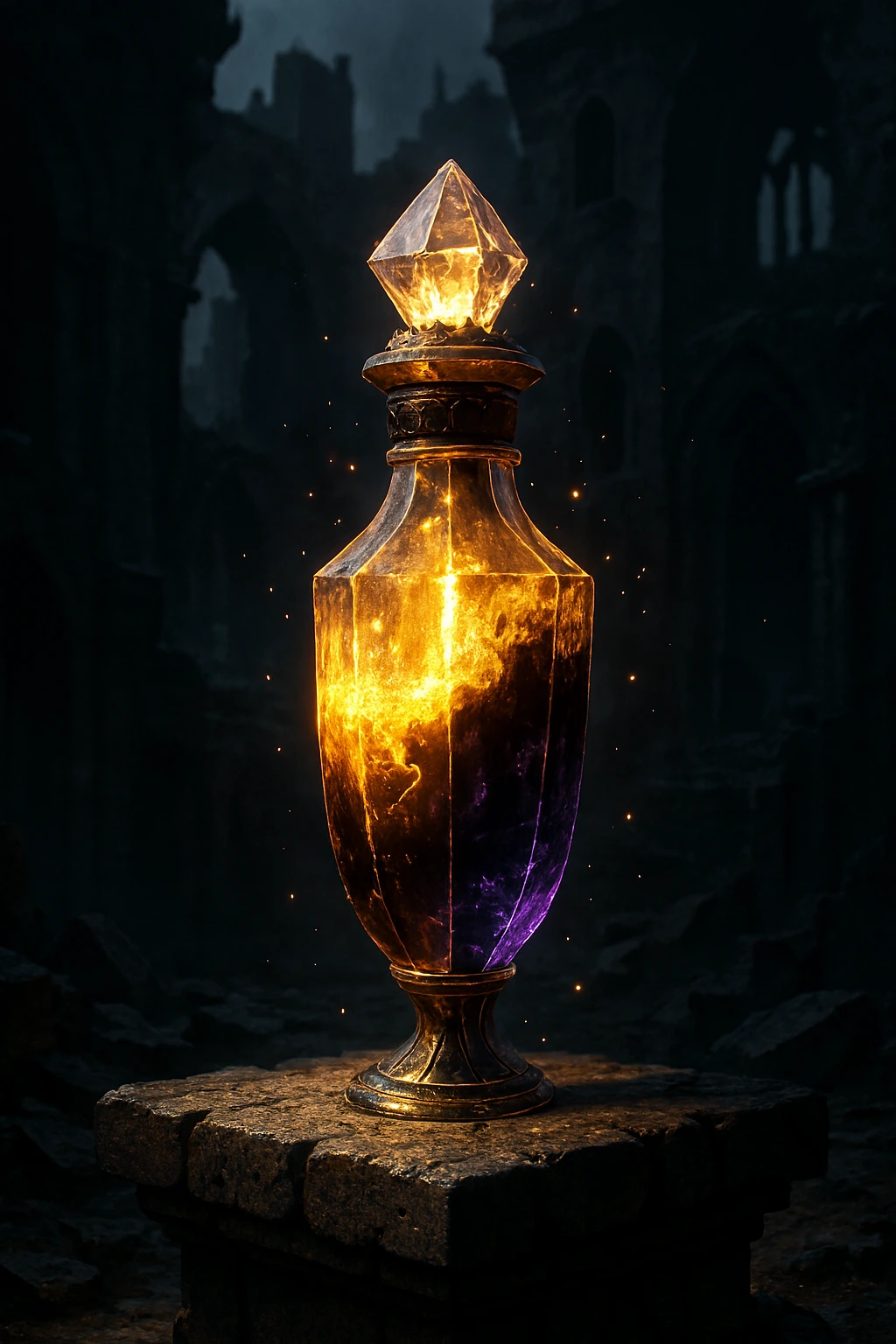
The driving force of this arc is an item that sounds like it belongs in a generic fantasy RPG: The Holy Water of Life. However, in the context of Solo Leveling, this item is a narrative anomaly. It is the only time in the series where the System allows Jin-woo to bring a “magical cure” out of the dungeon to solve a real-world medical crisis. It is the intersection of game mechanics and biological reality.
Let’s break down the crafting recipe, as the ingredients themselves tell a story of cosmic balance that Jin-woo was unaware of at the time.
- World Tree Fragment: An item radiating pure, life-giving energy.
- Spring Water of the Echoing Forest: A purifying agent.
- Purified Blood of the Demon King: A volatile, dark agent of power.
On the surface, this is a standard “fetch quest.” But analyze the lore implications. The World Tree is a symbol of the Rulers, the beings of brilliant light and creation. The Demon King’s Blood is the essence of the Monarchs, the beings of darkness and destruction.
The cure for “Eternal Slumber,” therefore, is not a chemical compound. It is the alchemical synthesis of Light and Darkness. It suggests that life exists in the balance between these two warring factions.
This is a massive foreshadowing of Jin-woo’s final form. Just as the Holy Water requires the fusion of opposing cosmic forces to heal, Jin-woo eventually becomes the only being capable of wielding the power of death (Shadows) while fighting for the side of life (Humanity). The Holy Water is a microcosm of the Shadow Monarch himself—a dark power used for a benevolent cause. It proves that darkness is not inherently evil; it is a force that can be purified and used to save lives.
We must also analyze the disease itself. Eternal Slumber is described as a sleeping sickness that affects those who cannot handle the influx of mana in the atmosphere following the opening of the Gates. It wasn’t a virus; it was Mana Poisoning.
The human body, unawakened, rejects the magical energy bleeding into Earth. It enters a comatose state to protect itself from the radiation of mana. The Holy Water of Life, created by the System, essentially acts as a “Mana Filter” or a forced adaptation agent. It rewrites the victim’s biological response to mana, allowing a non-Hunter to metabolize the magical energy of the new world. The System, created by the Architect, possesses technology far surpassing human medicine because the Architect understands the very fabric of mana.
Why did the System include this? Why did the Architect, a being who viewed humans as fragile, disposable vessels, care about Jin-woo’s mother?
He didn’t. The Architect didn’t care about Park Kyung-hye. He cared about motivation.
The Architect needed Jin-woo to climb to the 100th floor. He needed him to fight the Demon King Baran. If the reward had been “The Ultimate Sword” or “100 Billion Won,” Jin-woo might have calculated the risk and decided it wasn’t worth dying for. Jin-woo is pragmatic; he knows when a fight is unwinnable. But by placing his mother’s life as the reward, the Architect guaranteed that Jin-woo would throw himself into the fire regardless of the odds.
It was emotional manipulation programmed into the quest log. The “Miracle” of the Holy Water was a calculated glitch—a carrot dangled to force the donkey to run fast enough to evolve into a racehorse. This arc carries such immense weight because Jin-woo isn’t fighting for power, status, or the thrill of the hunt. He is fighting for the one thing the System couldn’t simulate: Love.
4. The Boss: Baran, The Monarch of White Flames
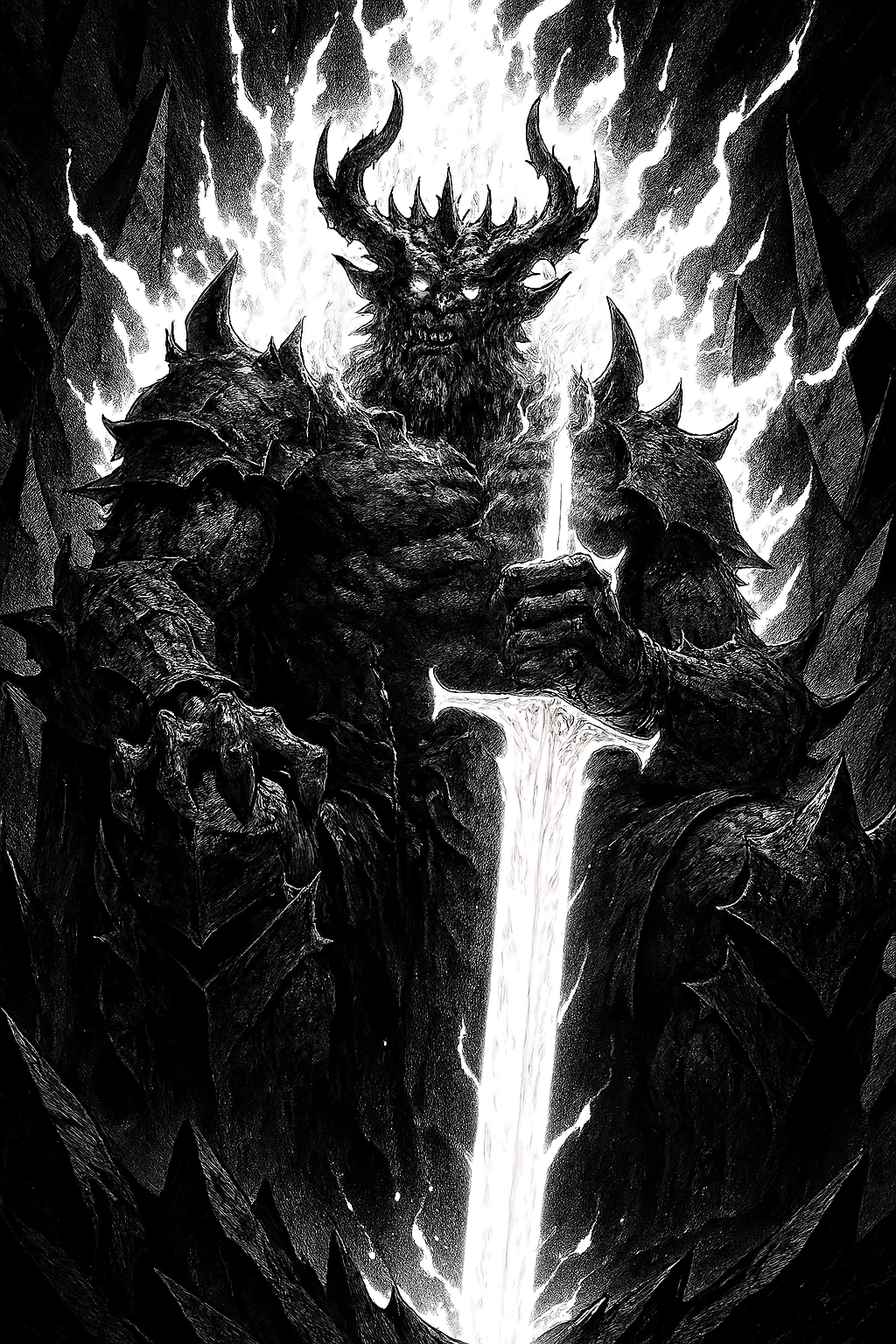
The climax of the Demon Castle arc brings us face-to-face with Baran, the Monarch of White Flames. For first-time readers/watchers, this is just a cool boss fight. For lore experts, this is a confusing anomaly that requires explanation.
Identity Reveal: Baran is one of the Nine Monarchs. He is a cosmic entity on the same power level as the Beast Monarch or the Frost Monarch. The Anomaly: If he is a Monarch, why is he sitting in a dungeon created by the Architect? Why is he a “Quest Boss” waiting in a throne room like a generic RPG villain?
The twist, revealed much later in the series, recontextualizes this entire fight. The real Baran died eons ago. During the chaotic war between the Monarchs and Rulers, and specifically during the betrayal where the Beast Monarch and Baran turned on Ashborn, Ashborn killed Baran. He crushed him.
The Baran that Jin-woo fights on the 100th floor is a Puppet. A high-fidelity echo.
The Architect used the residual data of Baran’s soul and power to reconstruct him within the System. This explains why Jin-woo, at roughly Level 90-something, was able to defeat a Monarch. A fully powered, living Monarch would have obliterated a non-Monarch Jin-woo instantly (as seen later when Jin-woo struggles against the Monarchs of Frost, Beast, and Plague). This version of Baran was “nerfed”—capped by the limits of the System and the fact that he was merely a reconstruction. He lacked the true Domain Authority that a living Monarch possesses.
However, even a “fake” Monarch provided one of the most tactical and brutal fights in the series. Let’s break down the phases of this battle, which served as Jin-woo’s final exam.
Phase 1: The Army Battle (Shadows vs. Demons)
This was the first true test of Jin-woo’s “Commander” ability. It wasn’t just a 1v1; it was war. Jin-woo had to manage his mana consumption while directing Igris, Iron, and Tank against an endless wave of demon soldiers. This phase tested his ability to multitask—managing the macro-battle while preparing for the duel. He had to learn to trust his soldiers to hold the line, a crucial development for a “Solo” leveler who was used to doing everything himself.
Phase 2: The Aerial Battle (Kaisel vs. Tusk)
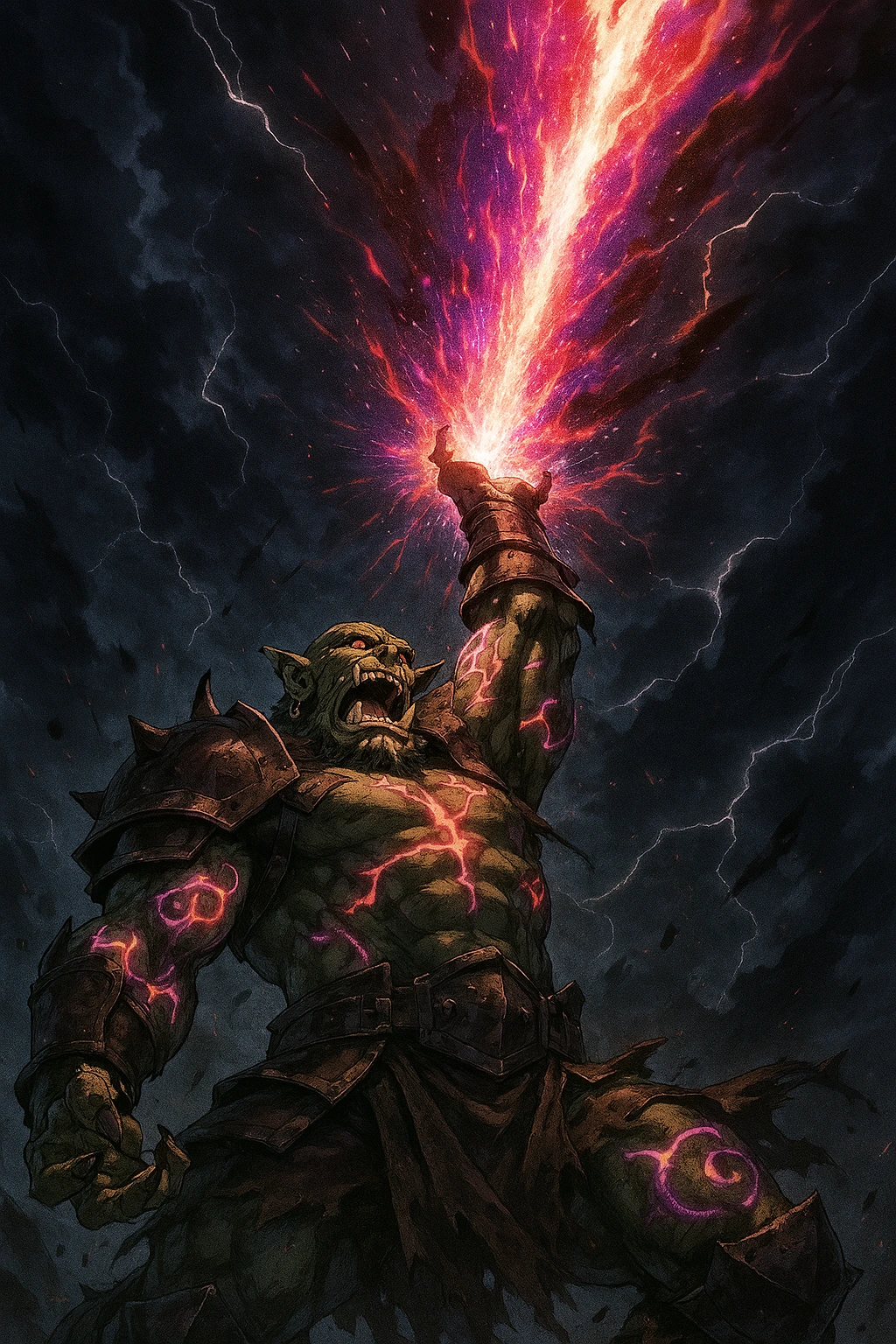
Baran took to the skies on his wyvern, Kaisellin. This introduced a verticality to the combat that Jin-woo had no counter for—until he utilized Tusk (the High Orc Shaman). The visual of Tusk blasting gravity magic and fireballs into the sky while Jin-woo leaped from debris to debris was a masterclass in utilizing the environment. It forced Jin-woo to realize his weakness: mobility. He was a tiger on the ground, but a sitting duck against a dragon.
Phase 3: The Raw Stat Check
Ultimately, the stratagems failed. The Shadows were dispelled. Tusk was exhausted. It came down to a raw, brutal stat check. Jin-woo vs. Baran. Dagger vs. Longsword.
This phase was critical because it proved that Jin-woo’s “Player” body had finally reached the threshold. He was taking hits that would have vaporized an S-Rank Hunter. The “Daily Quest” strength training, the fatigue resistance, the sensory stats—it all culminated here. When Jin-woo drove his daggers into Baran, it wasn’t just a victory; it was the System validating that the vessel was ready. The blue electricity of the System and the white flames of the Monarch clashed, and the System won.
The death of Baran in the Demon Castle was a symbolic reenactment. Ashborn had killed the real Baran in the past; now, Ashborn’s successor killed the copy of Baran in the present. The cycle was complete.
5. The Origin of Kaisel: The Loyal Steed
In the aftermath of the battle, amidst the dissipating data of the Demon King, a crucial event occurs that changes the tactical landscape of the entire series: the extraction of Kaisel.
Originally named Kaisellin, this was the Wyvern that Baran rode into battle.
When Baran fell, Jin-woo attempted to extract the Shadow. This is a key moment of System mechanics. He likely could not extract Baran. The System blocked the extraction of the Demon King because the “soul” was artificial/corrupted, or perhaps the Architect had put a hard lock on extracting a Monarch-level entity (even a fake one) to prevent the Player from becoming too powerful too quickly. It served as a reminder that even as the Shadow Monarch, Jin-woo was still operating within the Architect’s rules—for now.
But the Wyvern? The Wyvern was fair game.
Jin-woo’s command, “Arise,” brought forth the shadowed beast, and he renamed it Kaisel (because “Kaisellin” was a bit of a mouthful). The extraction itself was majestic, black steam coalescing into a creature of flight, signifying a new era in Jin-woo’s dominance.
The Tactical Shift: Before Kaisel, Jin-woo was a ground-based fighter. He had speed, yes, and he could jump incredible heights, but he could not fly. He was bound by gravity and terrain. With the acquisition of Kaisel, the series moved from “Ground War” to “Total War.”
- Mobility: Jin-woo could now traverse cities in minutes without relying on cars or helicopters. He was no longer dependent on human infrastructure.
- Aerial Reconnaissance: He could survey battlefields from the clouds, giving him a tactical oversight that no other Hunter possessed.
- The Jeju Island Setup: This is the most important narrative function of Kaisel. The upcoming Jeju Island Raid involves giant ants that fly. Without a flying mount, Jin-woo would have been at a severe disadvantage against the Ant King’s aerial maneuverability. Kaisel was the specific tool given to him by the narrative to solve the “Ant Problem.”
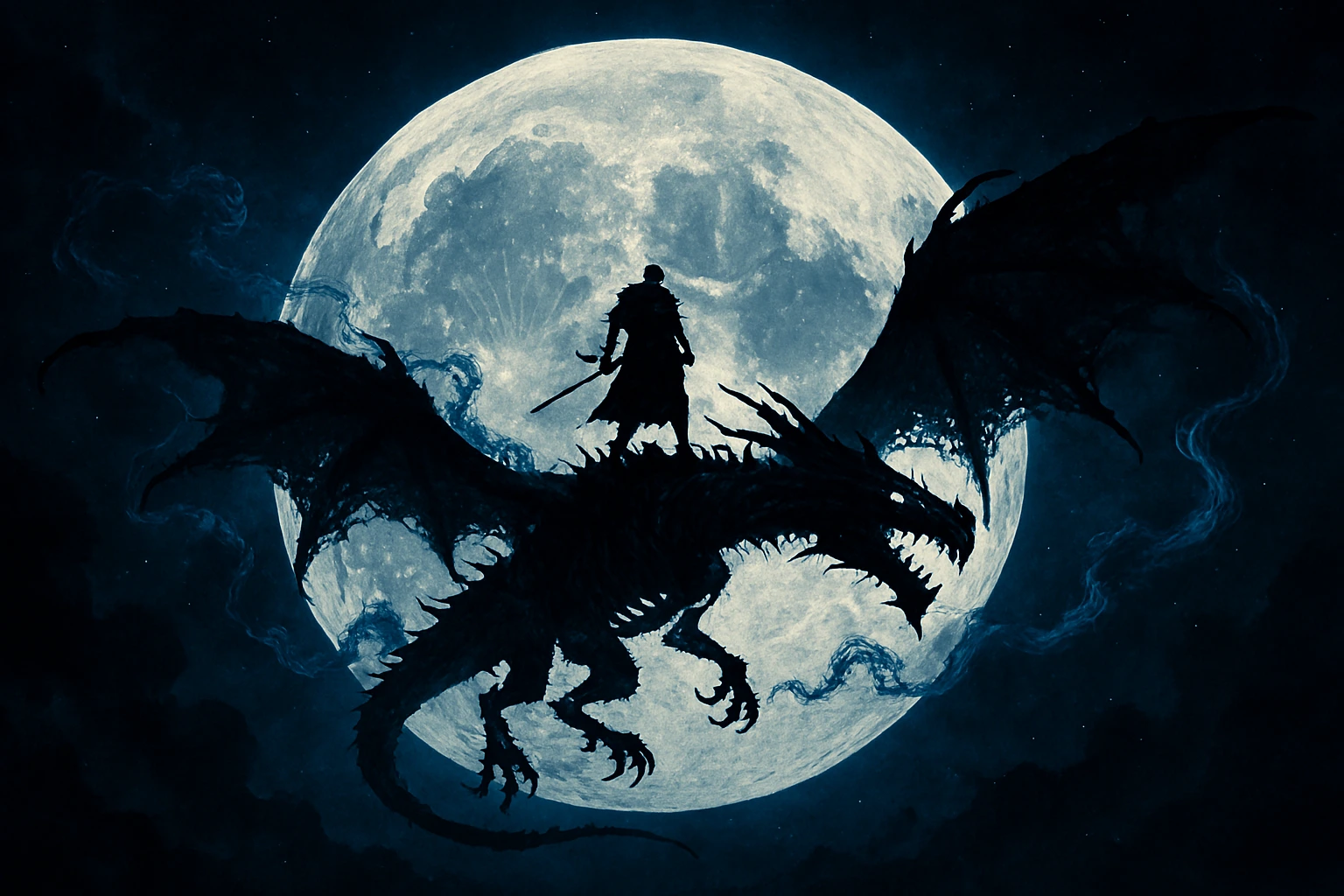
Kaisel is unique among the Shadow Army. He doesn’t speak like Beru, he doesn’t have the personality of Igris, and he isn’t a brute like Iron. He is the silent, loyal steed. Yet, his presence is iconic. The image of the Shadow Monarch standing atop a black wyvern against a full moon is the definitive silhouette of the series. It marks the transition of Jin-woo from a “Hunter” (who hunts beasts on the ground) to a “Ruler” (who looks down upon the world).
6. The Architect’s Hidden Message
Why did the Architect go to such lengths? Why build a 100-floor tower? Why populate it with the specific memories of the Radiru Clan? Why place Baran at the top?
The Demon Castle wasn’t just a dungeon; it was a History Lesson and a Vengeance Simulator.
The Architect, working for Ashborn, designed the System to find a human capable of inheriting the Shadow Monarch’s power. But inheriting the power wasn’t enough; the human needed to inherit the will.
By recreating Baran, the Architect was essentially telling Jin-woo: “This is the enemy. This is the traitor. Kill him.”
Baran was the one who betrayed Ashborn during the primal wars. By forcing Jin-woo to fight and kill the copy of Baran, the Architect was unconsciously (or consciously) aligning Jin-woo’s karma with Ashborn’s. It was a test of worthiness. Only the one who could slay the Traitor Monarch could hold the heart of the Shadow Monarch. It was a ritualistic killing, ensuring that the new vessel shared the old King’s hatred.
The XP Farm: From a mechanical perspective, the Demon Castle was a masterpiece of game design. Jin-woo entered around Level 60-65. He left at Level 97-99. The “XP Curve” in Solo Leveling is exponential. The amount of XP needed to go from 90 to 91 is likely vastly higher than 1 to 50. There was no dungeon on Earth—not even S-Rank Gates—that possessed the density of high-level monsters required to push Jin-woo through those final 30 levels.
If Jin-woo had relied on normal Gates, it might have taken him years to reach Level 100. The Architect didn’t have years. The Monarchs were coming. The Demon Castle was a Hyper-Leveling Zone. It was a controlled environment with artificially inflated XP rewards designed to rush the “endgame.” It functioned like a “Booster Pack” in a game, skipping the tedious grind to prepare the player for the final raid boss.
The “Hidden Message” is that the System was never a game. It was a training camp. Every quest, every reward, every drop of blood in that castle was calculated to optimize the vessel. The cruelty of the castle—the burning city, the crying demons—was irrelevant to the Architect. The only metric that mattered was: Is the vessel strong enough yet?
7. Conclusion: The Cure and the Cost
The arc concludes with one of the most heartwarming and heartbreaking sequences in the story.
Jin-woo returns to the hospital. He has the Holy Water. He administers it. And for the first time in years, the machines stop beeping in alarm. His mother opens her eyes.
This moment is the emotional climax of the series’ first half. It validates every struggle, every near-death experience, every drop of blood Jin-woo shed in the Demon Castle. When he embraces his mother, we are reminded that beneath the Shadow Monarch’s armor, there is still a human heart. It is a victory of love over the System. Jin-woo beat the Architect’s game, not for power, but for family.
But there is a cost.
As Jin-woo leaves the Demon Castle to return to reality, the dungeon closes. And in Solo Leveling, when an Instant Dungeon closes, it ceases to exist.
We are left with the tragic question of Esil Radiru. Did she simply vanish? Did she return to the void of data from which she was summoned? Or, in some small way, did she “live” because Jin-woo remembered her?
The tragedy of the Demon Castle is that it was a world filled with “people” who had hopes, fears, and personalities—and Jin-woo had to let them all be deleted to save one person in the real world. It was a trade. A world for a mother. It is the cold calculus of the System: everything is a resource, even sentient life.
The Demon Castle Arc stands as the pivotal turning point of Solo Leveling. It was the crucible that burned away the last remnants of the “weakest hunter.” Jin-woo entered the castle as a powerful human; he left it ready to become a god. The Architect’s prison for a dead monarch had served its purpose. The tutorial was over. The real war was about to begin.
This arc proved that Jin-woo was finally ready to step out of the shadows of the dungeon and into the global spotlight. The ants of Jeju Island were waiting, but after conquering a 100-floor hell, the King of Shadows had nothing left to fear.