
1. Defining the Language of Anime
Why do characters in different anime—from a high-stakes battle series to a calm slice-of-life comedy—often feel so familiar?
This instant recognition is the beautiful, efficient work of the character trope.
The goal of this article is to move beyond a simple definition.
We will dissect the archetypes, explore the cultural reasons they are essential, and show how recognizing them elevates your appreciation for the art of anime storytelling.
The language of tropes is the grammar of genre, and mastering it allows a fan to understand both tradition and innovation.

-
Trope, Cliché, and Archetype
A Trope is a commonly used, recognizable narrative pattern or convention.
It’s a neutral blueprint writers employ because the audience already understands the basic function of that character’s role.
It’s crucial to differentiate this from two similar terms:
- Cliché: An overused, dull, or uninspired execution of a trope.
- When a trope is used poorly, it becomes a cliché.
- Archetype: A universal character model (e.g., The Hero, The Mentor). Tropes are anime-specific manifestations of these broader archetypes.

💡 Quick Glossary for New Fans
| Term | Meaning | Genre/Context |
| Shonen | Anime targeting young males, often action/adventure. | Dragon Ball, One Piece |
| Isekai | “Different World.” Stories where a character is transported. | Re:Zero, Slime |
| Deres | Suffixes defining romantic personality (e.g., Tsundere, Kuudere). | Romance, Comedy |
| Senpai | Senior student or person of higher rank/experience. | School, Workplace |
| Kouhai | Junior student or person of lower rank/experience. | School, Workplace |
| Seinen | Anime targeting young men (18+), often mature themes. | Attack on Titan (Later), Berserk |
2. Why Tropes are Essential Building Blocks
The prevalence of tropes in anime is a testament to both the practicalities of a high-volume industry and unique cultural storytelling preferences.
-
Narrative Efficiency and Shorthand
Tropes act as shorthand. By assigning a character a recognizable archetype, the writer bypasses lengthy exposition and character setup.
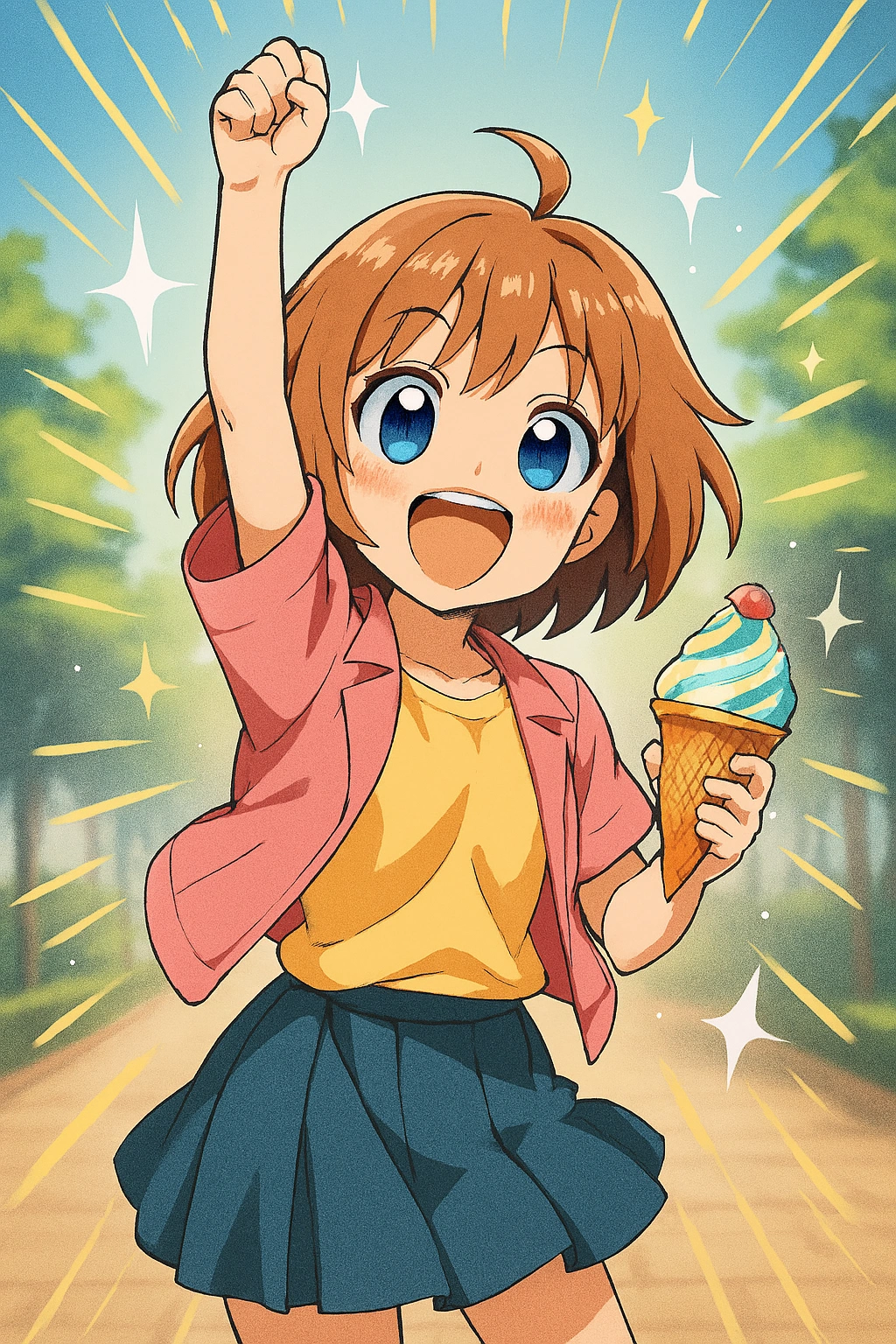
For instance, introducing a Genki Girl (energetic, highly positive female character) instantly signals to the audience that her role is to provide enthusiasm and optimism, saving valuable runtime that can be spent on advancing a complex plot or action sequence.
-
The Engine of Genre
Certain tropes are indispensable structural elements that power specific genres.
- Shonen: The Rival (the brooding, often superior character) is near-ubiquitous, acting as a mandatory foil that drives the protagonist’s training and motivation.
- This dynamic, paired with the recurring theme of the “Power of Friendship,” forms the thematic core, asserting that human connection is the ultimate source of strength.
- Romance: The Dense Protagonist is essential for many romance or harem plots.
- Their inability to recognize obvious romantic advances is the narrative impediment that generates sustained comedic tension and allows a series to run for multiple seasons without resolving the central romantic question.

-
Cultural Context and Dynamics
Anime uses tropes to reflect specific Japanese cultural norms, which adds depth for local viewers and insight for international ones.
- The Senpai/Kouhai Hierarchy: This dynamic is a social hierarchy that dictates interactions between people of different ranks (not just in school, but also in clubs and companies).
- The Senpai (senior) provides guidance and mentoring, while the Kouhai (junior) offers unwavering respect.
- This relationship shortcut provides instant, recognizable tensions and emotional obligations.
- Student Council Authority: The Student Council President (Seito Kaichō) is a trope embodying order and perfection.
- It’s worth noting that their authority is often comically or dramatically exaggerated in anime settings for the sake of plot conflict and drama.

3. Categorizing Core Archetypes: The Four Pillars
Tropes fall into broad families that define a character’s identity and function.
-
The Personality Tropes (The “-Deres”)
These define a character’s emotional state, using the suffix -dere (deredere, meaning lovestruck).
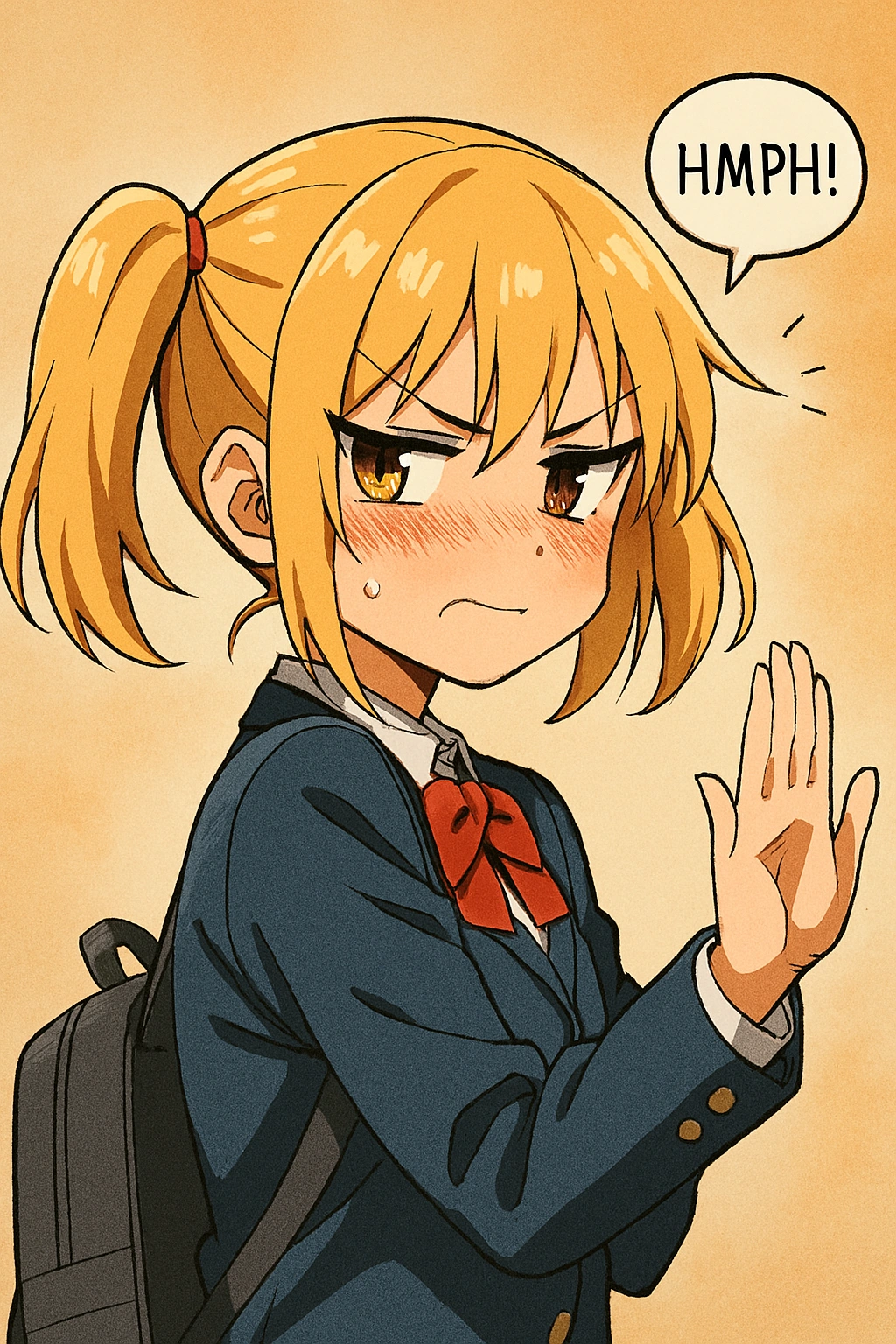
The Tsundere: The Queen of ‘Baka’ and Blushes
-
- Description: Cold, abrasive, and hostile (Tsun) on the outside, but hiding a warm, loving, and vulnerable core (Dere).
-
- Their conflict between pride and affection provides high dramatic and comedic value.
The Ice King and The Silent Wall: Kuudere and Dandere
-
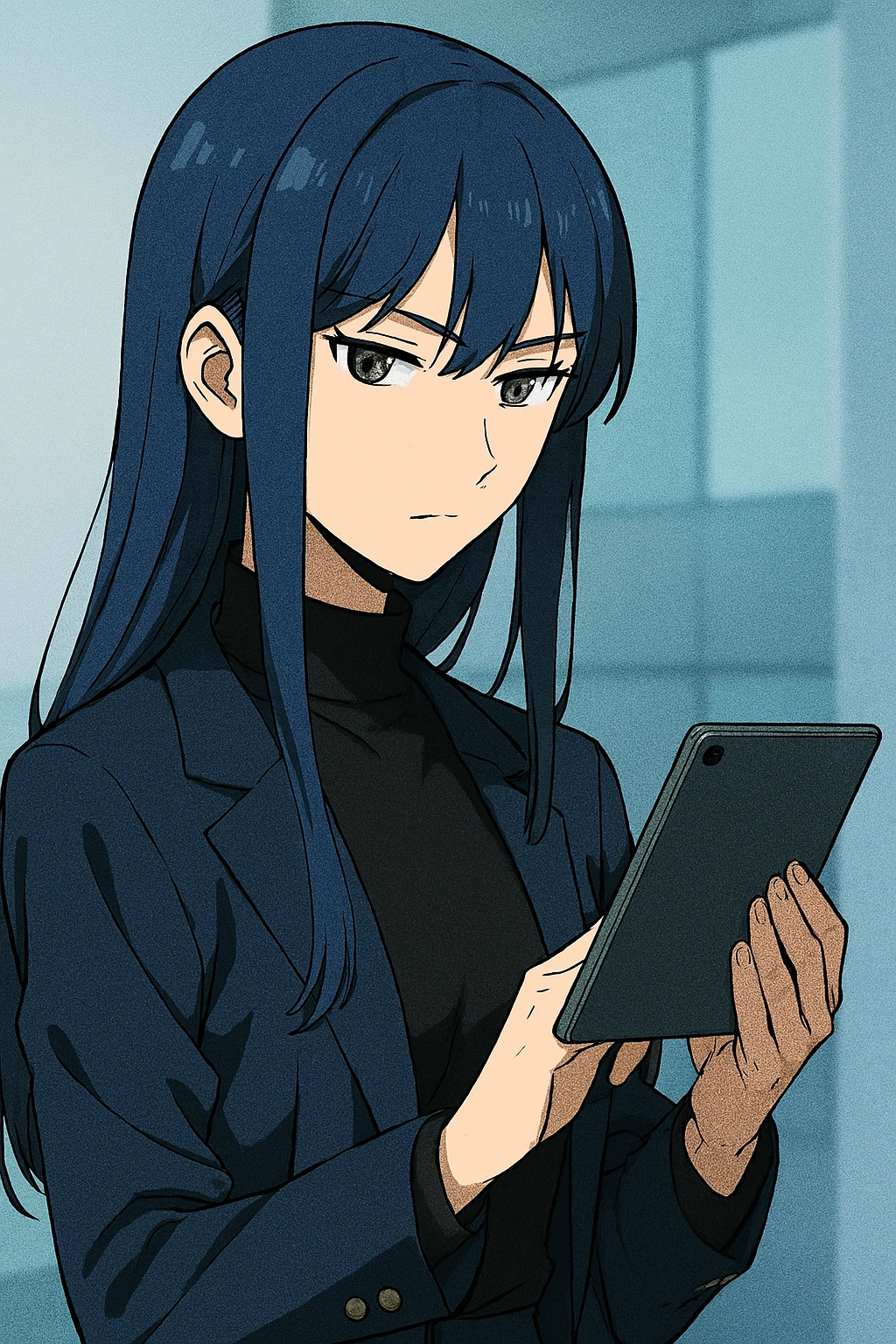
- The Kuudere (from Kūru, “cool”) is emotionally distant, stoic, and pragmatic.
-
- Their rare “Dere” moments are profound because they reveal a deep inner world of emotion.
-
- The Dandere (from danmari, “silent”) is quiet and painfully shy.
-
- Their reserved nature melts away only when communicating their deepest feelings to their closest allies.

- The Yandere: This trope (from yanderu, “to be sick”) is introduced here but will be fully detailed in our case studies below. They represent the dangerous extreme of obsessive love.
-
The Role Tropes (What they Do)
These define a character’s primary function in the plot.
- The Main Protagonist (The Shonen Hero): Defined by high energy, optimism, and an aspirational goal.
- They usually possess a hidden power or potential that allows them to overcome impossible odds via a signature “Power-Up” linked to emotional growth.

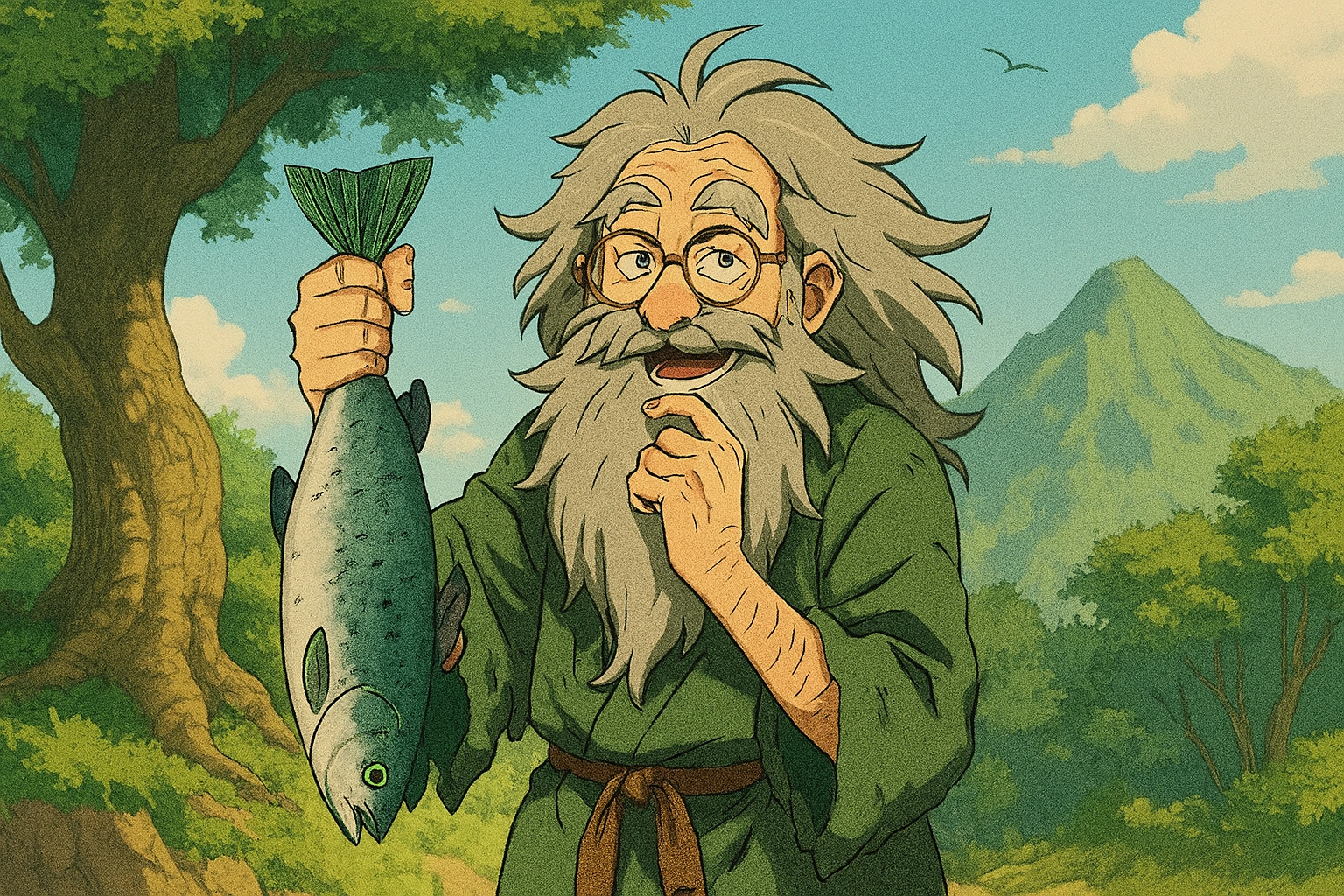
- The Mentor/Sensei: The powerful, wise trainer who often hides immense skill behind eccentric, goofy, or aloof behavior. Their purpose is to equip the hero without overshadowing them.
- The Childhood Friend: The pre-established romantic interest who is often overlooked because their connection is taken for granted, creating an emotional complication for the protagonist.
-
The Visual and Aesthetic Tropes (How they Look)
These tropes use visual signifiers for instant character shorthand.
The Glasses/Meganekko: The character with glasses.
This look signifies intelligence, reservation, or hidden beauty (Meganekko is the female term).
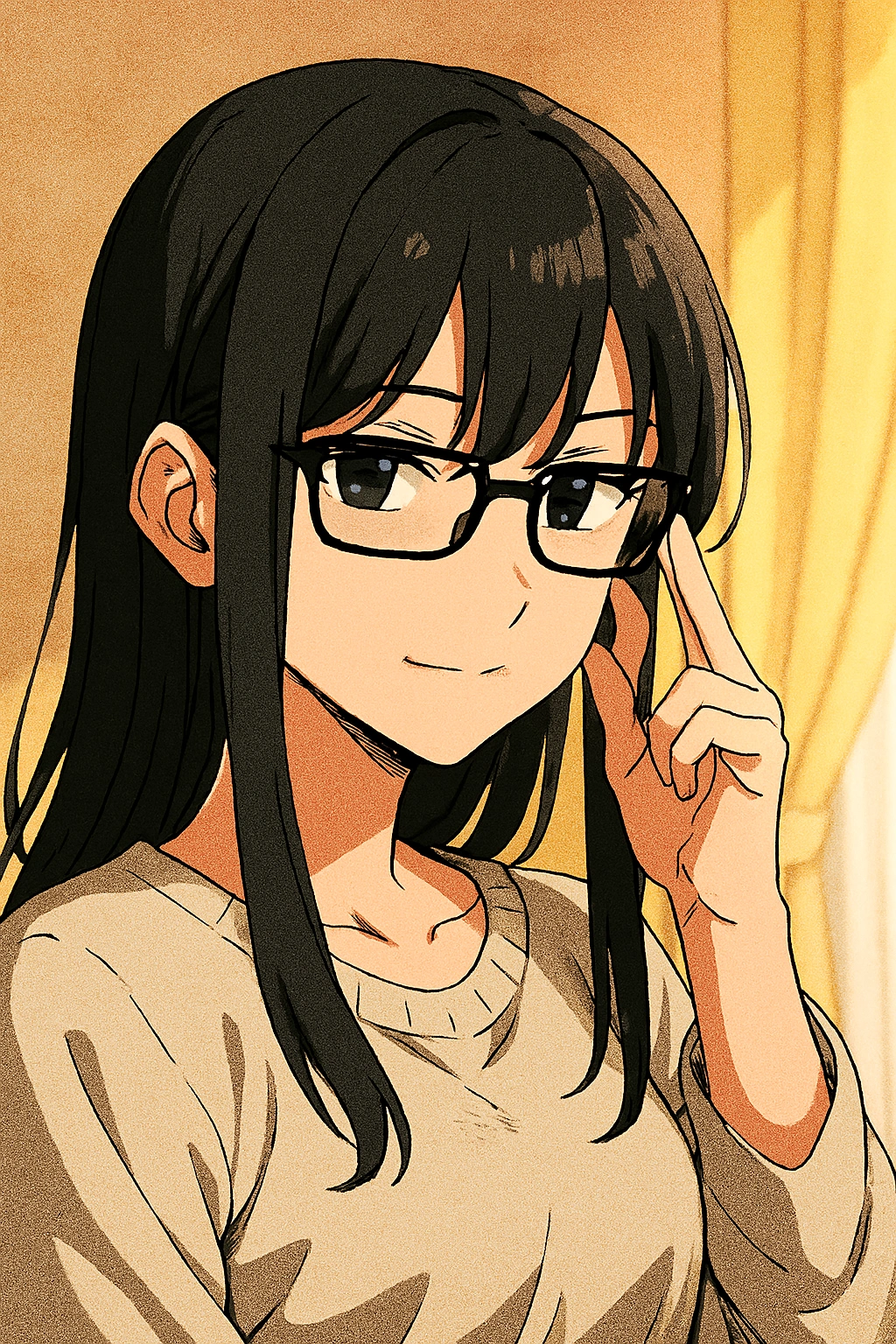
The convention that removing the glasses reveals their true strength or attractiveness is a trope often played for dramatic effect.
The Ahoge: A single, bouncy strand of hair that stands up.
This serves as a visual joke, denoting a character who is ditzy, goofy, or a straightforward “Gag Character.”
It can also act as an expressive “mood antenna.”
The Ojou-sama: The wealthy heiress archetype.
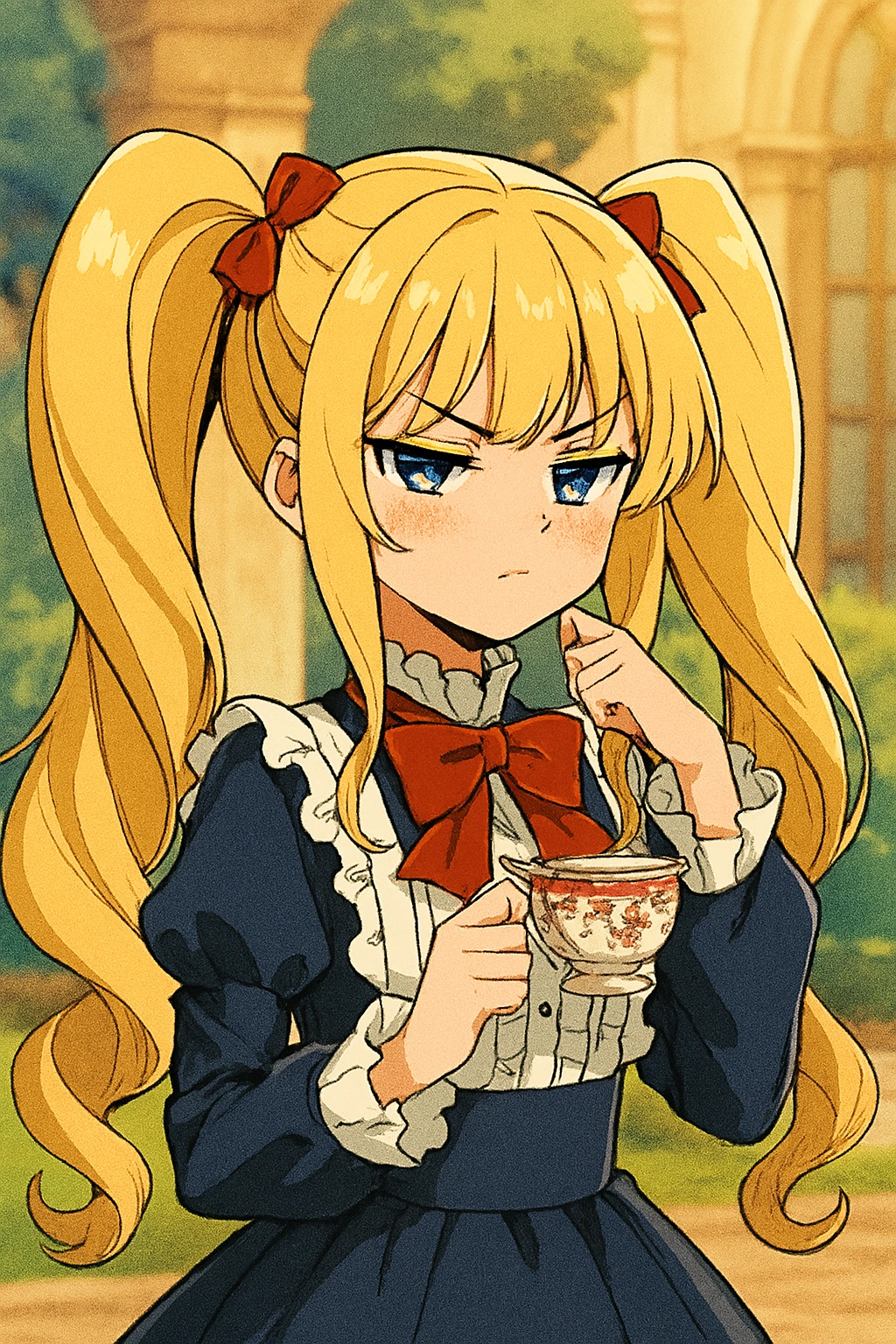
While they often wear elaborate Twin Tails (a hairstyle also used for energetic, younger characters), the Ojou-sama uses this aesthetic to signify high social status and a theatrical, sometimes arrogant, disposition.
4. Deep Dive: Case Studies and Archetypes in Action
The true artistry lies in the execution and layering of these archetypes.
-
The Isekai Hero: From Zero to Overpowered God (The OP Transfer)
The Isekai Protagonist is the anchor of modern fantasy, rooted in wish fulfillment: an unremarkable person from the mundane world is transported (or reincarnated) and instantly validated with power.
- The Classic OP Example: Rimuru Tempest from That Time I Got Reincarnated as a Slime.
- Rimuru starts as a low-level slime but is granted the ultimate power-granting ability, “Great Sage” (later Raphael), allowing him to instantly absorb and master all skills.
- This is pure, unadulterated power-fantasy.
- The Deconstruction Example: Natsuki Subaru from Re:Zero – Starting Life in Another World.
- Subaru receives no combat power. His ability, “Return by Death,” is a cruel one—he resets time upon his agonizing death.
- This deconstructs the OP trope by focusing on the psychological trauma and suffering required to earn his progression.
-
The Yandere: Love as Madness
The Yandere (Sick/Obsessed + Lovestruck) is the most psychologically dark archetype.
This character starts sweet, but their affection quickly warps into dangerous, possessive, and violent obsession.
They operate under the terrifying logic that murder or manipulation is justified to maintain their relationship.
- The Icon: Yuno Gasai from Future Diary (Mirai Nikki) is the definitive example.

- Her character brilliantly oscillates between a devoted schoolgirl and a cold-blooded killer, making her terrifyingly unpredictable and cementing her iconic, smiling-but-homicidal “Yandere Face” as the visual shorthand for the trope.
-
The Moral Maze: Anti-Heroes and Reluctant Villains
This category explores characters who defy simple morality.
- The Villain-Protagonist: Light Yagami from Death Note.
- Light begins with the noble goal of purging crime but is quickly corrupted by the Death Note’s power.
- His arc is a classic study in the rapid descent from idealism to megalomania, cementing him as the primary evil force in the narrative.
- The Reluctant Villain: Eren Yeager from Attack on Titan. Eren transforms from the classic Shonen hero into a global antagonist.
- His actions are catastrophic, but his motives are layered, driven by trauma, foreknowledge, and a contested vision of freedom and protection for his people.
- He embodies the complex “anti-villain” who uses evil means for what he perceives as a utilitarian good.
-
The Moe Character: Designed to Evoke Protective Affection
The Moe trope (slang for “to be smitten”) describes characters designed specifically to evoke protective affection, warmth, and cuteness (often fueling the CGDCT: Cute Girls Doing Cute Things genre).
Moe characters are typically rendered in an adorable style and display innocent, earnest, and often clumsy behaviors.
- The Icon: Yui Hirasawa from K-On! Yui, with her innocent forgetfulness, love of snacks, and pure, enthusiastic devotion to her friends and music, embodies the warm, low-stakes comfort that defines the trope.

5. The Art of Subversion and Evolution: Meta-Telling
The best modern anime doesn’t just use tropes—it acknowledges and manipulates the audience’s knowledge of them.
-
Subversion: Twisting Expectations
Subversion is the deliberate use of a familiar trope against audience expectation to generate shock, comedy, or impact.
- The Hidden Power Subversion: In Mob Psycho 100, the protagonist, Mob, is born with reality-bending psychic powers, making him instantly “OP.”
- However, the entire story is a subversion of the battle Shonen, as Mob’s arc is centered not on training to fight, but on emotional growth and learning to suppress his destructive power for the sake of a normal life.
- The Deceptive Mentor: A more conscious subversion shows the seemingly weak and goofy Sensei is actually as inept as they appear, forcing the protagonist to rely on their own ingenuity or accidental allies.
-
Deconstruction: Examining Flaw and Reality
Deconstruction occurs when a story takes a trope and explores the realistic, often negative, or psychological consequences of that archetype.
- Deconstructing the Magical Girl: Traditional Magical Girl anime presents a world where young girls gain powers and remain mentally unscathed.
- Puella Magi Madoka Magica deconstructs this by exploring the psychological damage, forced sacrifices, and existential horror of being a child soldier chosen against their will, revealing the true cost of “magical power.”
- Archetype vs. Stereotype: When engaging in this analysis, it’s vital to distinguish between a functional trope and a stereotype (an oversimplified, often negative, generalization).
- Responsible analysis recognizes that a trope is a neutral storytelling tool; it only becomes a stereotype when it relies on lazy, harmful generalization without nuance.
-
Modern Trends: The Age of Layering
Modern anime increasingly layers multiple tropes to create complex, dimensional characters.
A character might be a Kuudere mentor with an Ahoge who operates as a Reluctant Anti-Hero.
This blending reflects the medium’s maturity, where creators use the audience’s established expectations only to complicate and enrich them over time.
6. Conclusion (Looking Ahead)
Character tropes are the essential syntax of anime—they are tools, not flaws. For the savvy fan, recognizing them allows you to appreciate narrative structure, understand cultural context, and most importantly, discern when a creator is masterfully subverting or evolving tradition.
The journey of anime is a continuous conversation with its own history.
Next time, we’ll dive deep into the ultimate rivalry: The Shonen Protagonist vs. The Rival!
Teaser for the Next Article:
- The essential elements of the training arc.
- How the rival acts as a catalyst for the hero’s power.
- The complex moral contrasts in their philosophies.
What is your all-time favorite anime character trope? Tell me—is it the tsundere, the rival, the mentor, the trickster, or the anti-hero?
Reach our lists category.